
The 25 Best Restaurants in Chicago Right Now https://www.nytimes.com/article/best-restaurants-chicago.html?smid=nytcore-android-share
Tag: Seafood
Grub Street: 2022 James Beard Award Winners: The Full List
Grub Street: 2022 James Beard Award Winners: The Full List. https://www.grubstreet.com/2022/06/2022-james-beard-chef-and-restaurant-award-winners-full-list.html
SAVOR THE SAN JUANS: A TASTE OF THE PACIFIC
An archipelago of islands off the coast of Washington State, there are 172 named islands and reefs in San Juan County but the main three–all with ferry service–are San Juan Island (with the county seat Friday Harbor), Orcas Island, and Lopez Island. Not only are they the most populous but each offers a myriad of lodging, dining, and activities for visitors.
The 13 defining tastes of the San Juan Islands are salmon, heritage fruit, foraged botanicals, shellfish (think oysters and clams), crab, lamb, Mangalitsa Pork, seaweed and salt, lavender and hops, cider and apple brandy, grains, goat cheese and white wines.
Here’s a sampling of what visitors can find:

Spiced apple with chocolate and pumpkin cream-filled doughnuts. Cardamom buns. Buckwheat tahini chocolate cookies. Savory brioche tarts with leek, chevre, and kabocha squash. All of the ingredients for these mouth-watering pastries? Entirely sourced locally by creator and owner of new Seabird Bakeshop, Brea Currey, from Orcas Island farm stands like West Beach and Maple Rock, eggs from neighborhood chickens, and flour from Fairhaven Mills in Burlington. Since September, Seabird Bakeshop has been thriving on Orcas Island where chefs are thinking creatively about how to bridge food and entrepreneurism during the time of coronavirus. Thus far, Currey’s success is, among other things, a testament to the power of baking as a 2020 survival strategy on Washington’s farm-to-table captivated island. Find Seabird on Facebook and Instagram: @seabirdbakeshop
Myers Creamery on Orcas Island, Quail Croft on San Juan Island, and Sunnyfield Farm on Lopez Island all are expect at making fresh chevre, herbed cheeses, washed-rind and aged cheeses, all of which can be found at each island’s farmers’ markets, and at the Orcas Island Food Co-op and the San Juan Island Food Co-op. Following the seasons, goat cheeses start out fresh and creamy in springtime when the goats graze on spring grass. As the grass matures, so does the flavor of the cheese, until at the end of fall, the cheeses are more intense, earthy and, dare we say, “goaty.”
Cold pressed cider. Small batch granola. A box full of farm-fresh greens. Locavores, look no further: the newly aggregated Washington Food and Farm Finder features 1,700 farms, farmers markets, and food vendors with offerings “grown, caught, raised, or made” across the state. Find San Juan Islands favorites like Ursa Minor, Madrone Cellars, and Buck Bay Shellfish Farm. The guide has filters for pickup or delivery services, markets, food trucks, or specialty food and beverage locales. Icons designate sustainable fishing or animal welfare certifications, as well as veteran-, woman-, and BIPOC-owned businesses. For more information: https://eatlocalfirst.org/wa-food-farm-finder/

Island makers Girl Meets Dirt and Madrone Cellars & Ciders are winners in the annual Good Food Awards for 2021. Madrone’s Barrel-Aged Currant took top prize in the Cider category. Girl Meets Dirt has winners in both the Preserves and Elixirs category. Their Rhubarb Lavender Spoon Preserves are a great choice for charcuterie. The Rhubarb shrub and Shiro Plum Tree bitters give some extra oomph to your signature cocktails. Shop Girl Meets Dirt winners here: www.girlmeetsdirt.com/shop and Madrone Cellars here: https://madronecellars.com/

Local favorite San Juan Sea Salt is rolling out a new line of flavored salts: the Deli Series, starting with Everything but the Bagel. All the yum of everything bagels, none of the carbs! Try this on avocado toast, mixed with your breading for fried chicken, and snacking on it straight from the jar! Everything but the Bagel joins the Dill Pickle Salt as an homage to class deli flavors. The Dill Pickle Salt is a tangy, dilly, zesty, garlicky salt with just the right magic to give your mouth the déjá vu feeling of crunching into a darn fine pickle. Find these and others here: www.sanjuanislandseasalt.com/online-store/NEW-c48889151

Buck Bay Shellfish Farm on Orcas Island is a hidden gem where you can stop in for a couple of pounds of fresh clams or oysters, or you can while away a whole afternoon shucking oysters and drinking wine (BYOB) while looking out over the serenity of Buck Bay just yards away.
New owners Eric and Andrea Anderson rebuilt the docks and oyster shack at Westcott Bay Shellfish Farm on the north end of San Juan Island. They’ve also linked the property to trails connecting to English Camp, making their shellfish farm a destination for hikers and bicyclists as well.
Island wineries produce light, refreshing whites that pair well with seafood and other San Juan specialties. Owners Yvonne Swanberg of San Juan Vineyards, and Brent Charnley of Lopez Island Vineyards grow and makes Siegerrebe and Madeleine Angevine from their estate vineyards.

Westcott Bay Cider, one of the oldest cideries in the state of Washington, ferments three types of ciders from the “bitters” and “sharps” from their orchard, from traditional dry to medium-sweet styles. The cider is then distilled into a clear eau-de-vie and aged in wine barrels.
Orcas Island Cider and Mead Festival has drawn two dozen cider and mead producers from throughout the region.
Local farmer Brady Ryan started San Juan Island Sea Salt, made by collecting salt water from the Salish Sea and drying it in special bins to retain the fluffy white crystals that are then flavored with such botanicals as smoked madrona bark, dried kelp, lemon peel and various dried herbs.

In any list of definitive island flavors, lavender deserves its own category, partly because it is a cultivated botanical rather than a forged one. But it’d also an important part of island culture.

Pelindaba Lavender Farm has been growing lavender and creating lavender products for almost 20 years. At the farm, you can stroll the lavender fields, learn about how lavender oil is extracted and distilled into almost 250 products made onsite, including many food products such as lavender teas, salad dressings, ice cream and herbal rubs.

Island grown hops are used in the beers made by Orcas Island’s Island Hoppin’ Brewery, adding floral and bitter notes and a local touch to these tasty beers. You can visit the brewery and tasting room just outside of Eastsound.

Chef Geddes Martin, owner of the Inn at Ship Bay, raises his own Mangalitsa hogs in partnership with his friend and farmer, John Steward of Maple Rock Farm and Hogstone’s Wood Oven. Mangalitsa is a breed that’s known as the “hairy pig that is the Kobe beef of pork,” with more flavor and marbled fat than standard industrial-raised pork, and makes for amazing pork belly or pork loin.

The Cuisine of Basque: Regional Cooking at Its Best

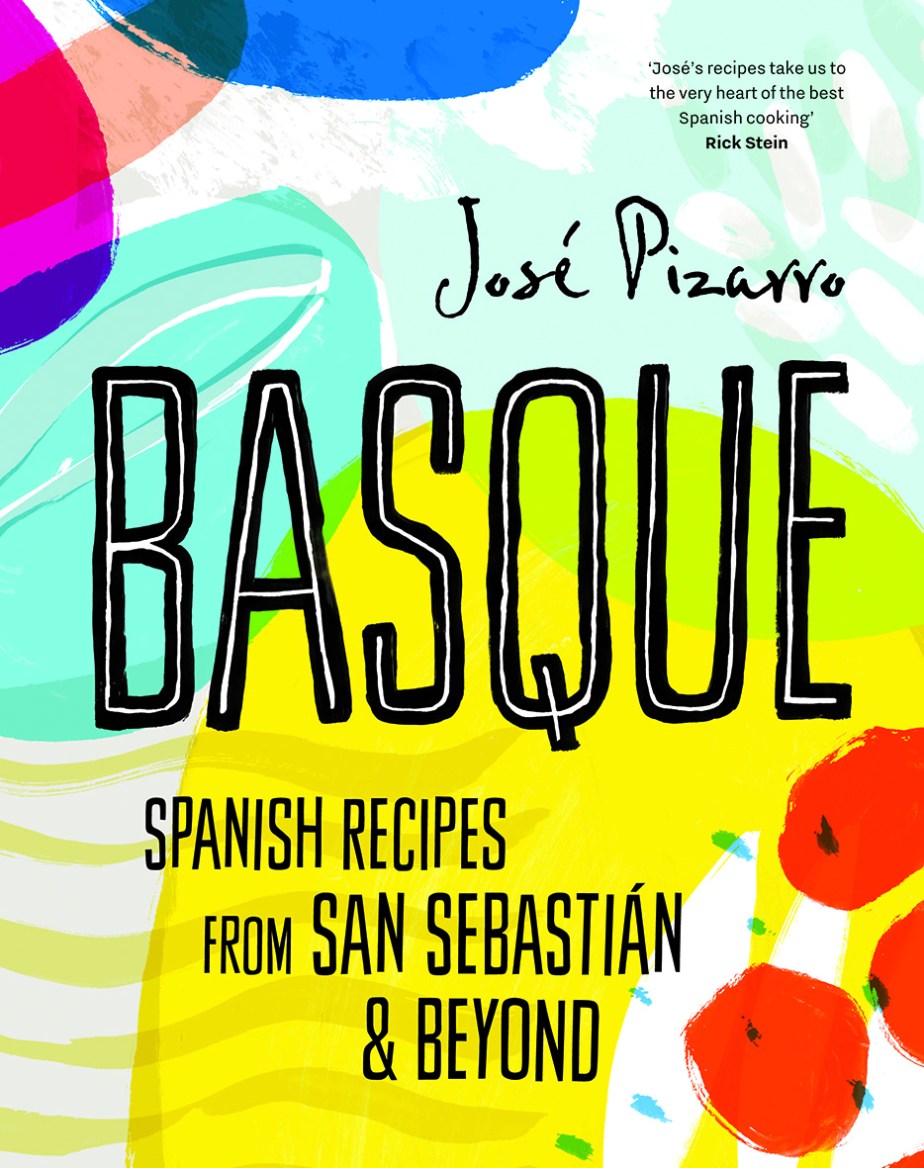
José Pizarro, chef and owner of Jose Pizarro Broadgate Circle, The Swan Inn Esher, and Pizarro, his eponymous tapas bar and restaurant respectively, both on Bermondsey Street, near London Bridge, was born in Extremadura and worked in restaurants in that region and Madrid.

Credited with popularizing Spanish cuisine in Great Britain. His cookbook, Basque (Hardie Grant 2021; $22.95), is a great way to explore the beautiful Basque region of Spain.

“The Basque Country is feted across Spain, and indeed the world, for its culinary creativity,” says Pizarro. “It has more three Michelin-starred restaurants than anywhere else, and I can understand why – there are so many local products that you can be inspired by here.”

Chicken Stewed in Cider & Apples
“My inspiration for this dish, as with many of my recipes, came from seeing the ingredients together,” says Pizarro. “When I see them, I just have to create a plate of food. When we were in Astarbe in a beautiful cider house, I saw the chickens hopping around the apple trees, and that was it.”

The Astarbe Experience includes a restaurant and an assortment of wonderful foods and tastings of their ciders.
Serves 6
olive oil
1 free-range chicken (1.8–2 kg/4 lb–4½ lb)
sea salt and freshly ground black pepper
1 apple, peeled, cored and halved
2 onions, finely sliced
2 bay leaves
6 sage leaves
1 cinnamon stick
500 ml (17 fl oz) cider
400 ml (13 fl oz) fresh chicken stock
25 g (1 oz) unsalted butter
3 apples, peeled, cored and sliced into 8 pieces
1 teaspoon caster (superfine) sugar
75 g (2½ oz) sultanas
Preheat the oven to 160ºC (320ºF/Gas 3).
Heat a layer of oil in a large casserole dish. Season the chicken inside and out and brown all over in the casserole dish. Set aside and put the halved apple inside the cavity.
Add the onions to the casserole and fry for 10 minutes to soften. Return the chicken to the pan and add the herbs and cinnamon.
Pour in the cider and bubble for a few minutes, then add the stock. Bring to the boil, then cover and transfer to the oven to cook for 1 hour.
Meanwhile, heat a little oil and the butter and fry the rest of the apples with the sugar until golden and caramelised. Add the sultanas and toss in the buttery juices. Add to the casserole about halfway through the cooking time.
Remove the lid of the casserole and turn up the oven to 220ºC (430ºF/Gas 7). Cook for 10 minutes more to brown the top of the chicken, then serve.

Sautéed clams with garlic, lemon & parsley
“Clams are popular all over the world as they are so versatile,” says Pizarro about this wonderful dish. “When you are planning to cook for more than a couple of people, this is something that you must consider; ingredients and dishes your friends will love but are also quick prepare, so that you don’t spend the whole time at the stove.
“You can boil some pasta with this for a really easy lunch, and add some chilli for an extra kick.”
Serves 4
olive oil
3 fat garlic cloves, peeled and finely sliced
1 lemon, half finely sliced, half juiced
1 kg (2 lb 3 oz) fresh palourde clams, cleaned
few sprigs of thyme, leaves stripped
handful of finely chopped flat-leaf
parsley
Heat a little oil in a deep heavy-based stockpot. Fry the garlic and lemon slices for 30 seconds, then increase the heat to high, tip
in all the clams and cover with a lid. Cook for 2–3 minutes, shaking the pan occasionally, until the clams have all opened (discard any that refuse to open).
Add the lemon juice and herbs and serve with lots of crusty bread to mop up the juices.

Pan-fried hake with sautéed wild chanterelles & sage
“Hake is one of the most sought-after fish in the Basque Country,” says Pizarro when sharing this recipe. “I really don’t know why it’s not as popular here in the UK, particularly as it’s plentiful – I think most of the catch from the sea here goes to Spain!
“In my family, our favourite way of cooking hake is a la romana, or Roman
style, which means that it’s battered.
“In this recipe, I bring two big flavors together, the sage and the mushrooms, but they complement the fish very well.”
Serves 4
olive oil
2 French shallots, finely chopped
2 garlic cloves, crushed
few small sage leaves
300 g (10 1⁄2 oz) chanterelles, cleaned
100 ml (31⁄2 fl oz) fresh fish stock
sea salt and freshly ground black pepper
4 hake fillets (175 g/6 oz each)
Heat a little olive oil in a pan and gently fry the shallots for 5–10 minutes until really soft. Add the garlic and sage and cook for 30 seconds, then increase the heat and add the mushrooms. Fry for 4–5 minutes, then add the stock and bubble for a couple of minutes. Season and set aside.
Heat a heavy-based frying pan with a little bit of oil. Add the hake skin side down and cook for 4–5 minutes until almost cooked through. Flip over and cook for 30 seconds more.
Put the cooked hake, skin side up, into the pan with the mushrooms. Cook for a minute or two more, then serve.
Recipes excerpted with permission from Basque by José Pizarro published by Hardie Grant Books, March 2021.

Angela Medearis: The Ultimate Kitchen Diva

“People are eating African American food every day, but they don’t know it,” Angela Shelf Medearis says to me when we chat on the phone. In part, she’s talking about James Hemings who, in the complicated way of slavery, trained in the culinary arts in Paris and became a noted chef de cuisine and yet lived most of his life enslaved. Hemings either created or introduced a variety of the foods we eat now such as macaroni and cheese, ice cream, French fries, meringues, crème brulée, and French-style whipped cream. Another dish he created that we don’t eat regularly if at all is his handwritten recipe for snow eggs–soft, poached meringue, set in puddles of crème anglaise.

Hemings was the son of Sally Hemings, an enslaved woman and John Wayles, the man who “owned” her. The two had six children together. Wayles also had a more traditional family and his daughter Martha married a plantation owner named Thomas Jefferson. Thus, James was the half-brother of Martha Jefferson who “inherited” James (that’s so creepy I even hate writing it) when Wayles died. James was eight when they all came to live at Monticello. His youngest sister, Sally was just an infant. To make matters even more complex, after Martha died and Sally reached some type of maturity—she was probably in her mid-teens, she became Jefferson’s mistress and had six children by him, four of whom lived to adulthood.

So, Sally Hemmings was Martha Jefferson’s half-sister, and her children were half-siblings to Martha and Thomas’s children. I mention all this not only to show how helpless enslaved people were as to what happened to their bodies but also to show how intertwined Black and White families were and how the foodways of both merged.
But while Hemings introduced the Frenchified cookery to America,
Medearis, the founder of Diva Productions, Inc., the organization that produces her multicultural children’s books, cookbooks, videos, and audiocassettes, points out that people weren’t eating black-eyed peas before Africans arrive in this country.
“Back then they even thought tomatoes were poisonous,” she says. “But when they shipped slaves, they also shipped the foods they ate with them because that was a cheap way to feed them,” she says. “The recipes for those foods traveled from one place to the other. If they stopped in the Caribbean or South America before coming here, then the recipes changed with the foods and spices available and the types of cooking techniques.”

Medearis, a television chef known as the Kitchen Diva, has written 107 books. Many are children’s books, but she also is a cookbook author focusing on both the historic roots of African American cookery and healthy eating like The Kitchen Diva’s Diabetic Cookbook: 150 Healthy, Delicious Recipes for Diabetics and Those Who Dine with Them.
But she didn’t start out to be a cook.
“I only cooked enough that social services wouldn’t come and take away my children,” she says with a laugh. But her mother, after she retired, decided she wanted to market her raisin pie for some extra income.
While her mother and sister did the cooking, Medearis who often wears feather boas during her TV appearances and on her PBS cooking show and isn’t shy about being in the limelight, did the marketing.
But when her mother and sister decided to quit, Medearis knew she had to learn to cook if she wanted to keep her food business going.
Now she’s so full force that celebrity chef and restauranteur Bobby Flay arrived for a Jerk Chicken Throwdown while she was marinating jerk chicken for a family get. It was for his Food Network show Throwdown with Bobby Flay.
Who won I ask?

“My chicken had been marinating for hours,” Medearis replies. “He just arrived from Manhattan and threw some spices on his chicken. It burned. I beat Bobby.”
Watch it here.
Though she originally didn’t cook Medearis had written several loved historic research. Did I know that George Washington Carver drove a food wagon around to introduce people to healthy foods?
No. I knew that Carver, who famously said, “There is probably no subject more important than the study of food,” was born a slave and became a botanist, author, educator and agriculturalist. He also collaborated with auto magnate Henry Ford on growing peanuts and soybeans.
And don’t even get her started on Carver and black-eyed peas.

“Black-eyed peas, okra, peanuts and sesame seeds, and the oil they produce, are documented contributions from Africa via the slave trade to our American cuisine,” she writes in her syndicated column. “I prepared black-eyed peas any number of ways while doing research for my first cookbook.”
That would be The African-American Kitchen: Cooking from Our Heritage, a best seller that even now 30 years later is considered a standard on the foodways African Americans bought to this country. The problem though was getting it published. Her award winning children’s books were published by Dutton and when she brought the idea for her cookbook, she found an editor there who loved the book. But the editor at the next level turned it down, saying he’d published an African American cookbook almost 30 years earlier and no one bought it. He didn’t think the country was ready for another.
What’s a Kitchen Diva to do? Make a peach pie, of course, as it’s representative of both Black and Southern food history.
“You could hardly get a peach pie anywhere back then in Manhattan,” says Medearis. Wrapping up both the peach pie and the manuscript, separately we presume, she sent both off to the publishing company.

She got the contract.
“That book sold so many copies it was crazy,”

Overall, she’s written 107 books seven of which seven are cookbooks. Published in seven languages, she’s sold a total of 14 million books. But despite that, she’s not ready to stop.
“People ask me when I’m going to retire,” says Medearis who lives in Austin, Texas. “Why should I? I’m having a lot of fun with it. I’m doing what I want to do.”
Creole Chicken Stew
Makes 8 Servings
“This is a quick and healthy version of New Orleans-style gumbo,” writes Medearis about this recipe, which was published in her book, the . “Using frozen vegetables is a real time-saver when making this tasty stew; it’s also the perfect way to use kohlrabi when in season. Select small, tender okra pods for this recipe, and don’t slice them until right before you add them to the stew.”
1½ tablespoons olive oil
1 cup chopped yellow onions
1 cup coarsely chopped carrots
¼ cup chopped celery
4 cloves garlic, minced
1 bay leaf
2 teaspoons diced seeded jalapeño chile
¼ teaspoon salt
1 teaspoon freshly ground black pepper
½ teaspoon dried thyme
2 tablespoons whole-wheat flour
3 cups reduced-sodium chicken broth
1½ pounds boneless, skinless chicken breasts, cut into 1-inch-wide strips
1 cup peeled cubed Yukon Gold potatoes or kohlrabi, or a combination
1 cup diced zucchini
1 cup halved okra or frozen cut okra
4 cups cooked brown rice
2 green onions, chopped, including green parts
In a large pot, heat 1 tablespoon of the oil over medium-high heat. Add the yellow onions, carrots, celery, garlic, bay leaf, jalapeño, salt, pepper, and thyme and sauté until the onion is translucent, about 3 minutes.
Using a slotted spoon, transfer the vegetables to a plate, leaving as much oil in the pot as possible. Add the remaining ½ tablespoon of oil. Stir in the flour. Cook, stirring constantly, until the flour begins to turn golden brown, about 3 minutes.
Gradually whisk in the broth and cook for another 5 minutes, whisking until smooth. Bring the mixture to a boil, then reduce the heat to a simmer. Add the chicken, potatoes or kohlrabi, and zucchini. Return the sautéed vegetables to the pan. Partially cover and simmer, stirring occasionally, for 20 to 30 minutes.
Add the okra and cook for 15 to 20 minutes. Remove the bay leaf. Serve over ½ cup of rice per person and sprinkle with the green onions.
Kitchen Diva: Tap Your Inner Chef With DIY Recipes
Angea Medearis, the Kitchen Diva, wrote one of her syndicated columns on creating Do-It-Yourself recipes.
“Basically, a DIY dinner recipe is about finding a way to retain the flavors of the recipes you love while using the ingredients that you have on hand,” Medearis writes. “If you have always wanted to free yourself from the restraints of a recipe, now is the time to do it! Think of the current lack of ingredients as permission to tap into your inner chef.”
To ease into creating your own DIY dinner recipes, Medearis suggests starting by making a pot of chowder.
“No one really knows the origin of the term chowder,” she writes, “but whether it came from French, Caribbean, Portuguese or Brazilian cooks, the basic meaning is connected to the large pot that the meal is cooked in.”
Medearis is a history buff paritcularly when it comes to food.
“Chowders were introduced to North America by immigrants from France and England more than 250 years ago. Native Americans called the dish ‘chawder’.” she says noting the word interpreted as “chowder” by early settlers and fishermen in New England.
“The original versions of the dish consisted of a pot filled with a mixture of fresh fish, salt pork, leftover hardened biscuits (which were used as a thickener), onions, water and whatever spices were available, writes Medearis. “A chowder is a delicious way to use the ingredients you have on hand to create a meal that does not require extensive prep or simmering for hours. My recipe for Seafood and Sweet Corn Chowder uses the basic techniques.”
My recipe for Seafood and Sweet Corn Chowder uses the basic techniques for making a chowder, but is designed to accommodate the need to vary ingredients based upon what you have on hand or what you can purchase at the store.
Whether you decide to make a seafood or vegetarian chowder, feel free to create your own version of this DIY dinner.

SEAFOOD AND SWEET CORN CHOWDER
If you don’t have all the vegetables, seafood or spices on hand, omit or substitute the ingredient with what you do have. This chowder will still be delicious without it!
3 tablespoons butter or vegetable oil
1/2 cup (about l large stalk) chopped celery
1/2 medium onion, chopped
1/2 green bell pepper, seeded and chopped
2 garlic cloves, minced or 1/2 tablespoon granulated garlic powder
1 1/2 teaspoons salt
1 1/2 teaspoon ground black pepper
3/4 teaspoon dried dill or tarragon, or 1 tablespoon dill pickle juice
1/8 teaspoon cayenne pepper or red pepper flakes
2 cups chicken broth, seafood stock, clam juice, bouillon fish base or water
1 to 2 large Russet potatoes, or 3 red skin or Yukon Gold potatoes cut into 2-inch cubes, about 2 to 3 cups
2 large carrots, chopped
2 cups frozen corn, thawed, or 1 (15-ounce) can whole kernel or cream-style corn, or 6 ears sweet corn, husk and silk removed, or frozen corn on the cob, thawed with kernels cut from the cobb
2 cups heavy cream, half and half
Whole milk or 2 (14-ounce) cans evaporated milk
1 3/4 to 2 cups fully cooked, skinless salmon chunks, or 1 can (14 3/4 ounces) salmon, drained, flaked, bones and skin removed, or 1 to 2 cups fresh or frozen peeled and deveined shrimp, cooked peeled and deveined shrimp, or cooked crab meat (checked for pieces of shell) or a combination of the seafood equaling 1 3/4 to 2 cups.
1. Place the butter or oil into a large saucepan or Dutch oven placed over medium heat. Add in the celery, onion, green bell pepper, garlic or garlic powder, and 1/2 teaspoon of the salt and pepper, dill, tarragon or dill pickle juice, and the cayenne pepper or red pepper flakes. Saute, stirring occasionally until the vegetables are tender, about 4 to 5 minutes.
2. Stir in the broth, stock, juice or water, potatoes, carrots and the remaining teaspoon of he salt and pepper. Cover and bring the chowder to a boil.
3. Reduce heat to low; stir the mixture, cover and simmer for 40 minutes or until the vegetables are nearly tender. Stir in the corn, cream or milk, and the salmon, shrimp or cooked crab meat (or a combination of seafood). Simmer on low heat for 10 to 15 minutes or until heated through.
4. Garnish with lemon wedges, chopped parsley or green onions. Serve with toasted French bread or crackers. Serves 6
Here’s the Jerk Chicken recipe that won the Throwdown with Bobby Flay.
Yield: 6 to 8 servings
1/3 cup olive oil
1/3 cup distilled white vinegar
1/2 cup orange juice
1/2 cup lime juice
1/2 cup molasses
1/4 cup soy sauce
1 bunch cilantro, leaves chopped
4 green onions, chopped
2 cloves garlic, chopped
1 Scotch bonnet chili, serrano, or Thai bird
chiles, seeded and minced
3 bay leaves
3 peppercorns
1-inch piece cinnamon, crushed
2 tablespoons ground sage
1 tablespoon ground thyme
1 tablespoon ground allspice
1 teaspoon freshly ground black pepper
1/2 teaspoon ground nutmeg
5 pounds chicken pieces
Combine the oil and vinegar in a medium glass bowl. Stir in the orange and lime juice, molasses, soy sauce, cilantro, green onions, garlic, chili, bay leaves, peppercorns, cinnamon stick, sage,thyme, allspice, pepper, and nutmeg.
Place the chicken pieces in a large baking pan and pour the spice mixture over them, coating each piece well. Cover with plastic wrap and place the chicken in the refrigerator to marinate 12 hours or overnight, turning once.
Allow the chicken pieces to come to room temperature before grilling. Heat the grill until the coals are somewhat white with ash; the flame should be low. Place the chicken on the grill and cover with the lid. Grill for 30 to 35 minutes, turning pieces to cook evenly. Baste pieces with remaining marinade.
For more information including recipes, https://www.medearis.com/

Celebrate Mardi Gras Time in Southwest Michigan!
Ignore the snow outside because inside Timothy’s Restaurant in Union Pier, Michigan, it’s New Orleans during Mardi Gras season, purple, green and yellow beads and all.

As he does every year, owner/executive chef Timothy Sizer kicks it up several notches, does a few Emeril “bams” and goes all out for this Louisiana celebration. He mixes up the menu each year but there are always such staples as gumbo, etouffee and jambalaya.

This year the menu also includes Fried Louisiana Oysters, Red Beans and Rice, Fried Green Tomatoes with Crawfish Sauté and Cajun Remoulade, Blackened Red Fish Meunier served with Pecan Butter and, my new favorite, Warm Crawfish Cheese Dish. Regarding the latter, our server told us they all wait eagerly for this time of year so they can eat it up. There’s also a selection of desserts such as King Cake, pecan pie and beignets all served with house made praline ice cream.

Tim, who is originally from St. Joseph, moved to Florida after graduating from Johnson & Wales University College of Culinary Arts in Rhode Island and worked at several Florida restaurants and owned one as well, specializing on fish and Cajun/Creole cuisine. When I asked him why he returned about 15 years ago—it was really cold out that night and Florida sounded very good—he said it was the pull of being back home.
Lucky for us.

Timothy’s Mardi Gras celebration ends on February 23.

The following recipes are courtesy of Timothy’s Restaurant.

Sazerac
Yield 2 cocktails
2 ounces cognac
2 ounces Rye whiskey
Juice of ½ lemon, fresh
1 ounce Pernod
Lemon peel for garnish
2 large square or round ice cubes
Mix cognac, rye, lemon juice and Pernod. Place ice cube in each glass, Pour drink mixture evenly. Garnish each glass with lemon peel.
Crawfish Dip
3 ribs celery, diced
1 onion, diced
1 tomato, diced
1 tablespoon, minced
2 cups olive oil
8 ounces cheddar cheese
8 ounces sour cream
1 ounce Worcestershire sauce
2 ounces horseradish sauce
2 teaspoons cayenne
2 teaspoons black pepper
1 ounce salt
8 ounces crawfish tail meat
Heat skillet add olive oil and sauté garlic and vegetables. Add cheese, cream, Worcestershire sauce, horseradish, cayenne, black pepper and salt and cook for ten minutes on low heat. Blend and then add crawfish tail meat.
Serve with buttered toast points seasoned with Paul Prudhomme Blackening Seasoning.

Etouffee
Serves 6
16 ounces fish stock (can substitute vegetable or chicken stock)
½ teaspoon or more, to taste for each: cayenne, black pepper, thyme and salt
1 bay leaf
Can use cooked shrimp (21/25 grade), crawfish (one pound package frozen) or chicken (2 large chicken breasts, diced and sautéed until not longer pink but not thoroughly cooked)
Parsley, for garnish
3 to 4 cups cooked rice.
Sauté vegetables in olive oil until vegetables are soft. Dust all ingredients with flour, add sherry and stock.
Add cayenne, black pepper, basil, thyme, bay leaf and salt. Bring to a boil then reduce heat to a simmer and cook for 10 minutes. Add shrimp and crawfish or chicken if using instead. Next line place rice in the middle of each serving bowl. Add etouffee. Garnish with parsley.
Jane Ammeson can be contacted via email at janeammeson@gmail.com .

Turkey Masks: How to Make A Better Holiday Turkey

My friend Angela McCrovitz, owner of the Captain’s House in Miller Beach, which is a Lake Michigan beach enclave on the east side of Gary, Indiana is always up to something cool when it comes to food.

For this Thanksgiving she’s in vanguard of what she tells me will be a national trend by sharing several recipes for turkey masks (if you Google it, you get links for turkey hunters—that’s how new it is). When she first asked me if I had heard of them, I was thinking it was some type of face mask or costume for a Thanksgiving turkey. But no. For Angela, it’s cheesecloth soaked in different brines to both add flavor to the turkey and keep it from overcooking and drying out. She’s created a variety of recipes that certainly offer different flavor profiles for Thanksgiving dinner.

For all turkey masks:
Make brine (choose the recipe below that fits best with your Thanksgiving meal) and soak a cheesecloth in brine for 20 minutes.
Wrap the turkey with cheesecloth so it covers the breast and part of the leg area. Place turkey, legs first in oven and roast 30 minutes while brushing cheesecloth and exposed turkey parts with remainder of brine. Then cook your turkey using your favorite method.

APPLE, MAPLE, BROWN SUGAR FACE MASK:
The apple juice in this face mask gives the slightest hint of tartness that fills out the flavors of the turkey. Add to it brown sugar, cloves, cinnamon, and orange zest and you have a bright, flavorful and tangy flavor profile.
1 cup kosher salt
1/2 cup brown sugar
1 quart water
10 whole cloves
1 cinnamon sticks
1 tablespoon black peppercorns
2 tablespoons orange zest
2 quarts apple juice
2 tablespoons soy sauce
½ cup maple syrup
2 bay leaves
CITRUS TURKEY FACE MASK:
The citrus not only adds tangy flavors but also tenderizes the bird. Acidic lemons, oranges and limes, help carry flavors deep into the meat, adding onion, garlic, salt and sugar adds a nice savory touch.
1 gallon water
1 cup kosher salt
3/4 cup sugar
1 large lime
1 lemon
1 orange
1 onion (cut into thick slices)
4 cloves garlic (crushed)
4 bay leaves
1 tablespoon thyme (dried)
POLYNESIAN FACE MASK:
Fruit and fruit juices are a common way to tenderize meat, peels and seeds are used in many cultures to infuse flavor into meats, but also to make tough cuts of meat softer and juicier. This Hawaiian-style mask includes pineapple, sugar, soy sauce, maple syrup, dry herbs, and garlic. It is a fruity and tropical mask which adds tang to the holiday bird. Raw pineapple and onions increase extra fragrance and flavors.
3 quarts pineapple juice
2 cups dark brown sugar
1 1/2 cups soy sauce
1 cup light maple syrup
1 cup kosher salt
8 cloves garlic
4 bay leaves
2 tablespoons crushed red pepper
A WILD TURKEY MANHATTAN FACE MASK:
A more concentrated flavor profile than wine, vermouth is the secret for adding complexity to the turkey making this a favorite mask.
6 quarts water
1 ¼ cups kosher salt
6 bay leaves
2 tablespoons coriander
1 tablespoon juniper berry
1 tablespoon whole peppercorns
1 tablespoon fennel seed
½ teaspoon mustard seeds
1 medium onion sliced
5 garlic cloves crushed
Fresh thyme sprigs
3 cups vermouth
A PERFECT SIDE FOR OUR TURKEY FACE MASKS
Spinach & Artichoke Bread Pudding (Our Substitute for Stuffing)
2 pounds of bread cut into cubes
18 eggs
1 quart heavy whipping cream
2 cups spinach artichoke dip
4 cups fresh spinach rough cut chopped
1 cup oysters diced
2 garlic cloves
1 jar artichoke heart halves
Mix all ingredients and place in 9×14 glass dish, bake for 45 minutes at 350 degrees.

Jane Ammeson can be contacted via email at janeammeson@gmail.com

Crazy Sista Cooking: Cuisine & Conversation with Lucy Anne Buffet
 When my daughter was in high school, I drove her and a friend down to Gulf Shores, Alabama for spring break. While we were there, a friend insisted we go to Lucy Buffet’s Lulu’s Gulf Shores, a bayside beach restaurant. I was pretty sure, no make that positive, that this would be some kind of not-so-good-but-my-brother-Jimmy-is-a-major-celebrity type of place. The good thing, I thought when we sat down in the very crowded main dining room was that we could see dolphins frolicking out in the water from our screened in, over-sized window. That would make the bad food worth it.

Okay, so I totally misjudged what Lulu’s was all about. The food was delicious, whatever was fried was done just right—not greasy or heavy—and there were plenty of other options on the menu that were delicious like the crab melt, Crazy Sista’s Juicy Pot Roast Sandwich (yes, indeed, pot roast), gumbo, Lulu’s Jerk Chicken Quesadillas and, of course, this being the south, fried okra and fried hushpuppies (both of which were wonderful). I was given a copy of her cookbook, Crazy Sista Cooking: Cuisine & Conversation with Lucy Anne Buffet (Grand Central Life & Style) that included a foreword by brother Jimmy. Crazy Sista is Lucy Anne’s nickname. Now Buffet also has restaurants in Destin, Florida and Myrtle Beach, South Carolina and several other cookbooks including LuLu’s Kitchen: A Taste of the Gulf Coast Good Life and Gumbo Love: Recipes for Gulf Coast Cooking, Entertaining, and Savoring the Good Life. Many of the zippy recipes are the same with new ones added. For the fried oyster recipe Dave requested, I included Mama’s Favorite Oyster Loaf. Instead of oysters, you can use fried shrimp or even fried veggies instead.

The recipe calls for making a lot of the ingredients such as her Sweet and Sassy Icebox Pickles and Lulu’s Crazy Frying Cornmeal. I’ve included those recipes, thinking you can plop the pickles in the refrigerator and eat them at other times and save the left over cornmeal mix as well. But if you’re in a hurry, feeling lazy or just want to make it simple, you can just find comparable ingredients at the grocery store. And since it’s good to have an accompaniment, I’ve included Lulu’s recipe for Sweet Tomato Pie.
The following recipes are from LuLu’s Kitchen: A Taste of the Gulf Coast Good Life by Lucy Anne Buffet (Grand Central Life & Style, $20).
Listen to Lucy talk about Gumbo Love.
Mama’s Favorite Oyster Loaf
Makes 4 sandwiches
1 quart oysters
4 (8-inch) New Orleans-style French bread or 1 baguette, cut into four pieces
2 to 3 tablespoons butter, softened
Mayonnaise to taste
Lettuce leaves
2 medium tomatoes, sliced
Sweet and Sassy Icebox Pickle slices (recipe below)
Hot Pepper Sauce
Preheat oven to 200 degrees.
Fried oysters (see recipe below)
Preheat oven to 200 degrees.
Fry oysters in batches and place cooked oysters in oven to keep warm.
Slice bread horizontally, about three-fourths of the way through, leaving one edge intact.
Spear a little butter on inside surface of French bread and toast. I like to place mine face-down on a warm skillet or grill.
Spread mayonnaise on toasted read.
Layer lettuce, tomato slices and pickles on bottom side of the bread. Top with fried oysters, using about eight oysters per sandwich.
Add a few dashes of hot sauce to taste.
Cut into halves or quarters depending upon the bread you’re using and serve.
Sweet and Sassy Icebox Pickles
1 (1-gal.) jar whole kosher dill pickles, drained, cut into 1/4-inch-thick slices
4 cups granulated sugar
4 cups packed light brown sugar
1 cup apple cider vinegar
2/3 cup peeled, halved, and sliced fresh ginger
1/4 cup prepared horseradish
1 tablespoon crushed red pepper
1 tablespoon mustard seeds
1/2 teaspoon ground turmeric
4 medium-size yellow onions, thinly sliced
20 garlic cloves, sliced in half lengthwise
8 cinnamon sticks
Place all the ingredients in a big ol’ stainless steel bowl or large plastic food-safe container with an airtight lid. Using your hands, toss well. Cover and chill overnight. The pickles will reduce in volume, so the next day you can place in a very large jar or several small airtight containers for easier storage.
Refrigerate at least 1 week before using, turning topsy-turvy every day. Pickles are ready when sugar has dissolved and all dill flavor has vanished. Store in refrigerator up to 3 weeks.
Perfect Fried Oysters
Make Lulu’s Crazy Crying Cornmeal (recipe below) or use regular cornmeal.
6 cups peanut oil or enough to fill a skillet, about 2 inches deep
1 quart oysters, drained
Heat oil in cast iron skillet to 355 degrees or heat until a little flour flicked into the oil sizzles
Taking a few oysters at a time, dredge through cornmeal mixture coating thoroughly.
Gently drop into hot oil. Fry until golden brown turning once or until they float to the top. Drain on paper towels and serve immediately.
Lulu’s Crazy Frying Cornmeal
2 cups all-purpose white cornmeal
2 tablespoons Creole seasoning
1 tablespoon black pepper
½ teaspoon salt
Combine all ingredients and mix well.
Sweet Tomato Pie
Serves 6-8
2 tablespoons all-purpose flour
Pastry for 1 pie crust
2 tablespoons unsalted butter
1 tablespoon extra-virgin olive oil
1 large onion, thinly sliced
1 tablespoon sugar
4 cloves garlic, thinly sliced
4 ounces cream cheese, softened
1/2 cup mayonnaise
2 tablespoons heavy cream
1 tablespoon sour cream
1 tablespoon honey mustard
1 cup shredded Parmesan
4 green onions, including the green part, cut into 2-inch pieces
4 large red tomatoes, in 1/4-inch slices
1/2 teaspoon each kosher salt and coarsely ground black pepper
1/2 cup fresh basil, cut in ribbons
2 cups shredded Gruyere or Swiss cheese
Heat oven to 450 degrees. Sprinkle flour over work surface and roll pastry dough to fit a 7-by-11-inch baking dish, making sure dough comes up the sides of the dish. Poke bottom of crust with a fork in several places. Bake for 9 to 10 minutes or until lightly browned. Let cool. Reduce oven temperature to 400 degrees.
In a cast iron or heavy skillet, heat butter and olive oil over medium heat. Add onions and sugar; sauté until onions are very brown and caramelized. Add garlic and stir constantly for 1 to 2 minutes or until garlic is cooked through and tender. Remove onions and garlic from skillet and let cool.
Using a food processor, process cream cheese, mayonnaise, cream, sour cream, mustard, Parmesan and green onions until well mixed.
In the cooled pie crust, layer half the onions, cream cheese mixture, sliced tomatoes, salt, pepper, basil and Gruyere. Repeat. Bake for 35 minutes or until pie is bubbling and top is browned. Cool for 15 to 20 minutes before slicing.
 WHITE SANGRIA
Serves 4 to 6
1 (750-milliliter) bottle Pinot Gris or any other crisp light white wine
1/2 cup peach-flavored vodka
2/3 cup sugar
1/4 fresh pineapple, chopped into cubes
1/2 lemon, cut into wedges
2 fresh strawberries, chopped
1/2 mango, chopped into cubes
1 (8-ounce) can ginger ale
Ice cubes
In a very large pitcher, combine the wine, vodka, sugar, and fruit. Stir well. Let the ingredients steep in the fridge for 2 to 24 hours (the longer, the better).
Add the ginger ale and ice cubes about 30 minutes before serving.
Place a strainer over the mouth of the pitcher and pour to order. Garnish with any leftover fruit, such as more of the pineapple, lemon, strawberries, and mango.


