Jason Santos is restauranteur who owns Buttermilk & Bourbon, a Louisiana-centric restaurant in Boston as well as Citrus & Salt, a coastal Mexican restaurant in Boston’s Back Bay as well as his new B & B Fish in Marblehead, featuring coastal New England summertime favorites with Jason’s signature twists.
Santos also is a recurring guest on the Today Show, the CBS Early Show, the CBS television show The Talk, and subsequent seasons of Hell’s Kitchen and appears regularly on the popular Paramount TV hit show, Bar Rescue – where he rehabilitates failing restaurants and bars as a restaurant consultant alongside Jon Taffer. Also look for him on season 19 of Fox’s hit show Hell’s Kitchen along with Chef Gordon Ramsay as his sous chef for the Blue Team.
1 cup meat scraps, diced (bacon, andouille, pork belly, ham, etc.)
½ cup diced celery
¾ cup diced shallots
1 tablespoon minced garlic
1 tablespoon tomato paste
1 cup white wine
2 bay leaves
1 tablespoon fresh thyme, chopped
8 ounces cream cheese
1 cup heavy cream
1 cup half & half
½ cup grated Parmesan cheese
½ cup shredded fontina
½ cup shredded yellow cheddar
½ cup shredded gouda
½ pound campanelle pasta, cooked (can substitute fusilli, penne, rigatoni, macaroni, or rotini
Salt and pepper, to taste
1 cup spicy cheese puffs (I like Flamin’ Hot Cheetos), slightly crushed
¼ cup minced chives
½ cup spicy cheese puffs, whole
Preheat the oven to 400ºF. In a heavy-bottomed pot, melt 2 tablespoons of the butter and sauté the meat scraps until lightly browned, about 3 to 5 minutes. Remove the meat, reserving the fat. Then add the celery, shallots and garlic and cook until soft, about 3 to 5 minutes. Add the tomato paste and cook for another 3 minutes to incorporate.
Deglaze with the wine and reduce by half, about 10 minutes. Add the bay leaves, thyme, cream cheese, heavy cream, and half & half. Bring to a simmer for 10 minutes. Add the Parmesan, fontina, cheddar and gouda and simmer for 10 more minutes. Remove the bay leaves and puree the entire mixture with a stick blender (or in batches using a regular blender/food processor). Add the meat scraps back to the pot.
Combine the sauce with pasta and season with salt and pepper.
Divide the mixture into 4 casserole dishes. Melt the remaining 2 tablespoons of butter and combine with the crushed Cheetos, and scatter on top of the pasta mixture. Bake for about 7 minutes or until bubbly. Garnish with chives and the whole Cheetos
From glitzy Las Vegas to the dusty winding road through high chapparal into the winding roads through the Black Mountains I arrived in Oatman, Arizona just as a bank robber and sheriff were shooting it out. Standing among the crowd who were avidly watching this wild west display were wild burros, descendants of the pack burros who once carried gear up and down the mountain passes when Oatman was a booming mining town.
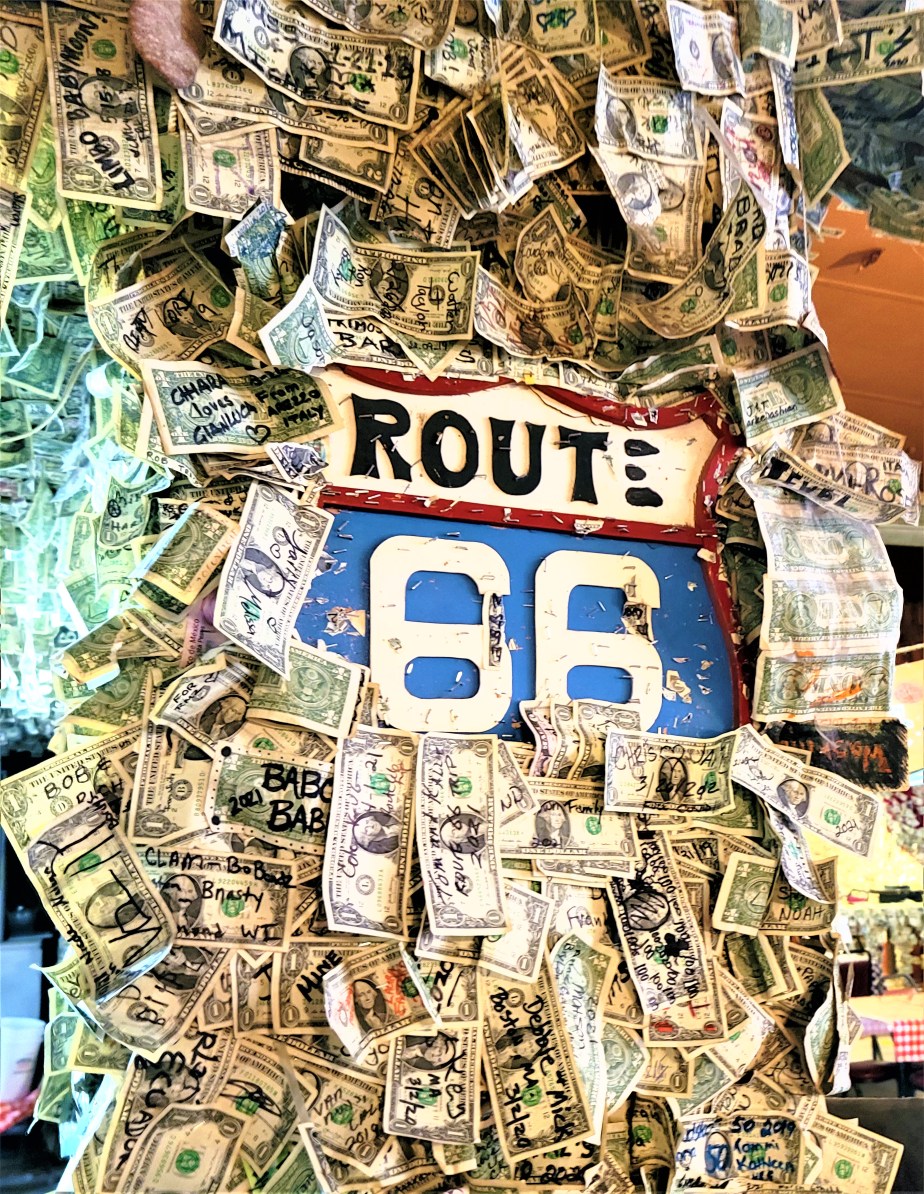
Oatman Hotel, Restaurant & Bar–live music and 300,000 one dollar bills tacked to the walls.
The burros seemed non-plussed with all the action but then again, as the reenactment happens several times daily they probably were in a been there, done that kind of mode. And yes, maybe there was a little jealousy because for the most part, the burros are the main attraction in this old west town. They even have their own Facebook page. Though Oatman once had its glory days when it was a boomtown. That was back in 1915 when two miners struck gold—about $10 million dollars’ worth. The population swelled to 3500. But Oatman was a settlement well before that dating back to when gold was first discovered in the 1860s though they didn’t get a post office until 1906.
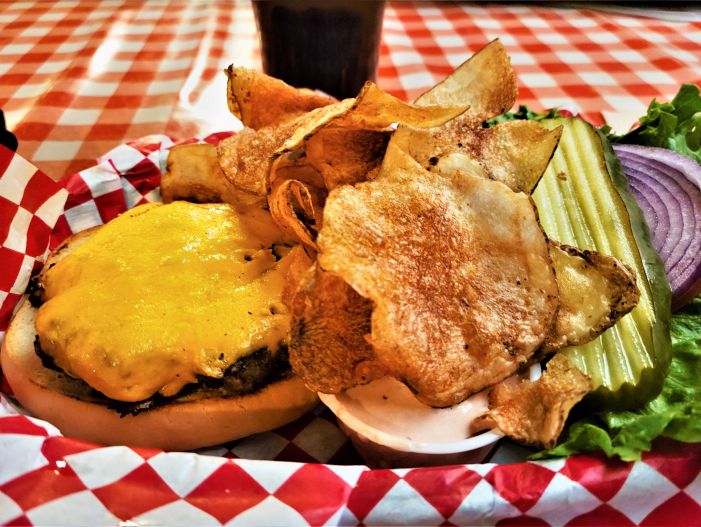
Oatman Burger
When the gold ran out, the mine shut down in 1924. But because Oatman was on Route 66 it managed to hang on even after an Interstate further was built further north. Not being a major stop on a highway was a good thing for history buffs and probably the mules. Most of the buildings are original to the late 1800s and early 1900s since no fast food franchise or other chains set up shop here and there was no need for burro removal. So Oatman remains as it was over a century ago.
But there’s been a steep drop-off in population and according to the 2010 Census 128 people inhabit Oatman now. As for how many wild burros live in or around town on any given day hoping to be fed by tourists, that’s hard to say. I counted seven but there may be more.
And, of course, you have to count the two ghosts who are said to haunt the Oatman Hotel. One is William Ray Flour, an Irish miner who over-imbibed one too many times and died behind the hotel. Known as Oatie, it seems that since he was staying at the hotel he decided to haunt it. But Ollie, whose real name was Olive Oatman, is the real star when it comes to the town’s ghosts. Back In the 1850s, she was traveling with her family from Illinois when they were attacked by members of the Yavapai tribe. Of the nine Oatmans, six were killed immediately while Olive and her younger sister Mary were taken into captivity. Olive believed her brother Lorenzo was among those killed, but it turned out he was just grievously injured and left for dead.
About a year later, the sisters were traded for beads, horses, some vegetables and blankets to the Mohaves (we spell it Mojave now days) and off they went with their new captors. Somewhere along the line, Olive and Mary had their chins tattooed with the image of a Mohave blue cactus and photos taken of her on display in town show a very pretty woman with a complicated tattoo on her chin. It isn’t known if Olive considered herself a captive after spending five years with the Mohave or whether she was now part of the tribe. Some stories say she had two children with one of the Mohave men and the cactus tattoo was a sign of acceptance. But whatever was going on, times got tough when a severe drought hit the area and Mary along with other Mohaves died of starvation.
In the meantime, Lorenzo, who was looking for his sisters, discovered that Olive was alive and authorities at Fort Yuma negotiated her return in exchange for more goods.
Now here is the intriguing part. Though much of what happened to the Oatman family occurred near Oatman, it doesn’t appear she ever lived there. She ended up marrying a banker who made a fortune and they lived in New York and Detroit. A book written about the family’s experience helped fund both Olive and Lorenzo attendance at the University of Pacific. As for the book itself, Olive’s husband bought up as many copies as he could and had them destroyed
So why she haunts Oatman, I’m not sure but I guess it could be because the town is named after her. I’m also not sure why movie stars Clark Gable and Carole Lombard, who are said to have honeymooned at the Oatman Hotel when they married in the 1930s, still haunt the room where they stayed. If I were a movie star of the Silver Screen era, I’d be haunting the Beverly Hills Hilton instead.
The Oatman is no longer a hotel, and the upstairs is now a fascinating museum of its mining days. But the restaurant remains open and its walls and even part of the ceiling are covered in one dollar bills. Since It’s composed of two rooms and a bar, that’s a lot of money. Our waitress says they estimate the total to be around $300,000. We added a dollar of our own with one of the two staplers they keep on hand just for that.
The Oatman burros have a much better gig than their forebears. They’re supposedly wild but as one of the main attractions in town, they stand in the middle of Route 66 barely glancing at the cars they’re blocking. and crowd the wood sidewalks in front of the stores. I had to step out in the road to get around one who seemed to think he had more rights than me—and that’s probably true since I was just visiting. Several vendors sell burro food and so the burros are kept busy having their photos taken, eating food from visitors’ hands or being hugged by young children. A baby burro had a label attached to its forehead saying not to feed it. Instead we watched as it drank milk from its mother.
Burros being burros, they don’t seem to change emotions no matter what’s going on around them.
So I finally got to see burros and visit a ghost town, all for the cost of a bison burger and Burro Ears (which the menu assured me weren’t from burros but were actually house made potato chips, thinly sliced and fried, and served with a sour cream/salsa dip) at the restaurant along with a dollar bill stapled to the wall. Overall, it was a much better deal than playing the slots in Vegas.
Other menu items included Stinky Cheese Fries–cheese fries topped with grilled garlic, Burro Drop (a town joke since Route 66 as it goes through town has to be cleaned up constantly from, well, you know—burro drops) which is a skillet dish with hash browns, onions and green peppers topped with gravy and cheese, beef stew, chili, wings, and shakes. Desserts included cakes and pies.
Steak Fingers from Faith, Family & the Feast. Photo by Shannon Rollins.
Beef stew, chili with beans, and bison meat would have been typical fare in mining towns back then though I don’t think the chicken wings and nachos also on the menu would have been common. Overall the trip to Oatman has inspired me to visit other ghost towns wherever I’m traveling and to discover more about the foods eaten when the west was being settled.
Enchiladas from Faith, Family & the Feast. Photo by Shannon Rollins.
4 New Mexico chilis or Cascabel chili stemmed and seeded
2 chili de arbol stemmed and seeded
4 garlic cloves
1 tablespoon sesame seeds
2 teaspoons whole oregano
2 teaspoons whole cumin
5 peppercorns
1 cinnamon stick
4 tablespoons butter divided
1 large white onion chopped
2 cups con de pollo or chicken broth
4 tablespoons butter divided
½ teaspoon allspice
2 tablespoons avocado oil
6 to 8 Corn tortillas
Monterey jack cheese thinly sliced
1 block Queso Fresco
Mexican Crema for topping
Add the guajillo, ancho, New Mexico and de arbol chilis to a stock pot. Cover the chilis with water and bring to a low boil for about 10 to 12 minutes, or until tender.
Strain the chilis from the pot and place in a blender. Add 1 cup of the chili liquid and garlic cloves. Blend well. Pour the contents through a strainer and set aside.
Add the sesame seeds to a medium cast iron skillet over medium-low heat. Stir frequently until they are lightly toasted. Stir in the cumin and oregano and continue to cook for about 1 to 2 minutes, stirring frequently.
Remove the spices from the skillet and place in a grinding rock (mortar and pestle). Add the peppercorns and cinnamon stick and crush into a fine powder. Set aside.
Add 2 tablespoons of butter to the medium cast iron skillet over medium heat. Stir in the onion and cook for about 4 to 5 minutes, stirring occasionally, until the onions are tender.
In a large cast iron skillet, add the remaining 2 tablespoons of butter. Add the blended red sauce. Stir in the chicken broth, crushed spices and allspice. Cook for about 15 to 20 minutes, or until the sauce thickens.
In the medium skillet add the avocado oil, and heat over medium heat. Add the tortillas, one at a time, and cook about 30 seconds per side or just until they are tender. Remove and place on a wire rack or cutting board.
Dip the tortillas in the red sauce making sure to coat both sides. Lay the tortillas flat and layer down the center with onions, 1 to 2 slices of Monterrey cheese and 1 to 2 tablespoons queso fresco. Tightly roll up and place in the large skillet. Repeat with the remaining tortillas.
Cook the enchiladas in an oven heated to 350 degrees F. for 5 to 10 minutes, or until the cheese has melted and the enchiladas are warmed through.
Place on a serving dish and spoon over the leftover red sauce, sprinkle with crumbled Queso Fresco and drizzle with the Crema. Serve immediately.
Kent Rollins’ Steak Fingers
3, 5 ounce cubed round steak
2 cups all-purpose flour
3 tablespoons cornstarch divided
1 tablespoon baking powder
1 ½ tablespoons Red River Ranch Seasoning see substitution below
2 large eggs
1 ½ cups buttermilk
Oil for frying
Cut the steak into about 1-inch strips and set aside.
In a medium bowl, combine the flour, 2 tablespoons cornstarch, baking powder and Original seasoning.
In a separate bowl, whisk together the eggs, buttermilk and remaining 1 tablespoon of cornstarch.
In a deep fryer or Dutch oven add about 3 inches of the oil and preheat to 350 degrees F.
Dredge the meat strips in the flour mixture and then dip in the buttermilk mixture to generously coat. Repeat back in the flour mixture, wet mixture and finish in the dry mixture. Set on a wire rack for at least 3 minutes to let the batter and flour dry which will help it stick to the meat.
Fry the strips about 3 to 4 minutes or until golden brown. Place them on a wire rack. Serve warm.
Recipe Notes
Kent’s Original seasoning is available at KentRollins.com or substitute your favorite all-purpose seasoning or 1/2 tablespoon pepper, 1/2 tablespoon seasoned salt, 1/2 tablespoon garlic powder.
Maple syrup, one of the original cash crops, is the rich and delicious gifts the sugar maples give us every spring–at least for those willing to tap and collect the thin sap that is then boiled down to a thick amber consistency. For Eric and Laura Sorkin of the Vermont-based Camp Runamok, who make barrel-aged and smoked maple syrups, it’s more than just a pancake topping in the morning. One of Runamok Maple’s core missions has always been to educate consumers about the versatility of maple as an ingredient and they recently upped the ante with a variety of fascinating products such as their special-editions syrups including Cocoa Bean Infused made with only two ingredients–organic maple syrup and cocoa bean nibs
The Sorkins also produce jazzy Maple Sparkles (yes, just like the name implies it’s sparkly), and Strawberry-Rose Maple Syrups that can be used as a topping on pancakes and waffles and also in such recipes as Crepes with Sliced Bananas and Peanut Butter Pie.
Now they’ve upped the ante with their their new collection of cocktail mixers includes four syrups – Maple Old Fashioned, Maple Tonic, Smoked Old Fashioned, and Ginger Mule – and three different kinds of bitters – Floral Maple, Aromatic Maple, and Orange Maple. All are made with 100% pure Vermont maple syrup. The cocktail syrups can easily take the place of simple syrup, and will leave cocktail enthusiasts wondering why they hadn’t previously opted for the rich, complex flavors of maple syrup instead. The maple-based cocktail bitters are jam-packed with earthy, botanical flavors and will quickly elevate cocktails with just a few drops. Customers can purchase 250 mL bottles of the cocktail syrups for $16.95 each and 100 mL bottles of the bitters for $11.95 on runamokmaple.com.
The line of cocktail mixers will feature four different syrups – Maple Old Fashioned, Maple Tonic, Smoked Old Fashioned, and Maple Ginger Mule – along with three different kinds of bitters – Floral Maple, Aromatic Maple, and Orange Maple.
“At Runamok Maple, we have been creating cocktails using our infused and smoked maple syrups since we started production,” said Laura Sorkin, co-founder of Runamok Maple. “Through our experimentation over the years, we have come to realize that our maple-based creations are, to this day, some of our favorite cocktails. With the launch of our new cocktail syrups and bitters, we want our customers to experience those same flavors that we have been sharing with our family and friends.”
Most cocktails feature a touch of sugar, which most commonly comes in the form of simple syrup, but the process can be tedious, particularly for the home bartender, and the taste of the granulated sugar dissolved in water is sweet but plain. Runamok Maple’s new cocktail syrups feature the rich, robust, and nuanced flavors of organic Vermont maple syrup, along with additional flavor notes from high-quality ingredients such as ginger and orange. The cocktail syrups, which are priced at $16.95 per 250 mL bottle, also have the added bonus of already being in syrup form, eliminating the extra step of dissolving sugar.
Made with 100% pure Vermont maple syrup, the Maple Old Fashioned cocktail syrup is an infusion blend of real herbs and spices, without any refined sugar. The syrup features a slight bite from Runamok Maple’s very own bitters, along with the subtle essence of orange and cherry, making it the perfect all-encompassing mixer to add to your favorite bourbon or whiskey. Similarly, the Smoked Old Fashioned cocktail syrup is packed with all of the classic Old Fashioned flavors – only this time Runamok Maple uses its Smoked with Pecan Wood maple syrup to add a unique flavor dimension. Maple syrup and whiskey are the perfect pairing, with each offering complex flavor profiles that bring out the best in the other. The added element of smoke creates the perfect drink to enjoy near a fire on a crisp fall evening.
In addition to the Old Fashioned, Runamok Maple drew inspiration from two more classic cocktails, the Gin & Tonic and the Moscow Mule, for its other cocktail syrups. The Maple Tonic combines Runamok Maple’s signature organic maple syrup with the addition of quinine extract, lemon, and lime, giving the mixer a bright, refreshing taste that will have cocktail drinkers quickly forgetting about traditional tonic water. Mixing the Maple Tonic cocktail syrup with gin and seltzer water makes for an easy and delicious summer cocktail. Like the others, the Maple Ginger Mule cocktail syrup features 100% pure Vermont maple syrup as its base. Runamok Maple then infuses fresh ginger and lime into the cocktail syrup to give it a crisp, zesty flavor profile and a cleaner overall taste than mixers that use artificial flavors.
On the back side of each cocktail syrup bottle and on their website, customers will find a suggested cocktail recipe to use with each syrup, including the Amber Old Fashioned (using Maple Old Fashioned), Tapper’s Tonic (using Maple Tonic), Leather & Velvet (using Smoked Old Fashioned) and Green Mountain Mule (using Maple Ginger Mule).
Launched alongside the cocktail syrups is Runamok Maple’s collection of cocktail bitters. Made in the traditional way with all-natural herbs and root extracts infused in alcohol, Runamok Maple delivers its version in a maple base. Though they’re maple-based, the bitters pack a punch, like traditional bitters, and just a few drops can take a cocktail to the next level. Each 100 mL bottle of bitters is priced at $11.95.
With notes of cardamom and ginger, the Floral Maple bitters combine botanical complexity and subtle aromas with a smooth maple base. The addition of rose, citrus, and clove makes these bitters perfect for any gin or vodka cocktail. Built on a warm base of maple, cinnamon, clove, and allspice, the Aromatic Maple bitters meld perfectly with the flavors of darker spirits, like bourbon and whiskey, and even feature subtle tasting notes of sarsaparilla and vanilla bean. Lastly, the Orange Maple bitters are perfect for brightening up any cocktail – whether fruity or neat. The citrus aromas, layered on top of a subtle maple base, make it a wonderful addition to cocktails made with vodka, gin, and even bourbon.
Runamok Maple’s full collection of products – including specialty maple syrups like Bourbon Barrel-Aged, Cardamom-Infused, Cinnamon + Vanilla-Infused, and Pecan Wood-Smoked – are available on runamokmaple.com. The products can also be found on the brand’s Amazon page, as well as at specialty food shops across the country.
For making cocktails, there’s a selection for mixing Manhattans as well as several types of bitters and with Mother’s and Father’s Day coming up, the gift packages should make any parent happy.
The following recipes are courtesy of Camp Runamok.
Roasted Pears with Royal Cinnamon Maple Caramel
2 pears, ripe but not too soft
2 tablespoons butter
2 teaspoons granulated sugar
1/3 cup Runamok Royal Cinnamon Infused Maple (can also use Sugarmaker’s Cut Pure, Cinnamon+Vanilla Infused or Whiskey Barrel-Aged)
1/3 cup heavy cream
Vanilla ice cream (optional)
Preheat oven to 375. Peel the pears and then cut them in half. Remove the cores with a melon baller or pairing knife. Slice the pears starting an inch down from the stem, keeping them still attached (if a slice comes off, just roast it next the the pear in the pan and add it at the end).
Find a pan that fits all four halves snugly but in one layer. Put the butter in the pan and heat on the stove until melted. Place the pear halves in and fan the slices gently. Baste with a the melted butter and then sprinkle the sugar on them evenly. Place the pan in the oven and roast for about ten minutes or until they have just begun to brown. Remove from the oven, take the pears out with a spatula and set aside. Pour the maple syrup into the pan and heat to a boil. Add the cream and stir, cooking about another five minutes until the sauce has thickened.
To serve, put two pear halves on a plate and drizzle with the warm maple caramel sauce. Add a dollop of vanilla ice cream if you like. Serves 2.
“If they are not crispy, chicken wings can be a big disappointment,” writes Laura Sorkin in this introduction to Wings with Maple Hot Sauce. “I never cared for them until I tried a recipe that involved baking them in high heat for almost an hour. Wow, what a difference. Most of the fat is rendered, leaving crispy skin and tender meat. Wings are now my son’s yearly request for his birthday dinner and we are always game for trying new sauces.
“Runamok Consiglieri, Curt Alpeter is all about wings and developed this sauce using the Cardamom Infused Maple for the sweet counterpart to the heat of Texas Pete’s. Curt is from Ohio which is near enough to Buffalo, New York that we are going to allow that he is a wing expert by proxy. He has related to me that the chopped scallions and cilantro are key. I did not include measurements because it should be a little-of-dis, little-of-dat kind of dish.”
Wings with Maple Hot Sauce
Chicken wings
Vegetable oil
Salt and pepper
Texas Pete’s Hot Sauce or similar
Runamok Cardamom Infused Maple Syrup
Butter, softened
Scallions, chopped
Fresh cilantro, chopped
Preheat oven to 400. Place wings in a sturdy pan, making sure there is enough room for a single layer. Drizzle just a tad of vegetable oil and sprinkle on some salt and pepper. Place in the oven and bake for about 25 minutes. Remove the pan from the oven, flip the wings over and return to the oven. Bake until crispy and brown, about another 20 – 30 minutes.
In the meantime find a bowl large enough to hold all the wings. Pour equal amounts of hot sauce and maple syrup and butter. If you are cooking a few pounds of chicken, try 1/4 cup of each. Combine with a fork, mashing up the butter and blending it. Don’t worry if the butter leaves chunks, it will melt when you add the hot wings.
When the wings are fully brown and crisp, remove them from the pan with a slotted spoon and put in the bowl with the sauce. Add scallions and cilantro. Toss until coated and serve immediately with plenty of napkins.
Sparkly Maple Bourbon Smash
2 ounces bourbon
1 ounce Runamok Maple syrup (Sparkle Syrup or Sugarmaker’s Cut)
Get Peached–meaning to be flavored smitten–is particularly apt if you’re in an experimental mood when it comes to food. Personally I think you always learn a lot about cooking when you venture outside your comfort range. By doing so either once in a while or really even more often, no telling what you’ll discover.
That’s one reason why I enjoyed chatting with Eric Silverstein who first started cooking from his Austin, Texas food truck, The Peached Tortilla and now runs a restaurant with the same name. He recently wrote “The Peached Tortilla: Modern Asian Comfort Food from Tokyo to Texas” (Sterling Epicure 2019; $16.99 Amazon price).
A former attorney who decided to pursue a different career path by merging his passions of food and business. Eric was born in Tokyo, Japan. There he was heavily influenced by Japanese, Chinese and Malaysian cuisine and then, moving to Atlanta, Georgia at the age of ten, he learned about traditional Southern cuisine. These divergent flavors and cuisines serve as the backdrop for The Peached Tortilla’s menu.
The recipes are Asian versions of American south and Italian food—fried chicken and arancini—those fried rice balls stuffed with mozzarella. If you think of it like that, you can see the possibilities of melding the the three. When I asked Eric for recommendations for readers just getting use to Asian/American/Italian fusion cuisine, he suggested the Umami Chicken because it is a best seller at his restaurant. He also suggested his deep-fried risotto balls stuffed with pureed kimchi and mozzarella cheese because he never met a person who didn’t love them.
Deep-fried risotto balls stuffed with pureed kimchi and mozzarella cheese
“They are so easy to just pop in your mouth, and the fusion element makes the kimchi approachable,” he says.
Kimchi is a Korean dish using salted and fermented vegetables (typically cabbage) that also has chili powder, ginger and other spices. It’s very similar to sauerkraut but spicier and without the vinegary tartness.
He’s adapted his recipes for home cooks. For example, with the Unami Fried Chicken, he calls for par-baking before frying as it’s difficult to control the temperature of a deep fryer at home. By doing that there’s still the crispness of fried chicken without the complications of temperature control.
1 (3 ½-4 pound) chicken, broken down into 2 legs, 2 thighs, 2 whole wings, and 4 pieces of breast (breast is split)
To Make the Marinated Chicken
Puree all the ingredients, except for the chicken in a blender. Marinate the broken-down chicken in the fish sauce marinade overnight in a large airtight container or resealable bag.
For the Batter
1 ½ cups rice flour
Whisk the rice flour and 1 ½ cups of cold water in the mixing bowl and set the batter aside. The consistency of the mixture should be thick enough to heavily coat the back of a spoon.
As the batter sits, the rice flour will slowly separate from the water. So make sure to whisk the batter right before you dip the chicken into it.
quarts vegetable oil
Place the pieces of chicken on a baking sheet. Set the oven to 350⁰F and bake the chicken for 30 minutes. Using a meat thermometer, check the temperature of the chicken while it is in the oven to make sure it reaches 165⁰F. It’s best to take the temperature of the thickest part of the breast, since this is the thickest cut of meat you are cooking off. When the chicken is at temperature, remove it from the oven and set it in the refrigerator to cool. You can remove the chicken from the refrigerator when it is cold to the touch.
Once the chicken has cooled in the refrigerator, heat 2 quarts of oil to 350⁰F in a medium-sized pot.
When the oil is at 350⁰, coat the parbaked chicken in the rice flour batter and then place the chicken in the hot oil. The rice flour batter should be thick enough, so it does not run off the chicken. If the rice flour batter has been sitting for a few minutes, make sure to give it a stir right before you dip the chicken in the batter.
Let the chicken cook in the oil for 2-3 minutes. It should turn a robust brown. Do not let the chicken get too brown or dark.
Remove the chicken from the oil and place it on a cooling rack with a rimmed baking sheet underneath it for 2 minutes before serving.
Kimchi Balls
Serves 5-8 / Makes about 30 balls
5 cups chicken broth
1 ¾ tablespoons butter
¼ small yellow onion, diced
Pinch of kosher salt
Pinch of freshly ground black pepper
1 cup Arborio rice
¼ cup + 2 tablespoons Kimchi, pureed
¼ cup + 2 tablespoons Parmesan cheese, grated
1 ½ cups shredded mozzarella cheese
2 tablespoons Sriracha
In a medium-sized pot, warm the chicken broth over medium heat. Keep it warm over extremely low heat.
Add the butter to a wide, round pot and stir it over medium-low heat, until it starts to melt.
After the butter has melted, add the diced onion to the pot and sauté it in the butter until it becomes translucent. Season the sautéed onion with salt and pepper.
Add the Arborio rice to the pot and sauté it until it has browned.
Ladle or spoon the warm chicken broth into the rice mixture over the medium-low heat. Start by adding ½ cup of the chicken broth at a time, stirring the rice until it absorbs the broth. This is a similar process to making risotto.
Once the broth is absorbed, add more broth to the rice. Continue to cook the rice and add the broth until you have used all the broth. The entire process should take about 45 minutes. At the end of the process, the Arborio rice should be cooked al dente.
Place half of the kimchi, Parmesan, mozzarella, and sriracha in the bottom of a large baking sheet. Add the cooked Arborio rice to the baking sheet, then cover the rice with the remaining kimchi, mozzarella, and sriracha. Stir the mixture together with a heatproof spatula. The cheese should melt from the heat of the rice.
Refrigerate the mixture, uncovered, for 3-4 hours or preferably overnight.
Kimchi
1 cup, all-purpose flour
2 eggs, beaten
1 ½ cups panko breadcrumbs
2 quarts vegetable oil
½ cup Wasabi Mayo (recipe included below)
½ cup Sriracha Mayo (recipe included below)
Place the flour, eggs, and panko into separate mixing bowls or shallow vessels. Line them up to create an assembly line.
Moving from left to right, dredge the rice balls in the flour, then the egg mixture, and then roll them into the panko. By the end of the process, the balls should have a nice panko coating.
Heat the 2 quarts of oil in a Dutch oven or deep cast iron skillet. Once the oil reaches 350⁰F, drop the kimchi balls into the hot oil. The balls should turn golden brown after about 1 ½ – 2 minutes. If the balls start to get a little bit dark, remove them from the oil. If the internal temperature is hovering around 100⁰F, place them back in the oil for another 25-30 seconds or until they reach an internal temperature of 140⁰F.
When the rice balls are done, transfer them to a plate covered with a paper towel.
To plate the dish, top the Kimchi Balls with a little Wasabi Mayo and Sriracha Mayo.
WASABI MAYO
Makes 1 ½ cups
1 cup mayonnaise
2 tablespoons Dijon mustard
2 tablespoons prepared wasabi paste
¾ tablespoon lime juice
½ teaspoon sesame oil
Place all the ingredients in a mixing bowl and whisk them together. Store the mayo in an airtight container in the refrigerator for up to a month.
Sriracha Mayo
Makes 1 ¼ cups
1 cup mayonnaise
¼ cup Sriracha Sauce
½ teaspoon Rice Wine Vinegar
Heavy pinch of salt
Place all the ingredients in a bowl and whisk them together until they are well incorporated. Pour the mayo into an airtight container and store it in the refrigerator for up to a month.
A warm welcome to Jeremy Murchland, president of the global travel insurance company, Seven Corners, who has taken the time to explain two travel insurance options in the following guest post.
Cancel and Interruption for Any Reason Coverage: The Difference Between Two Flexible Travel Insurance Options
Whether it be for work or leisure, over the course of the past year, frequent travel has come to a standstill due to the ongoing COVID-19 pandemic. With the recent development of a long-awaited vaccine, many are eager for mobility and hopeful to begin making travel arrangements for the upcoming year as the world tries to return to a sense of normalcy.
However, as 2020 revealed the unpredictability of the pandemic, travelers may still be reluctant to book trips due to lingering uncertainty. Travelers need assurance that they and their wallets will be protected when booking their next trip. That’s why the travel insurance industry offers protection plans that allow for cancellation or interruption of travel plans for any reason. As the world is becoming more restless to get back on our feet, Cancel for Any Reason (CFAR), and a newer benefit, Interruption for Any Reason (IFAR), are great additions to coverage plans that can provide customers with the confidence they need to book their next trip during these trying times.
Located on the gorgeous Adriatic Sea, Albania is open.Seven Corners’ Facebook page keeps travelers updated on countries opening up to travelers and what the requirements are for going there.
Seven Corners, an award-winning international travel medical and trip protection insurance company dedicated to protecting the safety, security, and health of our customers, has experienced an increase in calls from customers asking how CFAR and IFAR could be of benefit. Our team put together frequently asked questions and answers regarding what CFAR and IFAR are, what they cover and how they can be useful when preparing for a trip.
What is CFAR? CFAR is an optional benefit offered on certain trip protection plans that allows travelers to cancel trips for any reason not otherwise covered. Customers will be reimbursed up to the maximum benefit amount shown in the schedule of benefits for the unused, forfeited, prepaid non-refundable payments or deposits for the travel arrangements you purchased for your trip, when you cancel your trip 48 hours or more before your scheduled departure date for any reason not otherwise covered by the policy.
Croatia welcomes visitors back.
When is CFAR beneficial? CFAR can help travelers if they must cancel trips due to change of mind, financial hardships or reluctance to travel due to lingering concerns over COVID-19. Most especially, since the onset of COVID-19, travelers want the option to cancel their trip if they become fearful about traveling. Fear is not a covered reason for trip cancellation, so CFAR is the only way to ensure you can cancel if you’re afraid to travel. Additionally, if travelers are nervous about planning international trips such as honeymoons, spring break plans or destination weddings due to COVID-19 concerns, CFAR may be a good option.
What is IFAR? IFAR, Interruption for Any Reason, is an important option for coverage plans in today’s travel climate that gives travelers the option to interrupt their trip once it has already begun. IFAR is being added to plan designs in response to the large increase in travelers purchasing CFAR during the COVID-19 outbreak of 2020.
Seven Corners offers tips on what to see when traveling in such destinations as Canada
When is IFAR Beneficial? IFAR could be beneficial to travelers for a variety of reasons. Here are a few examples:
Three days into the first leg of your trip you have a disagreement with your host and want to leave, so you decide to go to your next destination early.
You are traveling and learn your dog at home is ill, and you wish to return home early.
You have a falling out with a friend with whom you are traveling and want to come home early.
You have an unexpected financial crisis and want to go home early.
You receive a call while traveling and learn your house was destroyed by a fire or tornado, and you want to return home immediately to see what remains and take appropriate next steps.
You are not comfortable with the steps your resort is taking regarding COVID-19, so you decide to return home early.
Jeremy Murchland, President of Seven Corners
With IFAR coverage, if one must interrupt their trip, travelers will be reimbursed up to the maximum benefit amount shown in the schedule of benefits for the additional transportation cost to either:
Join your trip if you must depart after your scheduled departure date or travel via alternate travel arrangements; or
Rejoin your trip from the point where you interrupted your trip to the next scheduled destination; or
Transport you to your originally scheduled return or final destination of your trip.
What is the difference between IFAR and CFAR? You should add CFAR to travel plans if you could potentially cancel your trip before you’ve departed, and CFAR typically requires you to cancel 48 hours or more before your scheduled departure date. IFAR comes into play after you’ve already departed on your trip but no sooner than 48 hours after departure.
Both CFAR and IFAR reimburse you for 75% of your nonrefundable and insured trip costs if you cancel or interrupt for a reason not otherwise covered.
What is the cost of CFAR and IFAR? Travelers can expect most CFAR benefits to increase trip insurance costs by 40% to 50% because the plan now includes much wider coverage for trip cancellation. IFAR is a much less expensive option. With CFAR and IFAR, travelers can cancel or interrupt their travel plans for any reason they wish. The increase in price occurs because the insurance company now bears an increased risk.
How do I know if I qualify for CFAR or IFAR? To qualify for CFAR and IFAR travelers must:
Purchase the benefit within the time sensitive period. This is typically 20 days after you make your initial trip deposit or payment.
Insure the full cost of any subsequent arrangements added to your trip within 15 days of the date of your payment for them.
For CFAR, you must cancel your trip two or more days prior to the scheduled departure date of your trip. For IFAR, you must interrupt your trip 48 or more hours after the actual scheduled departure date.
It is important to note these benefits do not cover penalties associated with travel arrangements not provided by the travel supplier for the trip.
Effective March 1, Seven Corners is updating their RoundTrip plans to include optional IFAR. The new RoundTrip Choice plan will also include primary medical coverage for accidents and illnesses that occur on your trip and an increased amount of trip delay coverage. Both Choice and Basic have increased emergency accident and sickness medical coverage and additional covered reasons for trip cancellation and interruption.
CFAR and IFAR are beneficial travel insurance options for travelers eager to return to normalcy. With these flexible travel insurance benefits, travelers have a way to expand coverage for unforeseen cancellations or interruptions that could affect travel plans.
I often spend what seems like hours reading the labels on the food products I’m considering buying at the grocery store. And I always find unpleasant surprises such as how a simple can of kidney beans often contains either high fructose corn syrup or sugar If you didn’t look you wouldn’t know and you’d be adding unnecessary calories to your chili or whatever dish you were planning to make. And who needs extra calories? Who wants sugar in their beans? I certainly don’t. And so I was happy that my friend Kath Beyer sent me some fascinating information on Pyure that takes stevia plants and refines them into a powerful but non-caloric sweetener we can use as a sugar substitute. But even better, the article she sent shows how to really read the new nutrition panels on the foods we buy.
Stevia is a plant product that can be used as a sugar substitute
First some background. As much as we love our sweets and sweet tastes, no one wants the extra calories nor what sugar does to our health. There are many sweeteners on the market but Pyure is a line of plant-based, sugar substitutes created for people who want the best sweeteners for both their taste and the health benefits we’re all looking for.
The Pyure Process
It starts with harvesting and drying the highest quality leaves from the best tasting species of organic, non-GMO stevia plants.
Then through a process similar to steeping tea, we extract the very sweetest part of the stevia leaf.
What’s left with is known as Reb A, a fine white powder 350 times the sweetness of table sugar!
For more information, the Sweet Talk blog is filled with information about the benefits of organic and zero-calorie stevia products.
Sugar and the New Food Label
Families using Pyure are taking a step towards more healthy eating.
First the Really Bad News
We as Americans consume WAY too much sugar. According to the U.S. Dietary Guidelines, the average person consumes approximately 17 teaspoons per day or 270 calories from added sugars. The World Health Organization recommends limiting added sugar to 10% of our total daily calories (about 50 grams for a 2000 calorie diet) while the American Heart Association recommends a limit of 24 grams per day (6 teaspoons) for women and 36 grams per day (9 teaspoons) for men.
That means we are typically eating almost three times the AHA recommendations. According to the FDA, scientific data shows that it is difficult to meet nutrient needs while staying within calorie limits if you consume more than 10 percent of your total daily calories from added sugar.
The new nutrition label makes it easier than ever to identify sugar and added sugars in your food.
Identifying added sugars on the label.
Naturally occurring sugars are found in foods like fruits, veggies, and dairy products like milk or plain unsweetened yogurt. These nutrient-dense foods are encouraged as part of the U.S. Dietary Guidelines, and the sugar grams found in them will count towards the total carbohydrates on the label.
The new label also requires listing “Added Sugars” in grams and as a percent Daily Value (%DV). The added sugars category includes sugars that are either added during the processing of foods or are packaged as is, like a bag of white sugar. It also includes sugars from syrups and honey, sugars from concentrated fruit or vegetable juices and sugar added to dried fruit.
The question of “refined sugar” can be confusing. Bottom line. When it comes to our bodies, sugar is sugar. Agave, coconut sugar and pure maple syrup may be marketed as better for you, but they are still 100% sugar and all count towards the proposed daily limits for added sugars.
The new labels are a huge improvement for savvy consumers because until now it was impossible to distinguish the amount of sugar that was added to foods containing both naturally occurring and added forms of sugar like flavored yogurt or a fruit and nut granola bar.
What about low and no calorie sweeteners?
Low and no calorie sweeteners like stevia are not included in added sugars since they do not provide significant calories, carbohydrates or behave like sugar in the body. That’s important for the more than 100 million Americans living with diabetes or prediabetes, as well as diseases like low blood sugar.
Since stevia is 200 to 300 times as sweet as sugar only a tiny amount is needed to achieve the sweet taste we look for in our favorite foods. That makes stevia or products sweetened with stevia an easy way to help manage the amount of sugar we consume.
Where do you find sugar alcohols on the label?
Since sugar alcohols fall into their own category, they have their own line on the nutrition facts panel. Sweeteners, like erythritol, that contribute zero calories per gram do not affect glucose or insulin levels, but they are counted in the total carbohydrate content on the food label.
That adds a bit of confusion, so there is a separate line for these sugar alcohols under the “sugars” line on the food label. To calculate the “net carbs,” subtract the fiber and sugar alcohols from the total carbohydrate grams. For example, Pyure Organic Maple Flavored Syrup (1/4 cup serving):
Total carbohydrate: 27 g
Dietary Fiber: 13 g
Erythritol: 10 g
Net carbs = 4 g
Only foods that actually contain sugar alcohols will have the separate line listed on the label, making them easier to identify.
Although the new label is more realistic and designed to be easier to read, when it comes to carbohydrates and sugars, there is still some sleuthing that needs to be done. We hope this breakdown clears everything up for you.
Now we’ve learned about reading labels, let’s take a break and try one of the recipes on Pyure website.
Microwave the cream cheese for 10-20 seconds to soften it. Make sure it doesn’t turn into liquid.
In a medium bowl, whisk the eggs well with a hand whisk.
Add the cream cheese, vanilla, and stevia. Whisk until well incorporated and smooth. This will require some time and patience!
Heat half the butter in two mini nonstick skillets (or use an egg frying pan) over medium heat. Add ¼ of the batter to each skillet. Cook until golden brown and set on the bottom, about 2 minutes. Flip and cook 1 more minute. Transfer to a plate and loosely cover with foil.
Repeat with the remaining batter, adding more butter to the pans.
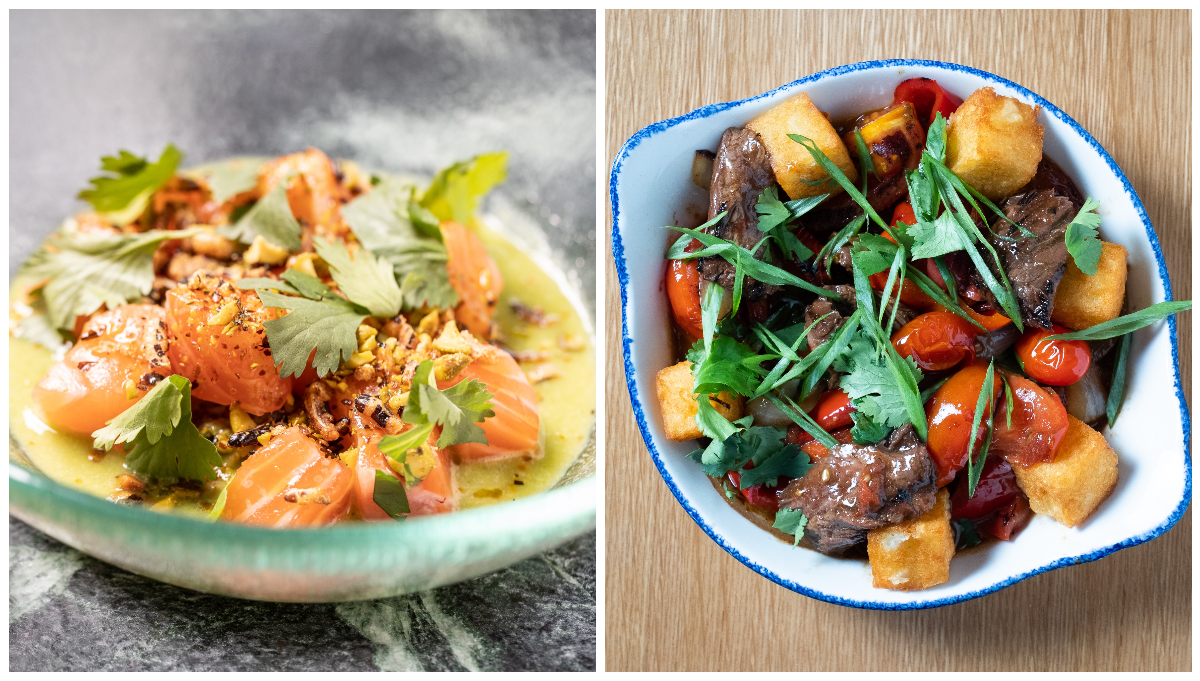
Who isn’t ready to get out of the kitchen? And now with Chicago Restaurant Week starting March 19th and running to April 4th, we have a good reason to put aside our aprons and shut our food-stained cookbooks. Instead let the award winning chefs of Boka Restaurant Group do the cooking while we’re enjoying cocktails and fine glasses of wine and not giving a thought to what’s going on in the kitchen. Even that thought calls for another glass of wine or maybe two. So whether you’re dining-in or dining-out you can revisit your BRG favorites and try new restaurants as well. Special prix fixe menus feature a wide range of gastronomic fare–steaks, seafood, salads, dessert, appetizers, and vegetarian options.
As for BRG, founded by Rob Katz and Kevin Boehm almost two decades ago, it’s now one of the country’s premier chef-driven restaurant groups. Solidified in partnerships with six of America’s most acclaimed chefs, Giuseppe Tentori, Stephanie Izard, Chris Pandel, Lee Wolen, Jimmy Papadopoulos, and Gene Kato, each of BRG restaurants offers their guests conceptual and evocative atmospheric immersions and culinary experiences that are absolutely one-of-a-kind.
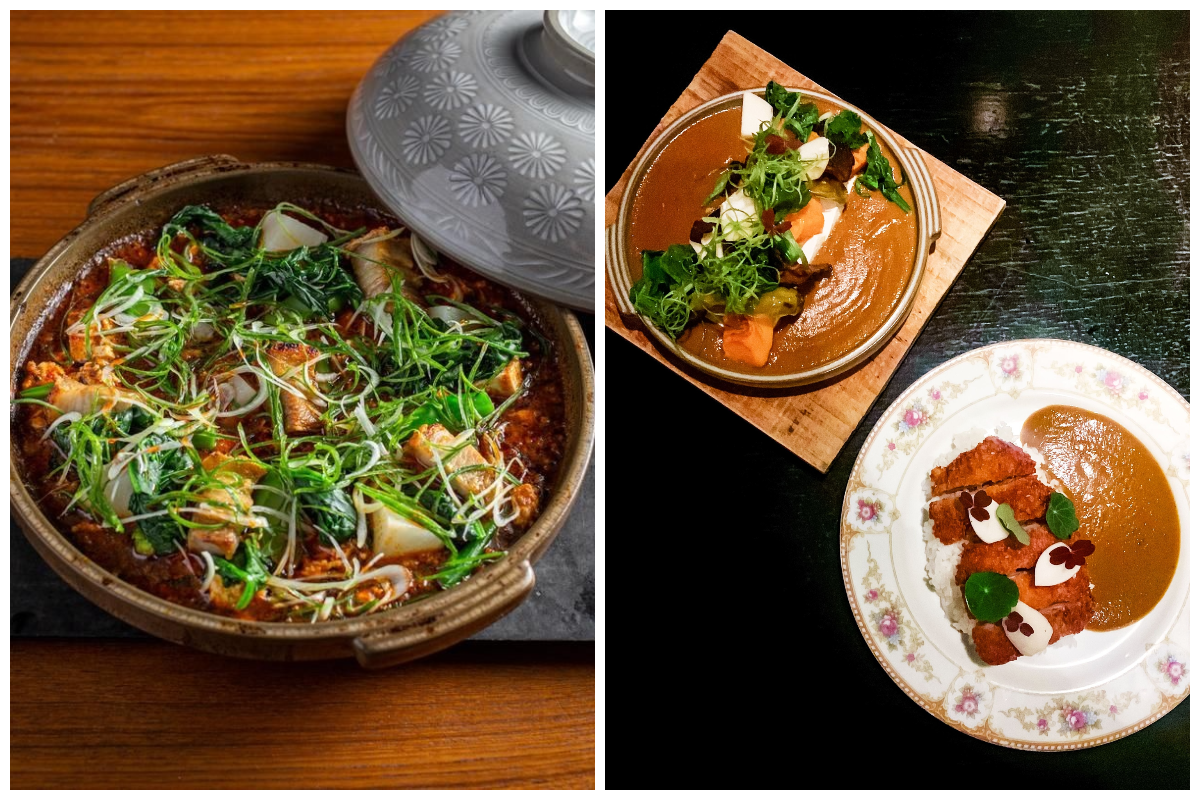
Featuring signature favorites on their prix fixe menu, The Izakaya at Momotaro’s Restaurant Week menu is available exclusively for pickup or delivery. Additional options include signature cocktails such as Monk’s Journey and Kaba Old Fashioned, expertly-crafted cocktail kits, and wine.
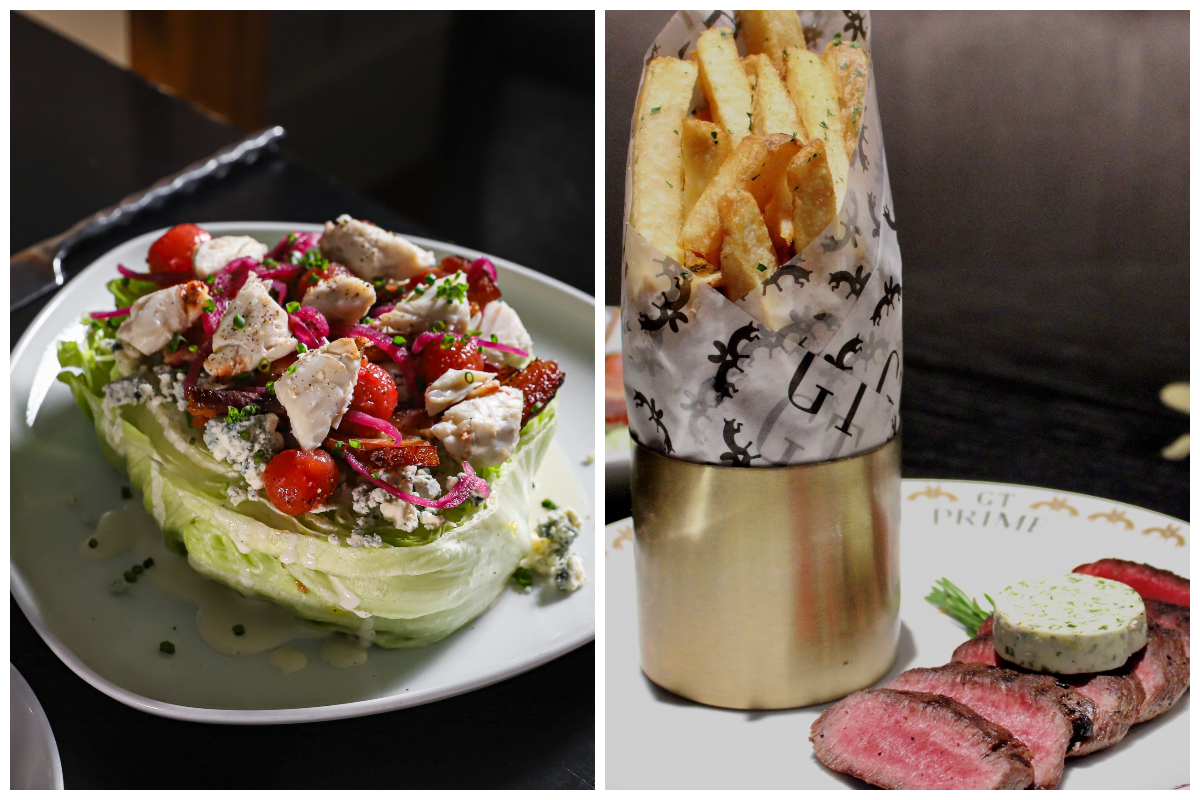
GT Prime Steakhouse is serving a delicious 4-course prix fixe dinner which revolves around your choice of branzino filet or steak frites. Place your order ahead of time as this special menu is only available for pickup or delivery. Don’t forget to add a bottle of specially selected wine.
4 Course Dinner for $55 Takeout & Delivery Only
Starter Shrimp Cocktail
Salad (choose one) Baby Romaine Caesar Wedge Salad
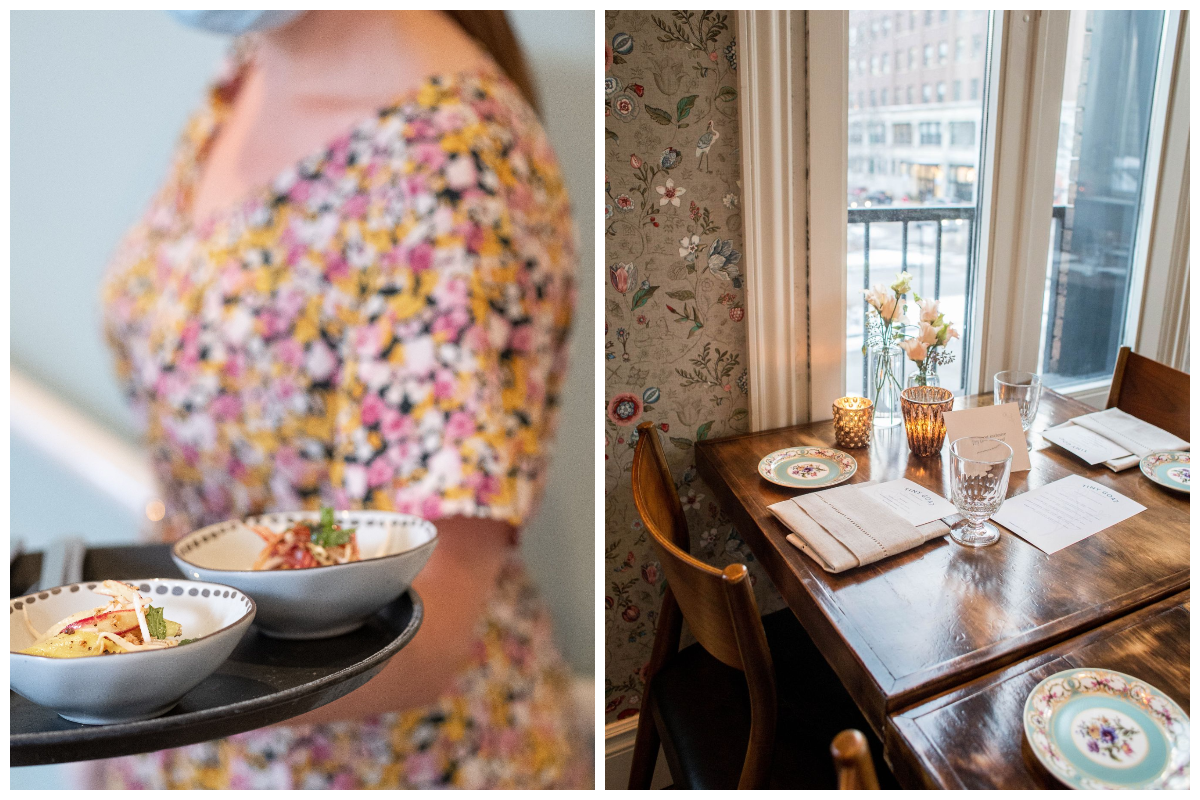
The Goat team is excited to open the Tiny Goat pop-up for Restaurant Week in their bright, airy Hidden Goat dining room above Sugargoat! Join us for a six-course menu created by Chef Stephanie Izard featuring flavors of an island vacation: plantains, tuna poke, shrimp, arroz con granules, curried goat and chef’s pick of dessert.
$55 Dinner Dine-In Only
Plantains Tuna Poke Shrimp Arroz con Gandules Curried Goat Dessert
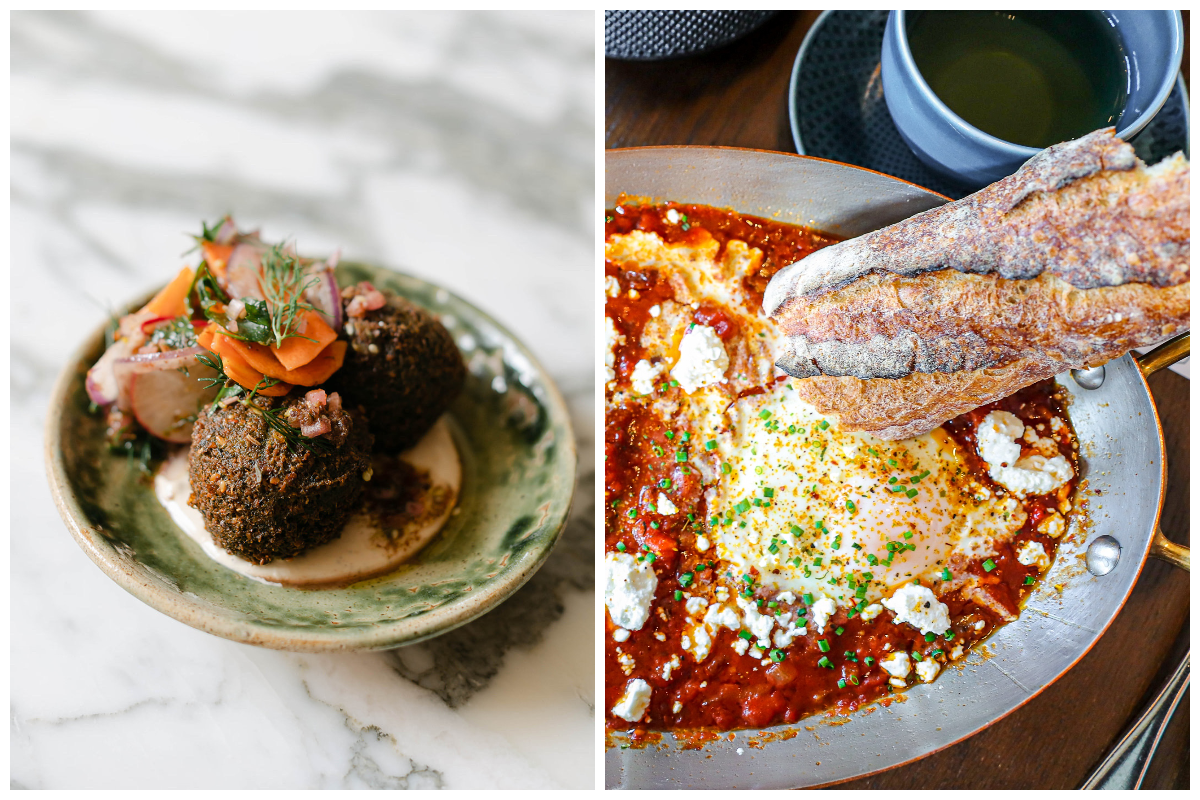
Cira is serving incredible menus for brunch, lunch and dinner! Gather your friends and book your table as these delicious menus are only available for dine-in.
Third Course (choose one) Ancient Grain Bowl Falafel Burger Mortadella Breakfast Sandwich Belgian Waffle Short Rib Hash Smoked Salmon Toast PEI Mussels and Papas
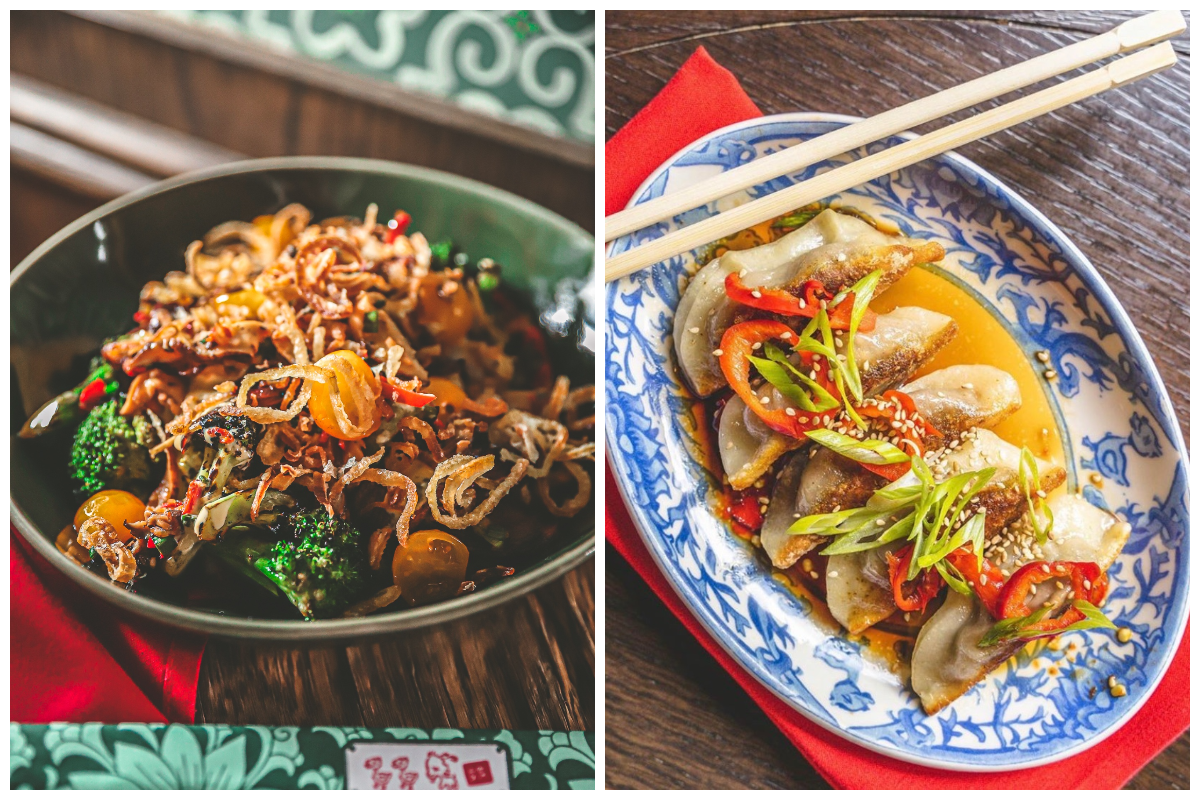
Duck Duck Goat is offering a $39 dinner menu filled with favorites such as Jiaozi Potstickers, Xi-an Goat Slap Noodles, and more! Reserve your table today as this special menu is only available in their dining room.
Duck Duck Goat is offering a $39 dinner menu filled with favorites such as Jiaozi Potstickers, Xi-an Goat Slap Noodles, and more! Reserve your table today as this special menu is only available in their dining room.
6 Course Dinner for $39 (small plates) Dine-In Only
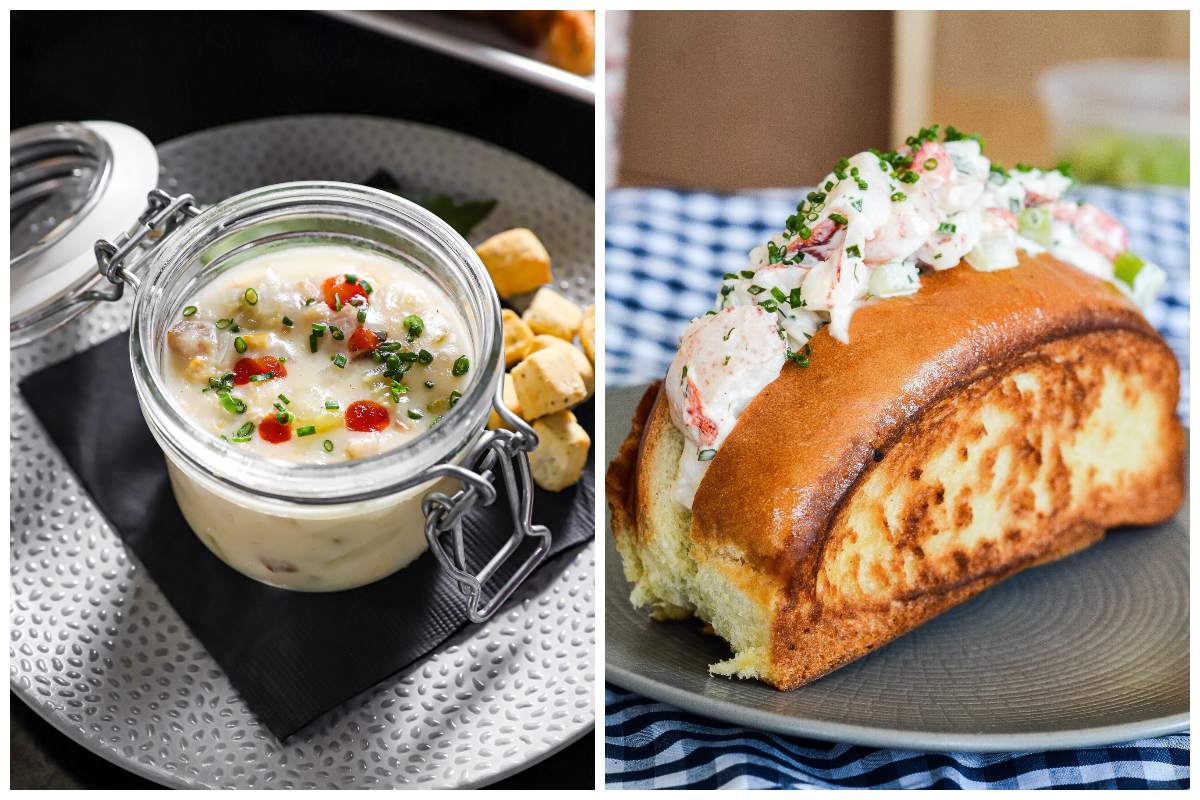
GT Fish & Oyster is offering a 4-course dinner menu revolving around your choice of seafood delights: Oyster Po’Boy, Fish & Chips or Maine Lobster Roll. Additional options include specially selected wine. This delicious menu is only available for takeout so pre-order today!
4 Course Dinner for $55 Takeout Only
Starter Shrimp Cocktail
Entrée Oyster Po’Boy Fish & Chips Maine Lobster Roll
Come to Cabra and enjoy panoramic views of the city while enjoying their Restaurant Week menu filled with favorites like goat empanadas, steak saltado, and more! Reserve a table for you and your friends as this menu is only available for dine-in.
6 Course Dinner for $39 (small plates) Dine-In Only
3600 N. Clark Street, bokagrp.com/restaurants/swift-and-sons-tavern
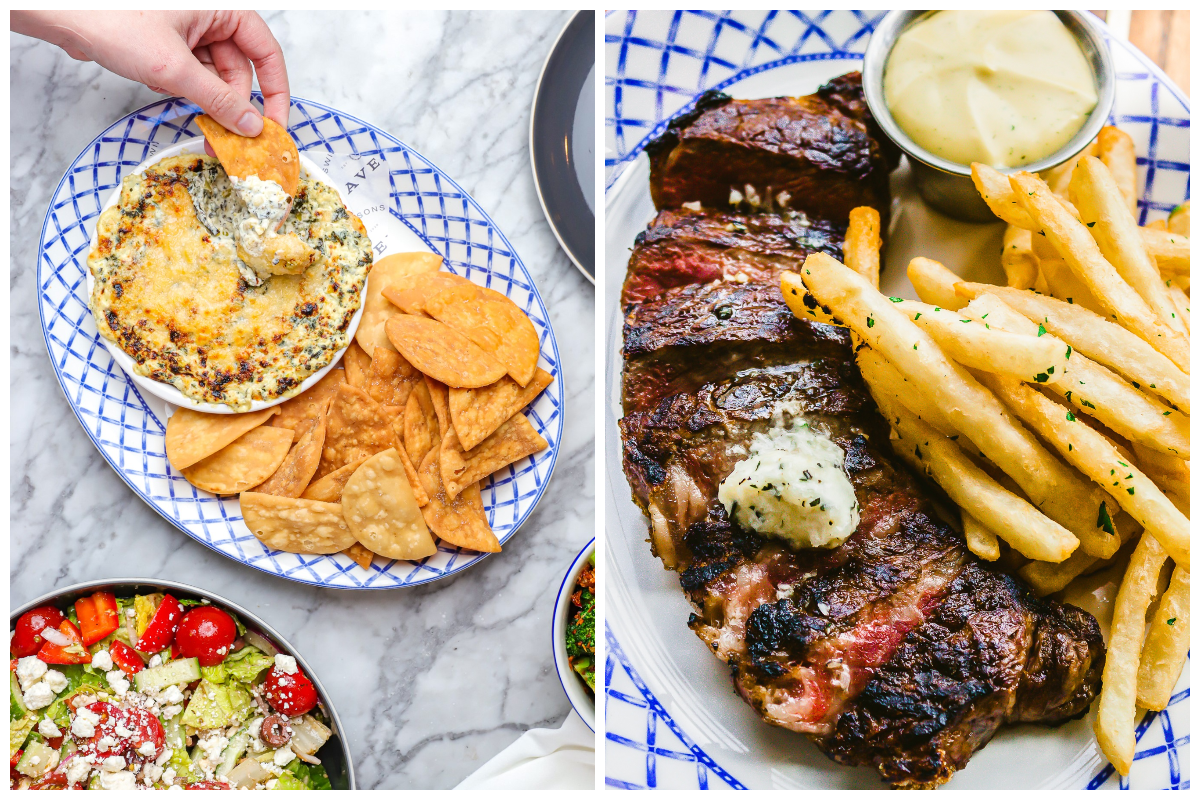
Swift & Sons Tavern is serving up twists on American classics in their $39 3-course menu which includes spinach & artichoke dip, crispy fried Amish chicken, flat iron steak frites, and more! Make your reservation as space is limited and this special menu is only available for dine-in.
3 Course Dinner for $39 Dine-In Only
1st Course (choose one) Pretzel Bites Spinach & Artichoke Dip Sticky Ribs Wedge Swift Caesar
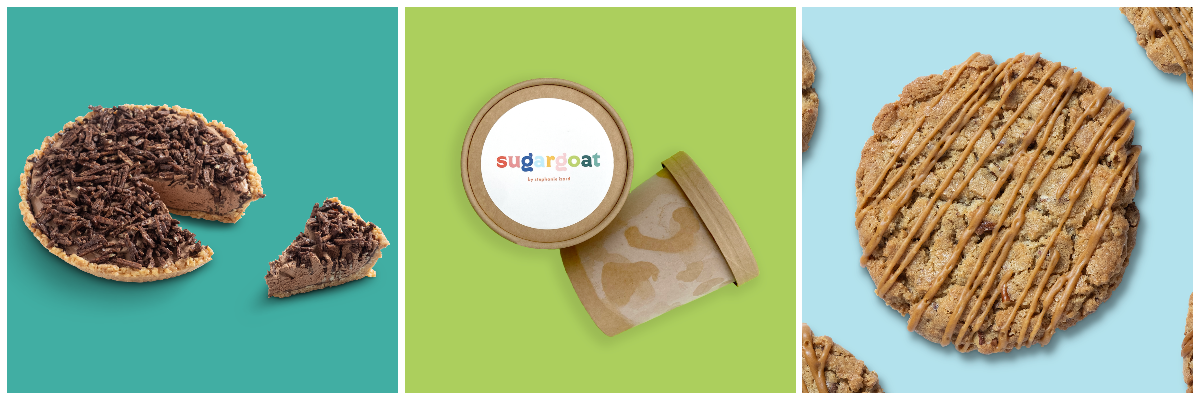
Sugargoat is making its Restaurant Week debut with three $25 to-go options featuring Chef Stephanie Izard’s favorite sweets! Choose from Steph’s Favorites, Build Your Own Sundaes or All of The Cookies – or try them all!
$25 Prix-Fixe Menu Feeds Four or More Delivery or Take-Out *Choose One Option
Option 1: Steph’s Favorites Mini Chocolate French Fry Pie Two Cupcakes Pint of Ice Cream
Option 2: Build Your Own Sundaes Create two to six sundaes with unique tastes and toppings! Two Pints of Ice Cream One Sauce Crunchy Topping
Option 3: All The Cookies Every cookie we offer – all in one delicious place. Two Lemon, Two Almond, Two Cinnamon Roll, One Chocolate Crinkle, One Peanut Butter, One Spiced Pecan, One Oatmeal, One Shortbread, One Chocolate Chip
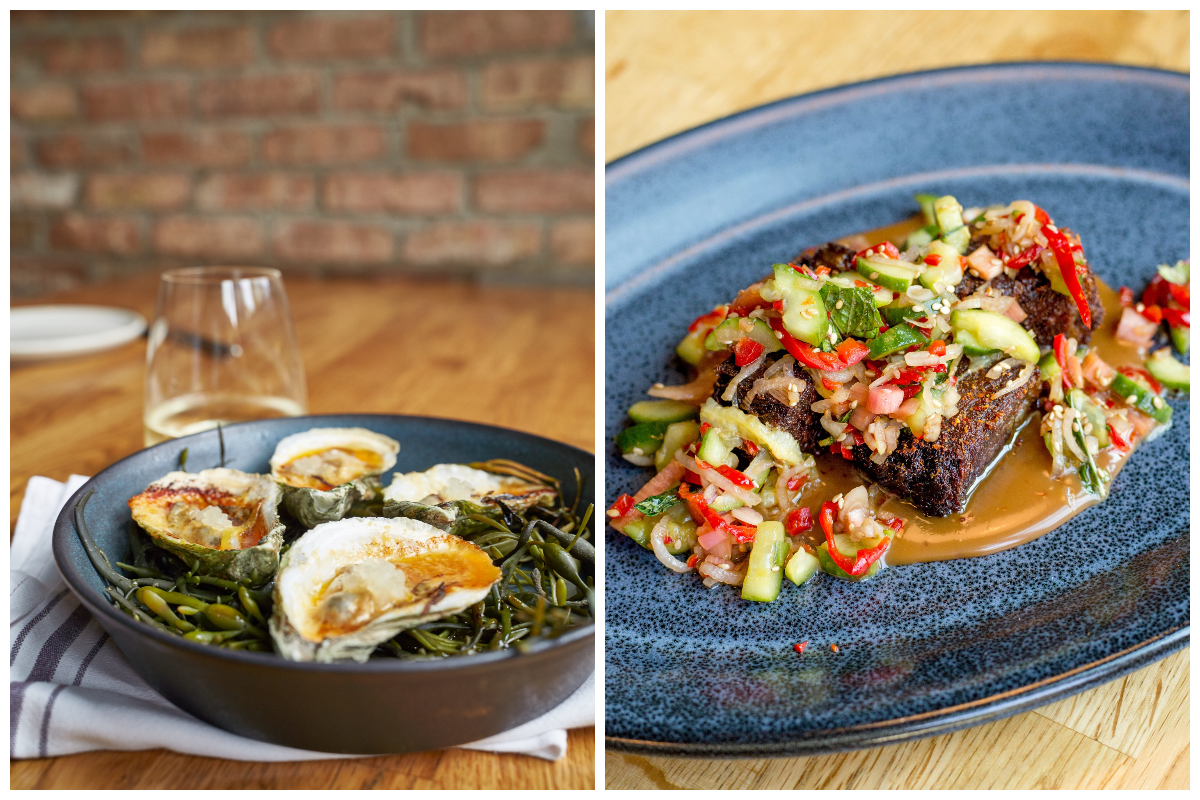
GIRL AND THE GOAT bokagrp.com/restaurants/girl-and-the-goat For the first time ever, Girl and the Goat is participating in Restaurant Week! Things are starting off on a flavorful note, with the menu featuring SIX dishes to feast on with friends.
Girl and the GoaT
$55 Dinner Dine-In Only
Brioche Roasted Bosu Oysters Wood Oven Shrimp & Gotham Greens Salad Crispy Beef Short Ribs Sautéed Green Beans Wood Oven Roasted Pig Face Buttery Cheesy Cake
Lust, who teaches Italian at Dartmouth University in New Hampshire and also cooking classes, grew up in an Italian-American family, learning to cook from her mother and grandmother whose recipes were written by hand on little notecards. Wanting to discover and delve into Italian cuisine because of its meaning to her, she learned to speak Italian and traveled through the country of her ancestors.
“I wanted to see and feel the connections to the traditions and geography of the regions,” says Lust, whose previous book, Pass the Polenta: and Other Writings from the Kitchen, was praised by Frances Mayes, author of Under the Tuscan Sun and Julia Child.
Going deep, she visits relatives and meets the people of the regions’ small towns, going into their kitchens to watch as they prepare food. It’s a constant learning process about the intricacies not only of the broad regional cookery of Italy that many of us are familiar with—that of Florence, Naples, or Sicily but of such places as Maremma, an area in western central Italy bordering the Tyrrhenian Sea and Le Marche, a region sandwiched between the Adriatic Sea and the Apennine Mountains.
“Italian food is very regional, and even in the regions its broken down by cities, and then gets smaller and smaller until each dish is an expression of oneself and it can be an affront and violation if others add ingredients or make changes,” she says. “There’s an integrity to the dish.”
It’s not the way we think of food here. Indeed, to me a recipe is to be altered by ingredients I have on hand so the idea of not changing is a thoughtful concept, one that I will think about. But then again, I’m not making family recipes dating back centuries and besides, old habits die hard.
In Camerano, a town in Le Marche, an 80-year-old woman shows Lust how to hand-roll pasta with a three-foot rolling pin. In Manciano, she masters making Schiacciata All’Uva, a grape flatbread with honey and rosemary that back home in New Hampshire takes her two days to complete.
But, Lust says, you only spend a few minutes in active work as if it were as easy as popping a frozen dinner into a microwave.
Intrigued by the food philosophy of the people she cooks with, she goes beyond recipe and its ingredients to their history and what they represent.
“Acquacotta—such a beautiful word and beautiful dish–but then you find out what it really means–cooked water and that it was born out of poverty made by people who had nothing,” Lust tells me when we chat on the phone.
In her description, acquacotta is a rustic soup that nourished generations of the area’s shepherds and cowhands. It’s her way of adding poetry to food and to people who take such pride in what they cook.
Lust includes recipes in her book, but this is not a glossy cookbook, but rather a lovely and thoughtful journey of rediscovering roots and meaning.
The two of us discuss growing up with ethnic relatives and how important the culture of the table was for us when young. It does seem to be something that is missing from our daily lives and Lust is hoping to reconnect people to food and help them see the importance of taking the time to bring friends and family to the table to enjoy a meal.
In the cooking classes she teaches she demonstrates how to make Italian food and encourages participants to talk to her in Italian. She feels that she is helping forge an important connection that way.
“I have people contact me through the website who said they tried the gnocchi and though they never thought they could make it, they found it was easy for them,” she says with a touch of pride.
On Valentine’s Day in 1923, Harry Diamond, a dashing bootlegger who was a real lady killer, decided that since his rich wife had signed a new will leaving her fortune totally to him, it was time to get rid of her. In a sort of Deadman’s land between Gary and East Chicago, he ordered his chauffeur to check the tires, then shot his wife five times at close range and shot the chauffer as well. Nettie played dead, the chauffeur ran away, and as soon as Harry carried her body into the drugstore she owned, she looked him in the eye and said “You killed me, Harry.”
Nettie in one of the drugstores she owned. A pharmacist, she was one of only seven women to graduate out of a class of 800 or so from Columbia University’s School of Pharmacy.
I recounted the story of this murder that took place in my hometown in my true crime book A Jazz Age Murder in Northwest Indiana. The woman, Nettie Diamond, was a much married pharmacist and businesswoman and her husband (her fifth and last) was a bootlegger and speak easy owned named Harry Diamond. He was like 23 and she was 42.
I was signing copies of my book after a presentation when one of the people who had attended asked me how I had gone from writing about food to writing about murder. I still write about food but the short answer was that my mother had dated Nettie’s son when they both were attending Indiana University way back when and she had told me about their romance–and the murder– shortly before she died. I had known Nettie’s son, whose name was changed from Herskovitz to Hurst as he was my elementary school principal. Anyway, this is turning out not to be such a short answer, but I became fascinated by the case which is so perfectly 1920s and when I was asked about segueing from food to murder, I started asking myself, well…what would have Nettie and Harry eaten?
Below are some recipes that were popular in the 1920s. So who knows? Maybe Nettie would have had her cook (yes, she had one) whip up some of these dishes. As for the drinks, this was Prohibition after all, and I’m guessing that Harry would have served some of his bootlegged rye whiskey. The Journeyman Distillery in Three Oaks, Michigan happens to be making a classic rye whiskey and kindly shared a recipe with us.
Steak houses were big. Instead of using the word oven broiled instead of grilled which doesn’t sound very good at all. But it’s the same concept. Think Jazz Age clothing, lots of cigarette smoke, ice clinking in cocktail glasses, banquettes, and Cole Porter music when making this steak dish using Omaha steaks—as that company was already in business.
Steak Au Poivre
2 (10- to 12- ounce) filets mignons (or substitute your favorite cut such as bavette, rib eye, skirt, porter house, flat iron, or New York strip), at least 1½ inches thick
“Pat the steaks dry with paper towels and liberally season all sides with salt. Place on a rimmed baking sheet and set aside for 1 hour at room temperature. When ready to cook the steaks, heat a large cast- iron skillet over medium heat for 5 minutes. Increase the heat to medium- high and pour in 2 tablespoons of the avocado oil. Heat until oil is shimmering and carefully place the steaks in the skillet.
“Cook, flipping the steaks every 60 seconds, until the internal temperature registers 130° to 135°F on an instant- read thermometer, about 8 minutes. Remove the steaks from the pan and transfer them to a wire rack to rest for 10 minutes. While the steaks rest, wipe the skillet clean with a paper towel, then place it over medium heat. Pour in the remaining 1 tablespoon avocado oil, then add the shallot. Cook, stirring, until softened, 1 to 2 minutes. Stir in the coconut milk and cook, stirring occasionally, until the liquid has reduced by about half, about 2 minutes.
“Add the stock, green peppercorns, thyme, and a pinch of black pep-per. Cook until the sauce has reduced again by half, about 4 minutes. Fold in the ghee and stir until it has melted. Taste the sauce and season with salt and pepper as desired. Slice the steaks against the grain and arrange them on a serving platter. Spoon the green peppercorn sauce over the top and serve.
Photograph by Penny De Los Santos-Diabetic cookbook, Author Amgela Medearis
“People are eating African American food every day, but they don’t know it,” Angela Shelf Medearis says to me when we chat on the phone. In part, she’s talking about James Hemings who, in the complicated way of slavery, trained in the culinary arts in Paris and became a noted chef de cuisine and yet lived most of his life enslaved. Hemings either created or introduced a variety of the foods we eat now such as macaroni and cheese, ice cream, French fries, meringues, crème brulée, and French-style whipped cream. Another dish he created that we don’t eat regularly if at all is his handwritten recipe for snow eggs–soft, poached meringue, set in puddles of crème anglaise.
Hemings was the son of Sally Hemings, an enslaved woman and John Wayles, the man who “owned” her. The two had six children together. Wayles also had a more traditional family and his daughter Martha married a plantation owner named Thomas Jefferson. Thus, James was the half-brother of Martha Jefferson who “inherited” James (that’s so creepy I even hate writing it) when Wayles died. James was eight when they all came to live at Monticello. His youngest sister, Sally was just an infant. To make matters even more complex, after Martha died and Sally reached some type of maturity—she was probably in her mid-teens, she became Jefferson’s mistress and had six children by him, four of whom lived to adulthood.
So, Sally Hemmings was Martha Jefferson’s half-sister, and her children were half-siblings to Martha and Thomas’s children. I mention all this not only to show how helpless enslaved people were as to what happened to their bodies but also to show how intertwined Black and White families were and how the foodways of both merged.
But while Hemings introduced the Frenchified cookery to America,
Medearis, the founder of Diva Productions, Inc., the organization that produces her multicultural children’s books, cookbooks, videos, and audiocassettes, points out that people weren’t eating black-eyed peas before Africans arrive in this country.
“Back then they even thought tomatoes were poisonous,” she says. “But when they shipped slaves, they also shipped the foods they ate with them because that was a cheap way to feed them,” she says. “The recipes for those foods traveled from one place to the other. If they stopped in the Caribbean or South America before coming here, then the recipes changed with the foods and spices available and the types of cooking techniques.”
“I only cooked enough that social services wouldn’t come and take away my children,” she says with a laugh. But her mother, after she retired, decided she wanted to market her raisin pie for some extra income.
While her mother and sister did the cooking, Medearis who often wears feather boas during her TV appearances and on her PBS cooking show and isn’t shy about being in the limelight, did the marketing.
But when her mother and sister decided to quit, Medearis knew she had to learn to cook if she wanted to keep her food business going.
Now she’s so full force that celebrity chef and restauranteur Bobby Flay arrived for a Jerk Chicken Throwdown while she was marinating jerk chicken for a family get. It was for his Food Network show Throwdown with Bobby Flay.
Who won I ask?
Medearis’s Jerk Chicken
“My chicken had been marinating for hours,” Medearis replies. “He just arrived from Manhattan and threw some spices on his chicken. It burned. I beat Bobby.”
Though she originally didn’t cook Medearis had written several loved historic research. Did I know that George Washington Carver drove a food wagon around to introduce people to healthy foods?
No. I knew that Carver, who famously said, “There is probably no subject more important than the study of food,” was born a slave and became a botanist, author, educator and agriculturalist. He also collaborated with auto magnate Henry Ford on growing peanuts and soybeans.
And don’t even get her started on Carver and black-eyed peas.
“Black-eyed peas, okra, peanuts and sesame seeds, and the oil they produce, are documented contributions from Africa via the slave trade to our American cuisine,” she writes in her syndicated column. “I prepared black-eyed peas any number of ways while doing research for my first cookbook.”
That would be The African-American Kitchen: Cooking from Our Heritage, a best seller that even now 30 years later is considered a standard on the foodways African Americans bought to this country. The problem though was getting it published. Her award winning children’s books were published by Dutton and when she brought the idea for her cookbook, she found an editor there who loved the book. But the editor at the next level turned it down, saying he’d published an African American cookbook almost 30 years earlier and no one bought it. He didn’t think the country was ready for another.
What’s a Kitchen Diva to do? Make a peach pie, of course, as it’s representative of both Black and Southern food history.
“You could hardly get a peach pie anywhere back then in Manhattan,” says Medearis. Wrapping up both the peach pie and the manuscript, separately we presume, she sent both off to the publishing company.
She got the contract.
“That book sold so many copies it was crazy,”
Overall, she’s written 107 books seven of which seven are cookbooks. Published in seven languages, she’s sold a total of 14 million books. But despite that, she’s not ready to stop.
“People ask me when I’m going to retire,” says Medearis who lives in Austin, Texas. “Why should I? I’m having a lot of fun with it. I’m doing what I want to do.”
Creole Chicken Stew
Makes 8 Servings
“This is a quick and healthy version of New Orleans-style gumbo,” writes Medearis about this recipe, which was published in her book, the . “Using frozen vegetables is a real time-saver when making this tasty stew; it’s also the perfect way to use kohlrabi when in season. Select small, tender okra pods for this recipe, and don’t slice them until right before you add them to the stew.”
1½ tablespoons olive oil
1 cup chopped yellow onions
1 cup coarsely chopped carrots
¼ cup chopped celery
4 cloves garlic, minced
1 bay leaf
2 teaspoons diced seeded jalapeño chile
¼ teaspoon salt
1 teaspoon freshly ground black pepper
½ teaspoon dried thyme
2 tablespoons whole-wheat flour
3 cups reduced-sodium chicken broth
1½ pounds boneless, skinless chicken breasts, cut into 1-inch-wide strips
1 cup peeled cubed Yukon Gold potatoes or kohlrabi, or a combination
1 cup diced zucchini
1 cup halved okra or frozen cut okra
4 cups cooked brown rice
2 green onions, chopped, including green parts
In a large pot, heat 1 tablespoon of the oil over medium-high heat. Add the yellow onions, carrots, celery, garlic, bay leaf, jalapeño, salt, pepper, and thyme and sauté until the onion is translucent, about 3 minutes.
Using a slotted spoon, transfer the vegetables to a plate, leaving as much oil in the pot as possible. Add the remaining ½ tablespoon of oil. Stir in the flour. Cook, stirring constantly, until the flour begins to turn golden brown, about 3 minutes.
Gradually whisk in the broth and cook for another 5 minutes, whisking until smooth. Bring the mixture to a boil, then reduce the heat to a simmer. Add the chicken, potatoes or kohlrabi, and zucchini. Return the sautéed vegetables to the pan. Partially cover and simmer, stirring occasionally, for 20 to 30 minutes.
Add the okra and cook for 15 to 20 minutes. Remove the bay leaf. Serve over ½ cup of rice per person and sprinkle with the green onions.
Kitchen Diva: Tap Your Inner Chef With DIY Recipes
Angea Medearis, the Kitchen Diva, wrote one of her syndicated columns on creating Do-It-Yourself recipes.
“Basically, a DIY dinner recipe is about finding a way to retain the flavors of the recipes you love while using the ingredients that you have on hand,” Medearis writes. “If you have always wanted to free yourself from the restraints of a recipe, now is the time to do it! Think of the current lack of ingredients as permission to tap into your inner chef.”
To ease into creating your own DIY dinner recipes, Medearis suggests starting by making a pot of chowder.
“No one really knows the origin of the term chowder,” she writes, “but whether it came from French, Caribbean, Portuguese or Brazilian cooks, the basic meaning is connected to the large pot that the meal is cooked in.”
Medearis is a history buff paritcularly when it comes to food.
“Chowders were introduced to North America by immigrants from France and England more than 250 years ago. Native Americans called the dish ‘chawder’.” she says noting the word interpreted as “chowder” by early settlers and fishermen in New England.
“The original versions of the dish consisted of a pot filled with a mixture of fresh fish, salt pork, leftover hardened biscuits (which were used as a thickener), onions, water and whatever spices were available, writes Medearis. “A chowder is a delicious way to use the ingredients you have on hand to create a meal that does not require extensive prep or simmering for hours. My recipe for Seafood and Sweet Corn Chowder uses the basic techniques.”
My recipe for Seafood and Sweet Corn Chowder uses the basic techniques for making a chowder, but is designed to accommodate the need to vary ingredients based upon what you have on hand or what you can purchase at the store.
Whether you decide to make a seafood or vegetarian chowder, feel free to create your own version of this DIY dinner.
SEAFOOD AND SWEET CORN CHOWDER
If you don’t have all the vegetables, seafood or spices on hand, omit or substitute the ingredient with what you do have. This chowder will still be delicious without it!
3 tablespoons butter or vegetable oil
1/2 cup (about l large stalk) chopped celery
1/2 medium onion, chopped
1/2 green bell pepper, seeded and chopped
2 garlic cloves, minced or 1/2 tablespoon granulated garlic powder
1 1/2 teaspoons salt
1 1/2 teaspoon ground black pepper
3/4 teaspoon dried dill or tarragon, or 1 tablespoon dill pickle juice
1/8 teaspoon cayenne pepper or red pepper flakes
2 cups chicken broth, seafood stock, clam juice, bouillon fish base or water
1 to 2 large Russet potatoes, or 3 red skin or Yukon Gold potatoes cut into 2-inch cubes, about 2 to 3 cups
2 large carrots, chopped
2 cups frozen corn, thawed, or 1 (15-ounce) can whole kernel or cream-style corn, or 6 ears sweet corn, husk and silk removed, or frozen corn on the cob, thawed with kernels cut from the cobb
2 cups heavy cream, half and half
Whole milk or 2 (14-ounce) cans evaporated milk
1 3/4 to 2 cups fully cooked, skinless salmon chunks, or 1 can (14 3/4 ounces) salmon, drained, flaked, bones and skin removed, or 1 to 2 cups fresh or frozen peeled and deveined shrimp, cooked peeled and deveined shrimp, or cooked crab meat (checked for pieces of shell) or a combination of the seafood equaling 1 3/4 to 2 cups.
1. Place the butter or oil into a large saucepan or Dutch oven placed over medium heat. Add in the celery, onion, green bell pepper, garlic or garlic powder, and 1/2 teaspoon of the salt and pepper, dill, tarragon or dill pickle juice, and the cayenne pepper or red pepper flakes. Saute, stirring occasionally until the vegetables are tender, about 4 to 5 minutes.
2. Stir in the broth, stock, juice or water, potatoes, carrots and the remaining teaspoon of he salt and pepper. Cover and bring the chowder to a boil.
3. Reduce heat to low; stir the mixture, cover and simmer for 40 minutes or until the vegetables are nearly tender. Stir in the corn, cream or milk, and the salmon, shrimp or cooked crab meat (or a combination of seafood). Simmer on low heat for 10 to 15 minutes or until heated through.
4. Garnish with lemon wedges, chopped parsley or green onions. Serve with toasted French bread or crackers. Serves 6
Here’s the Jerk Chicken recipe that won the Throwdown with Bobby Flay.
Combine the oil and vinegar in a medium glass bowl. Stir in the orange and lime juice, molasses, soy sauce, cilantro, green onions, garlic, chili, bay leaves, peppercorns, cinnamon stick, sage,thyme, allspice, pepper, and nutmeg.
Place the chicken pieces in a large baking pan and pour the spice mixture over them, coating each piece well. Cover with plastic wrap and place the chicken in the refrigerator to marinate 12 hours or overnight, turning once.
Allow the chicken pieces to come to room temperature before grilling. Heat the grill until the coals are somewhat white with ash; the flame should be low. Place the chicken on the grill and cover with the lid. Grill for 30 to 35 minutes, turning pieces to cook evenly. Baste pieces with remaining marinade.
Used to monitor number of Google Analytics server requests when using Google Tag Manager
1 minute
_gid
ID used to identify users for 24 hours after last activity
24 hours
_gac_
Contains information related to marketing campaigns of the user. These are shared with Google AdWords / Google Ads when the Google Ads and Google Analytics accounts are linked together.
90 days
__utma
ID used to identify users and sessions
2 years after last activity
__utmt
Used to monitor number of Google Analytics server requests
10 minutes
__utmb
Used to distinguish new sessions and visits. This cookie is set when the GA.js javascript library is loaded and there is no existing __utmb cookie. The cookie is updated every time data is sent to the Google Analytics server.
30 minutes after last activity
__utmc
Used only with old Urchin versions of Google Analytics and not with GA.js. Was used to distinguish between new sessions and visits at the end of a session.
End of session (browser)
__utmz
Contains information about the traffic source or campaign that directed user to the website. The cookie is set when the GA.js javascript is loaded and updated when data is sent to the Google Anaytics server
6 months after last activity
__utmv
Contains custom information set by the web developer via the _setCustomVar method in Google Analytics. This cookie is updated every time new data is sent to the Google Analytics server.
2 years after last activity
__utmx
Used to determine whether a user is included in an A / B or Multivariate test.
18 months
_ga
ID used to identify users
2 years
_gali
Used by Google Analytics to determine which links on a page are being clicked