Dana Point’s most anticipated wine weekend is almost here! California Wine Festival brings two days of premier wine tasting, gourmet food, ocean views, and live entertainment back to Orange County. The two-day festival will take place on Friday, April 25 and Saturday, April 26, 2025, at the Laguna Cliffs Marriott Resort & Spa and the Sea Terrace Park, set above the picturesque Dana Point Harbor.
Event Details
Sunset Rare & Reserve Tasting
Friday, April 25 | 6:30 – 9 p.m.
Laguna Cliffs Marriott Resort & Spa
Guests will enjoy a sunset wine-tasting experience featuring rare and reserve wines from top producers across California. The evening includes a sparkling wine reception, gourmet pairings, live music by Adam Lasher, and a charity auction benefiting Sandy Feet Initiative.
The signature outdoor tasting event features wines from 60+ California wineries, bites from top OC restaurants, and a Caribbean soundtrack from steel drum band Upstream.
Festival Highlights
Participating Restaurants: Aquamar, Bluewater Grill, Brio Tuscany Grille, Butterfly Brittles, Chipz Happen, Cookie Stop, Farm Fresh Home Foods, Gemmell’s Restaurant, Glasspar Restaurant, Gino Angelini Authentic Italian Sauces, Goufrais Southern California – Cocoa Confection, Horizon Sales, Icelandic Glacial, IMURAYA, Inferno Woodfired Pizza Kitchen, Jars-Sweets 7 Things, Jimmy’s Famous American Tavern, Kerrygold USA, Krave Asian Fusion, Lantern’s Edge @ Laguna Cliffs Marriott, Lunaolivo,, p.o.p. candy co., Savory Bites, Seven Barrels Olive Oils and Aged Italian Balsamics, Sundried Tomato Bistro and Catering, The Real Empanada, Waterloo Sparkling Water, Wild Fork Foods and Zood.
Featured Wineries: Adobe Road Winery, Archer Roose Wines, Arden, Ascension Cellars, Atlas Peak, Austin Hope Winery, Banshee, Bellante Family Winery, Beri, Bezel from the Cakebread Family, Bianchi Winery, BONDLE Wines, Burtech Family Vineyard, Carol Shelton Wines, Chalk Hill, Chateau St. Jean, Cuvaison, Don Tomas Vinedo, Double Bond Wine, Ehret Winery, Familia Hicks Wines, Foley Family Wines & Spirits, Frisby Winery & Brewery, Goldschmidt Vineyards, Harvey and Harriet, Hawk and Horse Vineyards, High Flyer Wines, Juliet Wine, King Frosch, Kubani Wines, Le Vigne Winery, Lorenzi Estate Winery, Michael Mondavi Family Wines, Mizel Estate Wines, Navarro Vineyards, New Zealand Wine Navigator, Norso, Pascual Toso, Pasmosa Sangria, Priest Ranch, PRP Wine International, Puppy Love & Compassion, Quench + Temper, Ramona Valley Vineyards, Rombauer Vineyards, San Simeon, Stoller Wine Company, Tara Bella Winery, The Vinho, Vinera Wine Society, Wine Guy & Wine Gal, Ysidro.
Sponsors: Wine Spectator, Sommsation, Icelandic Water, Wild Fork Foods, Piper Sonoma, Renewal by Andersen,Hilton Garden Inn Dana Point Doheny Beach and Realm.
California Wine Festival is a 21+ event. Tickets for California Wine Festival Dana Point are available for pre-sale here. For more information, please visit CaliforniaWineFestival.com.
About California Wine Festival
California Wine Festival celebrates the fine wines and culinary offerings of California. A nationally recognized event series, it aims to showcase the beautiful wines, foods and landscapes of California. Founded in 2004 in Santa Barbara, the California Wine Festival has grown to become one of the largest outdoor wine festivals in the state. Committed to sustainability, 90% of the waste from the festivals was diverted from the landfill in 2024. The festival has also raised funds for local charities across California, including the Foodbank of Santa Barbara, Sandy Feet Initiative and more. Join us at our four coastal festivals in Dana Point, Carlsbad, Santa Barbara and Huntington Beach:
California Wines is launching its 13th annual Down to Earth Month celebrating the state’s global leadership in wine sustainability. Throughout April, the campaign highlights California’s commitment to sustainable viticulture and winemaking through environmental stewardship, economic impact, social equity and community engagement.
California — the world’s fourth-largest wine-producing region — has long been a global leader in sustainable winegrowing. Today, 80% of the state’s wine is produced in a certified-sustainable winery. By prioritizing sustainable practices, the state’s vintners and growers produce coveted wines while protecting our environment, being a good employer and neighbor, and ensuring vibrant family farms and businesses for generations to come. California wine producers are building a wine community where economic success, environmental stewardship and social responsibility thrive together.
Dozens of Sustainable Winery Events
To give consumers an inside look at the California wine community’s innovative sustainable practices, dozens of wineries and vintners’ associations across the state are hosting interactive events, activities and special offers — from eco-focused vineyard hikes and tours to wine tastings to festivals — all month long. For ongoing updates throughout April, visit DiscoverCaliforniaWines.com.
There are plenty of ways to celebrate and salute sustainability. Read on for tips on how to identify and enjoy sustainable wine and food during Down to Earth Month and beyond.
Look For The Logo
When purchasing wine, check the label for sustainability certifications. The vast majority of California wine is made by wineries certified under the California Sustainable Winegrowing Alliance (CSWA)’s Certified California Sustainable Winegrowing program, and many participating wineries display a “Certified California Sustainable” logo on their wine labels or on signs in their tasting room or winery.
Likewise, more than 60% of statewide winegrape acreage is certified under CSWA or to other California sustainability programs such as Fish Friendly Farming, LODI RULES, Napa Green and Sustainability in Practice (SIP). Each has its own seal for qualified wineries to include on their wine labels.
LangeTwins Family Winery and Vineyards — LEADER AWARD, given to the vineyard or winery that excels in the three “Es” of sustainability — Environmentally sound, socially Equitable and Economically viable practices.
Gloria Ferrer — ENVIRONMENT AWARD, given to the vineyard or winery that best demonstrates Environmental Stewardship through maximized environmental benefits from implementing sustainable practices.
Cooper-Garrod Vineyards at Garrod Farms — COMMUNITY AWARD, given to the vineyard or winery that is a Good Neighbor and Employer using the most innovative practices that enhance relations with employees, neighbors and/or communities.
Vino Farms, LLC — BUSINESS AWARD, given to the vineyard or winery that best demonstrates Smart Business through efficiencies, cost savings and innovation from implementing sustainable practices.
Sustainability-minded consumers can take a similar approach when shopping for food. For example, look for signage or labels designating products as certified organic or certified regenerative.
Opt For Earth-Friendly — or Less — Packaging
While traditional glass bottles will always be a vessel for wine, California wineries have embraced a variety of packaging options to reduce their carbon footprints. High-quality wines can now be found in lightweight glass, bag-in-box packaging, pouches, cans and even paper bottles.
When shopping for produce at the grocery store, choose bulk items instead of pre-packaged foods and bring your own eco-friendly bags. Or, do your produce shopping at a local farmers market, bringing along your own reusable totes.
Choose Climate-Friendly Foods & Wine
Not all food is created equal when it comes to sustainability. Buying local is a simple way to reduce food’s carbon footprint because it minimizes transportation emissions.
Trading meat for more plant-based foods is another Earth-friendly option. Some of the most climate-friendly examples include fresh fruits and vegetables, mushrooms, whole grains and pulses such as beans, lentils and peas. Root vegetables require a small amount of water and growing space to produce, so potatoes, carrots and beets are all good bets. When buying nuts, opt for ground nuts or tree varieties such as pistachios, pecans and walnuts.
For meats, consider choosing lower-impact varieties such as poultry over beef or lamb. Environmentally friendly seafood options include farmed clams, oysters and mussels; responsibly farmed shrimp; Pacific cod; sustainably farmed and wild-caught salmon; and trout. For updates, see the Monterey Bay Aquarium Seafood Watch website at seafoodwatch.org.
Pair Climate-Friendly Meals with Sustainable Wines
Celebrate Down to Earth Month with wine country-inspired dishes made with fresh California produce and other sustainable ingredients. All of these spring and summer favorites pair beautifully with sustainably produced California wines.
May:..Fish Tacos with a Radish and Avocado Relish..Suggested wine pairings: Moscato or Sparkling
Mexican-inspired recipe with wine pairing from DCW website
Crunchy radishes, buttery avocados and tangy feta cheese are an inspired accent for fresh cod. Pair the tacos with California sparkling wine or Sauvignon Blanc.
Canada: recipe image for social media | fried rice with vegetables and tofu or egg served with white wine
This colorful vegetarian bowl can be made with almost any fresh veggies you have on hand, making it the perfect spring or summertime meal. The dish pairs perfectly with a chilled California rosé .
Made with raw, shaved asparagus and peppery arugula, the beautiful salad sings of spring and comes together in minutes. Enjoy it with a California Chardonnay or Pinot Gris.
Grilled Peaches with Ice Cream and Honey Walnuts || Iconic California recipes || ice cream, honey, butter, walnut, yellow peach, white peach, grilled dessert, grilling, paired with Moscato, Orange Muscat or late harvest Riesling
Invite ripe peaches to the dinner table by grilling them and serving the fruit over ice cream. Pair the dessert with a sweet California Muscat or late-harvest Riesling to complement the honeyed flavors of the dish.
About Wine Institute
Established in 1934, Wine Institute is the public policy advocacy group of more than 1,000 California wineries and affiliated businesses that initiates and advocates state, federal and international public policy to enhance the environment for the responsible production, consumption and enjoyment of wine. The organization works to protect the economic and environmental health of the state through its leadership in sustainable winegrowing and a partnership with Visit California to showcase California’s wine and food offerings and the state as a top travel destination. To learn more about California wines, visit Discover California Wines.
800 feet above the Pacific coastline, the million-dollar view from what is now Nepenthe cost Orson Welles and Rita Hayworth $167 and change when they bought an abandoned cabin along Pacific Coast Highway 1 in 1944.
Vintage poster available from Amazon.
The golden couple—he a successful director and she a flame-hair actress—were traveling home to Los Angeles from San Francisco where they’d been selling war bonds along with actor Joseph Cotton. Paid in gas coupons, they decided to use them by traveling the new highway, just seven years old which had taken 18 years to build.
Taking a turn up a dirt road to picnic, they discovered an abandoned log cabin dating back to 1925 with a panoramic view of the craggy shores far below. Told they could buy it that very day, they came up with the cash, and the deal was sealed.
Rita measured the windows for curtains and a new stove, Wells, the director of “Citizen Kane” in which Cotton starred, considered laying a pipe to carry gas to the kitchen. Without even spending the night, they climbed back in the car and headed south. Three years later, after numerous break-ups and reunions, they divorced. They had never made it back.
In 1947, Bill and Lolly Fassett chose the location, paying $22,000 for the property though it would take another two years to actually receive the title from Welles and Hayward. The two moved there with their five children and in 1948 hired Rowan Maiden, who studied under Frank Lloyd Wright at Taliesin West in Arizona, to design the restaurant.
Maiden created an organic and open space to take in the views of both the Santa Lucia Mountains and the southern coast of Monterey County. According to Nepenthe’s website, legendary Big Sur builders Frank and Walter Trotter erected the structure using native materials such as redwoods hewn from the canyons and adobe bricks, which Lolly made with her own hands.
South of Monterey, the road, is breathtaking and treacherous with hairpin turns and tight corners and nothing between the edge and the rocky shore below, the property lies between Pfeiffer Canyon Bridge and Castro Canyon. There are no off-ramps, torrential rains trigger landslides and since 1937, parts of Highway 1 have been closed more than 55 times.
Just over 30 miles or 44 minutes from Carmel-by-the-Sea, there’s usually a wait for those wanting to eat at Nepenthe and Café Kevah (the name of founder Bill Fassett’s mother, a one-time suffragette, numerologist, and astrologer to the stars) below. Still owned by the Fassett family, the vibe is totally Big Sur—blooming plants, colorful umbrellas and pillows, friendly waitstaff, open-air dining, a phoenix carved out of driftwood, a Bohemian-chic look, and a sense that the 60s never died. The Phoenix Shop at Nepenthe which opened in 1964 is the place to buy artwork, fabrics, furniture, Nepenthe Aromatherapy by Moss Botanicals, foodstuff, and jewelry such as the Simply Cool series— sterling silver and high karat gold mixed sprinkled with diamonds and vivid gemstones, created by jeweler Goph Albitz. But these aren’t trinkets. One personal favorite, a bracelet goes for $4500. And no, I didn’t buy it.
It’s also a place for celebrities to stop by. Liz Taylor and Richard Burton dined here when filming “The Sand Piper” nearby. Kim Novak, Clint Eastwood, Steve McQueen, Salvador Dali, Anais Nin, Ernest Hemingway, and Hunter S. Thompson have stopped by. Much more recently, visitors included Kim Kardashian, Anne Hathaway, Henry Cavill, and Natalie Portman.
View from Nepenthe. Photo courtesy of Nepenthe.
As for the name, Nepenthe (ni-pen-thee) is a Greek word referring to a potion that takes away grief, translating to “isle of no care” or “a place to find surcease from sorrow.” In his poem, “The Raven,” Edgar Allen Poe “The Raven,” writes “Respite—respite and nepenthe from thy memories of Lenore; Quaff, oh quaff this kind nepenthe and forget this lost Lenore!”
The beauty here is such that it does indeed provide solace and forgetfulness of sorrow. And the food, including their sublime Ambrosia Burger, helps as well.
The following recipes are courtesy of Nepenthe:
Ambrosia Burger
“Nothing takes the place of eating an Ambrosia Burger, seated inside the restaurant or on the veranda perched high above the ocean,” the owners of Nepenthe write in the introduction to this recipe. “But sometimes, you can’t visit us, and you are longing for a taste of Big Sur at home. The preparation of our Ambrosia burger is very simple, but it is deceptive. The quality of the ingredients and the temperature of your grill are most important.”
THE PATTY
For 4 of these delicious Ambrosia burgers, you’ll need:
1 ½ lbs. of fresh ground beef selection of the finest, coarse ground, low fat beef is extremely important. Ours is ground fresh each morning before we receive it. Many butchers have tried to recreate “Nepenthe Grind,” but we only get ours through Carmel Meats and Specialty Foods in Marina, CA. There is none better.
Form the meat into a six-ounce ball and roll in your hand to form together. Lay the ball on a clean flat surface and press flat. The edges of the patty should be cracked and broken, not perfectly smooth. This really enhances flavor.
The patty must be cooked on a hot open brazier, either over medium hot coals or open gas flame. Turn the burger only once, immediately when you see blood rise to the top. When you see clear juice rise on the cooked side, you’ve got a perfect medium rare.
Wait as long as possible to add cheese, as this slows down cooking time.
AMBROSIA SAUCE
1 cup Mayonnaise
¼ cup Tomato Sauce
¼ cup Mild Chile Salsa
Mix the ingredients fresh for your Ambrosia Sauce. It is very simple, but what a great flavor it adds to your burger.
THE BUN
4 each fresh steak rolls
2 tbsp butter
Butter the buns before you toast them. When you turn your burgers, toast the buns on a pre-heated flat grill, or, over the open flame next to your burgers.
THE PROCEDURE
Upon request, have fresh lettuce, sliced tomato, onion and thin slice cheddar cheese nearby on a plate. The first bite of the burger should almost burn your palate. We believe you can never serve an Ambrosia Burger too fast. Serve with tossed green salad and French fries.
Triple Berry Pie
This is one of the best desserts we’ve ever served. Only slightly sweet, the tart fruit and delicious crumb topping are excellent when heated, then served with a scoop of rich vanilla ice cream.
The recipe for the filling will yield one 10″ pie
THE FILLING
3 ½ cups frozen raspberries
3 ½ cups frozen blackberries (boysenberries)
3 ½ cups strawberries
3 TBSP corn starch
2 oz. Grand Marnier
½ cup brown sugar
1 ½ tsp. cinnamon
Defrost frozen berries in a colander to drain excess juice. Mix all ingredients together and let sit for five minutes.
CRUST PREPARATION – (FOR ONE 10″ CRUST)
3/4 cup + 1TBSP ap flour
1/2 tsp. sugar
1 pinch salt
7 TBSP cold unsalted butter (or 3 1/2 oz)
1-3 tsp heavy cream
With first four ingredients in food processor, pulse until garbanzo sized chunks are formed. Bring dough together with cream. Chill up to ½ hour, roll out and fit into pie pan, flute edges.
NUT CRUMB TOPPING FOR ONE PIE
¾ cup walnuts
¾ cup ap flour
¾ cup rolled oats
¾ cup brown sugar
1/2 cup cold unsalted butter
Pulse all ingredients in food processor until garbanzo sized chunks are formed.
TO PREPARE
Mix filling ingredients together, let sit five minutes, fill in prepared crust, top with nut crumb topping, covering all berries. Bake in a preheated 350 degree oven until golden brown and bubbles rage!
Laurel Glen Vineyard, a thousand feet up the slopes of Sonoma Mountain, has long been considered one of the iconic Cabernet vineyards of California. Originally planted as Cabernet Sauvignon in the 1960’s, the present-day vineyard was developed in the 1970’s by Sonoma wine pioneer Patrick Campbell. In 2011, Bettina Sichel, a veteran of the California wine industry, became the steward of Laurel Glen Vineyard after purchasing the iconic estate from founder Patrick Campbell.
During her 20-plus-year career, she has worked with some of the finest producers of Cabernet Sauvignon. In 1998, Sichel helped launch Quintessa and went on to develop its reputation and profile distribution over the next decade as director of sales and marketing. The daughter of Peter M.F. Sichel, the man responsible for making his family’s Blue Nun a household name in America, Bettina is the fifth generation of the Sichel family to work in the wine business.
Katie Bundschu is the first female winemaker in her six-generation California wine family and just opened the doors to Abbot’s Passage Winery + Mercantile, challenging conventional expectations while honoring process and history. Katie says, “For me, winemaking is a journey full of history & heritage. I’ve always kept my family’s story and process close to my heart. I knew we could create something different in Abbot’s Passage—something based on my point-of-view and perspective. As the first female winemaker in our six-generation California wine family, I felt I could add a new dimension to the Bundschu legacy. I understood the rules before choosing to break them, and more than 150 years after our family’s first harvest, Abbot’s Passage was born. My vision was a winery dedicated to creating distinctive wine blends that both honor process and challenge conventional expectations.”
Jamie Benziger: Benziger Winery
Growing up between her family’s two Sonoma wineries, it’s no surprise that Jamie Benziger is blazing her own trail in the wine industry. She interned in marketing with Gundlach Bundschu Winery during school, but it wasn’t until her first harvest working the lab at Benziger that Jamie realized her heart was really in winemaking.
In December 2017, her father Joe retired and Jamie took the reins as winemaker. As the second-generation winemaker at Imagery, Jamie has been on a roll. Not only was she named the 2019 Best Woman Winemaker in the International Women’s Wine Competition, but she was also included on Wine Enthusiast’s list of 40 Under 40 Tastemakers.
Dalia Ceja & Amelia Moran: Ceja Winery
The Ceja Family …. But mother and daughter,Amelia Morán and Dalia Ceja, are key to the winery’s success. Amelia serves as president and has been recognized for one first after another. Her husband, Pedro, began his winemaking odyssey picking grapes for Robert Mondavi and in 1980 they created Ceja Vineyards together.
The California Legislature honored her as “Woman of the Year” in 2005 for “breaking the glass ceiling in a very competitive business,” as the first Mexican American woman ever to be elected president of a winery. In 2009, Dalia brought her expertise to Ceja Vineyards as the Marketing Director, “a lot of minority wineries are developing their own style,” she says. “For us, it’s been about family and taking wine to a new level.” And for Dalia, being a Ceja means being part of that evolution, which includes promoting awareness of authentic Mexican cuisine and its subtle, complex flavors—the perfect companion for pairings that yield a new wine experience.
Prema Behan: Three Sticks Winery
Prema Behan is the co-founder and General Manager of Three Sticks Wines. She began working for Three Sticks Wines founder Bill Price III in 2000 in an administrative position at Texas Pacific Group (TPG). Soon Prema found herself working closely with Price, his family, and TPG’s Director of Operations.
Her work there doubled as business school: she witnessed TPG’s rapid growth and global expansion, as well as from her experience closely assisting Price in his pursuits. Behan became an essential part of Price’s team and began helping manage his winery operations. She has been involved in Three Sticks Wines from its founding and has built relationships with the winery’s allocation list as it grew from Price’s friends and family to include a growing number of Pinot-savvy consumers.
Katie Madigan: St. Francis Winery & Vineyards
Katie Madigan, the winemaker at St. Francis Winery & Vineyards, has been crafting their popular Pinot Noirs and Chardonnays since 2011. She started at the winery while studying chemistry at U.C. Santa Barbara, helping out during harvest, and came back a full-time lab tech at St. Francis and began studying Enology & Viticulture at UC Davis. As a St. Francis Winemaker, Katie continues St. Francis’ long tradition of creating high-quality wines from Sonoma County grapes.
She oversees production of St. Francis Winery’s top-selling Zinfandels, Pinot Noirs and Chardonnays as well as many of our other popular white wines. In 2015, Katie was awarded “Best Woman Winemaker” by the International Women’s Wine Competition. She also won Zinfandel Producer of the Year in 2014 and 2015 at the California Zinfandel Championship.
Pull on your hiking boots, get out the trail maps, and pick out the perfect place for a beer. Afterall, our mantra is that the tastiest beer every is the one you quaff after a hike. And what better place to do so than in California’s gorgeous and historic Gold Country.
Known for its rolling hills dotted with forests and scenic vistas as well aits many artisan breweries, Placer County is an outdoor adventurer’s – and a beer lover’s – dream. With 30 miles of trails,
Hidden Falls Regional Park is a great stop for a leisurely hike before checking out the local breweries such as Hillenbrand, Goathouse and Dueling Dogs. Near the Auburn State Recreation Area, the 10.8-mile Quarry Trail will take you along the American River, surrounded by sheer limestone.
Then head to Moonraker Brewing for renowned lagers, IPAs, sours and hard seltzers. Also popular trail is the 4.5-mile Lake Clementine Trail, which passes under the highest bridge in California. Post hike, stop by Crooked Lane Brewing for their fruit infused beer such as their Fruited Sour with Raspberry, Tangerine, and Pineapple as well as Mandarin Pale Ale.
Photo: Erik Bergen, Placer County
While you’re at the Auburn State Rec Area, take the easy Olmstead Loop Trail that parallels historic Highway 49 near the town of Cool on one side and the American River Canyon on the other. The trail passes through rolling oak woodlands and includes canyon descents, climbs and water crossings, with elevations ranging from 1,350’ to 1,500’.
Three minutes away, Cool Beerwerks offers cold beer in warm environs with occasional live music. The Monte Vista Trail, located in El Dorado Hills near Folsom Lake, is a scenic three-mile loop that boasts various views, including the South Fork of the American River as it curves toward Folsom Lake. You may see wildflowers, green meadows, and birds depending on the time of year. Off Salmon Falls Road, the trailhead also accesses the Brown’s Ravine trail and New York Creek for a longer hike. Either way, a cold beer awaits just seven minutes away at Mraz Brewery.
Finish your Gold Country Hike & Beer tour around Yosemite National Park. In the park, you can cap off a hike on virtually any trail with a cold one Mariposa’s own 1850 Restaurant and Brewery which has taps at The Mountain Room at the Yosemite Valley Lodge.
Outside of the park, 1850’s tap house in downtown Mariposa is a great spot to grab a burger and brew after a day at the park or a hike at Stockton Creek Preserve, which is just a three-minute drive away. The Lewis Creek National Scenic Trail is a popular trailhead in the Oakhurst area and South Gate Brewing is a perfect place to grab a cold one after this four mile trek.
As the air turns crisper, so does the wine and nothing pairs better with the holidays than the hospitality of California wine country at Sonoma Coast. Sipping wine, enjoying cheeses, and sitting by the fire with good company is the ideal way to get in the holiday spirit. Sitting on 60-acres of wine country, guests of the resort can enjoy the spa, restaurant, and nearby attractions such as Sonoma Coast State Beach, Bodega Marine Library, Sonoma Wine Country and more.
The Tuscan-style property features limestone fireplaces and vaulted ceilings among acres of rolling hills just five miles east of Bodega Bay in the Russian River Valley area of Sonoma County that will make you want to cozy up just in time for the winter. Come take advantage of the rich coastal and redwood forest landscape, the authentic California farming culture, and the region’s deep-rooted wine culture this holiday season.
Unique, complimentary activities at Sonoma Coast include heading to the dunes to catch some fresh crab, taking a midday picnic by horseback through local mustard grasses to the nearby giant redwoods, enjoying a charcuterie plate assembled with local cheeses by the fire, barbecue fresh-caught oysters beachside, a custom Russian River wine tour, or even a little grape stomping. Start your day with a breakfast buffet offered daily with fresh farm to table selections and rise with the sun on Saturday mornings during yoga class to get centered, clear your mind, and find your calm before you start the day.
By the Numbers
100: There are over 100 wineries and 50 tasting rooms within a thirty minute drive on Sonoma Coast and over 475 wineries within an hour’s drive.
8: Minutes to drive from Sonoma Coast Villa & Spa to Bodega Bay.
60: Acres in the beautiful rolling hills of Sonoma’s Russian River Valley.
Wine O’Clock
Gather together or on your own, watch the sun set and enjoy a complimentary glass of wine and cookies. After all, it’s that special Sonoma time called Wine O’Clock. Don a jacket or a comfy sweater and sit by the outdoor firepit nightly for s’mores, hot cocoa and popcorn while enjoying vintage and holiday classic movies under a night sky lit by stars and a silvery moon. Is there a better way to celebrate the holidays then with good times, wine, food, locale, and accomodations? We think not.
About Sonoma Coast Villa, Resort, & Spa
Five miles east of Bodega Bay, Sonoma Coast was originally a horse and gun club for the owners of the Blue Boar restaurant in San Francisco in the 1970s and then converted into a vacation retreat in 1982. Now being reimagined by Auric Road which specializes in petite resorts in honoring historic properties, indulging in our love for culture and adventure (think kayaking, hiking, biking, star-gazing, horseback riding, beachcombing, wine tours, and eating local), the 18 rooms in this Tuscan-style villa can be booked as can the one private four-bedroom, 3,000-square-foot house. Other Auric Road petite resorts include Hotel Joaquin in Laguna Beach, California, Lone Mountain Ranch in Big Sky, Montana,Korakia Pensione in Palm Springs, California, and Rex Ranch in Amado, Arizona.
More than just a pretty seaside town, though we’re not complaining about the miles of sandy beaches, sea coves and caves, high bluffs, and tidal pools stretching along the Pacific Ocean, Laguna Beach with its art galleries, restaurants, and boutiques, has long been a gathering place for artists of every kind.
The list is long starting with silent and silver screen stars—think Charlie Chaplin, Bette Davis, Errol Flynn, Judy Garland, and Rock Hudson to now (Keanu Reeves sightings have been reported and Diane Keaton had a beachfront home here). Novelist John Steinbeck wrote “Tortilla Flats” when living in Laguna at 504 Park Avenue. Hobie Alter, considered the Henry Ford of the surfboard industry, learned the sport at his parents’ Laguna Beach summer home. If you’ve ever sailed aboard a Hobie Cat, thank Alter. He invented it.
Laguna Beach is that kind of place. So it’s no wonder that Paul Makarechian, founder and CEO of Auric Road, a company that melds history and modernism into petite one-of-kind resorts, decided to turn The Motor Inn Laguna Beach, a 1944 bungalow-style roadside stopover that had decidedly seen better days into Hotel Joaquim, one of the top 25 coolest hotels in the world according to Tablet, the digital guide for hotel curation recently acquired by Michelin.
This relaxing three-tiered resort features 22 rooms with small batch in-room amenities, sweeping views, and bespoke resort-style service, encouraging guests to relax in style.
“The story behind Auric Road is based upon the idea of alchemy and building gold from dust,” Makarechian said in an interview. The Auric Collection of petite hotels includes not only Hotel Joaquim—the name is in homage to the time when much of what is now Orange County was Rancho San Joaquim, a vast track of land granted by the Mexican government—but also Korakia Pensione in Palm Springs,Sonoma Coast Villa Resort & Spa in Bodega,Lone Mountain Ranch in Big Sky, Montana, and Rex Ranch in Amado. The latter is a small town in the Santa Cruz River Valley south of Tucson. Arizona.
Designed by Studio Robert McKinley, the inspiration for Hotel Joaquim derives from a multitude of styles and aesthetics–the French-speaking Caribbean Island of St. Barths, Southern California’s 1950s beach culture, the Mediterranean coast, and even a personal journey Makarechian made along the Camino de Santiago. Also known as St. James Way, it’s a series of interconnected routes dating back to Medieval times that winds through the mountains and valleys along the coast of the Cantabrian Sea. No matter what passage you follow, the ultimate goal is arriving in the UNESCO World Heritage City of Santiago de Compostela in the Spanish province of Galicia to enter the ornate 11th century Cathedral of Santiago de Compostela in the Plaza de Obradoiro. And yes, if anyone can make all this come together—Bette Davis, 1950s SoCal, St. Barths, etc., its Makarechian.
Treat yourself to Laguna Beach’s picturesque setting, where bright blue skies, warm sand and cool evenings mark autumn’s arrival. Relax by the sparkling blue pool where St. Barth’s and the French Riviera meet with custom daybeds and chaise lounges. Guests have access to a secluded beach paired with an all-access pass to the Adventure Outpost—home to city bicycles, bodyboards, Dafin fins, corn hole, football, spike ball, Frisbees, Kadima sets and more. Hotel Joaquin has everything from ocean and beach set ups to morning coffee service, to Mediterranean-inspired menus served al fresco at Saline overlooking Laguna’s stunning coastline.
Starting this Fall, stay at Hotel Joaquin for 2 nights from Sunday-Thursday and receive 15% off your room rate! Want to hang out at pool or beach a bit longer, stay 3 or more nights and receive 15% off your room rate plus a $100 credit to use at Saline Restaurant.
This limited time offer is valid for stays from October 1st – November 30th.*
*Certain blackout dates may apply. SALINE CREDIT only offered to guest staying 3 or more nights Sunday- Thursday, credit cannot be used for alcohol. Offer ends 11/30/22.
According to the Wine Institute, vintners across California are expecting a high-quality vintage for 2022 following a season filled with curveballs. For many California wine regions, this was a tale of two harvests, as a Labor Day heat wave divided the season into earlier and later picks. As harvest wraps up across the state, vintners predict that 2022 will produce memorable wines of great concentration and complexity.
In the North Coast, the growing season began with ideal weather conditions through early summer, until an extended heat event beginning in late August accelerated the harvest and reduced yields for some varieties. In winegrowing regions such as Lodi and the Sierra Foothills, mild weather conditions prevailed into early spring, followed by frost that dramatically reduced crop sizes.
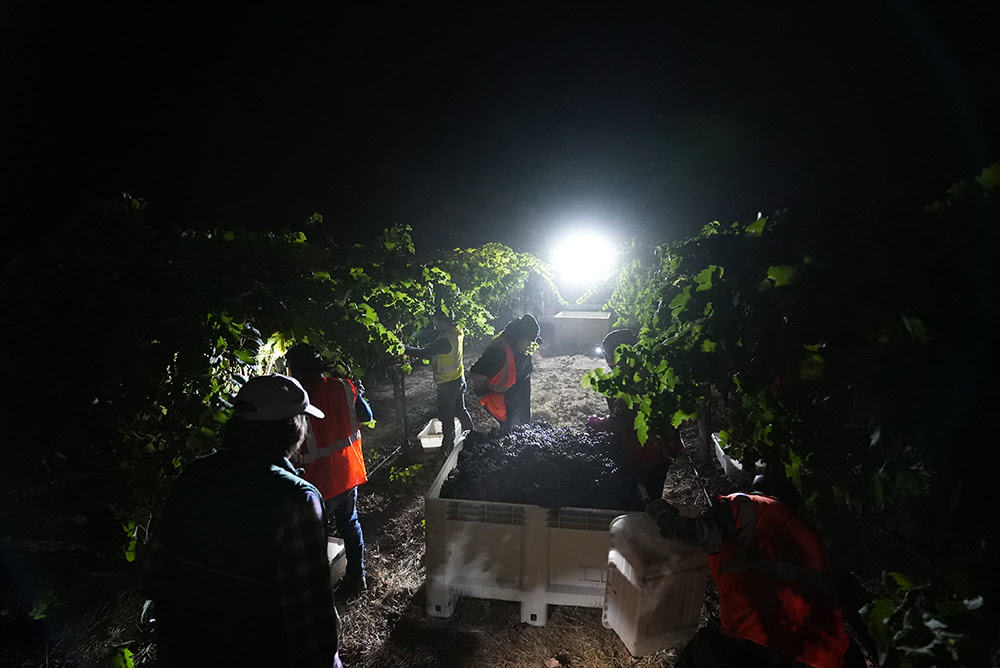
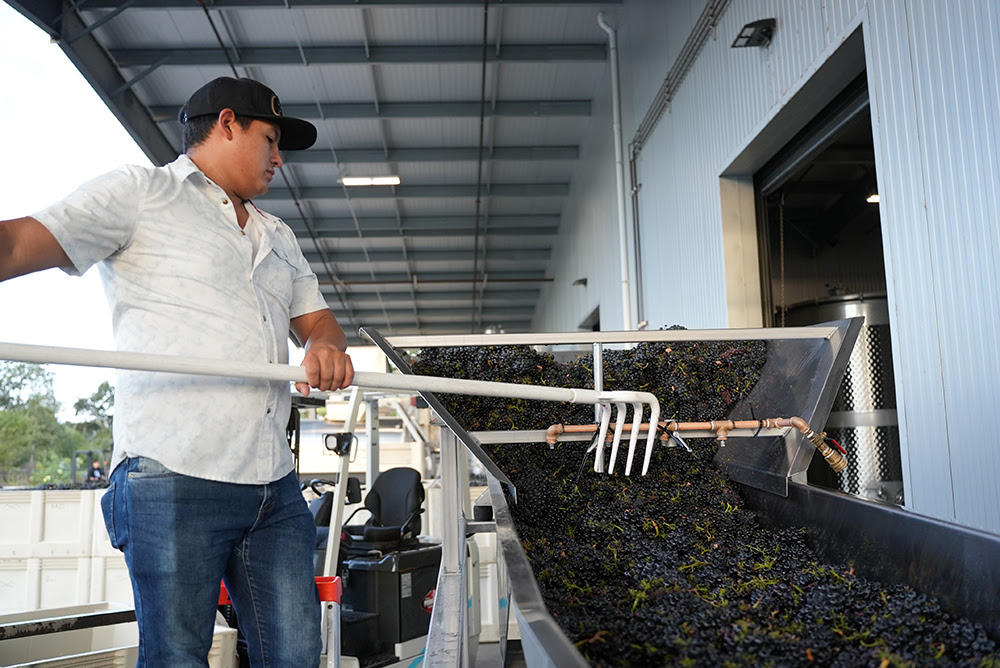
Harvest timing was mixed this year, with some appellations, including Napa Valley, starting up to a month earlier than average and others, such as Paso Robles, experiencing an extended harvest. In the North Coast, growers harvested some red varieties as early as mid-August. The Labor Day heat wave caused multiple varieties to reach maturity simultaneously in some regions, which kept vineyard and cellar crews busy through a compressed harvest. Despite the year’s twists and turns, consumers can expect to enjoy excellent wines from the 2022 vintage.
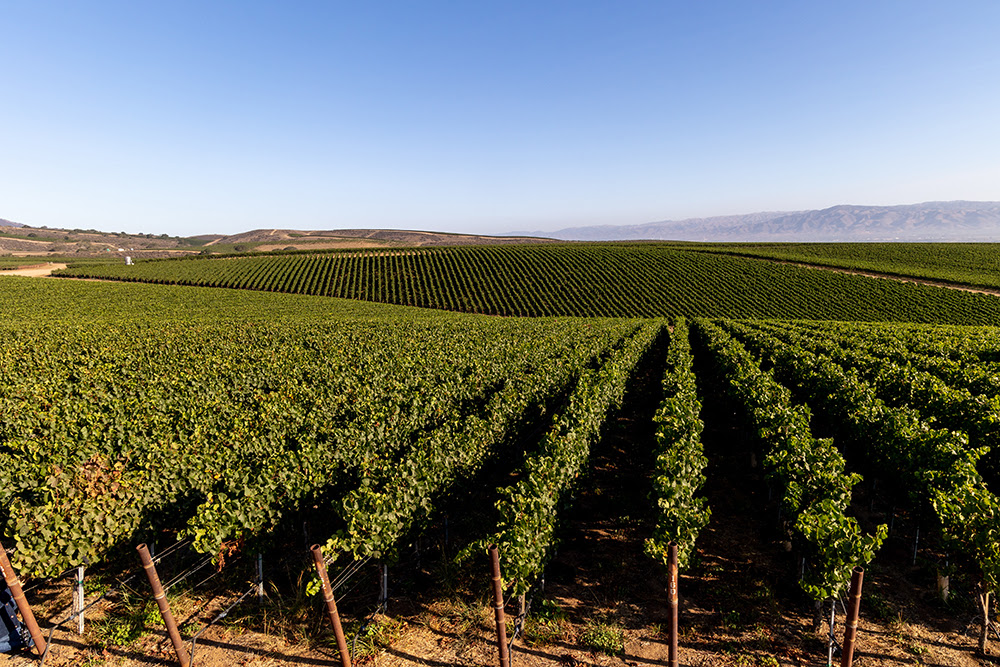
California produces about 80% of the nation’s wine, making it the world’s fourth-largest wine producing region. More than 80% of California wine is made in a Certified Sustainable California Winery and over half of the state’s roughly 615,000 vineyard acres are certified to one of California’s sustainability programs (Certified California Sustainable Winegrowing, Fish Friendly Farming, LODI RULES, Napa Green and SIP Certified).
Photo credit: Justin Liddell, Destination Films
Winemaker and Winery Owner Comments on California’s Growing Season and Harvest
“The early part of the growing season was near ideal, with abundant early season rains and excellent spring and summer weather,” said Renée Ary, vice president of winemaking at Duckhorn Vineyards in St. Helena, Napa Valley.
The Labor Day heat event brought record-high temperatures to the region, followed by mid-September rains, which challenged winemakers to practice meticulous grape selection.
“I think our 2022 wines will have a bit more concentration than the previous vintage, especially from the warmer, up-valley AVAs,” said Ary. “Our Cabernet Franc and Petit Verdot are some of the best ever and the Chardonnays are bright, balanced and focused. Given the range of ripeness, blending will be important for the 2022 vintage as we balance our early and later picks.”
At Silver Oakand Twomey Cellarsin the Napa Valley, harvest proceeded at a fast and furious pace. Following a mild summer, the heat wave kicked harvest into high gear, contributing to overall yield reductions of 15% to 20%. Harvest continued at a leisurely rate after temperatures cooled.
“I think it’s going be a pretty intense vintage — concentrated and powerful,” said Nate Weis, vice president of winegrowing. “Quality-wise, all of the varieties did great.” He was particularly impressed by Pinot Noir from the Russian River, Anderson Valley and Santa Lucia Highlands, as well as Merlot and Cabernet Franc. “The quality,” he said, “is off the charts.”
Robin Baggett, vintner and managing partner atAlpha Omegain St. Helena andTolosain San Luis Obispo, Central Coast, noted a wide range of harvest starting dates. “At Alpha Omega, harvest was a full four weeks earlier than last year’s in some vineyards,” he said.
Severe heat around Labor Day required vineyard teams to pick rapidly and strategically, he noted. “The fruit from our early picks is dark, complex in aroma and firm in texture, while fruit that remained on the vines during the heat event is riper with softer tannins and great flavor concentration,” said Baggett. “The overall quality in our Cabernet Sauvignon is very high with strong structure and terroir-driven characteristics. Petit Verdot and Malbec also performed extremely well.”
After a dry winter, Tolosa’s harvest saw two distinct phases: before the heat wave and after. Single-vineyard fruit came in at a steady pace until Labor Day, followed by a compressed harvest during the triple-digit heat. Lower yields — down around 30% — affected ripening speed, pushing everything to mature at once.
“Everything brought in before the heat wave is promising,” noted Baggett, “but you need to cherry pick among the lots brought in post-heat wave to isolate the best ones.”
Photo credit: Justin Liddell, Destination Films
Benziger Family Wineryin Glen Ellen, Sonoma County, wrapped up harvest just before mid-October, which marks the winery’s earliest finish since 2004. “This is one for the record books,” said Lisa Amaroli, Benziger’s director of winemaking. “A heat wave followed by rain had a whiplash effect, pushing up sugars and then reversing them after the rain.”
The growing season was consistent and mild, resulting in healthy canopies. Signs pointed to an early harvest until Labor Day, when temperatures reached 110 degrees Fahrenheit at the winery’s Sonoma Coast property. This pushed some blocks into high sugars and quickened the harvest pace. September rain brought a sigh of relief, refreshing the vines and allowing remaining grapes to hang a bit longer.
“All white varieties we have seen from across Sonoma County came in in great shape and are very flavorful with just the right acid balance,” Amaroli said. “It was a good year for some Pinot Noir and Cabernet Sauvignon vineyards — albeit with lower yields — while Malbec and Cabernet Franc came in abundant, balanced and fruity.”
Jackson Family Wines in Santa Rosa, Sonoma County, which has vineyards in several North Coast and Central Coast regions, began harvesting a couple weeks earlier than normal in many areas. Winemaster Randy Ullom summed up the vintage as “very memorable and wild.”
“In certain instances, the heat wave accelerated things and in others it actually slowed them down,” he said, noting that vines shut down during extreme heat in order to protect themselves, thus delaying the ripening process. “It depended on the appellation, the vineyard aspect and the watering capacity.”
Despite heavy rain in September, botrytis was not an issue due to the health of the vines before the rainfall occurred.
Ullom said he is happy with the overall quality of 2022 fruit. “Pinot Noir from the Anderson Valley and Russian River look especially good,” he said, along with Monterey County Chardonnay and Pinot Noir. Sauvignon Blanc produced a larger yield than expected and continued ripening into October in Lake County due to the heavier crop. “That’s another first,” he said. “We’ll remember this for the rest of our lives.”
Vintners in the Lodi and Clarksburg regions encountered challenges this year, including a significant April frost event that dramatically reduced yields.
“We thought it all but wiped out some of our north Delta and Clarksburg Sauvignon Blanc, Chardonnay and Pinot Grigio, but it turned out that we did all right,” said Aaron Lange, vice president of vineyard operations at LangeTwins Family Winery and Vineyardsin Acampo. The winery brought in about 25% of the normal yield for those varieties.
Variable spring weather with unseasonably warm temperatures followed by cool, windy conditions contributed to shot berries and shatter in Zinfandel and other sensitive varieties, yet yield sizes came in around average.
The Labor Day heat wave impacted both scheduling and capacity, while the frost delayed ripening in the whites. “At most major wineries,” Lange said, “there was a major capacity crunch from a cooperage and fermentation tank perspective.”
Healthy vineyards did fairly well during the heat event, he added, and followed a normal development trajectory. White varieties looked good, Lange said, since vineyard crews picked most fruit prior to the heat wave. Larger canopies helped protect the reds from heat and sunburn.
Likewise, Monterey County faced some tough conditions in 2022 due to early-season temperature fluctuations and heat spells during veraison and in early September. Though the heat wave reduced yields, particularly for Chardonnay and Merlot, the September event was well-predicted, allowing winegrowers to take preemptive irrigation measures. Harvest got off to a quick and early start, about 10 days earlier than average, with multiple varieties ripening simultaneously.
“On the bright side,” said Heidi Scheid, executive vice president at Scheid Vineyards in Soledad, “we’ve found that the smaller cluster and reduced berry sizes have resulted in a significant level of complexity and intensity. We are seeing very good quality — and in some cases truly exceptional quality — for the 2022 vintage.”
In Paso Robles in the Central Coast, harvest kicked off early, requiring vintners to utilize their collective knowledge to manage quality, tank space and periodic restarts.
“Despite the challenges,” said Stasi Seay, director of vineyards at Hope Family Winesin Paso Robles, “we remain optimistic and anticipate that vintage 2022 will produce fine wines on par with some of Paso Robles’ most memorable.”
The growing season began smoothly, with minimal frost incidents and temperate weather during bloom and set, Seay said. June crop estimates were slightly below average due to the ongoing drought, and summer was typical with no extreme heat until Labor Day weekend. Extended high temperatures caused vines to shut down, slowing the last of veraison. Unseasonal rains followed, along with warm autumn weather that helped with hang time and fruit maturity.
This was an unusually long harvest in the region, starting in early August and continuing through October’s end. “We are optimistic that this vintage will stand out,” said Seay, “given our hard work both in the field and in the winery.”
Miller Family Wine Company in Santa Maria, Santa Barbara County, began harvesting on Aug. 8, a week earlier than expected. The season began with excellent growing conditions that continued into summer, followed by abnormally hot weather that accelerated ripening. Though yields were below normal, fruit quality remained high.
“The vineyard has responded well despite another dry winter,” said vineyard manager Greg O’Quest. “The minimal amount of rain was not enough to supply the vines with much-needed water, so supplemental irrigation began sooner than expected.”
Following a uniform bud break during the first week of March and a mild frost season, late spring brought unusually windy and cool conditions for fruit set. Summer boasted ideal weather with only a few days breaking the 100-degree mark. Typical high temperatures occurred in July and pest pressure was minimal. “The 2022 vintage was blessed with normal summer temperatures that allowed a full canopy to develop before the heat hit in August,” O’Quest said.
Late-season reds fared best in terms of yields, he added, and Cabernet Sauvignon has been a stand-out variety thanks to its hardiness and ability to deal with high temperatures. Smaller clusters this year resulted in deep, dark color and higher quality.
View the full 2022 California Harvest Report, including regional reports from Amador County, Calaveras County, El Dorado County, Lake County, Livermore Valley, Lodi, Mendocino County, Monterey County, Napa Valley, Paso Robles, San Diego County, Santa Barbara County, Santa Clara Valley, Santa Cruz Mountains and Sonoma County.
Established in 1934, Wine Institute is the public policy advocacy group of 1,000 California wineries and affiliated businesses that initiates and advocates state, federal and international public policy to enhance the environment for the responsible production, consumption and enjoyment of wine. The organization works to enhance the economic and environmental health of the state through its leadership in sustainable winegrowing and by showcasing California’s wine regions as ideal destinations for food and wine travelers to the state. To learn more about California wines, visit DiscoverCaliforniaWines.
This homemade hot chocolate with red wine is a cocktail that doubles as dessert!
2 cups dark or semi-sweet chocolate chips
½ cup brown sugar packed
¼ cup cocoa powder
½ tsp cinnamon
⅛ teaspoon salt
5 cups whole milk or almond or coconut
1 750- ml bottle fruit-forward California red wine such as Merlot or Zinfandel
Marshmallows or whipped cream for serving
Slow Cooker Method:
Whisk the chocolate chips, brown sugar, cocoa, cinnamon, salt and milk together in a slow cooker set on high. Cover and allow to come to temperature (10-15 minutes), then whisk again and add wine. Cook on high for one hour, stopping to whisk every 20 minutes.
Ladle hot chocolate into mugs and top with whipped cream or marshmallows and enjoy.
Stovetop Method:
Whisk the chocolate chips, brown sugar, cocoa, cinnamon and salt together in a large saucepan or stockpot. Add milk and bring to a low simmer over medium-low heat, whisking often. Once hot chocolate is blended and smooth (about 8-10 minutes), reduce to low heat and add wine. Cook for 5 minutes more. Ladle hot chocolate into mugs and top with whipped cream or marshmallows and enjoy.
Sheet-Pan Chicken with Chickpeas, Carrots and Lemon
Spice rub:
1 teaspoon sea salt
1 teaspoon sweet paprika
1 teaspoon ground cumin
4 bone-in chicken thighs, about 2 pounds (900 g)
1 can (15 oz/425 g) chickpeas, drained and rinsed
½ pound (225 g) carrots, thinly sliced on the diagonal
½ red onion, thinly sliced from stem to root
1 small lemon, halved lengthwise (quartered lengthwise if large), then sliced
4 cloves garlic, thinly sliced
½ teaspoon ground cumin
1 teaspoon sea salt
Extra virgin olive oil
1/3 cup (10 g) coarsely chopped cilantro, plus a few whole leaves for garnish
Serves 4
In a small bowl, combine the spice rub ingredients. Sprinkle all over the chicken and set aside.
Preheat the oven to 425°F (220°C). Line a 9 x 12-inch (23 x 30 cm) rimmed baking sheet with parchment paper.
In a bowl, combine the chickpeas, carrots, red onion, lemon, garlic, cumin, salt and 1 tablespoon olive oil. Toss to mix, then arrange in the baking sheet in an even layer. Arrange the chicken thighs on top, not touching, and drizzle 1 teaspoon olive oil on top of each one.
Bake on a center rack for 40 minutes. With tongs, set the chicken aside on a plate. Add the chopped cilantro to the vegetables and stir to mix and moisten everything with the chicken juices. Remake the bed of vegetables and replace the chicken on top. Bake for 5 minutes longer. Remove from the oven and let rest 5 minutes to allow the chicken juices to settle. Tilt the sheet pan and spoon some of the juices over the chicken.
Transfer to a serving platter or to individual dinner plates and garnish with cilantro leaves.
There’s fool’s gold, gold dust and nuggets, and high wattage gold when fall amps up the colors in the aptly named Golden State come October and November. So forget leaf peeping along the Eastern Seaboard or in the Midwest and head along the California Gold Rush Trail in the state’s Gold Country. It’s an experience of small towns that boomed during the Gold Rush era when those hoping to strike it rich descended upon the stunning Sierra Nevada Mountains.
In California’s Gold Country, Historic Hwy 49 offers an array of colorful foliage – dogwood, aspen and maple light up the Mother Lode with orange, red and yellow. In Coloma, the Marshall Gold Discovery State Historic Park affords spectacular view along the American River as well as many stands of colorful trees.
Stop at one of the Apple Hill Grower farms and pick your own pumpkins, sample mouth-watering baked goods and Sierra Foothill wines. Continuing south, colorful stands of dogwood trees complement the Giant Sequoias at Big Trees State Park.
Traveling north on Highway 49, the charming town of Mariposa is the southernmost destination in the Gold Rush chain of towns. Historic and lively, Mariposa was founded in 1850 and boasts a plethora of shops, restaurants and venues such as Mariposa Museum and History Center named one of the best small museums in America by the Smithsonian Institute and the California State Mining and Mineral Museum.
Locals call Coulterville “the town that was too tough to die.” Once a major mining and supply town, Coulterville was named after George and Margaret Coulter who arrived in 1849 and began selling supplies after learning that miners had to travel some 30 hard miles to buy what they needed. Two years later gold was discovered. Boom is the operative word as to what happened next. The town prospered. For an interesting tidbit of local history, travel through the downtown off of Highway 49 and turn left on Kow Street to the intersection of Chinatown Main Street–yes, that’s really the name of the street. Located on the corner is what was the Sun Sun Wo Co. It’s an old adobe building, one of a handful left in California (for more, click here).
Built in 1851, it was first owned and operated by Mow Da Sun and his son, Sun Kow and run by Chinese until 1926. Said to have an opium den in the back, it was so successful as a general store that a second store ten miles away in Red Cloud. And if you’re wondering how the Chinese were treated, we can report that according to Sierra Nevada Tourism, a site developed in conjunction with National Geographic, the town’s hanging tree is where an outlaw named Leon Ruiz met his fate in 1856 after robbing and murdering two Chinese miners of $600 in gold, showing not only the money to be made in a Gold Rush town but also that the killing of Chinese did not go unpunished.
The intriguingly named Chinese Camp, once a busy mining camp with thousands of inhabitants, the town is now for all intents and purposes a ghost town. Tucked away in the foothills of the Sierra Nevada Mountains, its buildings are a feature in movies and television shows about the Old West.
Travel on to Sonora, another Gold Rush town. Settled by miners from Sonora, Mexico in 1848, Sonora, known as the “Queen of the Southern Mines” offers a vast historical perspective with thriving businesses and a bustling downtown housed in historic buildings dating back to the mid-1800s. Check out such beauties as St. James Episcopal Church, built in 1860 and the oldest Episcopal church in the state.
Finish your drive to Yosemite National Park up Highway 120 when the valley floor is its most colorful.
Boysenberry Pie at The Ahwahnee in Yosemite
On the menu at the venerable Ahwahnee Inn for more than a quarter of a century, their Boysenberry Pie is a must try dessert. Served in the Ahwahnee Dining Room, with its 34-foot-high beamed ceiling, floor-to-ceiling mullioned windows, granite columns, Gothic-style chandeliers, an dexposed stonework, is a resplendent place to enjoy such a treat. The dining room, designed by famed architect Gilbert Stanley Underwood in a mélange of Art Deco and Arts and Crafts architectural styles and flourishes of Native American and Middle Eastern elements to attract high-end visitors, opened in 1927. Located on the first floor of The Ahwahnee Hotel, in itself a masterpiece of an opulent and gracious past, in eastern Yosemite Valley, the entire building was made using 5,000 tons of stone, 1,000 tons of steel, and 30,000 feet of lumber.
The Ahwahnee Inn Boysenberry Pie
Makes: One 10” pie
Pie Filling
1 ½ pounds fresh or frozen boysenberries
¾ cup sugar
1 ¼ oz clear instant gelatin
Pinch of salt
In a saucepan on a low heat add frozen boysenberries and slowly cook for 5 minutes. In a bowl combine sugar, gelatin and salt and mix. Add sugar mixture to sauce pan. Cook for another 5 minutes. Stir often to avoid burning. Set aside and let cool.
Pie Dough
9 ounces all-purpose flour
Pinch of salt
1 ½ teaspoon sugar
4 ½ ounces soft butter
1 ½ ounces very cold water
In a food processor add flour, salt, sugar and softened butter. Turn on and mix ingredients until they are evenly distributed. Then add water all at once. Turn off food processor as soon as the dough binds and comes away from the sides of the bowl.
Divide dough into halves and roll each into a ball. Refrigerate for one hour. Roll out on doughball into a circle large enough to fit a 10-inch pie pan. Preheat oven to 350’F and bake pie shell for 5 minutes.
Roll second dough ball into a large circle and cover with a towel. Place filling in shell and cover with remaining pie dough. Use an egg wash to seal the pie rim. Cut four slits in the top of the pie and brush remaining egg wash across the top.
Place in the 350° F and bake until golden brown, about 15 to 20 min. Let cool before serving.
Firefall Cocktail
The Ahwahnee Bar
1/2 shot tequila (we prefer Sauza Gold)
1/2 shot Creme de Cocoa Brown (we prefer DeKuyper)
2 tablespoons Firefall Hot Chocolate Mix, see recipe below
Fireball Mix:
2 cups Nestle Hot Chocolate Powder
1 tablespoon pasilla chili powder
1 tablespoon cinnamon
Pour tequila and Creme de Cocoa Brown into an Irish coffee mug.
Add the Firefall Hot Chocolate Mix. Add boiling water and stir well. Top with whipped crème. Sprinkle whipped cream with pasilla chili and cinnamon.
Double Chocolate Bread Pudding from The Ahwahnee Dining Room
1 quart heavy whipping cream
2 pieces vanilla beans pod (split and scraped)
8 ounces granulated sugar
1/2 teaspoon ground cinnamon
7 pieces egg yolk
2 pieces large croissants (baked and sliced crosswise)
2 ounces milk chocolate chips
2 ounces dark chocolate chips
.In a stainless mixing bowl, incorporate the egg yolk, ground cinnamon, sugar and a cup of heavy whipping cream.
Split and scrape the seed of the vanilla pods. Place pods and beans in a sauce pot and the remaining heavy whipping cream and bring to a boil. Pour the hot cream into the egg mixture and stir.
Arrange half of the croissant slices in a baking dish. Sprinkle half of the milk and dark chocolate chips over the croissants. Pour half of the hot custard mixture over the croissants to soak. Repeat the layers. Bake at 320° F degrees for 25 – 30 minutes.