Detroit-style Pizza Hits the Streets of San Francisco with the Opening of Joyride Pizza

Samovar Tea business partners and brothers Jesse Jacobs and Joshua Jacobs have officially launched  Joyride Pizza now open at two prime San Francisco locations–Yerba Buena Gardens (730 Howard Street) and Joyride Valencia at 411 Valencia Street. The locations of Joyride Pizza, a new classic Detroit-style pizza, transforms architecturally stunning spaces into a mecca for Detroit pizza. Yerba Buena, with its floor-to-ceiling windows captures the San Francisco cityscape and offers gorgeous outdoor dining capable to seating 49 seats along with complete access to the gardens for those ordering to-go. The Valencia Street spot celebrates the poured concrete and limestone aesthetic on this popular urban thoroughfare.

The brothers bring the same commitment to creating a fantastic culinary experience as they did with Samovar Tea. When it comes to Detroit pizza, visitors at Joyride can enjoy such creations as  frico–pizza with a crispy caramelized cheese topping a 48-hour fermented focaccia with Sonoma County sourced organic ingredients.


Joyride Pizza celebrates the nostalgic pull of pizza, one of America’s favorite food. The concept started during last year’s COVID-19 shelter-in-place when co-founder Jesse Jacobs started tinkering in his home kitchen by using sourdough starters for baking bread with his wife and making pizzas in their Detroit style 8×10 cooking sheet for family dinners. It connected Jacobs with memories of the first time he ate pizza in 7th grade. It was from Pino’s Pizza in Brighton, Massachusetts and the taste was vastly different than the foods of his boyhood home where foods were strictly macrobiotic and organic. Pizza, as far as his family was concerned, was the antithesis of brown rice, lentils, and seaweed.

But that didn’t prevent his first taste of pizza and its intoxicating aroma to be an ecstatic though guilty pleasure. Jesse sums up this life changing experience in one word: Joy.


“Samovar Tea was on the cusp of expansion prior to the pandemic,” says Jesse. “I spent 20 years developing Samovar into an iconic brand. Similar to other restaurateurs across the country, COVID-19 dissolved the brick-and-mortar businesses to the point of no return. We needed to creatively adapt to the moment. Homemade pizza has brought so much joy to my family over the past year that my brother and I ultimately decided to go all-in and develop the best Detroit pizza we could imagine. We’re making nutrient-rich pizzas from local farm ingredients. We couldn’t be prouder of the menu, and can’t wait for people to try it out.”

The Jacobs brothers always had a love for Italian cuisine. It was, after all, a happy alternative to macrobiotics. On the non-macrobiotic side of their family, they enjoyed homemade fresh pastas, pizzas, sauces, and meats.

Later Joshua worked as a waiter at an Italian restaurant in high school, while Jesse worked as a pasta cook, waiter, and busser at various Italian restaurants in Boston’s North End and throughout New England.

Their ambitions ultimately took Jesse to Japan and then San Francisco and Joshua into the East Coast tech scene. The pandemic caused them to reflect, asking: “How can we bring the values and principles of Samovar Tea into the comfort food space that brings people instant joy?”

The answer was Joyride Pizza.

The Jacobs brothers developed a new digital retail store for Samovar Tea in an effort for beverage aficionados to continue to purchase their premium organic teas globally (LINK). To realize their epic pizza dream, they brought in acclaimed pizzaiolo Alastair Hannmann as Culinary Advisor & Regional Operations Manager of Joyride Pizza. A close friend and former employee of 13-time World Pizza Champion, Tony Gemignani, Hannmann was the master pizza maker who helped bring the vision and operations to life. Hannmann has a world-class track record that includes running an award-winning pizza chain in Hawaii, managing production at Zume, Inc., and winning accolades from the Guinness World Records for “World’s Longest Pizza” that was 1.5 miles long.

Joyride Pizza — Sonoma County PurveyorsBased in Sonoma County, Jesse Jacobs sought out small-batch, organic purveyors in Sonoma County for as many ingredients as possible for the Joyride Pizza menu. Petaluma’s hand-selected grains from Central Milling became a staple of the focaccia dough allowing for a sophisticated level of craftsmanship to carry on the Bay Area tradition of artisanal bread baking. Grown in California’s Central Valley, the newly planted organic wheat strain Yecora Rojo is custom blended for Joyride Pizza and the perfect varietal for a two-day fermentation. Higher proteins in the wheat offer greater strength in the dough for longer fermentation and bubbly, delicate, and delicious dough with naturally sweet and malty notes.


Artisan cured meats are from Zoe’s Meats in Petaluma including nitrate-free pepperoni, chicken, charcuterie, and wild oregano. Sonoma County Meat Company supplies all-beef meatballs, Italian sausage, and Applewood smoked bacon. Gourmet Mushroom Company sustainably grows Mycopia mushrooms in Sebastopol and Joyride Pizza utilizes the seasonal Chef’s Blend. Double 8 Dairy hand delivers ricotta cheese to Joyride Pizza, and Sonoma Vinegar and Sonoma Salt Company also provide essential products.
In Lodi, Joyride Pizza sources Corto Olive Oil for the focaccia dough, sauces, and finishing oil. Tomatoes are from Stanislaus Tomato Company in Modesto, Calif. Authentic to Detroit pizza is Brick Cheese, which is brought in along with mozzarella cheese from Buholzer Brothers in Wisconsin.


Joyride Pizza — Yerba Buena Gardens & Valencia Menus

Joyride Pizza – Yerba Buena Gardens sits atop one of San Francisco’s glorious outdoor green spaces. Joyride Pizza offers indoor dining as well as 49 seats of awe-inspiring views outside on its promenade. To-go orders can be enjoyed in the gardens below. Joyride Pizza – Yerba Buena Gardens serves six Classic Detroit Pizzas including The Cheese, Zoe ‘Roni Pepperoni, Meatzza, Pestoriffic, Sweet Heat Pineapple, and Eat Your Veggies (as well as Build Your Own). The menu features handcrafted Housemade Fresh Pastas (Red Sauce, Fusilli Pesto, Chiocciole Bolognese, Bucatini Carbonara, Kid’s Pasta); Salads (Spare Parts Chop, A Date With A Nut, Caesar with Anchovy Chimichurri, Mixed Baby Greens); Hand-Carved Charcuterie with a selection of locally cured meats, cheeses, and olives; and Desserts (Four Barrel Coffee Affogato, Gelato – 5 Different Flavors, Cannoli with rainbow sprinkles, pistachios, or chocolate chips, Vanilla Cheesecake, and a Root Beer Float).


Doug Dalton and Brian Sheehy (Co-Owners, Future Bars Group) supported the craft cocktail menu design along with Fred Acebo and Dan Sheel at Joyride Pizza – Yerba Buena Gardens featuring classics such as the Old Fashioned Joyride, Negroni, Bijou, Pineapple Smash, Pizza-Bloody Mary, and Bellini ($12/cocktail or $60/carafe). A selection of whiskey and amaro is available (2 oz. pours). Small-production California coast wines are on the menu from wineries such as Una Lou (Sonoma, CA), Pence Vineyards (Santa Rita, CA), Carignan (Mendocino, CA), Gail Wine (Sonoma, CA). Craft beers are from Fort Point and Temescal Brewing; other drinks include Golden State Cider and JuneShine Hard Kombucha. Non-alcoholic drinks include Samovar Organic Tea (Black, Green, Herbal), Four Barrel French Press Coffee, and a variety of sodas.


The Joyride Pizza – Valencia menu includes six Classic Detroit Pizzas (The Cheese, Zoe ‘Roni Pepperoni, Meatzza, Pestoriffic, Sweet Heat Pineapple, Eat Your Veggies as well as a Build Your Own); Salads (Spare Parts Chop, Caesar with Anchovy Chimichurri); Sweets (Cheesecake); Sides (Mike’s Hot Honey Packet, Marinara Sauce, Homemade Ranch), and Sodas.

Blue Diamond Resorts Is Hosting The First Annual Food + Drink Experience This September in Cancun

As if you didn’t need another excuse to head to Cancun, Blue Diamond Resorts will be hosting the first Food + Drink Experience featuring more than a dozen well-known, international chefs. And it all takes place at the luxurious Royalton CHIC Suites Cancun, September 19-26, 2021.

Curated by Blue Diamond Resorts, sixteen renowned chefs, such as Aarón Sánchez and Ray “Dr. BBQ” Lampe, will lead the week-long culinary festival showcasing mouthwatering cuisine and mixology demonstrations.

All week long there will be interactive experiences and entertainment including cooking exhibitions from Chef Cesar Castañeda and Chef Jorge Valencia, a beach barbecue with Freddy Chi, a signature barbecue pairing hosted by Chefs Ted Reader and Ray Lampe, Chocolate and Mezcal pairings with Chef Benjamin Nava, the first ever Mexican Caribbean Tiki Mixology Competition, and much more.

Food + Drink Experience Schedule Highlights 

Sunday, September 19

  • Inaugural party 
  • First round of the Mixology Competition 

Monday, September 20

Tuesday, September 21 

  • Culinary Demonstration of Cauliflower with Chef Cesar Castaneda
  • Baja California Wood Fire BBQ with Chef Alfredo Romero
  • Foam Party
  • Tequila Tasting
  • Mixology Session with David Araya 
  • Culinary Demonstration of duck tamales and roasted peach coulis with Chef Jorge Valencia
  • Signature Paring Dinner with Chefs Rick Moonen and Bernard Guillas

Wednesday, September 22

  • Culinary Demonstration of Octopus with Longaniza Powder with Chef Federico Lopez
  • Beach BBQ Taco Party with Chef Tim Grandinetti
  • Chocolate and Mezcal Paring with Mezcalero Benamin Nava
  • Mixology Session with Eliu Salazar
  • Culinary Demonstration of Fish Tea with Chef Dean Max
  • Signature Pairing Dinner with Chefs Reyna Garcia and Cindy Hutson

Thursday, September 23

  • Culinary Demonstration of plant-based meatballs with Chef Zaraida Fernandez
  • Riviera Mayan BBQ with Chef Freddy Chi
  • Wine tasting and seminar 
  • Culinary Demonstration of lobster tacos with Chef Aaron Sanchez
  • Signature BBQ Paring Dinner with Chefs Ted Reader and Ray Lampe
  • Heineken and XX after party 

Friday, September 24 

  • Culinary Demonstration of Tikin Xic with Chef Reyna Garcia
  • Classic American BBQ with Celebrity Pit Master Dr. BBQ
  • Tequila tasting 
  • Chillout Jazz Lounge
  • Mixology session with Federico Moreno
  • Culinary Demonstration of lobster gazpacho with Chef Rick Moonen
  • Signature pairing dinner with Chefs Federico Lopez and Tim Grandinetti

Saturday, September 

  • South American BBQ with Chef Carlo Magno
  • Foam Party
  • Wine tasting and seminar 
  • Mixology Session with Alejandro Perez
  • Culinary Demonstration with Chef Cindy Hutson
  • Signature paring dinner with Chefs Aaron Sanchez and Jorge Valencia

Sunday, September 26 

  • Farewell Brunch

With Safety Always in Mind

As the second largest travel market in the Mexican Caribbean, Cancun is the most recognized Mexican tourist destination in the world and currently the most connected. Its picturesque surroundings, authentic Mexican culture, and approach to safe travel is the reason why Cancun was selected as the inaugural destination for a festival of this size. Since reopening to international guests June of 2020, proper health and safety protocols continue to be in place to ensure a safe travel experience. That includes COVID-19 and antigen testing for guests returning to North American locales, advanced procedures at the resort level, and more.

ZYDECO, GUMBO, AND CAJUN HERITAGE: IT’S ALL PART OF THE CAJUN BAYOU FOOD TRAIL

Follow the Cajun Bayou Food Trail: A REAL Taste of Louisiana Cajun Country

Just 45 minutes from New Orleans, the Cajun Bayou Food Trail is a journey through the heart of Lafourche Parish and the ultimate road trip for those wanting to explore Louisiana’s food scene. Known as the Louisiana’s Cajun Bayou, this region of the state takes its culinary delights so seriously that the name Lafourche is French for the fork. While some will explain, patiently, the term is a geographical reference to a split in the  Mississippi River, we’re thinking that any place with a name synonymous with an eating utensil surely knows its way around a menu.

So grab your car keys and your sunglasses—but you won’t need to bring your own Lafourche as any place on the parish’s Cajun Bayou Food Trail have their own—and hit the road. There are currently 18 restaurants on the trail including the recently added Cinclare Southern Bistro.

“We’re thrilled to be included on the Louisiana Cajun Bayou Food Trail,” says Michael Dalmau, the owner of Cinclare Southern Bistro. “The restaurants that span this historic waterway might be different in what they do and how they do it but know this …. they all do it well. In South Louisiana – and especially up and down the Bayou – feeding and serving friends and family is not only what we do to pass a good time, but it’s how we show our love and support. It’s part of our DNA and that’s why we’re so good at it.”

All the stops on the trail feature authentic food accompanied by the unparalleled Southern hospitality.

According to my friend Mindy Bianca, chefs down this way tell how their favorite recipes feature the finest local ingredients along with a true love of their surroundings and heritage. The latter means treating guests the same as family–well, almost, you don’t have to clean up after dinner like you would at your mom’s. All this makes navigating the Cajun Bayou Food Trail an unparalleled culinary and travel experience.

The lives of the people of Lafourche Parish are fully intertwined with the bodies of water that are accessible throughout the region, most notably Bayou Lafourche, a 100-mile waterway that bisects the parish, and the Gulf of Mexico. Residents of the area view the Bayou and Gulf as their personal pantries, finding seafood and other delicacies within and along their waters. If you live here, you’re most likely not going to get kicked you out of the parish for not knowing how to whip up a tasty gumbo (though we can’t promise that’s true) but fortunately most if not all figure it out from an early age using recipes passed down through the  generations. That’s why those following the trail get to taste dishes authentic traditional foods that are part of the Parish’s gastronomic heritage–prepared and served as they have been for as long as some can remember. But that doesn’t mean some chefs don’t do their own riff with added ingredients or other ways to make them uniquely their own.

Celebrating not only the restaurants and local food purveyors that honor the culinary customs of the region, the parish also hosts six festivals and events dedicated to honoring and preserving its distinctive traditions. Think La Fete Des Vieux Temps in Raceland, Louisiana

Calling it a cultural gumbo, Mindy says that “restaurants lean toward plenty of fresh seafood and run the gamut from mom-and-pop operations to sophisticated dining rooms.

“The unifying element is that whether it’s fried shrimp at Spahr’s, a restaurant that now has three locations and that has been a staple here for more than 50 years, or an elegant and savory alligator-and-andouille sausage cheesecake appetizer at Kincare, which offers craft beverages and a more upscale dining experience in the heart of downtown Thibodaux, your meal is going to be both delicious and memorable.”

Visitors and locals alike are encouraged to pick up a Food Trail passport and map from any of the participating restaurants or download it from this website, then eat their way through the parish. Collect enough passport stamps and you’ll earn your way into a comfy Food Trail T-shirt. Trust us and order one size larger before hitting the trail. In these ever-changing and unpredictable times, requirements for completing a passport have been modified and the Food Trail can now be experienced more “virtually,” meaning that participating Trail restaurants offer curbside service.

For more information about the dining scene in Louisiana’s Cajun Bayou, to download your passport and map, or to check out some pictures and start dreaming of crawfish and crabs, gumbo and gator, please visit http://www.lacajunbayou.com. The local businesses up and down the Bayou are ready to fill up your plate and offer you a lafourche to use.  

Other places to dine include Rose’s Cafe, Holly Marie’s Seafood Market in Raceland, Punch’s Seafood Market in Lockport, Harry’s Poboys in Larose, Politz’s in Thibodeaux, Cher-Aimee’s in Cutoff, and C. Moran’s in Golden Meadow.

What to Do in Lafourche Parish

You can’t eat all the time, right? In between meals check out some or all of the following stops:

Swamp Tours

Described as an otherworldly experience, like time travel into the state’s prehistoric past by  touring Lafourche Parish’s swamplands. Tour options includes the 2 Da Swamp Bayou Tours & Museum trips to Bayou Des Allemands with traditional Cajun music, and museum displays of artifacts Des Allemands’ early years. Airboat Tours by Arthur Matherne, open seasonally, is a high-octane thrill rides on its fleet of airboats. Torres Cajun Swamp Tours’ guides takes visitor the history and ecology of wetlands’ Bayou Boeuf.

 E.D. White Historic Site

The White family was once among the Louisiana’s political elite. Patriarch Edward Douglas White was the state’s governor in the 1830s; his son and namesake became a U.S. Supreme Court Justice in the 1890s. The elder White’s home is now a Louisiana State Museum site and is a step back into the past showcasing the state’s history. Built from cypress in the Creole Plantation style in 1825, White purchased the home, re-imaging it as a Greek Revival mansion. Learn about the White family, the history of both the home’s history along with that of Chitimacha Indians and Cajun settlers, sugar plantation owners and the slaves that worked the fields in service of them by taking a tour of the E.D. White Historic Site in Thibodaux.

Restaurants in Thibodaux

Thibodaux’s restaurants and fresh markets reflect the local culture and cuisine. Top-rated restaurant spots include Fremin’s Restaurant, where you can take in the architecture of Thibodaux’s downtown area. The food is prepared with a view into the kitchen and the duck-and-andouille gumbo is like heaven in a bowl. Head to Off the Hook, a down-home spot with awesome po-boys, fried seafood and more gumbo! And try something different at the Cajun Potato Kitchen, a quirky and casual restaurant serving huge baked potatoes loaded with Cajun toppings. It’s fun and different and popular with the university crowd.  Get a full list of locals’ favorite restaurants.

Bayou Country Children’s Museum

You’d be hard pressed to find another museum in the U.S.—or really anywhere—that’s a Cajun-themed children’s museum. At Bayou Country Children’s Museum in Thibodaux brings together Cajun history, education and fun, making it a great stop for family fun. Here children can play on a full-size sugar harvester, toss beads from a Mardi Gras float, climb aboard a shrimp boat and more.

Center for Traditional Louisiana Boat Building

The wetlands flowing through Southern Louisianna are a distinct part of Lafourche Parish where more than 100 miles of bayou meander throughout the parish. The Center for Traditional Louisiana Boat Building, located in Lockport is the place to learn how traditional Cajun boats were constructed, including their iconic pirogue boats and flat-bottomed vessels known locally as putt-putts that once common in the region’s bayous.

Wetlands Acadian Cultural Center

Part of Jean Lafitte National Historical Park & Preserve in Thibodaux, the center’s mission is to preserve Cajun tradition and offers such programs as their free Cajun music jam sessions every Monday afternoon, a Cajun-French meetup on Tuesdays, historical Thibodaux walking tours and boat tours of Bayou Lafourche. While there, stop at the Center’s museum store, which has Cajun music recordings, crafts and books for sale.

America’s Wetland Birding Trail

The trail, made up of 22 parishes includes Lafourche which is part of the Grand Isle Loop. The loop includes sections of Louisiana’s best-known barrier island as well as inland birding destinations teeming with shorebirds and seabirds. Download more information about the Grand Isle Loop on the Wetland Birding Trail.

Charter Fishing

Here are both a full list of charter boat companies in the area as well as saltwater fishing in Louisiana.

Bayou Lafourche Folklife and Heritage Museum

Located in a 1910 bank building in Lockport, , enjoy learning about the area’s fascinating history.

Mardi Gras in Lafourche Parish

They really know how to celebrate the two weeks leading up to Mardi Gras Day or as it is also known—Fat Tuesday. Typically there are more than a dozen parades roll through the towns of Golden Meadow, Galliano, Larose, as well as the parish seat of Thibodaux. Learn more about the parade schedules.

Shrimp and Tasso Pasta

Recipe courtesy of Bourgeois Meat Market, a stop on the Cajun Bayou Culinary Trail

1 lb. Bourgeois Tasso

2 lb. shrimp

1 large onion

1 large bell pepper

1 talk of celery

1 can Rotel

1 qt. heavy whipping cream

1 cup grated Monterey Jack cheese

1 bag bow tie pasta

Boil Bourgeois Tasso in a pot with just a little water until tender.

Add onion, celery, bell pepper, Rotel, and shrimp and smother down.

Add heavy whipping cream and let mixture come to a rolling boil.

Lower fire and add cheese to thicken.

Combine with cooked pasta and serve.

,

VERDANT HOLLOW: TRUSTING NATURE AND THE GOOD OF THE EARTH

“It’s hard work but it’s good work,” says Molly Muchow about co-managing the 230-acre Verdant Hollow Farmhttps://www.verdanthollowfarms.com/ on Garr Road in Buchanan with her husband Brett.

It’s also a big change in lifestyle for the couple who until a few years ago were living in Chicago with their three children and Molly was working as a personal chef and Brett as a certified teacher on the city’s South Side. But they like the vision that owner Susan Flynn had when she purchased the land in 2016.

Her goal was to create an Animal Approved Welfare by AGW farm for producing certified grass fed lamb, goat milk, pasture raised pork, vegetables, and eggs.

The AGW designation is the only label guaranteeing that animals are raised outdoors on pastures or ranges for their entire lives on an independent farm using truly sustainable, high-welfare farming practices. It’s an independent, nonprofit farm certification program. one of the top five fastest growing certifications and label claims in the country. Welfare Approved farm using regenerative practices to produce seasonal vegetables,

Obtaining these certifications was a goal not just for raising animals to bring to market but also to create a place to host visitors for retreats, education, and to carry forth the concept of regenerative practices in raising the best produce possible. It’s a type of farming designed to reverse climate change by rebuilding soil organic matter and restoring degraded soil biodiversity with the end result of reducing carbon output.

It is a beautiful piece of land, with hollows, woods, pastures, and an 1860s-era barn repurposed by Stanley Tigerman, an award winning architect whose work incorporates an urban whimsicalness to rural structures.

         “We plan to build six cabins—it will be a place for people for relaxation and detach from technology, returning to the pace of what farm life was,” says Flynn who though she’s from Chicago knows the area well because she has had a home in nearby in the area for the last two decades.  

         “That would be before the 1940s,” says Brett.

He adds that Verdant Hollow is a no-till farm.

I tell him that as an urban dweller, the concept of no-tilling evades me. Brett explains that tilling upsets the ecosystem of the soil. No-tilling also provides protection from soil erosion. To further protect the soil, in the winter they cover crop, using plants to protect and nourish the soil.

“We also don’t use any treated wood here,” says Brett.

         “Our animals are pasteurized year round,” says Molly, noting that the goats have seven acres to roam.

As part of their educational outreach, they also invite school groups out to visit, showing them the rhythms of what farm life was list long ago.

         “The kids really liked the chickens,” says Flynn.

         They also liked the goats and sheep and the two Colorado Mountain dogs—June and Case—who protect them.

         “Two of them can take out a mountain lion or cougar and are always on the alert to protect the other animals,” says Brett.

I must have passed some unspoken Colorado Mountain Dogs’ test because today they’re just friendly as can be, letting the goats come up to the fencing so I can pet them.

But while I’m doing so, I come under the watchful eye of a llama who is also a guardian animal and seems less disposed to accept me than the dogs. Indeed, he stares from within what looks like a guard box that allows a wide open view of the animals in the large pen. The latter encloses a large, wooded area where the animals can munch away to their hearts delight. That also includes the Katahdin Hair Sheep, prized for the taste of their meat and heritage hogs who are allowed to run free through the woods as well. What’s raised here is sold to local restaurants and can be purchased by anyone at the farm.

It’s all still a work in progress. Besides building guest cabins, they also laying out new roads, erecting a welcome pavilion and expanding green and hoop houses, ensuring a longer growing season for microgreens and starting vegetables earlier in the spring as well as the medicinal herbs they grow. There is are solar panels, a system for collecting rainwater, big areas for composting, yurts, and meditation platforms.  The farm is  also part of pilot project for Cannabidiol (CBD) which is an active ingredient in cannabis derived from the hemp plant that’s can be used to help reduce pain, insomnia, and anxiety and features CBG (cannabigerol) which is more potent for healing as well as beneficial in treating such conditions as inflammatory bowel disease, Crohn’s disease, and cancer.

In all, they’ve come a long way and there’s still so much they want to do. But living on the farm yields a sense of satisfaction, of accomplishment, and of producing from the land, food that is good, healthful, and helpful.

Verdant Hollow Farms Recipes

Slow Cooker Bone Broth

1 whole pasture raised chicken (stew or soup bird)

2 whole carrots, skin on, scrubbed, and quartered

1 whole onion, skin on, clean and cut in half

3 stalks celery, clean, and quartered

1 whole head of garlic, clean, and cut in half horizontally

1 tablespoon raw apple cider vinegar

Optional additions: clean veggie scraps, fresh ginger, fresh herbs, dried mushrooms

Place all ingredients in a slow cooker and cover with cold water. 

Set to low and let simmer for 12-24 hours (the longer the better).  Strain through a cheese cloth and add salt to taste. 

Drink on its own, as a base for soups, or stir in some cooked rice and winter greens for a quick lunch.

Molly’s Notes:  

I always freeze a couple containers to have on hand when someone gets the sniffles or just needs a warm cup of goodness!

*I keep a baggie in the freezer to collect any carrot peels, veggie scraps, or chicken bones while cooking other meals.  Add these scraps to your slow cooker for extra flavor and a way to reduce kitchen waste.

Carnitas

1 3-4 pounds bone in or boneless pork shoulder or butt roast

1 tablespoon chili powder

1 tablespoon ground cumin

1 tablespoon salt

1tablespoon ground pepper

2 tablespoons bacon fat, olive oil, or avocado oil

¼ cup fresh lime juice

¼ cup fresh orange juice

Fresh lime juice and salt to taste

Chopped cilantro

Taco toppings: shredded lettuce or cabbage, queso fresco, salsa, pickled or raw red onions

Warm tortillas (Molly Muchow prefers the corn, but flour works also)

Season your pork shoulder roast with the chili powder, cumin, salt, and pepper.  Heat your oil in a large sauté pan.  Once it is hot enough to sizzle with a drop of water, add your shoulder roast.  Brown on both sides and transfer to your slow cooker.  Add your lime, orange juice, and a ½ cup of water.  Cook on low for 8-10 or until it starts to fall apart from the bone.

Preheat your oven to 425.  While the roast is still hot, shred with two forks, discarding the bone. Spread the shredded meat and a cup of the juices on a large sheet pan.  Sprinkle an additional 2-3 tsp of salt over the pork and place in the oven.  Stirring every five minutes until slightly crispy, but still tender.  

Squeeze additional lime juice (to taste) over the shredded pork and serve with warm tortillas, chopped fresh cilantro, and any of your favorite taco toppings.

*The pork roast can also be slow cooked in the oven.  Once seared on all sides, place in a deep roasting pan with the juices/water, cover with foil and cook at 325 for 3.5-4.5 hours.

Lamb Curry

½ medium onion, diced

3 medium carrots, peeled and diced

½ head cauliflower, diced

1 tablespoon fresh garlic, chopped

1 tablespoon fresh ginger, chopped

1 tablespoon ground lamb

3 tablespoons ground curry powder

2 tablespoons coconut oil (can substitute with other oil you have on hand)

1-2 handfuls of chopped greens (kale, chard, or spinach)

Chili flakes (optional)

2 teaspoons salt

Cooked rice (I prefer jasmine or basmati)

Sauté the onion, carrot, cauliflower, garlic, and ginger over medium heat until soft.  Season with salt and add the ground lamb.  Sauté the lamb and vegetables until the lamb is browned (5-10 minutes).  Add the curry powder (and chili flakes to taste) and continue cooking until it is well incorporated into the lamb and vegetables.  Remove from heat and fold in your chopped greens, letting them wilt in the pan.  Serve over rice with a side of warm naan on a cold winter day!

*This recipe is a great way to use up any veggies you have in your fridge.  Feel free to add any other chopped vegetables you have on hand (zucchini, fennel, peppers, etc.)

For more information: 773-882-4431; verdanthollowfarms.com

ROCK SPRINGS CAFE: A TASTE OF THE OLD URBAN WEST

         At one time a stagecoach stop because of its natural springs creating the ideal place for watering horses and passengers as they crossed the Sonoran Desert, Rock Springs, a chunk of land just north of Maricopa County off Interstate-17, is the site of one of Arizona’s oldest restaurants as well as an iconic salute to the old west.

         It started in 1918 when Ben Warner erected a canvas tent and started selling mining equipment for those digging for gold and silver in the Bradshaw Mountain range. One of the mines, the Tip Top, ultimately yielded over $4,000,000 worth of silver. Now a ghost town with some buildings remaining, at one time the population reached 500.

  Ranching was also big and so even though the stagecoach era was ending, Warner soon had gas pumps and a building that functioned as a hardware store and café with hotel rooms on the top floor. Early Silver Screen actress Jean Harlow—known for her platinum hair—stayed so frequently (why we don’t know but it may be because of the still found on the property signifying that despite Prohibition alcohol could be had here as well as water) that the room where she stayed is now a museum. Cowboy movie star Tom Mix was also said to spend the night.

         I-17 was a sheep trial back then and herds of 20,000 sheep were driven up the dirt trail to Flagstaff. The Rock as it was called had the only telephone in the area. The number, if you needed to call, was Yavapai County #93. The post office was housed in the hotel and Warner was the postmaster until it closed in 1955. There were no tanker trucks delivering gas and so Warner brought it in five-gallon cans. Because cars used a lot of water back then, there were canvas bags that could be filled with water to take along for when the radiator went dry.

         “Cars going up the incline which was made of gravel and dirt would stop here to add water to their radiators,” says Augie Perry who owns the Rock Springs Café outside of Black Canyon City.

         Now you can buy all the hardware you want at one of the big box stores in Phoenix, everyone has cell phones, the hotel is closed, and the rooms where people stayed are now used to sell arts and crafts but much of Warner’s original store remains. The original flooring, timber, and staircase remain as does the reputation for traditional American diner food—steak and eggs, chicken fried steak, liver and onions, fried chicken, and grind the meat for the hamburgers and meat loaf they serve. 

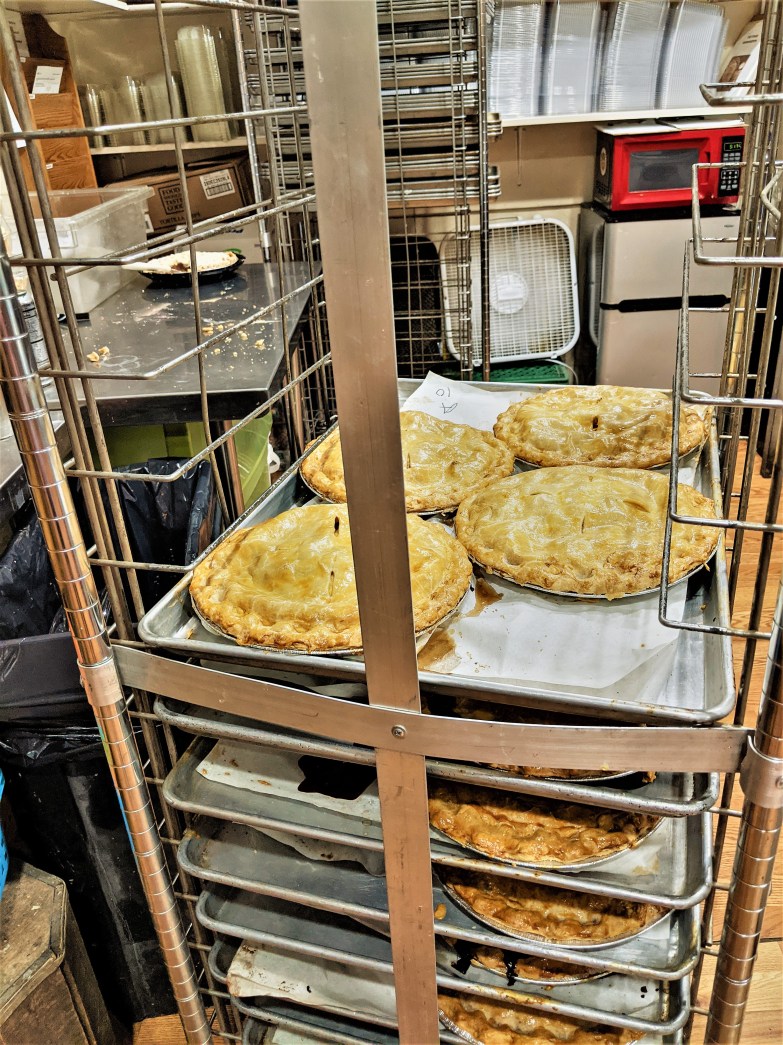
 Mrs. Warner made pies and Perry has kept up that tradition as well but on steroids. Rock Springs Café sells about 120,000 handmade pies a year—their busiest times being around the Thanksgiving and Christmas holidays. During the regular non-holiday week, they sell 250 to 350 pies daily and 500 each day of the weekend. The demand was so high that they started shipping pies about six years ago.

Their most popular pie is the Jack Daniels Bourbon Pecan Pie which Sean Penn ordered when he stopped by a few years back. My favorite is the Tennessee Lemon Pie, but for whatever taste, there’s a pie—chocolate silk, lemon meringue, banana cream, mixed berries, you name it. Their cream pies have a signature top to them—beehive cones that twists up and has been lightly given a pass over with a torch for a slight touch of golden brown atop the peaks. The pie business is so good that Perry, who has a long history as a consultant for large restaurant groups and also owns another eatery in Prescott, Arizona, has just renovated the old stone building where the Warners lived into The Pie Box. It had fallen into disrepair but now will sell pies and other pastries and feature seating areas both inside and out. Another plus, instead of crowding the restaurant and gift shop, people can come and get their pies here.

The property—about 60 acres—is private and it’s a free-range place. For Great Lakes people like me, that doesn’t mean much but in Arizona that translates to cows getting to roam free—which they do. Typically, in the morning they come around to drink from the spring. We haven’t heard of any ordering a pie to go but may be that’s next. They usually are gone by afternoon, maybe because they don’t want to be in vicinity when it comes time to make hamburgers. Because there’s a spring here, the gardens are pretty and lush with flowering plants, grass, and leafy trees. A small collection of historic buildings sells Native American art, organic and freshly grown produce, and specialty foods. There’s a wide selection of foods in the gift shop area of the café as well including cactus candies and other cactus goodies. Another room contains a huge Brunswick Bar built in 1856 and other artifacts from its early history.

Rock Springs in the 1920s and 1930s was what Perry describes as being an “urban western” place with a mix of cars and horses. That’s in comparison to Tombstone which was “frontier western”—pretty much just horses.  Whichever you stumble upon, it’s a refreshing reminder of what the west once was like.

Chicken Fried Steak

1 1/2 cups whole milk

2 large eggs

2 cups all-purpose flour

2 teaspoons seasoned salt

Freshly ground black pepper

3/4 teaspoon paprika

1/4 teaspoon cayenne pepper

3 pounds cube steak (tenderized round steak that’s been extra tenderized)

Kosher salt

1/2 cup canola or vegetable oil

1 tablespoon butter

Gravy:

1/3 cup all-purpose flour

3 to 4 cups whole milk

1/2 teaspoon seasoned salt

Freshly ground black pepper, to taste

 Mix the milk with the eggs. In another bowl, flour with the seasoned salt, 1 1/2 teaspoons black pepper, paprika and cayenne.

 Sprinkle both sides of each steak with kosher salt and black pepper, then place it in the flour mixture, coating on both sides.  Dip in the milk/egg mixture, again coating each side and then dip on both sides in the flour.

Heat the oil in a large skillet over medium heat. Cook the steaks three at a time making sure not to crowd them until their edges turn golden brown, about 2 minutes each side. Drain on paper towels and cover with another plate or tin foil to keep warm. Repeat with the next batch..

After all the meat is fried, pour off the oil/butter/dredgings into a heatproof bowl. Without cleaning the skillet, return it to the stove over medium-low heat. Add 1/4 cup of the oil back to the skillet and heat.

 Sprinkle the flour evenly over the hot oil. Mix the flour using a flour and stir until it turns a deep golden brown color.

Pour in the milk, whisking constantly. Add the seasoned salt and black pepper to taste and cook, whisking, until the gravy is smooth and thick, 5 to 10 minutes. Be prepared to add more milk if it becomes overly thick.

Jack Daniel’s Pecan Pie

 6 servings

1 cup granulated sugar

4 tbsp melted butter

1/2 cup dark corn syrup

3 large eggs, beaten

1 1/2 cup Pecan halves

2 1/2 tbsp Jack Daniel’s

1-9 inch pie shell, unbaked

Preheat oven at 375.

In a bowl, add sugar, melted butter, Jack Daniel’s and stir well.

Then add dark corn syrup, beaten eggs, pecans and stir well.

Place filling into pie shell. Transfer pie onto cookie sheet and place in oven.

Bake at 375 for 10 minutes. Then lower to 350 and bake for additional 25 minutes or until pie has set.

Tennessee Lemon Pie

3 eggs, separated

Zest of 1 lemon

1/4 cup fresh lemon juice

1/4 teaspoon salt

1 teaspoon vanilla extract

1 cup extra-fine sugar, divided

1 9-inch Pure Butter Pie Crust, pre-baked (see recipe below)

In a medium-sized bowl, beat egg yolks for 2 minutes. Add lemon zest, lemon juice, salt and 1/2 cup granulated sugar.

Transfer mixture to a double boiler and cook, stirring constantly, until very thick and a thermometer reads at least 182°F, about 10 minutes. Remove from heat, stir in vanilla and let cool for 15 minutes.

Preheat oven to 350°F.

In a large bowl, beat egg whites with a hand mixer or stand mixer, until stiff peaks form. Add remaining 1/2 cup granulated sugar and beat until just combined.

Fold egg whites into the custard, until just combined. Pour into pre-baked pie crust and then bake for 15 minutes, until pie is set. Top will lightly brown.

Pure Butter Pie Crust

2 1/2 cups all-purpose flour, preferably unbleached

1 cup (2 sticks) butter, unsalted and very cold

1/4 cup buttermilk or ice cold water

1 teaspoon salt

1 teaspoon extra fine granulated sugar

1 teaspoon vanilla extract

Place flour in a bowl of an electric mixer and place in freezer along with mixer’s paddle attachment for at least 20 minutes.

Cut butter quickly in small cubes and place in freezer for 15 minutes.

Combine buttermilk with salt, sugar and vanilla extract and place in refrigerator.

Remove cold flour bowl from the freezer and add butter. With paddle attachment mix mixture on medium speed until butter pieces become smaller than peas and mixture feels like coarse meal.

With machine mixing on low speed add buttermilk mixture very fast and mix just until dough forms. Do not overmix. Chill dough in refrigerator for at least one hour.

Roll dough into desired thickness of about 1/8 inch and use for baking pie. Shapes of leaves can be cut out for pies if desired.

For more information about Rock Springs Café, (623) 374-5794; rocksprings.cafe

Hummingbird Lounge: Appalachia cooking Meets New American Cuisine on Michigan’s Sunset Coast.

         Raised in Southern Appalachia in Stagg Creek, a slip of a town tucked in a corner of North Carolina hills and hollows near the Tennessee state line, Shane Graybeal describes the region as “food heaven” and the beginning of his fascination with food.

         “Both my grandparents had farms,” says Graybeal, who after graduating from culinary school at Johnson & Wales University in Charleston, South Carolina worked in France, Italy, Washington D.C. and spent seven years in Chicago working at such well known restaurants as  Bin 36 and Sable Kitchen & Bar. Along the way he was inducted into Chaîne des Rôtisseurs, the world’s oldest, largest and most prestigious food and wine society.

         But he missed small town living and being close to the farms where he sourced his foods.

          “I’ve been a fan of Southwest Michigan for many years,” says Graybeal who now is executive chef at the recently opened Hummingbird Lounge in New Buffalo. “When I was living and working in Chicago, I  sourced a lot from Southwest Michigan.”

         Among the local food producers they use are the Mick Klug Farm in St. Joseph and Kaminski Farms Meats in Three Oaks.

         Another plus for Graybeal was being back in a small town.

         “Though compared to Stagg’s Creek, which has a population of about 300, New Buffalo seems like a big city,” Graybeal adds with a laugh.

         Graybeal describes his food as a “cheffy take on American classics, comfortable food all dressed up.” I loved the description but was surprised to learn that “cheffy” is an actual word meaning relating to or characteristic of a chef.

         His take on food matches the overall philosophy of Hummingbird’s owner and operator Ben Smock who wanted to create a cocktail bar and restaurant that was comfortable and “served food you want to eat.” The lounge opened in April and is located in what had been a grand home built in 1901 that once housed a creperie in  New Buffalo.

         Smock has an extensive background in the food industry starting when he worked at his grandfather’s bowling alley in Davison, Michigan where he grew up. He graduated from Michigan State University’s hospitality program, worked at McCormick Place, Levy Restaurant group and the Ravinia Music Festival and started his own consulting business where he provided food service planning and events. He’s also opened a number of venues.

         The menu changes frequently, depending on what’s in season. Graybeal was excited because the first peaches were hitting the market along with blueberries and raspberries.

         “I’m thinking fruit cobblers,” he says.

         He also brings a bit of Appalachia to the menu.

         “Food is very important there,” he says, making one want to jump in a car and head south to see what he’s talking about. “And I think in the right context—pickling, charcuterie, foraging–it comes across very well.”

Earlier in the season, he took ramps, cut them into a tiny matchstick size and flash fried the garlicky wild greens to add to an asparagus dish. We’re guessing that the round super thin pickled with cherry Kool-Aid hails from the mountains as well—and they’re delicious.

Graybeal also made ramp vinegar which he now uses in some of his dishes. Now with fresh Michigan peaches available, he makes a jam to pair with pork, but kicks it up a notch with the addition of jalapeno peppers.

But, he notes, the food is a side note to the cocktails and what’s on the menu are more like a tapas bar—nibbles that are share,able. The Lounge’s cocktail team takes what Graybeal is preparing in the kitchen and concocts drinks to accent his flavors.

The cocktails—which also change frequently—have in the past included a Smoked Pineapple Margarita, a tequila based drink with seasoned and smoked pineapple and salted foam, The HRG Manhattan using Traverse City Whisky Company blend along with sweet Vermouth, Angostura bitters and a fancy cherry and A Real Dandy Old Fashioned with rum, demerara syrup, bitters and expressed orange. For those who don’t drink, there are spirit-free cocktails. There’s also a small wine list offering by the glass or bottle and local brews.

         Why did they name the place Hummingbird? Smock says they chose it because hummingbirds drink all day and it just fit because they are open throughout the season. For warm weather dining, there’s a large back porch and garden area. The garage has been redone and is now an inviting event space. The interior of the restaurant itself is very cozy with a curated antiquated feel to go with the history of the home including a fireplace flanked by columns, its mantel topped with a large mirror and coach lanterns, cozy rooms, polished wood floors, and the deep gray walls are accented with lots of white woodwork. The bar is sleek—less Victorian and more urban trendy which makes for a nice contrast.

Chef Graybeal’ s Pork and Peaches

Rub pork belly with salt, sugar, and vanilla powder. Place in pot. Cover and marinate overnight. The next day cover with lard and cook on low heat for three to four hours. Cool and then crisp up in a hot pan until golden brown and tender.

Peach Jam

Cook together for two hours, them finish with a squeeze of lime juice. Puree in blend until smooth and cool.

To serve—crisp the pork belly, put two ounces of jam on a warmed plate, top with the pork belly, slice a peach and toss with aged sherry vinegar, basil, parsley and mint and a little olive oil. Place on top of the pork.

Beef Skewers with Whipped Feta

For the Beef Skewers:

Grind the brisket, combine with the other ingredients and whip with the paddle attachment. Form into balls and then into long rolls, place each roll on a skewer.  Grill for six minutes on both sides.

For the Whipped Feta:

Combine in the mixer, whip using the the whip attachment until light and fluffy-like similar to icing.

Just for fun, I thought I’d include a recipe for Kook-Aid brined veggies.

Trish Yearwood’s Fruit Drink Pickles

Drain the brine from the pickles into a bowl. Add the fruit drink packet and sugar into the brine and stir until dissolved. Pour the brine back to the jar, discarding any that’s leftover. Refrigerate at least 2 days and up to 1 month.     

SAVOR THE SAN JUANS: A TASTE OF THE PACIFIC

An archipelago of islands off the coast of Washington State, there are 172 named islands and reefs in San Juan County but the main three–all with ferry service–are San Juan Island (with the county seat Friday Harbor), Orcas Island, and Lopez Island. Not only are they the most populous but each offers a myriad of lodging, dining, and activities for visitors.

The 13 defining tastes of the San Juan Islands are salmon, heritage fruit, foraged botanicals, shellfish (think oysters and clams), crab, lamb, Mangalitsa Pork, seaweed and salt, lavender and hops, cider and apple brandy, grains, goat cheese and white wines.

Here’s a sampling of what visitors can find:

Spiced apple with chocolate and pumpkin cream-filled doughnuts. Cardamom buns. Buckwheat tahini chocolate cookies. Savory brioche tarts with leek, chevre, and kabocha squash. All of the ingredients for these mouth-watering pastries? Entirely sourced locally by creator and owner of new Seabird Bakeshop, Brea Currey, from Orcas Island farm stands like West Beach and Maple Rock, eggs from neighborhood chickens, and flour from Fairhaven Mills in Burlington. Since September, Seabird Bakeshop has been thriving on Orcas Island where chefs are thinking creatively about how to bridge food and entrepreneurism during the time of coronavirus. Thus far, Currey’s success is, among other things, a testament to the power of baking as a 2020 survival strategy on Washington’s farm-to-table captivated island. Find Seabird on Facebook and Instagram: @seabirdbakeshop

 Myers Creamery on Orcas Island, Quail Croft on San Juan Island, and Sunnyfield Farm on Lopez Island all are expect at making fresh chevre, herbed cheeses, washed-rind and aged cheeses, all of which can be found at each island’s farmers’ markets, and at the Orcas Island Food Co-op and the San Juan Island Food Co-op. Following the seasons, goat cheeses start out fresh and creamy in springtime when the goats graze on spring grass. As the grass matures, so does the flavor of the cheese, until at the end of fall, the cheeses are more intense, earthy and, dare we say, “goaty.”

Cold pressed cider. Small batch granola. A box full of farm-fresh greens. Locavores, look no further: the newly aggregated Washington Food and Farm Finder features 1,700 farms, farmers markets, and food vendors with offerings “grown, caught, raised, or made” across the state. Find San Juan Islands favorites like Ursa Minor, Madrone Cellars, and Buck Bay Shellfish Farm. The guide has filters for pickup or delivery services, markets, food trucks, or specialty food and beverage locales. Icons designate sustainable fishing or animal welfare certifications, as well as veteran-, woman-, and BIPOC-owned businesses. For more information: https://eatlocalfirst.org/wa-food-farm-finder/

Island makers Girl Meets Dirt and Madrone Cellars & Ciders are winners in the annual Good Food Awards for 2021. Madrone’s Barrel-Aged Currant took top prize in the Cider category. Girl Meets Dirt has winners in both the Preserves and Elixirs category. Their Rhubarb Lavender Spoon Preserves are a great choice for charcuterie. The Rhubarb shrub and Shiro Plum Tree bitters give some extra oomph to your signature cocktails. Shop Girl Meets Dirt winners here: www.girlmeetsdirt.com/shop and Madrone Cellars here: https://madronecellars.com/

Local favorite San Juan Sea Salt is rolling out a new line of flavored salts: the Deli Series, starting with Everything but the Bagel. All the yum of everything bagels, none of the carbs! Try this on avocado toast, mixed with your breading for fried chicken, and snacking on it straight from the jar! Everything but the Bagel joins the Dill Pickle Salt as an homage to class deli flavors. The Dill Pickle Salt is a tangy, dilly, zesty, garlicky salt with just the right magic to give your mouth the déjá vu feeling of crunching into a darn fine pickle. Find these and others here: www.sanjuanislandseasalt.com/online-store/NEW-c48889151

Buck Bay Shellfish Farm

Buck Bay Shellfish Farm on Orcas Island is a hidden gem where you can stop in for a couple of pounds of fresh clams or oysters, or you can while away a whole afternoon shucking oysters and drinking wine (BYOB) while looking out over the serenity of Buck Bay just yards away.

New owners Eric and Andrea Anderson rebuilt the docks and oyster shack at Westcott Bay Shellfish Farm on the north end of San Juan Island. They’ve also linked the property to trails connecting to English Camp, making their shellfish farm a destination for hikers and bicyclists as well.

Island wineries produce light, refreshing whites that pair well with seafood and other San Juan specialties. Owners Yvonne Swanberg of San Juan Vineyards, and Brent Charnley of Lopez Island Vineyards grow and makes Siegerrebe and Madeleine Angevine from their estate vineyards.

OLYMPUS DIGITAL CAMERA

Westcott Bay Cider, one of the oldest cideries in the state of Washington, ferments three types of ciders from the “bitters” and “sharps” from their orchard, from traditional dry to medium-sweet styles. The cider is then distilled into a clear eau-de-vie and aged in wine barrels.

Orcas Island Cider and Mead Festival has drawn two dozen cider and mead producers from throughout the region.

Local farmer Brady Ryan started San Juan Island Sea Salt, made by collecting salt water from the Salish Sea and drying it in special bins to retain the fluffy white crystals that are then flavored with such botanicals as smoked madrona bark, dried kelp, lemon peel and various dried herbs.

In any list of definitive island flavors, lavender deserves its own category, partly because it is a cultivated botanical rather than a forged one. But it’d also an important part of island culture.

Pelindaba Lavender Farm has been growing lavender and creating lavender products for almost 20 years. At the farm, you can stroll the lavender fields, learn about how lavender oil is extracted and distilled into almost 250 products made onsite, including many food products such as lavender teas, salad dressings, ice cream and herbal rubs.

Island grown hops are used in the beers made by Orcas Island’s Island Hoppin’ Brewery, adding floral and bitter notes and a local touch to these tasty beers. You can visit the brewery and tasting room just outside of Eastsound.

Chef Geddes Martin, owner of the Inn at Ship Bay, raises his own Mangalitsa hogs in partnership with his friend and farmer, John Steward of Maple Rock Farm and Hogstone’s Wood Oven. Mangalitsa is a breed that’s known as the “hairy pig that is the Kobe beef of pork,” with more flavor and marbled fat than standard industrial-raised pork, and makes for amazing pork belly or pork loin.

CHURROS AND CHOCOLATE: THE PERFECT END TO AN EVENING IN MADRID

In Madrid, we take a cobblestone street down a narrow street between Plaza Mayor and Puerta del Sol to El Pasadizo San Gines and happen upon Chocolatería San Gines, the oldest churro shop in the city, having opened in 1894. There are two shops, just across the way from each other and both have long lines. But it’s our last night in Madrid and we are willing to wait. Ordering our churros and chocolate along with cups of coffee we find a outdoor table and sit down to wait–impatiently–for our treats. The churros when they are arrive are thick ropes of sugar coated dough fried to a golden brown and hot to the touch. We tear off chunks and dip them in deep bowls of thick rich chocolate and then taste. Sublime.

I think of churros as originating in Spain where they may have first been by shepherds, their name coming from the horns of the Churra sheep they tended. In turn the Spaniards, when they invaded Mexico, brought along their foods including churros and  buñuelos–a similar dish. Churro and chocolate shops are now common throughout Mexico. But their history may be more complicated as Portuguese sailors returning from China may have carried the recipe for youtiaos, another fried bread snack.

It’s close to midnight when we finally finished but this being Madrid the streets were just a lively and people still stood in line for their churros and chocolate.

Back in the U.S., I was desperate for my churro fix. Fortunately, there’s Take & Bake Churro Kit from San Diablo Artisan which beats making these treats from scratch. The company says they’re the only churro kit maker in the country making it a one-of-a-kind gift. There’s no messing with dough, making your own filling or frying them up. Instead, the kit contains 13 pre-made and chilled mini churros already fried to a golden brown and dusted with sugar and cinnamon as well as a selection of fillings such as Nutella, dulce de leche or sweet cream already packaged in squeeze bottles. Just fill the churros and pop in the oven or air fryer to reheat.

For the real foodie who wants to do a deep dive into churro making, San Diablo Artisan, a Utah based company, also sells churro dough so you can roll your own. And if you want to go all out when it comes to making churros, you can buy their recently introduced kit with a churro maker and nine different shapes of interchangeable nozzles.

San Diablo Artisan Churros specializes in creating artisan-filled churros for special events and celebrations. The proprietary, award-winning churro dough recipe is made from scratch and fried on-demand. The fried golden brown, hollow-centered churros are filled with “happiness”—gourmet fillings of choice. In a relentless search for churro perfection, the menu has expanded to include seasonal flavors, savory churro offerings, and nationwide at-home delivery. San Diablo members enjoy outstanding quality artisanal food that is undeniably fresh, delicious, and delivered with a unique style of fun. Like their Artisan Churros, San Diablo is filled with social good: supporting local, national, and international non-profit causes. 

Le Relais de Venise’s Secret Sauce

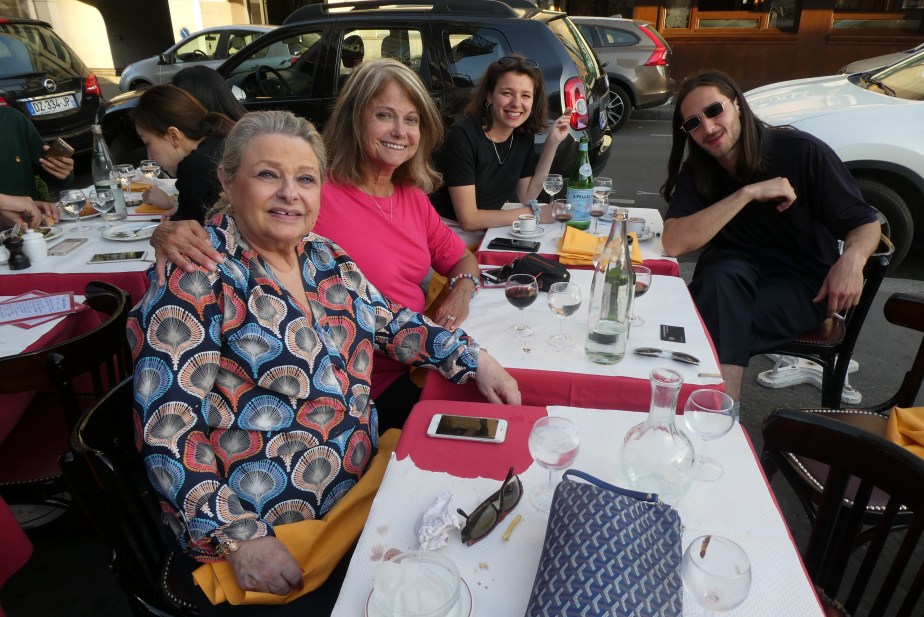
 Little did we know that when we dined at the corner restaurant near our hotel in Paris that we were eating at a place where for years there’s been a fight over the secret sauce that’s served with their steaks.

        Maybe it’s a French thing.

        For some background, my husband and I were on our honeymoon and had booked a Viking River Cruise on the Seine and then added some before and after stays in Amsterdam where it is more easy to get run over by a bicyclist then a car and Paris where we stayed at a little hotel near the metro in the 17th arrondissement so we could visit other parts of the city without spending a fortune on cabs. Though we didn’t plan it this way, Hotel 10 Le Bis, our hotel was near numerous little cafes and a little grocery store where we could easily—and cheaply eat or buy food for quick meals and snacks.

        One intriguing café was Le Relais de Venise where every night we would see long lines of people waiting to eat either in their dining room or on their outdoor patio. Though the interior of the restaurant looked so French bistro with its polished dark wood, tiny tables with crisp white table cloths, and servers dressed in black uniforms, the outdoor section was right on a busy corner filled with traffic and pedestrians, noise, and the rumbled of trucks and sounds of horns honking.

        What could be so great about lining up to eat there, we wondered. But one evening, after climbing up from the metro station and seeing there was no line, we decided to give it a try. The only tables available were outdoors and so we sat at a very small table next to another small table where a single woman sat, smoking a cigarette. That turned out to be a very lucky thing.

        When our server arrived I asked to see a menu and she (we would find out later her name was Gertrude) abruptly told us she was the menu. Well, what could we order? Steak frites, she replied—either “bloody or well done.”

        We told her “bloody”, and she gave us an approving look. But we were a little baffled. Was there really only one dish on the menu?  It turns out that at this restaurant which opened in 1959, there was only one entrée and steak with French fries was it. When our waitress returned with a salad topped with walnuts (no one inquired whether we had a nut allergy—which fortunately we don’t) and a crusty French baguette, I saw there wasn’t butter on our table and asked for some. Oops, one would think I had tried to order a Big Mac.

        “No butter,” Gertrude told us.

        “There’s no butter?” I asked.

        “No butter,” she replied.

        “How about olive oil?”

        “No olive oil,” she told us.

        Now, I knew that in a French restaurant there had to be both in the kitchen, but I guess neither butter nor olive oil was allowed to be carried into the dining area, so we ate the bread—which was very good—without either.

        This is when the woman at the table next to us decided to intervene. She lived in Paris she told us but had spent years in the United States working as a publicist for musicians in New York. Le Relais de Venise was unique, she continued, because they only served one dish—steak with French fries served with Le Venice’s Sauce de Entrecote.  I guess that makes decided what to order for dinner super easy.

        Since the creation of the sauce, its exact ingredients have been kept secret and that probably worked until the invention of the internet.  After some type of family squabble and a going of separate ways, the sauce itself became a battleground so complex and full of intrigue that the Wall Street Journal did a lengthy article about it all six years ago.   I guess when you serve only one dish and the sauce is a necessary part of it, feelings about who owns the recipe loom large.

        Anyway, after we ate our salad (no choice of dressing as it already was dressed with a vinaigrette which was very good), our steak with fries arrived—with the sauce spooned over the meat. It was delicious.

        What’s in it? I asked the woman next to us.

        “It’s a secret,” she said. “But I’ve been eating here for decades so I know it. But it’s really better to come here.”

        She promised to give me the recipe, but I think she changed her mind because she never sent it. She may have been afraid that Gertrude would get mad at her or maybe the restaurant owners wouldn’t allow her back in. Neither would surprise me.

        I noticed, as we were eating, that the servers were moving through the crowded café with platters of meat and piles of French fries. And almost as soon as I had cleared my plate, Gertrude showed up again, heaped—without asking but that was okay—more French fries and slices of the sliced steak and sauce on my plate. At no charge.

        “They’ll do that until you say you don’t want anymore,” the woman told us.

        “Is there a charge?”

        “No, it’s all part of the meal.”

        Which was a deal as the tab wasn’t very high even with the addition of a glass of the house wine which is made at the family owned vineyard Chateau de Saurs in Lisle-sur-Tarn, 30 miles northeast of Toulouse. Indeed, the restaurant was opened by Paul Gineste de Saurs as a way to help market the wines but now there are at least three—the one in Paris and then another in New York and London. As for the sauce there are several stories. A rival restaurant said to serve a similar sauce says that it is not new but instead was one of the classic sauces said to be the backbone of French cuisine.

        Another has it that the restaurant where we ate was modeled after Cafe de Paris bistro in Geneva which has served this dish since the 1940s. The sauce, according “The History and the Development of the L’Entrecote Secret Sauce,”  a Facebook page devoted to the subject, was developed by the owner’s father-in-law.

        I told you it was complicated.

        Of course, as soon as we got back to our room, I Googled the restaurant and the sauce. It took some digging, but I found recipes for both the secret sauce and the salad. Or so I think. I’m planning on trying them soon along with a French baguette or two from Bit of Swiss Bakery which I will be serving with butter.

Le Relais de Venise-Style Salad Dijon Vinaigrette

1 tablespoon Dijon mustard
1 tablespoon white wine vinegar
Kosher salt to taste (nutritional info based on 1/4 tsp)
Freshly cracked black pepper, to taste
2 tablespoons extra virgin olive oil (or walnut oil)

Whisk or shake in a mason jar until mixture is homogenous.

Serve on a bed of mixed salad leaves topped with some chopped walnuts and shaved Parmesan.

Serving Size: 4

Le Relais de Venise’s Steak Sauce

  • 1 tablespoon olive oil
  • 2 large shallots
  • 3 cloves garlic, chopped
  • 2 cups chicken stock
  • 1 teaspoon pepper
  • 2 tablespoons mustard
  • 1 bunch tarragon
  • 3 tablespoons red wine vinegar
  • 1 teaspoon anchovy paste
  • 1 teaspoon Worcestershire sauce
  • 1 teaspoon kosher salt

Peel and slice the shallots.

Peel and roughly chop the garlic.

Add the olive oil to a small pot over medium heat.

Add the garlic and shallots and cook until soft and slightly colored.

Add the chicken stock. Simmer for three minutes.

Pull the tarragon leaves off of the stems and put them in a blender.

Add the remaining ingredients to the blender.

Carefully pour the chicken stock mixture into the blender.

Puree until completely smooth.

Pour back into the pan and bring to a boil. Cook for one minute. If the sauce is too thin simmer for a few more minutes.

Pour over slices of rare or as Gertrude calls it “bloody” or however you like your steak. Serve with potatoes or French fries.

FOR THOSE LIKE ME WHO THOUGHT SIRACHA WAS HOT

My friend Sophie Clinton, Sophie Clinton, Senior Digital PR Executive at The JBH: The Digital PR Agency sent me a fascinating research study from money.co.uk titled Searching for the Sauce

For those of us who like hot sauce, it a scientific study of the hottest chillis, their Scoville Hotness Units (SHUs), what foods go well with the heat and the peppers and other interesting facts. So before you add sprinkle any of the following on your food, read up.

1. Mad Dog 357 Plutonium No. 9 – 9,000,000 SHU
 

  • Plutonium Pepper Extract
  • 5,300
  • Do not consume directly, strictly a food additive only. 

The world’s hottest sauce is Mad Dog 357 Plutonium No. 9 and comes in at 9 million Scoville Hotness Units (SHUs).

To put that in perspective, pepper spray, the substance used to stop criminals, clocks in at around 5.3 million SHUs – 3,700,000 SHUs less than Mad Dog 357 Plutonium No. 9. 

Mad Dog 357 Plutonium No. 9 is also 60% pure capsicum, and comes in a solid form. In order to consume the fiery substance, you have to heat the sauce to 140 degrees Fahrenheit just to get it out of the bottle. 

2. El Yucateco Green Chile Habanero – 8,910 SHU

  • 8,910
  • Green habanero peppers
  • 11,000
  • Chicken, fries, eggs, pizza

El Yucateco is made with fresh habanero peppers, garlic, select spices and seasonings. This special mix of ingredients adds a homely and fresh flavor to dishes.

It is ideal to accompany any kind of food, but especially meat and cold dishes. You can even mix up your own spicy Guacamole with a few drops of this popular hot sauce.

The study revealed that hot sauce fans in the US were searching for the brand more than any other country, with 8,300 searches made each month by American foodies. Texas preferred El Yucateco over any other, and the sauce scored a respectable 8,910 SHUs.

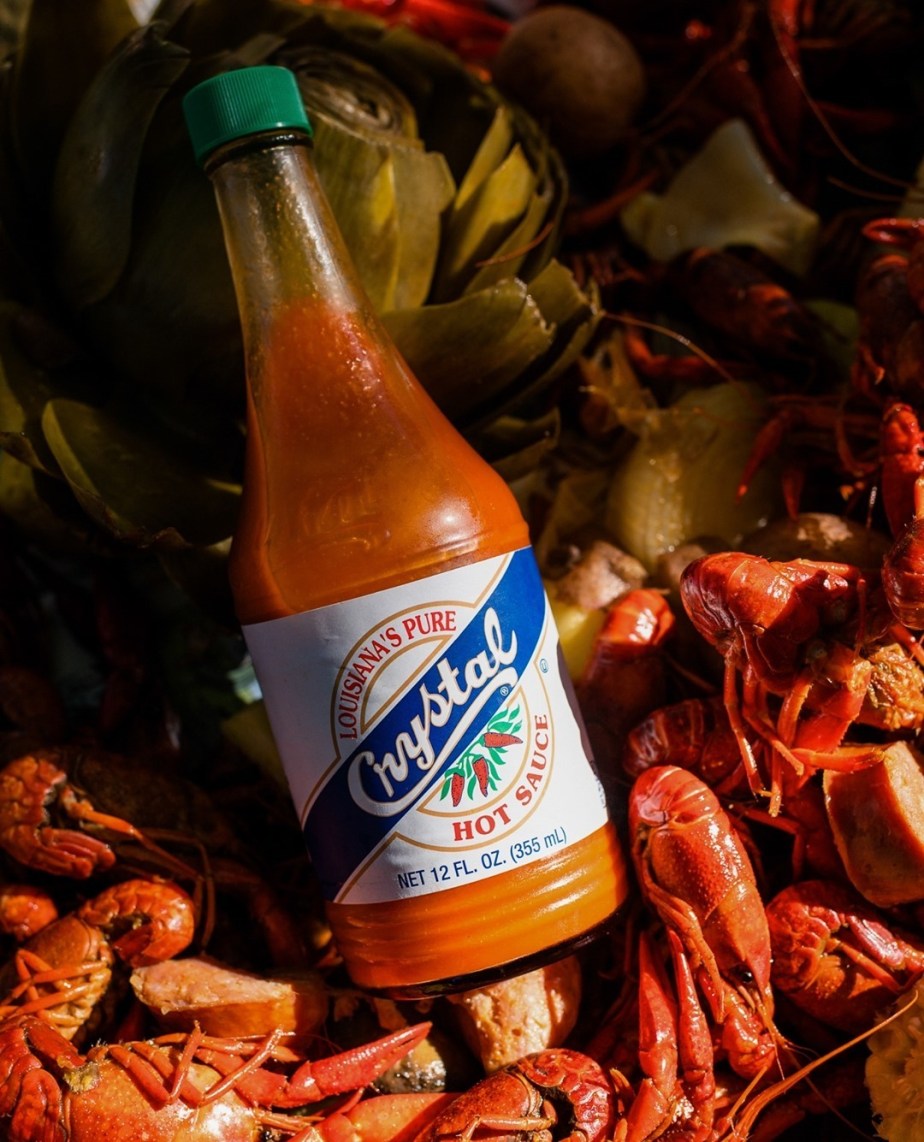
3. Crystal Hot Sauce – 4,000 SHU


  • 4,000
  • cayenne peppers
  • 11,000
  • Sandwiches, eggs, chicken

The cayenne peppers in Crystal Hot Sauce have a Scoville rating of between 30,000 and 50,000, which makes them four to twenty times hotter than a jalapeño pepper. However, the sauce itself offers a comparatively mild heat of 2,000 to 4,000 SHUs. 

Aside from the peppers, Crystal Hot Sauce also contains distilled white vinegar that serves as a complement to the heat of the peppers. The last ingredient that makes up Crystal Hot Sauce is salt.

Hot sauce lovers in the US search for the brand around 10,000 times each month, with Louisiana, Georgia, Alabama, and Mississippi all searching for the hot sauce the most. Louisiana topped the list with 646 monthly searches. 

4. Tapatío Hot Sauce – 3,000 SHU


  • red peppers
  • 1,200
  • Tacos, breakfast dishes, eggs

Tacos, breakfast dishes, eggs

Tapatio Hot Sauce entered the business world in 1971, and the condiment has come a long way since. A robust habanero sauce with great flavour that’s good for all round use.

Tapatío can be found in sizes ranging from individual packets to gallon-sized bottles and provides hot sauce fans with a kick at 3,000 SHUs. 

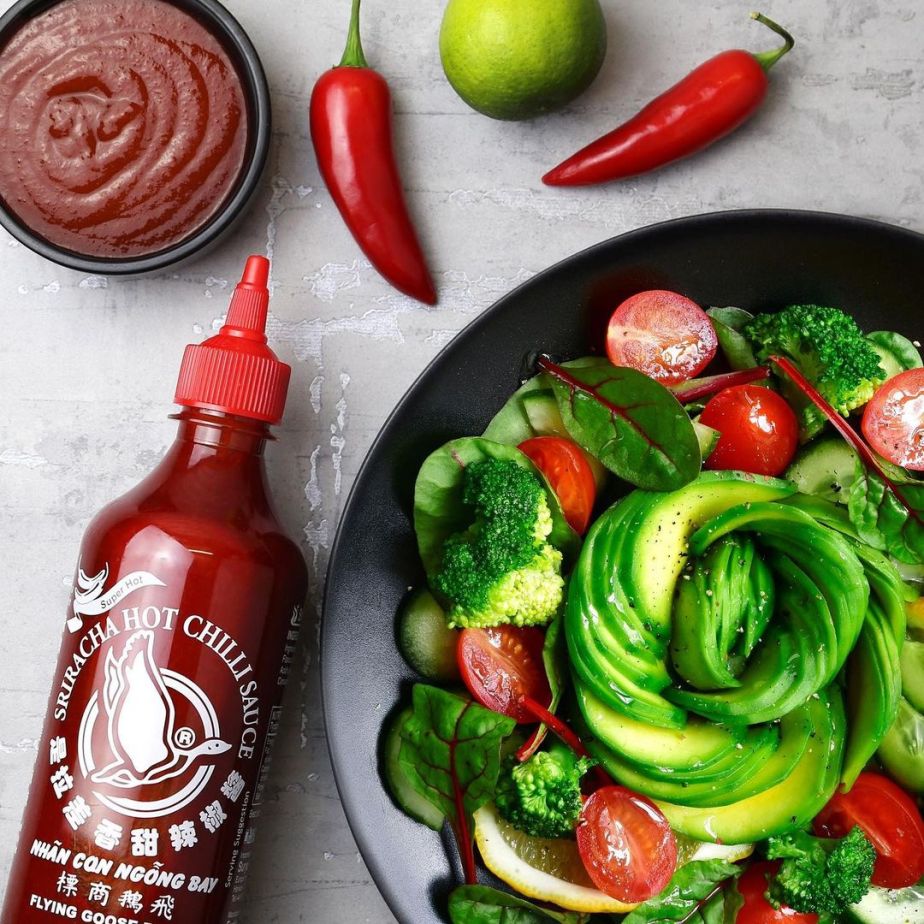
5. Sriracha Sauce – 2,200 SHU

Base Chilli: red jalapeño chili peppers

Pairs well with: Eggs, pizza, burgers, fries, hot dogs, sushi, chicken

Sriracha is arguably one of the most common varieties of hot sauces found in pantries the world over. The condiment is tasty, garlicky, and ultra versatile. 

Sriracha emerged as the most popular hot sauce in the world, according to the study by money.co.uk, with 77% of the countries included in the report searching for the spicy condiment more than any other. 

The US is searching for Sriracha the most, with 151,000 monthly searches being made for the condiment. That’s 5,033 London bus passengers worth each month.

This is followed by spice lovers in both the UK and Australia, searching for Sriracha 55,000 and 23,000 times per month, respectively.

6. Cholula Hot Sauce – 1,000 SHU

Arbol and piquin peppers

Pizza, sandwiches, tacos, burgers

The product is packaged in a glass bottle with a distinctive round wooden cap. Six varieties of Cholula are widely marketed in North America and the brand can be found in almost every Mexican restaurant. The sauce is satisfyingly hot with ingredients such as pequins (which are seven times hotter than a jalapeño) and arbol peppers, which lends its unique flavour to the brand, setting it apart from Louisiana hot sauces.

The study found that Cholula Hot Sauce was the most popular sauce in the US, with 32,000 searches for the condiment being made each month by spice loving foodies. 

In fact, the condiment took the top spot in 40 states, with 15,248 searches each month, including New York, Florida and Illinois. Cholula is widely available in the US and scores between 1,000 and 2,000 on the Scoville heat scale.

7. Texas Pete

  • red cayenne peppers
  • 10,000
  • Breakfast dishes, burgers, fries

Everyone’s got some Texas Pete sitting around in their pantry. The condiment is a great option for when you want something a little hotter than normal but you also don’t want to burn your mouth out. 

Texas Pete was founded in 1929 in North Carolina by the TW Garner Food Company. The sauce first originated after customers at the Dixie Pig BBQ stand in Winston-Salem asked for a spicier sauce to accompany their food, leading to the creation of the popular brand.

When first developing the brand name, a marketing adviser suggested “Mexican Joe” to connote the spicy cuisine of Mexico. However, this was opposed due to the creators wanting the name to be American. Therefore, as Texas is known for its spicy food; this was combined with Pete. 

8. Tabasco – 700 SHU

  • Tabasco pepper
  • 190,000
  • Sandwiches, salads, burgers, pasta, French fries, cheese fries, pizza, and even mashed potatoes

Tabasco is an American brand of hot sauce made from vinegar, tabasco peppers, and salt. It is produced by the McIlhenny Company of Avery Island, southern Louisiana. 

Although the regular Tabasco sauce only ranks at 400 SHU, Tabasco Green Sauce hits the scale at 1,000 SHU, Tabasco Pepper Sauce reaches 3,500, and the Tabasco brand ‘Habanero Sauce’ gets up to a tingling 8,000 SHU. Meaning that the brand knows how to cater for all spice levels. 

9. ‘Louisiana’ Hot Sauce – 450 SHU

  • Cayenne peppers
  • 13,000
  • Chicken wings

Louisiana hot sauce is also a very popular and common condiment that will most likely feature in many kitchen cupboards around the world. 

With over a 90-year history of great taste and quality, the brand of hot sauces continues to use the time-honored techniques of Louisiana style cooking. The sauces are produced using simple ingredients, including carefully selected and hand-picked, authentic sun-ripened peppers.

The low Scoville units demonstrates why this condiment is such a crowd pleaser, with the sauce adding a slight kick to any dish without burning your tongue. 

10. Frank’s Red Hot Sauce

  • Cayenne
  • 1,100
  • buffalo wings 

Frank’s RedHot was actually the main ingredient used in the first buffalo wing sauce created in 1964 at the Anchor Bar and Grill in Buffalo. 

Frank’s RedHot sauce might not be the spiciest- with a Scoville score of just 450 – but it’s certainly popular in America. Californian foodies are the biggest fans of the hot sauce with 3,033 monthly searches being made for the hot sauce. 

Frank’s RedHot is made from a variety of cayenne peppers, and was first launched in 1920 by McCormick.

Hot Sauce Popularity Around the World

Hot sauce lovers, we know you’re a dedicated bunch when it comes to those fiery condiments. After all, what would Moroccan food be without a dash of Harissa? Or Thai food without the added Sriracha heat?

Many home cooks are utilising the expansion of their local supermarkets world cuisine aisles and discovering new and exotic condiments along the way. 

By experimenting and adding previously undiscovered sauces to dishes, added depths of flavour are instantly released that help bring food to life. The global hot sauce market reached a value of $4.5bn in 2020, highlighting just how addictively popular hot sauce has become. 

But why do so many of us have such a deep love of chili, spice and all things nice?

Well, when you consume foods containing chili peppers, certain receptors in your mouth react extremely powerfully, and that tricks your brain into thinking that your mouth is on fire. 

As part of the body’s response to this stress, you will produce endorphins to help stem the pain. These endorphins subsequently make you feel joyful.