With its fairytale half-timbered houses, breathtaking castle ruins, and welcoming locals, Nagold captures the heart of every traveler looking to experience the authentic soul of the Black Forest.
Hohennagold Castle
Atop a hill overlooking the town, the majestic Hohennagold Castle invites visitors to walk in the footsteps of medieval knights and nobles. The panoramic view from the ruins of the castle which was built in 1102 and known locally as the Old Castle or Altes Schloss, stretches far across the Nagold Valley and is the perfect backdrop for unforgettable memories. Down below, Nagold’s historic town center enchants with narrow lanes, boutique shops, and cozy cafés. It’s no wonder Nagold has been recognized as one of Baden-Württemberg’s “Kleinstadtperlen” (Small Town Pearls)—a title reserved for places that combine culture, beauty, and hospitality in one unforgettable package.
Throughout the year, there are many kinds of events, including the garden show, the toy convention, the midsummer festival, the Celtic festival, theater performances, street fairs and food markets. There are many lively opportunities for visitors to dive into the local culture. This year, from October 2025 to March 2026, Nagold will be hosting diverse classical music concerts with top-notch regional musicians.
The year ends on a high note on the second weekend of Advent (December 5–7, 2025), the Nagold Christmas Market transforms the historic town center around the market square into an enchanting storybook winter wonderland with over 80 beautifully decorated huts, fragrant mulled wine, and roasted almonds, inviting young and old to enjoy a pleasant get-together. And, from Easter to October, the little train through the park is a delight for children (and, many times, their parents too).
Also a paradise for outdoor lovers. In Nagold, hikers and cyclists will discover an extensive network of scenic trails such as the Seven Hills Trail, the Nagold Valley Cycle Path, and the newly opened Mörike Trail. The latter, a special route, honors Eduard Mörike, the famous German Romantic poet and novelist who once stayed in Nagold for a health retreat with his friend, pharmacist Gottlieb Zeller.
The Mörike Trailwinds through serene forests, mysterious “lost places,” and historical landmarks—inviting travelers to step into poetry and time itself. After all, Germany is the land of poets and thinkers, and here, you can feel it in every step. Be sure to spend time in the Visit Zeller-Mörike Garden, which is free and open to the public and a short walk from downtown.
With easy access to major cities like Stuttgart and Tübingen, and a strategic location at the gateway to the Black Forest, Nagold is the ideal base for a European adventure–one that impacts our soul with stories, scenery, and an immersion into a different world.
Zicasso is proud to announce its latest cultural tour offering, 8 Days in Puccini’s Footsteps: A Musical Pilgrimage Through Italy, designed for travelers seeking an immersive experience into the life and work of the renowned Italian composer Giacomo Puccini, in honor of the 100th anniversary of his death in November 2024. This meticulously crafted itinerary offers a journey through the locations that shaped Puccini’s illustrious career, providing travelers with a rich tapestry of music, history, and Italian culture.
Massaciuccoli Lake. Torre del Lago. Photo courtesy of Anna Massina.
On this eight-day tour, guests will be fully immersed in the world of Puccini, tracing his steps from the bustling streets of Milan to the serene lakeside of Torre del Lago. This tour is designed for those who appreciate classical music, history, and the vibrant culture of Italy, offering a unique opportunity to connect with the environments that inspired Puccini’s greatest works.
This eight-day tour provides a rare opportunity to follow in the footsteps of one of Italy’s most beloved composers, offering an enriching blend of music, history, and breathtaking landscapes. Priced starting at $3,190 per person, the tour as listed includes premium accommodations, guided tours, all transfers, daily breakfasts, and opportunities to attend opera performances in Milan and Rome.
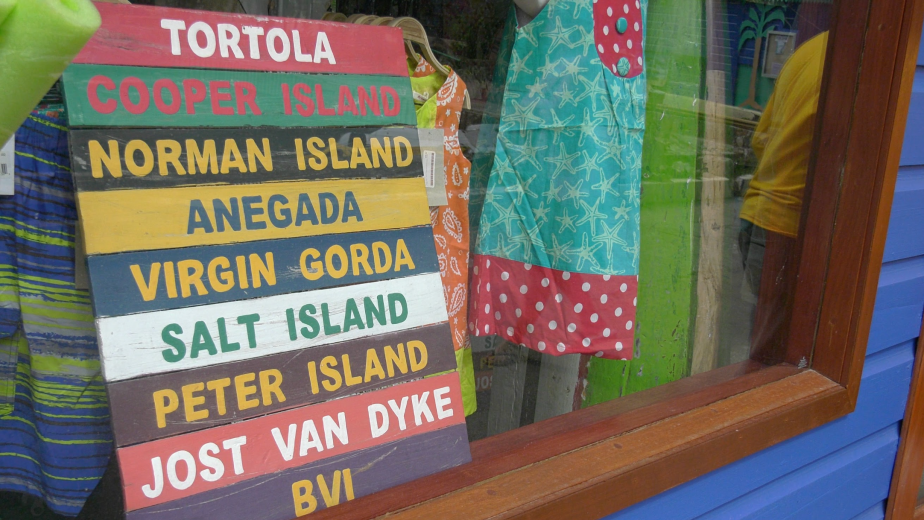
Sailing vacation packages that make charters easy and accessible for non-sailors are now available in the British Virgin Islands, Martinique, Tahiti and the Seychelles.
default
Dream Yacht Worldwide, the world’s leading yacht charter company, is bringing its successful crewed yacht product “Easy Crewed” to 4 new destinations this summer. The concept that was specifically designed for those new to chartering launched last year in Greece and Croatia and is offering easy-to-book, flexible, and price-competitive sailing vacation packages.
The “Easy Crewed” charter program builds upon the company’s highly successful “Cabin Cruise” vacations for singles and couples, currently offered in more than 15 idyllic destinations worldwide.
The Cabin Cruise concept was pioneered and developed by Dream Yacht Worldwide in the effort to make sailing vacations accessible to travelers unfamiliar with yacht charters. The Easy Crewed offering is a natural evolution in this endeavor, extending the concept to feature private yachts for groups of family and friends up to ten.
The addition of the British Virgin Islands, Martinique, Tahiti, and the Seychelles as Easy Crewed charter destinations offers guests even more flexibility regarding their preferred vacation destination and together with Greece and Croatia creates a unique blend of Mediterranean, Caribbean and exotic locations available to choose from.
A one-week charter trip will let guests explore breathtaking coastlines, ancient ruins, crystalline waters, amazing local cuisine with fresh ingredients, and countless dazzling islands that can only be reached by boat.
Those planning their yacht charter vacation need only choose a destination and boat type based on their preferences and number of people in their travel group. Monohulls and sailing catamarans from 38’ to 54’ are among the yacht choices, all with comfortable private guest cabins with ensuite or shared baths. Easy Crewed Charters come complete with an experienced local skipper and watersports equipment including a standup paddle board and snorkeling gear. The skipper works with the guests to plan a custom itinerary that accommodates desired activities, day stops and night anchorages.
For additional comfort guests can choose to add a hostess/cook, air conditioning, and meal packages to include all breakfasts and lunches or even all meals in more remote cruising grounds. These meal plans cater to the guest’s specific preferences.
Easy Crewed Charters are currently available to book for Summer 2023 and beyond. As an example, the one-week package prices start as low as $630 per person for 10 guests aboard a 47- to 56-foot monohull in Croatia and $1023 per person for 10 guests aboard a 43- to 47-foot monohull in the British Virgin Islands.
About Dream Yacht Worldwide – The World’s Leading Ocean Tourism Company
Part of the Dream Yacht Group, we were founded by Loic Bonnet in 2000. We set out from the start to revolutionize the industry by making sailing accessible to all. Originally launched in the Seychelles with just six boats, Dream Yacht Worldwide now has one of the largest charter fleets, and more than 50 exciting destinations worldwide, including the Caribbean, Bahamas, Indian Ocean, Pacific Ocean, Asia, Americas and Europe.
Little did we know that when we dined at the corner restaurant near our hotel in Paris we were eating at a place where for decades a family divided had fought over the secret sauce served with their steaks.
Maybe it’s a French thing.
For some background. My husband and I were on our honeymoon and had booked a Viking River Cruise on the Seine and then added some before and after stays in Amsterdam where it is more easy to get run over by a bicyclist then a car and Paris where we stayed at a little hotel near the metro in the 17th arrondissement, known as Batignolles-Monceau,so we could visit other parts of the city without spending a fortune on cabs. Though we didn’t plan it this way, Hotel 10 Le Bis, our hotel was near numerous little cafes and a little grocery store where we could easily—and cheaply–buy food for quick meals and snacks.
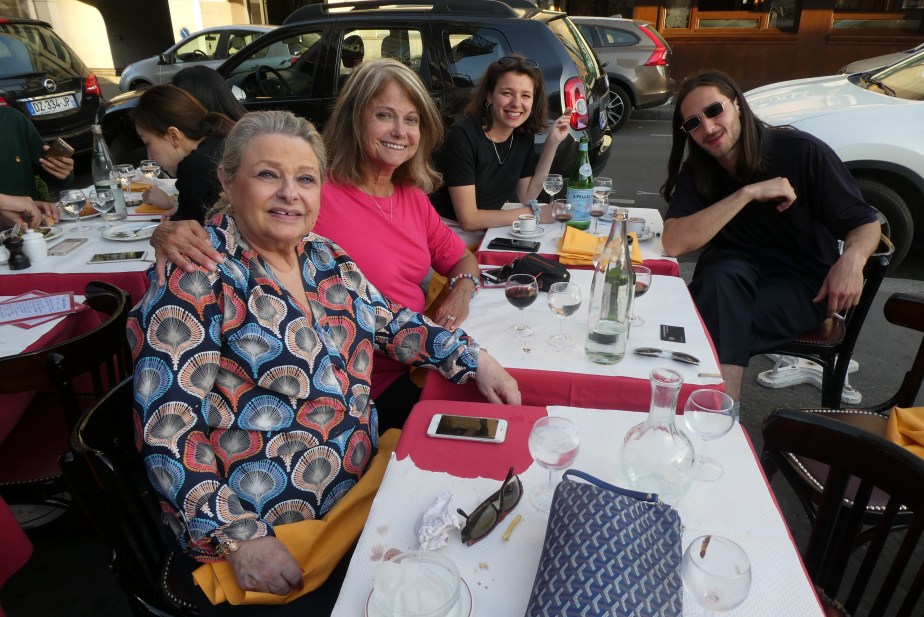
One intriguing café was Le Relais de Venise (the name translates to Venetian Inn) where every night we would see long lines of people waiting to eat either in their dining room or on their outdoor patio. The interior of the restaurant looked so French bistro with its polished dark wood, tiny tables with crisp white table cloths, and servers dressed in black uniforms, the outdoor section was right on a busy corner filled with traffic and pedestrians, noise, and the rumbled of trucks and sounds of horns honking. So depending upon your mood you could choose where to dine.
What could be so great that people would wait for hours for a table when there were so many great cafes and restaurants around? And so we didn’t go until one evening, after ascending from the metro station and seeing there was no line, we decided to give it a try. The only tables available were outdoors and so we sat at a very small table next to another small table where a single woman sat, smoking a cigarette. That turned out to be a very lucky thing.
When our server arrived I asked to see a menu and she (we would find out later her name was Gertrude) abruptly told us she was the menu. Well, what’s on the menu? Steak frites, she replied. “bloody or well done.”
We told her “bloody”, and she gave us an approving look. But we were a little baffled. Was there really only one dish on the menu? As it turns out, there is no menu and only one entree, one salad with one dressing, steak frites (French fries), and bread. Do not expect butter, ketcup, mayonaaise, or any other condiment. They do only one thing but they do it very well. That’s how it was when Le Relais de Venise opened in 1959 and that’s the way it is now at all the restaurants throughout the world–New York City, London Marylebone, London City, Mexico City
When Gertrude returned with a salad topped with walnuts (no one inquired whether we had a nut allergy—which fortunately we don’t) and a crusty French baguette, I saw there wasn’t butter on our table and asked for some. Oops, one would think I had tried to order a Big Mac.
“No butter,” Gertrude told us.
“There’s no butter?” I asked.
“No butter,” she replied.
“How about olive oil?”
“No olive oil,” she told us.
Now, I knew that in a French restaurant there had to be both in the kitchen, but I guess neither butter nor olive oil was allowed to be carried into the dining area, so we ate the bread—which was very good—without either.
This is when the woman at the table next to us decided to intervene. She lived in Paris she told us but had spent years in the United States working as a publicist for musicians in New York. Le Relais de Venise de Entrecote was unique, she continued, because they only served one dish—steak with French fries and their famed green sauce called Le Venise’s Sauce de Entrecote. I guess that makes decided what to order for dinner super easy. If you’re wondering what entrecote is, as I was, it’s a cut of meat like a New York strip or strip steak. Or at least in it is in Paris.
Since the creation of the sauce, its exact ingredients have long been a secret and that probably worked until invention of the internet. After a family squabble resulted in a going of separate ways, the sauce itself became a battleground so complex and full of intrigue that the Wall Street Journal did a lengthy article about it all eight years ago. I guess when you serve only one dish and the sauce is a necessary part of it, feelings about who owns the recipe loom large. So large in fact that’s there was a million dollar lawsuit as to who had rights to use the name and sauce.
Anyway, after we ate our salad (no choice of dressing as it already was dressed with a vinaigrette which was very good), our steak with fries arrived—with the sauce spooned over the meat. It was delicious.
What’s in it? I asked the woman next to us.
“It’s a secret,” she said. “But I’ve been eating here for decades so I know it. But it’s really better to come here.”
She promised to give me the recipe, but she must have changed her mind because she never returned my phone calls or emailed it like she said she would. She may have been afraid Gertrude would get mad at her or maybe the restaurant owners wouldn’t allow her back in. Neither would be surprising. And believe me, you don’t want to cross Gertrude.
I noticed, as we were eating, that the servers were moving through the crowded café with platters of meat and piles of crisp, hand-cut pomme frites. Almost as soon as I had cleared my plate, Gertrude showed up again, heaping—without asking but that was okay—more frites and slices of bloody steak and then pouring the secret sauce on top. At no charge. but no ketchup or mayonnaise either for dipping the fries Gertrude informed us.
“They’ll do that until you say you don’t want anymore,” the woman told us about the second and third helpings.
“Is there a charge?”
“No, it’s all part of the meal.”
Which was a deal as the tab wasn’t very high even with the addition of a glass of the house wine produced at the family owned vineyard Chateau de Saurs in Lisle-sur-Tarn, 30 miles northeast of Toulouse. Indeed, the restaurant was opened by Paul Gineste de Saurs as a way to help market the wines but now there are at least three more restaurants—in New York City, Mexico City, and London. As for the sauce there are several stories. A rival restaurant said to serve a similar sauce says that it is not new but instead wis one of the classic sauces that are considered the backbone of French cuisine.
Of course, as soon as we got back to our room, I Googled the restaurant and the sauce. It took some digging, but I found recipes for both the secret sauce and the salad. Or so I think. I’m planning on trying them soon along with a French baguette or two from Bit of Swiss Bakery which I will be serving with butter.
Le Relais de Venise-Style Salad Dijon Vinaigrette
1 tablespoon Dijon mustard 1 tablespoon white wine vinegar Kosher salt to taste (nutritional info based on 1/4 tsp) Freshly cracked black pepper, to taste 2 tablespoons extra virgin olive oil (or walnut oil)
Whisk or shake in a mason jar until mixture is homogenous.
Serve on a bed of mixed salad leaves topped with some chopped walnuts and shaved Parmesan.
Serving Size: 4
Le Relais de Venise’s Steak Sauce
1 tablespoon olive oil
2 large shallots
3 cloves garlic, chopped
2 cups chicken stock
1 teaspoon pepper
2 tablespoons mustard
1 bunch tarragon
1 to teaspoons red wine vinegar, and increase the amount if you’d like more zip
1 teaspoon anchovy paste
1 teaspoon Worcestershire sauce
1 teaspoon kosher salt
Peel and slice the shallots.
Peel and roughly chop the garlic.
Add the olive oil to a small pot over medium heat.
Add the garlic and shallots and cook until soft and slightly colored.
Add the chicken stock. Simmer for three minutes.
Pull the tarragon leaves off of the stems and put them in a blender.
Add the remaining ingredients to the blender.
Carefully pour the chicken stock mixture into the blender.
Puree until completely smooth.
Pour back into the pan and bring to a boil. Cook for one minute. If the sauce is too thin simmer for a few more minutes.
Pour over slices of rare or as Gertrude calls it “bloody” or however you like your steak. Serve with potatoes or French fries.
Weltenburg Abbey was more than four centuries old before the monks first began brewing ale—or at least ale worth noting–in 1050. Now vying for the title of the oldest monastic brewery in the world (Weihenstephan Abbey also claims the honor), they set their claim on maintaining the original brewing process. Like the beer, much is as it was remains at the Abbey, the somewhat plain exterior of the cathedral opens onto an elaborately ornate and gilded interior. Services are still held regularly, and monks still live and work on the premises. And just as abbeys were places for gatherings for a millennium and more, Weltenburg also remains a destination. Located 25 miles west of the charming Bavarian city of Regensburg, a UNESCO World Heritage City and just three miles from Kelheim, it is accessible by car. But I totally like immersing myself in history and my goal today is to replicate—as much as I can—the 1050 experience.
default
Long Wall and St. Nepomuk
On the ferry from Kelheim, I watch as the boat’s wake cuts through waters reflecting the dark greens of dense woods and whites of limestone rocks of the Fränkische Alb mountains, some rising 300-feet high. Winds, water and time have carved caves and nooks in the limestone and in one of these crannies on an expansive stretch of stone called the Long Wall someone has tucked a statue of St. Nepomuk, the patron saint of water and bridges who was drowned when he refused to reveal the confessions made to him by the Queen of Bavaria. Her husband must have really wanted to know what she was up to.
The Danube Narrows
Today it will take 40 minutes to travel the Danube Narrows, an ancient waterway to and from Weltenburg Abbey or if you want to be really German about it, Weltenburger Klosterbrauerei, a sprawling complex of Baroque stone buildings surrounded by the lush rural beauty of Southern Bavaria.
There are times when the river is a lively place with small boats passing by and bicyclists and hikers making their way along the riverbank. Then suddenly, navigating a bend, it’s all calm waters and quiet. I imagine this is how it was when pilgrims and tradesmen (and hopefully tradeswomen as well) came to the abbey to retreat from the world, rest or conduct business. It was a time when travel was mainly by water as roads barely existed and their trip would have taken much longer without our gas powered engines. But the sight they saw when making the final curve is much the same as today—Weltenburg’s blue tower roof and the washed pink walls.
Weltenburger Klosterbrauerei
The abbey sits on a bend of the river and in front is a small sandy beach and shallow waters where people play. It’s hot today—a heat wave is moving across Europe—and I envy them as the water looks cool and refreshing. But history calls and instead I move up the walk leading from the dock to the entrance already awed by the size and beauty of the place.
There are always hard choices and today I need to decide whether to tour first (there are self-guided and guided tours available) or take a seat in the sun at the biergarten, It appears that most people have chosen the latter and rather than wait for a table or sit inside the restaurant, I enter the church.
St. Georg Church
We’re talking seriously rococo inside, an overdrive of theatrical flourishes mixed with more Gothic elements. Paintings date back to the 1300s, a statue of the church’s namesake St. George or St. Georg as its spelled here, sculpted in smooth, sleek marble, rides his horse most likely on his way to slay the dragon. The main room, its ceiling 65-feet high, has alcoves off to the sides, each one just as ornate. It’s hard to take in everything at once, the artistry, pageantry and craftsmanship are so amazing. Standing near a group tour, I hear phrases like “eight ionic columns, Weltenburg marble and gold fresco” and hurriedly write the words down as it helps sort out this wonderment of riches.
Bavarian Fare
Back outside, I spot an empty table and grab it. Addicted to German fare (yes, really), I order pigs’ knuckle known as schweinshaxe, schnitzel and even though I’m in Bavarian and not the Black Forest (hey, it’s nearby) the famous cake from that region. Of course, I need a glass of their Kloster Barock Dunkel—an almost black in color ale which is still made on site in a rock cave and then sent by pipeline to the monastery taps. Also available—to drink or take home, there is a gift store of course–are other brews and such medicinal spirits as their Weltenburg monastery bitters and liqueurs. And if you want to go full abbey, there’s their klosterkas and monastery sausage both based on ancient Weltenburg recipes.
Maybe I shouldn’t have eaten that last schnitzel and definitely not the cake. To assuage my conscience, I climb the mountain path as it winds past the Stations of the Cross. It’s steep but the gaps in the woods offer commanding views of the valley, abbey and gorge below. I briefly contemplate spending the night at the St. Georg Guest House to be able to walk the abbey grounds late at night when all the visitors are gone but I don’t have a reservation. Next time for sure.
The Oldest Wheat Beer Brewery in Bavaria
Returning to Kelheim isn’t exactly like entering the 21st century. In the old town I wander the narrow streets snapping photos of perfectly maintained Medieval-era buildings just a short walk from the docks and on the way to where I parked my car, I let my friends talk me into stopping at Weisses Bauhaus Kelheim.
It’s a beautiful place, all wood, vaulted ceilings and archways leading from room to room. Outside we sit in, yes another beer garden, this one next to a small stream, and order a round of their wheat beer. Really, I had to since they’ve been brewing beer here since 1607, making the Weisses Brauhaus the oldest wheat beer brewery in Bavaria.
I’m not typically a beer lover but both the Kloster Barock Dunkel at the abbey and the TAP7 here, made from the original 1872 recipe, are robust and flavorful without bitterness or an overly hoppy taste. I’m driving so instead of more beer, I listen to the live music, enjoy the myriad of colorful blooms cascading from window boxes, baskets and containers and contemplate how I’ve spent the day moving through history and only now have reached the 17th century.
Dining aboard the Costa Verde Express, a luxury trainthrough Northern Spain.
More and more women are hitting the road—and they’re traveling alone and loving setting their own itinerary and the freedom of being on their own. Indeed, consider the following statistics.
Travel companies dedicated to woman-only customers increased by 230% over the past few years.
32 million single American women traveled by themselves at least once over the past year and 1 in 3 travelled 5 times or more.
The search volume for the term ‘female solo travel’ across all search engines has increased by 62% over the past three years.
But inflation and costs are also a concern. According to Seven Corners, a global travel insurer, released data in spring 2022 showing that one of the greatest concerns of Americans traveling this summer was the rising cost of travel. For women traveling alone, the cost of travel is different than when traveling as a family. Rather than worrying about the expense of 4+ tickets to a theme park, the concern could be based on up charges for accommodations for a single occupant. It can also be more difficult to find cost-effective transportation.
T/F talked to Becky Hart, communications specialist with Seven Corners for insights and tips on women traveling solo.
T/F: I understand more and more women are traveling by themselves. Can you tell us about the trends and share any statistics you have?
BH: Women travelers have come a long way in a relatively short amount of time. Up until 1925, women in the U.S. could only receive a passport in their married name. As a result, it’s safe to say that if you weren’t married, you weren’t going to be taking many international trips prior to 1925.
Today, it’s estimated that women account for 56 percent of leisure travelers. They also make about 85 percent of all travel decisions, such as where to go and what to do. Women are making these decisions, not only for their families, but also for themselves. Pinterest saw a 350 percent increase in women “pinning” solo trips from 2014 to 2021.
Although women still experience travel guilt more than men, the number of women who report feeling shame for bucking traditional gender roles and responsibilities in favor of traveling is declining. If we can continue on with that trend, and as women gain greater financial independence, it’s likely that we will see even more women traveling by themselves in the future.
T/F: For women wanting to travel for fun, what are some of the best/safest destinations and why?
For those traveling solo in the U.S., I recommend Portland, Oregon. As the largest city in Oregon, there’s just about anything you could want or need, yet it doesn’t feel overwhelmingly large. You shouldn’t have trouble finding the right accommodations for your budget in a neighborhood where you feel safe. You’ll also find excellent food and reliable public transportation, two things that can quickly eat up your budget. You can save even more money by bicycling. It’s an extremely bike-friendly city. There are plenty of bike lanes, and drivers know how to share the road.
Boredom can be a concern for many solo travelers, especially if you’re away for a long time. Portland has plenty to do, from quirky art exhibits and nature parks to late-night doughnut runs at the famous Voodoo Doughnuts and wine tasting in the nearby Willamette Valley.
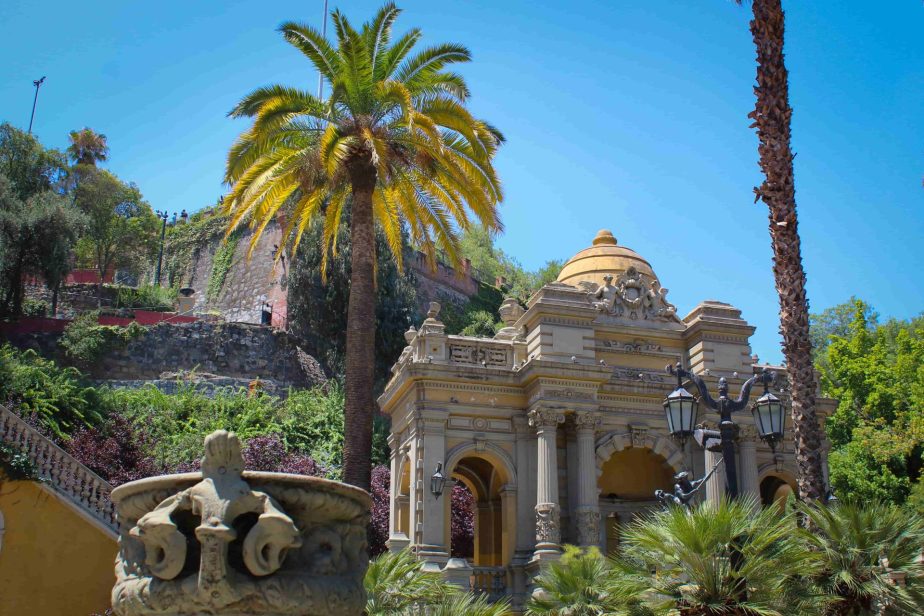
If you’re looking for a destination outside the U.S., I recommend Chile. Having traveled in South America more than once, Chile is one of the countries I felt the safest. Its geography provides endless activities, whether you love beaches, mountains, or desert, and it doesn’t take much to get off the beaten path. Isla Chiloe in the far south is a fishing village full of fascinating — and sometimes humorous — folklore you won’t want to miss. This part of Patagonia is a relatively inexpensive region as well, so you may be able to make your travel budget stretch farther here.
Princess Majestic
T/F: I understand you’ve traveled by yourself. What are some insights you’ve gained?
Especially the first few times you travel solo, it’s hard. Harder than when you travel with someone else. That makes it the perfect opportunity to lean into challenges, whether it’s the logistics of rebooking canceled flights, navigating a new city, or feeling comfortable in your own skin. All the small victories that come during a solo trip build confidence, not only for your next solo adventure but also in your everyday life.
Because solo travel can be more difficult, build in a little more time to recover during your trip than you might normally. For example, after a big day of touring an unfamiliar city where you’re using a lot of mental energy to learn your way around, staying aware of your surroundings, making sure you get the right train, maybe even communicating in a different language, spend the next day doing something more low-key. Schedule a single museum visit or a walk around a botanical garden so you don’t burn out.
I also recommend joining groups when it makes sense. While I enjoy the freedom of traveling solo, only doing what I want to on my schedule, teaming up with other travelers can work to your advantage. When I visited the Scottish Highlands, it didn’t make sense to rely on public transportation, which I’d been doing all over the UK for financial reasons. Buses didn’t always go to the rural Scottish castles I wanted to visit, and even if they did, it would have taken much longer than if I had my own transportation, limiting what I’d be able to see. I joined a tour group for the afternoon, complete with a van, driver and kilted tour guide. My bucket list was complete, and I didn’t break the budget by hiring a private car. There are plenty of ways to meet other travelers — on social media, through tour companies, in a hostel common room — if you need to find a group.
Dunnottar Castle, Aberdeenshire. Courtesy of Visit Scotland.
Finally, people aren’t paying you as much attention as you think. I only mention this because worrying about sticking out in a crowd is enough to make some people cancel their plans before they even get started. So many solo travelers have a fear of dining alone. If you’re really concerned about eating at a restaurant by yourself, carry a book or journal with you. It gives you something else to focus on besides your anxieties.
T/F: Why do you think the stigma of women traveling alone has changed so much?
I think the stigma around women traveling alone has diminished in many of the same ways women doing anything independently has diminished. As we continue to make inroads professionally and become more self-sufficient financially, we have the freedom to travel more. One of the reasons women enjoy traveling solo is because it puts them in charge of their own adventure. We don’t need to compromise on where we go, what we eat, or what sites we visit when we can call our own shots.
Cheese shop in Amsterdam. @janesimonammeson
I also think continuing to break the stigma of women traveling solo can transfer to empowering women in their everyday lives. We build such important intangible skills when we travel — creative problem solving, empathy and cultural awareness, confidence to advocate for ourselves, greater understanding of our own self — it only makes sense that we would bring our knowledge back home.
T/F: What cost-saving advice do you have for women travelers?
One cost-saving tip is to look for tour companies and accommodations that don’t upcharge you for being on your own. Some hotels, for example, charge you for double-occupancy accommodations, even if you’re the only one staying there. Ways I’ve gotten around this is by staying in hostels that charge by the person rather than by the room (and sometimes sucking it up and bunking with strangers), or by booking a single room at a B&B. A bed and breakfast can be pricier than other options, but I’ve found that you typically also get more for your money. And as a solo female traveler, I also find a sense of security in the personal service. A B&B operator may be more likely to notice if you don’t come back in the evening or if you’re too sick to come down for breakfast. You’re less likely to find that amongst a rotating shift of employees at a large hotel.
Izmal, Mexico @janesimonammeson
Airbnbs are another good option for saving money on accommodations. Look for properties that are renting out a room or apartment that better fits your needs and budget rather than an entire house.
One of the things I love most about travel is eating. I want to sample all the new foods I can’t find at home. With travel companions, you can order multiple entrees and share. However, as a solo traveler, that can be unrealistic. Instead, look for food markets where you can sample smaller portions. Haven’t seen that fruit before? Buy one piece instead of a whole bunch at a store. That one pastry that looks too good to pass up? Get it. Vendors might be more willing than a grocery store employee to give you a taste of something, too. Make a meal out of sample-sized treats. This is one of the things I like about tapas in Spain. I’m not committed to too much of any one dish.
Finally, try to be flexible about when you travel. If you can book during the offseason or shoulder season, you’ll often find better deals on flights, hotels, excursions, maybe even restaurants than at other times of year.
T/F: What safety procedures do you recommend for women traveling alone?
Paris Cafe at night @janesimonammeson
Some safety tips apply to everyone, regardless of who they’re traveling with and where. Number one is to do your research. It’s easy to make sweeping statements about this city or that country being safe. But anywhere you go will have exceptions. Once you’ve decided on a destination, take it a step farther and research which neighborhoods are safest.
If you’re arriving at your destination by plane, try to schedule your arrival for daylight hours. You’ll find it easier to orient yourself in a new city, and it’s safer than at night. Only arrange rideshares or taxis through verified and trusted companies. If you aren’t sure, ask your lodging or host to arrange a ride for you so you can be sure your transportation is legitimate.
Stay alert to your surroundings. The obvious reason is so you can spot if you’re walking into a potentially dangerous situation before it’s too late. But being aware can also help you avoid a cultural faux pas that inadvertently escalates and puts you in harm’s way. Observe what the locals are doing and imitate them if it’s appropriate. This includes everything from how to queue in line at the café to more complex religious practices.
I also think it’s always a good idea to think about your travel style and what you’re comfortable with, then make adjustments to your plans based on that. Some women love to head out for the day without much of a plan and just see where the winds take them. Personally, I get nervous without a plan and knowing where I’m going. I tend to get lost easily, and that makes me feel less safe. So, I rarely set out without having researched bus lines or having a general set of directions if I’m walking, all jotted down in a tiny notebook, which also has important phone numbers and addresses, that I carry with me at all times.
T/F: Why do you recommend travel insurance for women travelers?
I recommend travel insurance because it’s hard to predict what’s going to happen. Especially if you’re a woman traveling solo on a budget, you want to know that the investment you’ve made in your trip is protected if something goes wrong. If your luggage is lost or damaged, travel insurance can help. If you get sick, travel insurance can also help cover the costs of medical treatment. Travel assistance services, which come with all Seven Corners’ plans, are also a great benefit for solo travelers. Navigating a foreign health care system is tricky enough. When you’re the one who’s sick or hurt and you don’t have a travel companion on site to manage things or advocate for you, having a team like Seven Corners Assist to help you find medical treatment, arrange translation services, and even arrange to have you evacuated or brought back home in extreme cases can be extremely beneficial. Those aren’t things you want to have to figure out for the first time when you don’t feel well.
T/F: Anything else you’d like to share with our readers?
There will always be an excuse to not take a trip. Chances are that those obstacles aren’t as unbeatable as you think. Your family can manage at least a couple of days without you. So can your employer. Your budget might be able to stretch farther than you realize if you plan well and play it smart. All those doubts about whether you have what it takes to do it on your own are in your head. Start small if you have to — a long-weekend microcation or a vacation to a place you’re already somewhat familiar with — but just start. Take the trip.