FOR THOSE LIKE ME WHO THOUGHT SIRACHA WAS HOT

My friend Sophie Clinton, Sophie Clinton, Senior Digital PR Executive at The JBH: The Digital PR Agency sent me a fascinating research study from money.co.uk titled Searching for the Sauce

For those of us who like hot sauce, it a scientific study of the hottest chillis, their Scoville Hotness Units (SHUs), what foods go well with the heat and the peppers and other interesting facts. So before you add sprinkle any of the following on your food, read up.

1. Mad Dog 357 Plutonium No. 9 – 9,000,000 SHU
 

  • Plutonium Pepper Extract
  • 5,300
  • Do not consume directly, strictly a food additive only. 

The world’s hottest sauce is Mad Dog 357 Plutonium No. 9 and comes in at 9 million Scoville Hotness Units (SHUs).

To put that in perspective, pepper spray, the substance used to stop criminals, clocks in at around 5.3 million SHUs – 3,700,000 SHUs less than Mad Dog 357 Plutonium No. 9. 

Mad Dog 357 Plutonium No. 9 is also 60% pure capsicum, and comes in a solid form. In order to consume the fiery substance, you have to heat the sauce to 140 degrees Fahrenheit just to get it out of the bottle. 

2. El Yucateco Green Chile Habanero – 8,910 SHU

  • 8,910
  • Green habanero peppers
  • 11,000
  • Chicken, fries, eggs, pizza

El Yucateco is made with fresh habanero peppers, garlic, select spices and seasonings. This special mix of ingredients adds a homely and fresh flavor to dishes.

It is ideal to accompany any kind of food, but especially meat and cold dishes. You can even mix up your own spicy Guacamole with a few drops of this popular hot sauce.

The study revealed that hot sauce fans in the US were searching for the brand more than any other country, with 8,300 searches made each month by American foodies. Texas preferred El Yucateco over any other, and the sauce scored a respectable 8,910 SHUs.

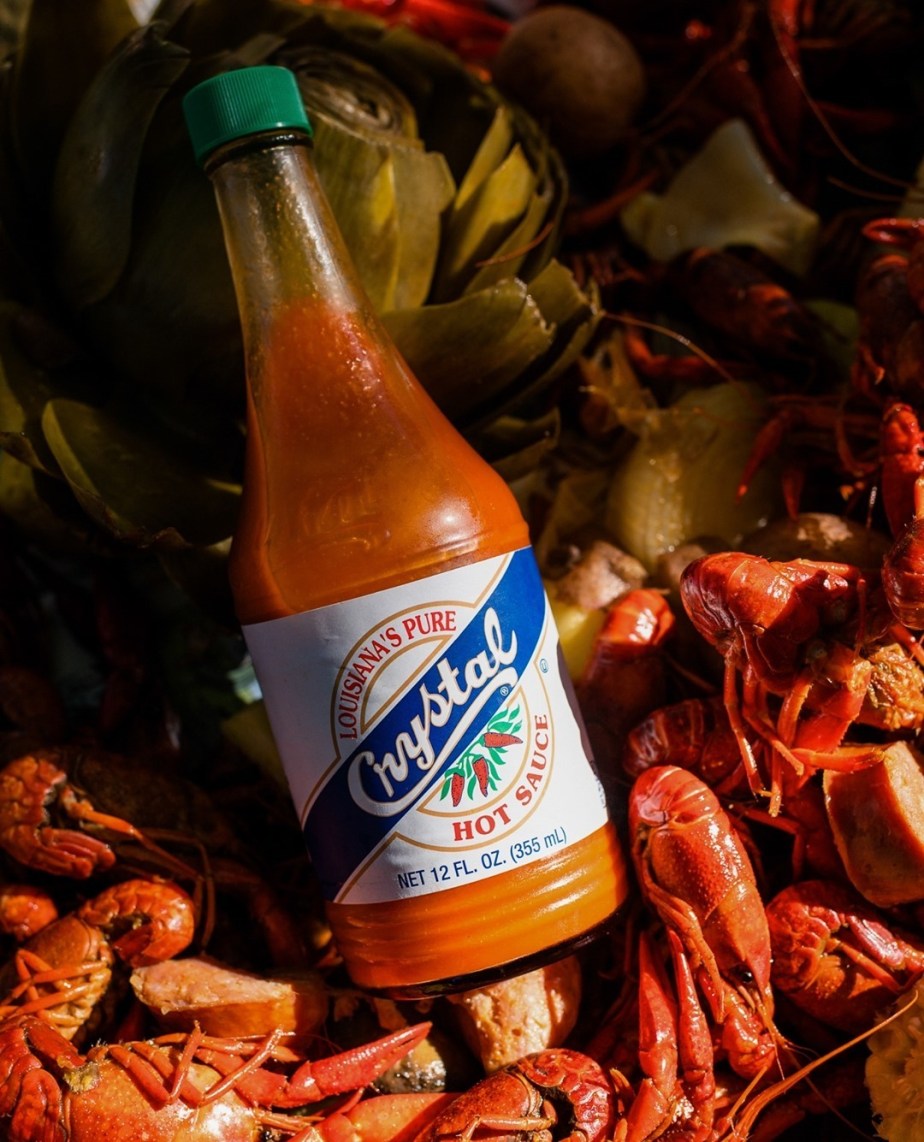
3. Crystal Hot Sauce – 4,000 SHU

  • 4,000
  • cayenne peppers
  • 11,000
  • Sandwiches, eggs, chicken

The cayenne peppers in Crystal Hot Sauce have a Scoville rating of between 30,000 and 50,000, which makes them four to twenty times hotter than a jalapeño pepper. However, the sauce itself offers a comparatively mild heat of 2,000 to 4,000 SHUs. 

Aside from the peppers, Crystal Hot Sauce also contains distilled white vinegar that serves as a complement to the heat of the peppers. The last ingredient that makes up Crystal Hot Sauce is salt.

Hot sauce lovers in the US search for the brand around 10,000 times each month, with Louisiana, Georgia, Alabama, and Mississippi all searching for the hot sauce the most. Louisiana topped the list with 646 monthly searches. 

4. Tapatío Hot Sauce – 3,000 SHU


  • red peppers
  • 1,200
  • Tacos, breakfast dishes, eggs

Tacos, breakfast dishes, eggs

Tapatio Hot Sauce entered the business world in 1971, and the condiment has come a long way since. A robust habanero sauce with great flavour that’s good for all round use.

Tapatío can be found in sizes ranging from individual packets to gallon-sized bottles and provides hot sauce fans with a kick at 3,000 SHUs. 

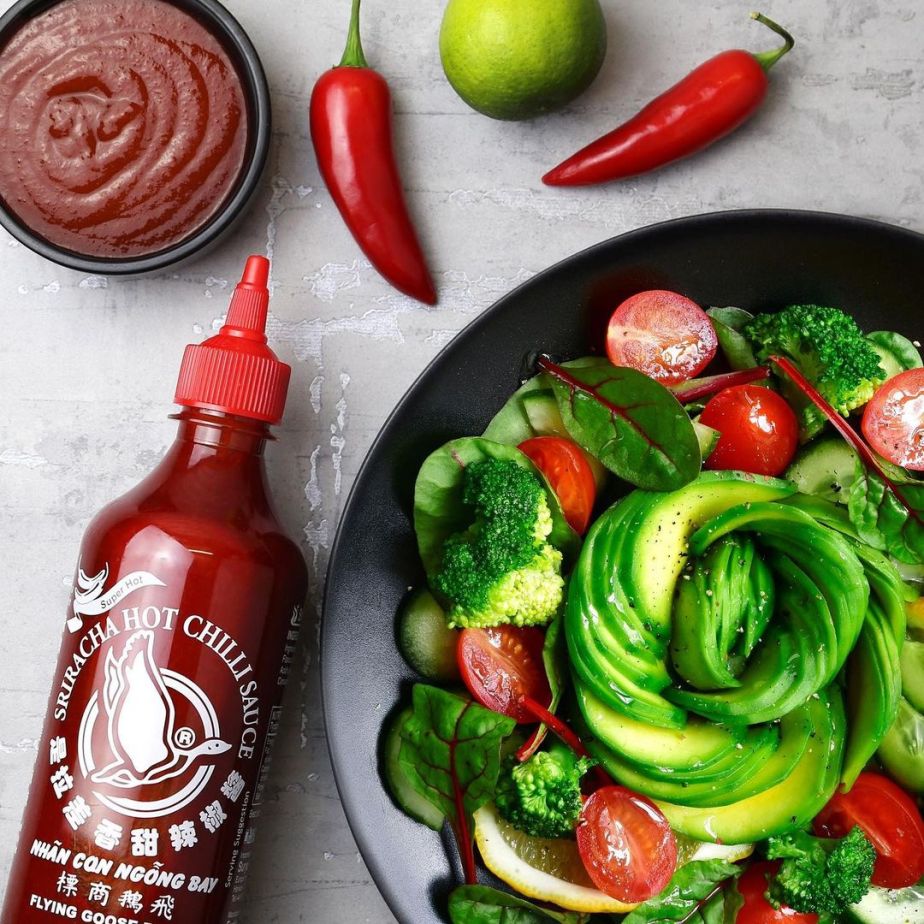
5. Sriracha Sauce – 2,200 SHU
Base Chilli: red jalapeño chili peppers

Pairs well with: Eggs, pizza, burgers, fries, hot dogs, sushi, chicken

Sriracha is arguably one of the most common varieties of hot sauces found in pantries the world over. The condiment is tasty, garlicky, and ultra versatile. 

Sriracha emerged as the most popular hot sauce in the world, according to the study by money.co.uk, with 77% of the countries included in the report searching for the spicy condiment more than any other. 

The US is searching for Sriracha the most, with 151,000 monthly searches being made for the condiment. That’s 5,033 London bus passengers worth each month.

This is followed by spice lovers in both the UK and Australia, searching for Sriracha 55,000 and 23,000 times per month, respectively.

6. Cholula Hot Sauce – 1,000 SHU

Arbol and piquin peppers

Pizza, sandwiches, tacos, burgers

The product is packaged in a glass bottle with a distinctive round wooden cap. Six varieties of Cholula are widely marketed in North America and the brand can be found in almost every Mexican restaurant. The sauce is satisfyingly hot with ingredients such as pequins (which are seven times hotter than a jalapeño) and arbol peppers, which lends its unique flavour to the brand, setting it apart from Louisiana hot sauces.

The study found that Cholula Hot Sauce was the most popular sauce in the US, with 32,000 searches for the condiment being made each month by spice loving foodies. 

In fact, the condiment took the top spot in 40 states, with 15,248 searches each month, including New York, Florida and Illinois. Cholula is widely available in the US and scores between 1,000 and 2,000 on the Scoville heat scale.

7. Texas Pete

  • red cayenne peppers
  • 10,000
  • Breakfast dishes, burgers, fries

Everyone’s got some Texas Pete sitting around in their pantry. The condiment is a great option for when you want something a little hotter than normal but you also don’t want to burn your mouth out. 

Texas Pete was founded in 1929 in North Carolina by the TW Garner Food Company. The sauce first originated after customers at the Dixie Pig BBQ stand in Winston-Salem asked for a spicier sauce to accompany their food, leading to the creation of the popular brand.

When first developing the brand name, a marketing adviser suggested “Mexican Joe” to connote the spicy cuisine of Mexico. However, this was opposed due to the creators wanting the name to be American. Therefore, as Texas is known for its spicy food; this was combined with Pete. 

8. Tabasco – 700 SHU

  • Tabasco pepper
  • 190,000
  • Sandwiches, salads, burgers, pasta, French fries, cheese fries, pizza, and even mashed potatoes

Tabasco is an American brand of hot sauce made from vinegar, tabasco peppers, and salt. It is produced by the McIlhenny Company of Avery Island, southern Louisiana. 

Although the regular Tabasco sauce only ranks at 400 SHU, Tabasco Green Sauce hits the scale at 1,000 SHU, Tabasco Pepper Sauce reaches 3,500, and the Tabasco brand ‘Habanero Sauce’ gets up to a tingling 8,000 SHU. Meaning that the brand knows how to cater for all spice levels. 

9. ‘Louisiana’ Hot Sauce – 450 SHU

  • Cayenne peppers
  • 13,000
  • Chicken wings

Louisiana hot sauce is also a very popular and common condiment that will most likely feature in many kitchen cupboards around the world. 

With over a 90-year history of great taste and quality, the brand of hot sauces continues to use the time-honored techniques of Louisiana style cooking. The sauces are produced using simple ingredients, including carefully selected and hand-picked, authentic sun-ripened peppers.

The low Scoville units demonstrates why this condiment is such a crowd pleaser, with the sauce adding a slight kick to any dish without burning your tongue. 

10. Frank’s Red Hot Sauce

  • Cayenne
  • 1,100
  • buffalo wings 

Frank’s RedHot was actually the main ingredient used in the first buffalo wing sauce created in 1964 at the Anchor Bar and Grill in Buffalo. 

Frank’s RedHot sauce might not be the spiciest- with a Scoville score of just 450 – but it’s certainly popular in America. Californian foodies are the biggest fans of the hot sauce with 3,033 monthly searches being made for the hot sauce. 

Frank’s RedHot is made from a variety of cayenne peppers, and was first launched in 1920 by McCormick.

Hot Sauce Popularity Around the World

Hot sauce lovers, we know you’re a dedicated bunch when it comes to those fiery condiments. After all, what would Moroccan food be without a dash of Harissa? Or Thai food without the added Sriracha heat?

Many home cooks are utilising the expansion of their local supermarkets world cuisine aisles and discovering new and exotic condiments along the way. 

By experimenting and adding previously undiscovered sauces to dishes, added depths of flavour are instantly released that help bring food to life. The global hot sauce market reached a value of $4.5bn in 2020, highlighting just how addictively popular hot sauce has become. 

But why do so many of us have such a deep love of chili, spice and all things nice?

Well, when you consume foods containing chili peppers, certain receptors in your mouth react extremely powerfully, and that tricks your brain into thinking that your mouth is on fire. 

As part of the body’s response to this stress, you will produce endorphins to help stem the pain. These endorphins subsequently make you feel joyful. 

Buttermilk and Bourbon: New Orleans Recipes with a Modern Flair

Flamin’ Hot Cheeto Mac and Cheese

Jason Santos is restauranteur who owns Buttermilk & Bourbon, a Louisiana-centric restaurant in Boston as well as Citrus & Salt, a coastal Mexican restaurant in Boston’s Back Bay as well as his new B & B Fish in Marblehead, featuring coastal New England summertime favorites with Jason’s signature twists.

Santos also is a recurring guest on the Today Show, the CBS Early Show, the CBS television show The Talk, and subsequent seasons of Hell’s Kitchen and appears regularly on the popular Paramount TV hit show, Bar Rescue – where he rehabilitates failing restaurants and bars as a restaurant consultant alongside Jon Taffer. Also look for him on season 19 of Fox’s hit show Hell’s Kitchen along with Chef Gordon Ramsay as his sous chef for the Blue Team. 

 In his cookbook, Buttermilk & Bourbon: New Orleans Recipes with a Modern Flair (Page Street Publishing $15.29 Amazon price), offers up some great recipes such as Deviled Egg Toast with Country Ham and Hot Pepper Salad, Cast Iron-Baked Brie, and Flamin’ Hot Cheeto Mac & Cheese, the most popular dish at his restaurant. 

Flamin’ Hot Cheeto Mac & Cheese

Serves 4

4 tablespoons unsalted butter, divided

1 cup  meat scraps, diced (bacon, andouille, pork belly, ham, etc.)

½ cup  diced celery

¾ cup diced shallots

1 tablespoon  minced garlic

1 tablespoon tomato paste

1 cup white wine

2 bay leaves

1 tablespoon fresh thyme, chopped

8 ounces cream cheese

1 cup heavy cream

1 cup half & half

½ cup  grated Parmesan cheese

½ cup shredded fontina

½ cup shredded yellow cheddar

½ cup shredded gouda

½ pound  campanelle pasta, cooked (can substitute fusilli, penne, rigatoni, macaroni, or rotini

Salt and pepper, to taste

1 cup spicy cheese puffs (I like Flamin’ Hot Cheetos), slightly crushed

¼ cup minced chives

½ cup spicy cheese puffs, whole

Preheat the oven to 400ºF. In a heavy-bottomed pot, melt 2 tablespoons of the butter and sauté the meat scraps until lightly browned, about 3 to 5 minutes. Remove the meat, reserving the fat. Then add the celery, shallots and garlic and cook until soft, about 3 to 5 minutes. Add the tomato paste and cook for another 3 minutes to incorporate.

Deglaze with the wine and reduce by half, about 10 minutes. Add the bay leaves, thyme, cream cheese, heavy cream, and half & half. Bring to a simmer for 10 minutes. Add the Parmesan, fontina, cheddar and gouda and simmer for 10 more minutes. Remove the bay leaves and puree the entire mixture with a stick blender (or in batches using a regular blender/food processor). Add the meat scraps back to the pot.

Combine the sauce with pasta and season with salt and pepper.

Divide the mixture into 4 casserole dishes. Melt the remaining 2 tablespoons of butter and combine with the crushed Cheetos, and scatter on top of the pasta mixture. Bake for about 7 minutes or until bubbly. Garnish with chives and the whole Cheetos

Angela Medearis: The Ultimate Kitchen Diva

Photograph by Penny De Los Santos-Diabetic cookbook, Author Amgela Medearis

“People are eating African American food every day, but they don’t know it,” Angela Shelf Medearis says to me when we chat on the phone. In part, she’s talking about James Hemings who, in the complicated way of slavery, trained in the culinary arts in Paris and became a noted chef de cuisine and yet lived most of his life enslaved. Hemings either created or introduced a variety of the foods we eat now such as macaroni and cheese, ice cream, French fries, meringues, crème brulée, and French-style whipped cream.  Another dish he created that we don’t eat regularly if at all is his handwritten recipe for snow eggs–soft, poached meringue, set in puddles of crème anglaise.

          Hemings was the son of Sally Hemings, an enslaved woman and  John Wayles, the man who “owned” her. The two had six children together.  Wayles also had a more traditional family and his daughter Martha married a plantation owner named Thomas Jefferson. Thus, James was the half-brother of  Martha Jefferson who “inherited” James  (that’s so creepy I even hate writing it) when Wayles died. James was eight when they all came to live at Monticello. His youngest sister, Sally was just an infant. To make matters even more complex, after Martha died and Sally reached some type of maturity—she was probably in her mid-teens, she became Jefferson’s mistress and had six children by him, four of whom lived to adulthood.

          So, Sally Hemmings was Martha Jefferson’s half-sister, and her children were half-siblings to Martha and Thomas’s children. I mention all this not only to show how helpless enslaved people were as to what happened to their bodies but also to show how intertwined Black and White families were and how the foodways of both merged.

          But while Hemings introduced the Frenchified cookery to America,  

Medearis, the founder of Diva Productions, Inc., the organization that produces her multicultural children’s books, cookbooks, videos, and audiocassettes, points out that people weren’t eating black-eyed peas before Africans arrive in this country.

          “Back then they even thought tomatoes were poisonous,” she says. “But when they shipped slaves, they also shipped  the foods they ate with them  because that was a cheap way to feed them,” she says. “The recipes for those foods traveled from one place to the other. If they stopped in the Caribbean or South America before coming here, then the recipes changed with the foods and spices available and the types of cooking techniques.”

          Medearis, a television chef known as the Kitchen Diva, has written 107 books. Many are children’s books, but she also is a cookbook author focusing on both the historic roots of African American cookery and healthy eating like The Kitchen Diva’s Diabetic Cookbook: 150 Healthy, Delicious Recipes for Diabetics and Those Who Dine with Them.

But she didn’t start out to be a cook.

          “I only cooked enough that social services wouldn’t come and take away my children,” she says with a laugh. But her mother, after she retired, decided she wanted to market her raisin pie for some extra income.

While her mother and sister did the cooking, Medearis who often wears feather boas during her TV appearances and on her PBS cooking show and isn’t shy about being in the limelight, did the marketing.

But when her mother and sister decided to quit, Medearis knew she had to learn to cook if she wanted to keep her food business going.

Now she’s so full force that celebrity chef and restauranteur Bobby Flay arrived for a Jerk Chicken Throwdown while she was marinating jerk chicken for a family get. It was for his Food Network show Throwdown with Bobby Flay. 

          Who won I ask?

Medearis’s Jerk Chicken

          “My chicken had been marinating for hours,” Medearis replies. “He just arrived from Manhattan and threw some spices on his chicken. It burned. I beat Bobby.”

Watch it here.

Though she originally didn’t cook Medearis had written several loved historic research. Did I know that George Washington Carver drove a food wagon around to introduce people to healthy foods?

No. I knew that Carver, who famously said, “There is probably no subject more important than the study of food,” was born a slave and became a botanist, author, educator and agriculturalist. He also collaborated with auto magnate Henry Ford on growing peanuts and soybeans.

And don’t even get her started on Carver and black-eyed peas.

“Black-eyed peas, okra, peanuts and sesame seeds, and the oil they produce, are documented contributions from Africa via the slave trade to our American cuisine,” she writes in her syndicated column. “I prepared black-eyed peas any number of ways while doing research for my first cookbook.”

That would be The African-American Kitchen: Cooking from Our Heritage, a best seller that even now 30 years later is considered a standard on the foodways African Americans bought to this country.  The problem though was getting it published. Her award winning children’s books were published by Dutton and when she brought the idea for her cookbook, she found an editor there who loved the book. But the editor at the next level turned it down, saying he’d published an African American cookbook almost 30 years earlier and no one bought it. He didn’t think the country was ready for another.

What’s a Kitchen Diva to do? Make a peach pie, of course, as it’s representative of both Black and Southern food history.

“You could hardly get a peach pie anywhere back then in Manhattan,” says Medearis. Wrapping up both the peach pie and the manuscript, separately we presume, she sent both off to the publishing company.

She got the contract.

“That book sold so many copies it was crazy,”

Overall, she’s written 107 books seven of which seven are cookbooks. Published in seven languages, she’s sold a total of 14 million books. But despite that, she’s not ready to stop.

“People ask me when I’m going to retire,” says Medearis who lives in Austin, Texas. “Why should I? I’m having a lot of fun with it. I’m doing what I want to do.”

Creole Chicken Stew

Makes 8 Servings

“This is a quick and healthy version of New Orleans-style gumbo,” writes Medearis about this recipe, which was published in her book, the . “Using frozen vegetables is a real time-saver when making this tasty stew; it’s also the perfect way to use kohlrabi when in season. Select small, tender okra pods for this recipe, and don’t slice them until right before you add them to the stew.”

1½ tablespoons olive oil

1 cup chopped yellow onions

1 cup coarsely chopped carrots

¼ cup chopped celery

4 cloves garlic, minced

1 bay leaf

2 teaspoons diced seeded jalapeño chile

¼ teaspoon salt

1 teaspoon freshly ground black pepper

½ teaspoon dried thyme

2 tablespoons whole-wheat flour

3 cups reduced-sodium chicken broth

1½ pounds boneless, skinless chicken breasts, cut into 1-inch-wide strips

1 cup peeled cubed Yukon Gold potatoes or kohlrabi, or a combination

1 cup diced zucchini

1 cup halved okra or frozen cut okra

4 cups cooked brown rice

2 green onions, chopped, including green parts

In a large pot, heat 1 tablespoon of the oil over medium-high heat. Add the yellow onions, carrots, celery, garlic, bay leaf, jalapeño, salt, pepper, and thyme and sauté until the onion is translucent, about 3 minutes.

Using a slotted spoon, transfer the vegetables to a plate, leaving as much oil in the pot as possible. Add the remaining ½ tablespoon of oil. Stir in the flour. Cook, stirring constantly, until the flour begins to turn golden brown, about 3 minutes.

Gradually whisk in the broth and cook for another 5 minutes, whisking until smooth. Bring the mixture to a boil, then reduce the heat to a simmer. Add the chicken, potatoes or kohlrabi, and zucchini. Return the sautéed vegetables to the pan. Partially cover and simmer, stirring occasionally, for 20 to 30 minutes.

Add the okra and cook for 15 to 20 minutes. Remove the bay leaf. Serve over ½ cup of rice per person and sprinkle with the green onions.

Kitchen Diva: Tap Your Inner Chef With DIY Recipes

Angea Medearis, the Kitchen Diva, wrote one of her syndicated columns on creating Do-It-Yourself recipes.

“Basically, a DIY dinner recipe is about finding a way to retain the flavors of the recipes you love while using the ingredients that you have on hand,” Medearis writes. “If you have always wanted to free yourself from the restraints of a recipe, now is the time to do it! Think of the current lack of ingredients as permission to tap into your inner chef.”

To ease into creating your own DIY dinner recipes, Medearis suggests starting by making a pot of chowder.

“No one really knows the origin of the term chowder,” she writes, “but whether it came from French, Caribbean, Portuguese or Brazilian cooks, the basic meaning is connected to the large pot that the meal is cooked in.”

Medearis is a history buff paritcularly when it comes to food.

“Chowders were introduced to North America by immigrants from France and England more than 250 years ago. Native Americans called the dish ‘chawder’.” she says noting the word interpreted as “chowder” by early settlers and fishermen in New England.

“The original versions of the dish consisted of a pot filled with a mixture of fresh fish, salt pork, leftover hardened biscuits (which were used as a thickener), onions, water and whatever spices were available, writes Medearis. “A chowder is a delicious way to use the ingredients you have on hand to create a meal that does not require extensive prep or simmering for hours. My recipe for Seafood and Sweet Corn Chowder uses the basic techniques.”

My recipe for Seafood and Sweet Corn Chowder uses the basic techniques for making a chowder, but is designed to accommodate the need to vary ingredients based upon what you have on hand or what you can purchase at the store.

Whether you decide to make a seafood or vegetarian chowder, feel free to create your own version of this DIY dinner.

SEAFOOD AND SWEET CORN CHOWDER

If you don’t have all the vegetables, seafood or spices on hand, omit or substitute the ingredient with what you do have. This chowder will still be delicious without it!

3 tablespoons butter or vegetable oil

1/2 cup (about l large stalk) chopped celery

1/2 medium onion, chopped

1/2 green bell pepper, seeded and chopped

2 garlic cloves, minced or 1/2 tablespoon granulated garlic powder

1 1/2 teaspoons salt

1 1/2 teaspoon ground black pepper

3/4 teaspoon dried dill or tarragon, or 1 tablespoon dill pickle juice

1/8 teaspoon cayenne pepper or red pepper flakes

2 cups chicken broth, seafood stock, clam juice, bouillon fish base or water

1 to 2 large Russet potatoes, or 3 red skin or Yukon Gold potatoes cut into 2-inch cubes, about 2 to 3 cups

2 large carrots, chopped

2 cups frozen corn, thawed, or 1 (15-ounce) can whole kernel or cream-style corn, or 6 ears sweet corn, husk and silk removed, or frozen corn on the cob, thawed with kernels cut from the cobb

2 cups heavy cream, half and half

Whole milk or 2 (14-ounce) cans evaporated milk

1 3/4 to 2 cups fully cooked, skinless salmon chunks, or 1 can (14 3/4 ounces) salmon, drained, flaked, bones and skin removed, or 1 to 2 cups fresh or frozen peeled and deveined shrimp, cooked peeled and deveined shrimp, or cooked crab meat (checked for pieces of shell) or a combination of the seafood equaling 1 3/4 to 2 cups.

1. Place the butter or oil into a large saucepan or Dutch oven placed over medium heat. Add in the celery, onion, green bell pepper, garlic or garlic powder, and 1/2 teaspoon of the salt and pepper, dill, tarragon or dill pickle juice, and the cayenne pepper or red pepper flakes. Saute, stirring occasionally until the vegetables are tender, about 4 to 5 minutes.

2. Stir in the broth, stock, juice or water, potatoes, carrots and the remaining teaspoon of he salt and pepper. Cover and bring the chowder to a boil.

3. Reduce heat to low; stir the mixture, cover and simmer for 40 minutes or until the vegetables are nearly tender. Stir in the corn, cream or milk, and the salmon, shrimp or cooked crab meat (or a combination of seafood). Simmer on low heat for 10 to 15 minutes or until heated through.

4. Garnish with lemon wedges, chopped parsley or green onions. Serve with toasted French bread or crackers. Serves 6

Here’s the Jerk Chicken recipe that won the Throwdown with Bobby Flay.

Jamaican Jerk Chicken

Yield: 6 to 8 servings

1/3 cup olive oil

1/3 cup distilled white vinegar

1/2 cup orange juice

1/2 cup lime juice

1/2 cup molasses

1/4 cup soy sauce

1 bunch cilantro, leaves chopped

4 green onions, chopped

2 cloves garlic, chopped

1 Scotch bonnet chili, serrano, or Thai bird

chiles, seeded and minced

3 bay leaves

3 peppercorns

1-inch piece cinnamon, crushed

2 tablespoons ground sage

1 tablespoon ground thyme

1 tablespoon ground allspice

1 teaspoon freshly ground black pepper

1/2 teaspoon ground nutmeg

5 pounds chicken pieces

Combine the oil and vinegar in a medium glass bowl. Stir in the orange and lime juice, molasses, soy sauce, cilantro, green onions, garlic, chili, bay leaves, peppercorns, cinnamon stick, sage,thyme, allspice, pepper, and nutmeg.

Place the chicken pieces in a large baking pan and pour the spice mixture over them, coating each piece well. Cover with plastic wrap and place the chicken in the refrigerator to marinate 12 hours or overnight, turning once.

Allow the chicken pieces to come to room temperature before grilling. Heat the grill until the coals are somewhat white with ash; the flame should be low. Place the chicken on the grill and cover with the lid. Grill for 30 to 35 minutes, turning pieces to cook evenly. Baste pieces with remaining marinade.

For more information including recipes, https://www.medearis.com/

Celebrate Mardi Gras Time in Southwest Michigan!

Ignore the snow outside because inside Timothy’s Restaurant in Union Pier, Michigan, it’s New Orleans during Mardi Gras season, purple, green and yellow beads and all.

As he does every year, owner/executive chef Timothy Sizer kicks it up several notches, does a few Emeril “bams” and goes all out for this Louisiana celebration. He mixes up the menu each year but there are always such staples as gumbo, etouffee and jambalaya.

This year the menu also includes Fried Louisiana Oysters, Red Beans and Rice, Fried Green Tomatoes with Crawfish Sauté and Cajun Remoulade, Blackened Red Fish Meunier served with Pecan Butter and, my new favorite, Warm Crawfish Cheese Dish. Regarding the latter, our server told us they all wait eagerly for this time of year so they can eat it up. There’s also a selection of desserts such as King Cake, pecan pie and beignets all served with house made praline ice cream.

              Tim, who is originally from St. Joseph, moved to Florida after graduating from Johnson & Wales University College of Culinary Arts in Rhode Island and worked at several Florida restaurants and owned one as well, specializing on fish and Cajun/Creole cuisine. When I asked him why he returned about 15 years ago—it was really cold out that night and Florida sounded very good—he said it was the pull of being back home.

              Lucky for us.

              Timothy’s Mardi Gras celebration ends on February 23.

              The following recipes are courtesy of Timothy’s Restaurant.

Sazerac

Yield 2 cocktails

 2 ounces cognac

2 ounces Rye whiskey

Juice of ½ lemon, fresh

1 ounce Pernod

Lemon peel for garnish

2 large square or round ice cubes

Mix cognac, rye, lemon juice and Pernod. Place ice cube in each glass, Pour drink mixture evenly. Garnish each glass with lemon peel.

Crawfish Dip

3 ribs celery, diced

1 onion, diced

1 tomato, diced

1 tablespoon, minced

2 cups olive oil

8 ounces cheddar cheese

8 ounces sour cream

1 ounce Worcestershire sauce

2 ounces horseradish sauce

2 teaspoons cayenne

2 teaspoons black pepper

1 ounce salt

8 ounces crawfish tail meat

Heat skillet add olive oil and sauté garlic and vegetables. Add cheese, cream, Worcestershire sauce, horseradish, cayenne, black pepper and salt and cook for ten minutes on low heat. Blend and then add crawfish tail meat.

Serve with buttered toast points seasoned with Paul Prudhomme Blackening Seasoning.

Etouffee

Serves 6

16 ounces fish stock (can substitute vegetable or chicken stock)

½ teaspoon or more, to taste for each: cayenne, black pepper, thyme and salt

1 bay leaf

Can use cooked shrimp (21/25 grade), crawfish (one pound package frozen) or chicken (2 large chicken breasts, diced and sautéed until not longer pink but not thoroughly cooked)

Parsley, for garnish

3 to 4 cups cooked rice.

Sauté vegetables in olive oil until vegetables are soft. Dust all ingredients with flour, add sherry and stock.

Add cayenne, black pepper, basil, thyme, bay leaf and salt. Bring to a boil then reduce heat to a simmer and cook for 10 minutes. Add shrimp and crawfish or chicken if using instead. Next line place rice in the middle of each serving bowl. Add etouffee. Garnish with parsley.

Jane Ammeson can be contacted via email at janeammeson@gmail.com .

Herbsaint: A New, New Orleans Classic

I was in New Orleans this fall and stayed at the B&W Courtyards, a charming bed and breakfast on Chartres Street that is a collection of 1854 cottages joined together by cobblestone walkways and courtyards with pretty fountains and within walking distance of the French Quarter. The walking distance was lucky as New Orleans is so full of wonderful restaurants that a lot of walking is required to burn off some of the calories.gallery12

One of the restaurants I wanted to try was Herbsaint which is frequently named one of the best restaurants in the city (no easy feat) and whose executive chef/CEO Donald Link is a James Beard award winning chef.  Located at 701 Saint Charles Avenue it was a long walk from our B&B but New Orleans has a great trolley car system which took us from the French Quarter to Lafayette Square where Herbsaint is located. Link’s first cookbook, Real Cajun: Rustic Home Cooking from Donald Link’s Louisiana (Clarkson Potter) won the James Beard top award for Best American Cookbook. He has a new one out as well, Down South Bourbon, Pork, Gulf Shrimp & Second Helpings of Everything.

gallery8            The restaurant’s name, Herbsaint, comes from a favored New Orleans anise-flavored liqueur which dates back to the early 1930s and like other NOLA drinks such as Sazerac is enjoying a new popularity because of the popularity of vintage cocktails.

I thought it would be fun to share some of Herbsaint’s recipes that we tried. Needless to say, after dinner, we needed the long walk back to our B&B.gallery6

Herbsaint’s Shrimp Bisque

1 tablespoon butter

1 cup onion, chopped

1 cup celery, chopped

1/2 cup carrot, chopped

1/2 cup Scallions

1 teaspoon paprika

1 teaspoon cayenne

1 teaspoon salt

2 cups tomatoes, chopped

5 whole shrimp cut up with shells on

1 pint shrimp stock

1 pint Water

1/4 cup rice

1 sprig Tarragon

Dash of Brandy and Herbsaint

2 teaspoons salt

1/2 cup heavy cream

1 tablespoon butter

In a heavy bottom sauce pot, sauté the onion, carrot, celery, and scallion with the spices until soft. Add tomatoes and shrimp and cook until tomatoes break down, about 15-20 minutes.

Add shrimp stock and water and simmer an additional 10 minutes then add the rice and cook another 15 minutes. Add the tarragon about 5 minutes before removing soup to strain. Put soup in small batches in a blender and blend until smooth, then strain.  Return to heat and finish with a dash of brandy and Herbsaint, salt, cream, and butter.

Chef’s note: A little hot sauce never hurts.

Herbsaint’s Coconut Cream Tart with Macadamia Nut Crust

Crust

1 cup dry-roasted macadamia nuts

1 1/4 cup all-purpose flour

1/2 teaspoon salt

1/2 cup unsalted butter, room temperature

1/3 cup sugar

1 large egg yolk

Filling

2 1/2 cups heavy whipping cream, divided

1 vanilla bean, split lengthwise

3/4 cup sugar, divided

2 tablespoons cornstarch

3 large egg yolks

1 cup medium shredded unsweetened coconut

Purchased caramel sauce

Optional Fresh Fruits

Raspberries

Blackberries

Pineapple

Mango

For Crust: Preheat oven to 350 degrees F. Spread macadamia nuts on rimmed baking sheet. Bake until light golden brown, about 6 minutes. Cool.

Place cooled nuts, flour, and salt in processor. Using on/off turns, process until nuts are finely ground. Using electric mixer, beat butter and sugar in medium bowl to blend. Beat in yolk. Add nut mixture; beat until blended.

Press into 9-inch-diameter tart pan with removable bottom. Trim excess dough overhang. Pierce all over with fork. Cover and chill overnight.

Preheat oven to 375 degrees F. Bake crust until golden brown, pressing on bottom of crust with back of spoon if bubbles form, about 26 minutes. Cool completely.

For Filling: Heat 1 1/2 cups cream in heavy medium saucepan. Scrape seeds from vanilla bean into pan; add bean. Bring just to boil, remove from heat, cover, and let stand 15 minutes.

Return vanilla cream just to boil. Whisk 1/2 cup sugar and cornstarch in medium bowl to blend. Whisk sugar mixture into vanilla cream. Whisk yolks in large bowl to blend; gradually whisk hot vanilla cream into yolk mixture.

Return mixture to saucepan. Cook over medium-high heat until mixture boils and becomes thick, stirring constantly, about 3 minutes. Transfer pastry cream to medium bowl. Press plastic wrap directly onto surface of pastry cream. Refrigerate until cold and firm, at least 4 hours or overnight.

Preheat oven to 350 degrees F. Spread coconut on rimmed baking sheet. Bake until lightly toasted, about 10 minutes. Cool completely.

Whisk remaining 1 cup cream and 1/4 cup sugar in large bowl until peaks form. Whisk in pastry cream. Continue whisking by hand until thoroughly combined. Gradually stir in coconut. Spoon mixture into cooled tart crust. Cover and refrigerate tart at least 1 hour and up to 8 hours.

Cut tart into wedges and serve with caramel sauce and fresh fruit.

herbsaint.com