Recipes from Erin Clarke’s New Cookbook

The year was 2012, a time when not everyone—and their pet—had a blog. But Erin Clarke, new to Madison, Wisconsin and with a law student husband who was spending all his time studying, needed something to do and so decided to write one. Two years and a name change later, Clarke’s blog, WellPlated.com, was so successful that she quit her day job and devoted all her time to writing. In 2020, her first cookbook, The Well Plated Cookbook: Fast, Healthy Recipes You’ll Want to Eat was released, selling over 130,000 copies. Fast forward.

From Erin Clarke’s Well Plated.

She now has, if you’re into social media numbers like I am, 440,000 Instagram followers, 562,000 followers on Facebook, 37.2 K on YouTube, and her followers’ number (as of this week) 410, 200 on Pinterest.  And now her latest cookbook, Well Plated Everyday: Recipes for Easier, Healthier, More Exciting Everyday Meals (Avery 2024), has just recently been released.

She didn’t think it was going to happen.

“When I finished my first cookbook, it was like never again, I gave every good idea I had,” Clarke told me in a phone interview recently.

But ideas are never in short supply for Clarke who is so incessantly enthusiastic about all aspects of food that she jots her culinary thoughts whenever, including when dining in restaurants and in bed at night.

“I won’t go to sleep if I have an idea without writing it down,” she says. “And so, as time went on, a theme emerged about how much I enjoy cooking for people, and I became really hooked on the idea of creating recipes inspiring enough for days when you don’t feel like cooking and that are simple enough to make weeknight cooking exciting.”

She also wanted to ensure they were healthy, having long outgrown such fav food groups as Pop Tarts.

Describing herself as obsessed with food, Clarke says she’s extremely passionate about her recipes as well including those in her new book such as Sheet Pan Honey Orange Pistachio Salmon, Pumpkin Gingerbread Squares, and Creamy Harvest Chicken Pasta.

Photo courtesy of Erin Clarke.

“I stand behind all of my recipes,” says Clarke who divides her time between Park City, Utah and Milwaukee, Wisconsin. “I never put anything on my blog and certainly not in a cookbook that I don’t absolutely love.  I like recipes made of nutritious and healthy ingredients that don’t require a trip to a specialty grocery store and that preferably can be ready in under an hour or even better in 45 minutes.”

Clarke’s love of cooking started early with two grandmothers who spend time in the kitchen with her, teaching her the exact way to measure and sift when it came to baking and such dishes as her ham casserole (thank you Grandmother Dorothy) and the green chili chicken enchiladas her Grandmother Sondra made for Christmas dinner every year.

There are other culinary influences as well—Ina Garten, Dorie Greenspan, and Deb Perelman of Smitten Kitchen.

When I ask if there’s anything else she’d like readers to know, Clarke is quick to respond about her goal for both of her cookbooks.

“I just hope that they become the most splattered and dirty and well used books in people’s kitchens,” she says. “Good cookbook should not stay in pristine shape and so though my new book is gorgeous, I hope people just use the heck out of it and that its appearance reflects that love. The messier the better.”

The following recipes and photos are courtesy of Erin Clarke’s new cookbook Well Plated Every Day: Recipes for Easier, Healthier, More Exciting Daily Meals.

Kind-of Cobb Salad

Serves 4 to 5
Total time 1 hour 10 minutes

Ingredients

For the Salad

  • 2 medium boneless, skinless chicken breasts (about 11/4 pounds)
  • 3/4 teaspoon kosher salt, divided, plus additional to taste
  • 1/4 teaspoon ground black pepper, plus additional to taste
  • 1/3 cup raw pecan halves
  • 2 small-medium sweet potatoes (about 11/4 pounds), scrubbed and 3/4 inch diced
  • 2 tablespoons extra-virgin olive oil, divided
  • 1 tablespoon low-sodium soy sauce
  • 1 1/2 teaspoons pure maple syrup
  • 1 1/2 teaspoons smoked paprika
  • 4 large eggs
  • 1 cup cherry or grape tomatoes, or diced tomatoes of choice
  • 1 medium avocado
  • 1 head romaine lettuce, roughly chopped into bite- size pieces (about 4 cups)
  • 3 cups baby arugula (about 3 ounces)
  • 2 ounces goat cheese, or blue cheese or feta cheese, crumbled (about 1/3 cup)

For the Dressing

  • 1/4 cup freshly squeezed lemon juice (from about 1 medium lemon)
  • 3 tablespoons extra-virgin olive oil
  • 1 tablespoon Dijon mustard
  • 1/2 teaspoon kosher salt
  • 1/4 teaspoon ground black pepper

Place racks in the upper and lower thirds of your oven and preheat to 400 degrees. Line a baking dish or baking sheet large enough to hold the chicken in a single layer with parchment paper or aluminum foil. Pat the chicken dry, then place in the baking dish and sprinkle all over with 1/2 teaspoon of the salt and the pepper. Let sit at room temperature for 20 minutes.

Toast the pecans: Spread the pecans onto an ungreased rimmed baking sheet. Place in the oven and bake for 8 to 10 minutes, until fragrant and toasted, stirring once halfway through. Roughly chop and set aside.

Roast the sweet potatoes: Line a large rimmed baking sheet with parchment paper or foil. Place the sweet potatoes in the center. Top with 1 tablespoon of the oil, the soy sauce, maple syrup, smoked paprika, and remaining 1/4 teaspoon salt. Toss to coat evenly, then spread into a single layer. Bake on either rack for 25 to 30 minutes, until the sweet potatoes are caramelized on the outside and tender on the inside, turning once halfway through. Set aside.

Hard-boil the eggs: Bring a medium pot of salted water to a gentle boil. With a slotted spoon, gently lower the eggs into the boiling water. Adjust the heat to maintain a gentle, steady simmer. Let the eggs simmer at this low, gentle boil for 8 minutes for slightly jammy yolks (or up to 9 minutes for fully set yolks). In the meantime, prepare a large ice bath. Use the slotted spoon to carefully transfer the boiled eggs into the ice bath. With the back of a spoon, gently crack each shell, then return the eggs to the water (this makes the eggs easier to peel). Peel and halve or thinly slice.

Once the chicken has rested 20 minutes, drizzle the top of it with the remaining 1 tablespoon oil and rub to coat. Place in the oven with the sweet potatoes. Bake for 12 to 16 minutes, until the chicken reaches 155 degrees on an instant-read thermometer. Transfer to a cutting board and let rest uncovered for at least 5 minutes (the chicken’s temperature will continue to rise as it rests). Dice.

Make the dressing: In a small bowl or liquid measuring cup with a spout, whisk together the lemon juice, oil, mustard, salt, and pepper.

Shortly before serving, slice the cherry tomatoes in half. Cut the avocado into 3/4-inch dice.

Assemble the salad: On a very large serving platter, place the romaine and arugula. Drizzle lightly with some of the dressing, then toss to moisten and combine the greens evenly. Sprinkle with a little salt and pepper. Arrange the diced chicken down the center in a straight line. In rows, line egg slices on one side and sweet potatoes on the other. Place the avocado next to the sweet potato and the tomatoes next to the eggs. Sprinkle the goat cheese and pecans all over the top.

Spoon on a little more dressing. Enjoy immediately, with additional dressing as desired. (You also can skip the fancy presentation—toss everything together in a giant bowl and have at it.)

Crispy Chicken Schnitzel

Yield: Serves 4

For the Cabbage

  • 1 small head savoy cabbage or green cabbage
  • 4 tablespoons extra-virgin olive oil, divided
  • 1 tablespoon honey
  • 1 teaspoon kosher salt
  • ¼ teaspoon ground black pepper

For the Chicken

  • 2 medium boneless, skinless chicken breasts (about 1¼ pounds)
  • 1 teaspoon kosher salt, plus a few additional pinches
  • ¾ cup white whole wheat flour or
  • all-purpose flour
  • 2 large eggs
  • 1½ cups panko bread crumbs
  • ⅛ teaspoon ground cayenne pepper
  • 4 tablespoons canola oil, divided, plus additional as needed
  • 4 tablespoons unsalted butter, divided

Prepare the cabbage: Place a rack in the center of your oven and preheat to 450°F. Cut the cabbage into eight wedges: First, cut it in half lengthwise through the stem. Then lay each half flat on the cutting board and slice in half lengthwise. Finally, halve each quarter lengthwise. For easy cleanup, line a large rimmed baking sheet with parchment paper. Arrange the cabbage in a single layer on top and brush with 2 tablespoons of the olive oil. Flip the cabbage over.

In a small bowl, whisk together the remaining 2 tablespoons olive oil and the honey. Brush liberally over the tops and sides of the cabbage, then drizzle any remaining over the tops. Sprinkle with the salt and pepper. Roast the cabbage for 20 minutes, then flip with a spatula and continue roasting until the cabbage is tender and the edges are dark brown, 15 to 20 minutes more. Don’t worry if some of the edge pieces are super dark; they’re the yummiest parts. Remove from the oven and reduce the oven temperature to 250°F.

 Meanwhile, prepare the chicken: Split each chicken breast in half horizontally to create two thin cutlets. As you cut, carefully lay your hand on top and feel to make sure you are splitting it fairly evenly. Working one at a time, place a cutlet in a large zip-top bag or cover with plastic wrap. With a meat mallet, rolling pin, or the base of a skillet, lightly pound out the chicken until it is super thin – about ⅛ inch. Proceed slowly and gently to ensure you do not tear the meat. Repeat with the remaining cutlets. Season the chicken all over with 1 teaspoon of the salt. 

Set up your dredging stations: In a wide, shallow dish (a pie dish works well), place the flour. Beat the eggs in a second shallow dish, then combine the bread crumbs and cayenne in a third. With tongs, grab one end of a chicken cutlet and dip the cutlet in the flour, then the eggs, then the bread crumbs, coating both sides and shaking off any excess as you go. Dip just one cutlet at a time and handle the meat as little as possible to keep it tender. Transfer to a clean plate and repeat with the remaining cutlets. Place a wire rack on top of a baking sheet and keep it near the stove. Return the cabbage to the oven to keep it warm. 

In a large skillet, heat 1 tablespoon of the canola oil over medium heat. Once the oil is hot, add 1 tablespoon of the butter to the skillet and swirl it to melt. Working away from yourself, carefully lower two cutlets into the skillet, ensuring that they have some space between them (if the pan is crowded, cook them one at a time or they will be more dense). Cook on the first side until golden, about 3 minutes, then add another 1 tablespoon of the oil and 1 tablespoon of the butter. Flip and cook on the other side until it is golden brown, 1 to 2 minutes more. Transfer to the prepared baking sheet, sprinkle with a pinch of additional salt, and place in the oven to keep warm. 

Add another 1 tablespoon of the oil and 1 tablespoon of the butter to the skillet. Repeat with the remaining cutlets, adding the remaining 1 tablespoon oil and 1 tablespoon butter just before flipping. Serve with the caramelized cabbage and lemon wedges. Squeeze the lemon all over the chicken and cabbage, and season with additional salt to taste.

A version of this story previously appeared in the Northwest Indiana Times.

Southern Women Share Their Stories and Recipes in the New Cookbook When Southern Women Cook

When Southern Women Cook: 300 Recipes from Every Corner of the American South, with Stories About the Women Who Feed Us, with a foreword by Toni Tipton-Martin,  and  edited by Morgan Bolling, tells the stories of those who’ve made an impact on the cuisine and culture throughout history, and shines light on the torchbearers innovating it today. Interwoven with narratives from 70 diverse Southern women contributors, the recipes—from Texas barbecue to Gullah Geechee rice dishes to treasured hometown desserts—present the intricate patchwork quilt that is Southern cooking.

Toni Tipton-Martin

TONI TIPTON-MARTIN is Editor in Chief of Cook’s Country, a food and nutrition journalist, and the James Beard Award– winning author of Jubilee; Juke Joints, Jazz Clubs, and Juice; and The Jemima Code. MORGAN BOLLING is Executive Editor of Creative Content for Cook’s Country, a cast member of the Cook’s Country TV show, and a passionate Southern woman.

Morgan Bolling

MORGAN BOLLING is Executive Editor of Creative Content for Cook’s Country, a cast member of the Cook’s Country TV show, and a passionate Southern woman.

Southern-Style Baby Lima Beans

Southern Baby Lima Beans

Serves 4 to 6 

Total Time: 1¼ hours

The beauty of this recipe is in its simplicity: Frozen baby lima beans are cooked low and slow, seasoned with a few strips of bacon and wedges of onion in the pot. The resulting beans and their smoky, thick, peppery broth are complex and deeply comforting. Stirring occasionally as the beans cook emulsifies the bacon fat into the broth, giving it a silky texture. This dish is great as a side or as a main course served over white rice. Do not thaw the baby lima beans before cooking.

  • 4 slices bacon, cut into ½-inch pieces
  • 4 cups chicken broth
  • 1½ pounds frozen baby lima beans
  • 1¼ cups water
  • 1 onion, halved
  • 1 teaspoon pepper
  • ¾ teaspoon table salt

Cook bacon in large saucepan over medium heat until lightly browned and fat has rendered, 7 to 10 minutes. Add broth, lima beans, water, onion, pepper, and salt. Bring to boil over high heat.

Reduce heat to medium-low and simmer, uncovered and stirring occasionally, until beans just begin to break down and liquid is thickened, about 1 hour (liquid will continue to thicken as it sits). Discard onion. Season with salt and pepper to taste. Serve.

Peruvian Imports

Lima beans, which originated in Guatemala, have been cultivated in Lima, Peru, for centuries—hence the name—and are a staple food there. By the 1500s, what we now call Peru had found trading partners throughout South, Central, and North America and also in Europe. As the beans were introduced to North America, they were adapted into regional recipes. Many versions of Native American succotash use this large, nutritious bean. Lima beans remain especially popular in the dishes of the American South. Some cooks use the terms “lima beans” and “butter beans” interchangeably, as the two beans come from the same plant. But other cooks know butter beans as the more mature larger white beans that are typically sold dried or canned, and baby lima beans as the smaller, greener beans that are typically sold frozen or canned.

Pat-in-the-Pan Buttermilk Biscuits

Makes 9 biscuits

Pat-in-the-Pan-Buttermilk-Biscuits

When chef Virginia Willis did a demonstration at Cook’s Country in August 2018, the Southern cookbook queen left us with characteristically beautiful words: “Biscuits are like people; they are better when they rise together.” More than poetry, though, this sentiment referred to her preferred technique of baking biscuits touching each other on a baking sheet so they physically push each other up in the oven for a higher rise. Her demo inspired our own recipe for pat-in-the-pan biscuits. Following Willis’s lead, we use low-protein cake flour for tenderness, and baking powder and baking soda for lightness and lift. We pinch bits of cold butter into these dry ingredients; the butter pieces melt in the dough during baking, producing steam that creates a fluffy interior crumb.

We follow a tried-and-true Southern method for patting biscuit dough in a pan and scoring it so these biscuits can also rise together. We developed this recipe using Softasilk cake flour and a metal baking pan. This recipe can easily be doubled to yield 15 biscuits: Use a 13 by 9-inch baking pan and extend the baking time by about 15 minutes.

  • 12 tablespoons unsalted butter, divided
  • 4 cups (16 ounces) cake flour
  • 2 teaspoons baking powder
  • ½ teaspoon baking soda
  • 2 teaspoons table salt
  • 2 cups buttermilk, chilled

Cut 10 tablespoons butter into ½-inch pieces and freeze until chilled, about 15 minutes. Let 1 tablespoon butter sit at room temperature to soften. Adjust oven rack to middle position and heat oven to 450 degrees. Grease 8-inch square baking pan with remaining 1 tablespoon butter.

Whisk flour, baking powder, baking soda, and salt together in bowl. Add chilled butter to flour mixture and smash butter between your fingertips into pea-size pieces. Gently stir in buttermilk until no dry pockets of flour remain. Using rubber spatula, transfer dough to prepared pan.

Lightly sprinkle extra flour evenly over dough to prevent sticking. Using your floured hands, pat dough into even layer and into corners of pan. Using bench scraper sprayed with vegetable oil spray, cut dough into 9 equal squares (2 cuts by 2 cuts), but do not separate. Bake until golden brown on top, about 30 minutes.

Let biscuits cool in pan for 5 minutes. Using thin metal spatula, slide biscuits onto wire rack. Brush tops with softened butter. Let cool for 10 minutes. Pull biscuits apart at cuts and serve warm.

Southern Chicken Spaghetti

Serves 8

Total Time: 1¾ hours, plus 15 minutes cooling

Lisa Fain, known as the Homesick Texan, defines Tex-Mex chicken spaghetti as “baked pasta with chicken and chile con queso” on her website. Typically this dish features shredded chicken, cheese, and some mix of mushrooms, peppers, and onions (and sometimes canned Ro-Tel tomatoes) intertwined in baked spaghetti.

     According to Fain’s research, the earliest recorded recipe dates back to 1931. It was published in the Amarillo Daily News and featured a simple combination of chicken, cheese, and noodles, seasoned with a liberal dose of chili powder. The recipe evolved to include canned cream of mushroom soup and Velveeta, products of the convenience-food boom of the 1920s and 1930s that underscored the era’s casserole culture.

     But this casserole’s history isn’t limited to Texas. New York Times food editor and restaurant critic Craig Claiborne noted his mother’s influence on his version of the dish—a childhood favorite—in his 1987 book, Craig Claiborne’s Southern Cooking. Claiborne speculated about its origins and compared the rich flavors of the dish to those of an authentic Italian ragù bolognese, due to its creamy tomato base and savory ground meat. His mother, Mary Kathleen Craig Claiborne, was “famous for it up and down the Mississippi Delta,” he said.

     We keep chicken spaghetti easy by starting with a rotisserie chicken. Breaking the spaghetti in half makes the dish easier to serve and eat. A creamy sauce made with butter, flour, chicken broth, and half-and-half is flavored with mushrooms and other vegetables. A combination of American and cheddar cheeses gives this pasta bake an ultra creamy consistency with plenty of cheese flavor. For a spicier dish, use the larger amount of cayenne pepper. Use Dutch oven that holds 6 quarts or more.

  • 1 pound spaghetti
  • 1½ teaspoons table salt, plus salt for cooking pasta
  • 8  ounces deli American cheese, shredded (2 cups)
  • 4 ounces sharp cheddar cheese, shredded (1 cup)
  • 3 tablespoons unsalted butter, divided
  • 12 ounces white mushrooms, trimmed and sliced ¼ inch thick
  • 1 red bell pepper, stemmed, seeded, and chopped
  • 1 onion, chopped
  • 3 tablespoons all-purpose flour
  • 3 cups chicken broth
  • 2 cups half-and-half
  • ½ teaspoon pepper
  • ¼-½ teaspoon cayenne pepper
  • 2 cups shredded rotisserie chicken

Bring 4 quarts water to boil in Dutch oven. Loosely wrap half of pasta in dish towel, then press bundle against corner of counter to break pasta in half; repeat with remaining pasta. Add pasta and 1 tablespoon salt to boiling water and cook until al dente. Drain pasta and rinse thoroughly under cold running water; set aside. Clean and dry pot.

Adjust oven rack to middle position and heat oven to 350 degrees. Combine American cheese and cheddar in bowl; set aside. Melt 1 tablespoon butter in now-empty pot over medium-high heat. Add mushrooms, bell pepper, and onion and cook until softened and liquid has evaporated, 8 to 10 minutes. Transfer vegetables to separate bowl and set aside.

Melt remaining 2 tablespoons butter in again-empty pot over medium heat. Add flour and cook, whisking constantly, for 1 minute. Slowly whisk in broth, half-and-half, pepper, cayenne, and salt, scraping up any browned bits and smoothing out any lumps. Bring to simmer and cook until sauce is thickened, 6 to 8 minutes.

Off heat, whisk 2 cups cheese mixture into sauce until smooth. Stir in spaghetti, vegetables, and shredded chicken until well combined.

Transfer mixture to 13 by 9-inch baking dish, spread into even layer, and cover tightly with greased aluminum foil. Bake until sauce is bubbling around edges, 25 to 30 minutes. Remove foil, sprinkle remaining 1 cup cheese mixture over top, and bake, uncovered, until cheese is melted, about 5 minutes. Let cool for 15 minutes before serving.

Recipes courtesy of America’s Test Kitchen. All rights reserved.

Photography by Steve Klise.

Ree Drummond Shows How The Pioneer Woman Cooks–Super Easy!

“Between my family, my website, my cookbooks, and my TV show, I make a lot of food around here,” writes Ree Drummond about the subject of her newest cookbook, The Pioneer Woman Cooks—Super Easy! “As much as I’ve always loved cooking—and of course, eating. It seems that more and more these days, I’m looking for ways to simplify my life in the kitchen. I find, because they free me up to have more time–and energy–for other areas of my life. This also makes cooking less of a chore and more of a pleasure—exactly what cooking should be.”

Creating 120 shortcut recipes, Drummond offers myriad recipes that can be quickly assembled for a delicious meal. Think Sheet Pan Quesadillas, Grilled Pineapple with Cream, Waffle Sandwiches, Roasted Greek Salad, and Cheeseburger Pizza, to name just a few.

“I’ve absolutely fallen in love with this new generation of recipes,” continues Drummond, “including Butter Pecan French Toast, Buffalo Chicken Totchos, Speedy Dumpling Soup, Broccoli-Cheese Stromboli–so great for kids, and an entire section of pastas and grains, such as One-Pot Sausage Pasta and colorful and fresh Hawaiian Shrimp Bowls.”

Drummond, the  New York Times bestselling author of The Pioneer Woman Cooks, The Pioneer Woman Cooks: Food from My Frontier, and The Pioneer Woman Cooks: A Year of Holidays, first hit the food scene in 2006 with her website, The Pioneer Woman which reflected her life on a working cattle ranch in Oklahoma with her husband and four children. Five years later, her cooking show, The Pioneer Woman, premiered on Food Network.

At 7 p.m. CT, October 21st, she’ll be at Anderson’s Bookshop to celebrate her newest book, The Pioneer Woman Cooks: Super Easy!  All books will be pre-signed; the event will include a presentation and talk from Drummond. The event is being held at Anderson’s Bookshop at Community Christian Church, 1635 Emerson Lane, Napierville, Illinois. Reservations are required and space is limited. Click here to register. To see other stops on Drummond’s book tour, click here.

White Turkey Chili

  • 3 tablespoons olive oil
  • 1 medium onion, diced
  • 4 garlic cloves, minced
  • 1 generous tablespoon Tex-Mex or taco seasoning
  • 3 cups shredded cooked chicken
  • Two 4-ounce cans chopped green chiles, undrained
  • Two 15-ounce can cannellini beans, drained
  • 4 cups (1 quart) low-sodium chicken broth
  • Hot sauce (such as Cholula or Tabasco)
  • 2 tablespoons masa harina (corn flour)
  • ½ cup heavy cream
  • One 10-ounce bag frozen fire-roasted corn (no need to thaw)
  • Kosher salt
  • Sour cream, for serving
  • 1 avocado, sliced
  • 2 cups grated Monterey Jack cheese
  • 2 limes, cut into wedges

In a soup pot or Dutch oven, heat the olive oil over medium-high heat. Stir in the onion and garlic, sprinkle in the Tex-Mex seasoning. Cook, stirring often, until the onion starts to soften, about 3 minutes.

Add the chicken and stir to combine. Add the green chiles, beans and chicken broth. Add a few dashes hot sauce. Stir and bring mixture to a gentle boil.

In a measuring cup, combine the masa and heavy cream; stir with a fork into a thick paste. Pour the masa mixture into the soup then stir and let chili cook and thicken for about 10 minutes. When the chili is thick and bubbling, add the corn. Stir until the corn is hot, about 2 minutes. Taste and add salt and more seasoning if needed.

Serve topped with sour cream, avocado, hot sauce and Monterey Jack. Have lime wedges for squeezing.

Makes 6-8 servings

From “The Pioneer Woman Cooks: Super Easy!” by Ree Drummond

Perrin Brewing Company’s Backyard Bash is this September 25!

Are you ready for live music, specialty beers, games and local food trucks? Then Perrin Brewing Company’s Backyard Bash is the event for you. Celebrate the Michigan-based brewery’s 9th Anniversary Celebration and Backyard Bash on September 25 from 4-11pm. Tickets are available here.

Music

The day’s funky local music lineup will include:

The Polyphonic Element 3:15pm – 4pm 

Nathan Walton and the Remedy 4:15pm – 5:15pm True to the Michigan rock and roll spirit of Bob Seger, Rare Earth and Grand Funk Railroad, the soulful West Michigan native’s original music delivers a level of compassion, understanding and depth well beyond his years. 

Melophobix 5:35pm – 6:35pm Cage-free funk from Grand Rapids. Melophobix presents dynamic live performances driven by genre-bending songwriting, and fueled by depth of instrumentation and vocal capabilities. 

Flexadecibel 6:45pm – 7:45pm A high-energy seven-piece funk/rock/soul band that brings the heat!

The Hacky Turtles 8pm – 9:15pm Hailing from Grand Rapids, The Hacky Turtles whip up an eclectic recipe of Alternative Funk/Rock with a decent dollop of Durty Folk.

Desmond Jones Band 9:30pm – 10:30pm A sensational midwestern jamboree complete with twangy rock and rocking twang.

Beer

Every backyard hang needs great beer, so Perrin’s brewers crafted something special for the 9th anniversary Backyard Bash: Bashtoberfest (5.5% ABV). Offered on draft and in 6-packs of 12 oz. cans, this sessionable German lager offers notes of biscuit and caramel with aromas of black pepper for a sweet, malty finish. 

Malted Milk Ball (12% ABV) will also return in 2021 on draft and in 22 oz. bottles. The beer deconstructs the flavor profile of a malted milk ball treat into a malt beverage brewed with lactose and spiced with vanilla and cacao nibs and laid down to age in oak bourbon barrels.

Cornhole

While you’re enjoying a freshly crafted Perrin beer, test your hand-eye coordination! The annual cornhole tournament will take place at 3pm. Early Registration is required. Cost is $40 for a team, and the fee includes admission to the party. Register here.

Eats & Vendors

Local food trucks will roll into the backyard for all your snacking needs. Check out eats from Pressed in Time, Daddy Pete’s BBQ, Pizza Parliament and Patty Matters.

Other on-site vendors will include Nothing Bundt Cakes, offering mini bundt cakes; Pop Daddy Snacks, who will sample pretzels and popcorn; Maddie Ann Soap Co., with soap, candles, bath bombs and lotion; and MMS Pottery, with pottery and beer glasses. You can also find art by Old Growth Creative; creams and other products by Purely CBD; handmade headbands from Leopard and Lotus; etched glassware and collectibles from Cheers & Happiness; and freshly printed tees from Citizen Shirts.

Bash Your Own Backyard

For the second year in a row, Perrin will offer Bash Your Own Backyard take-home kits. Can’t make it to the celebration? We’ve got you covered. The Bash Your Own Backyard box includes:

  • 6-pack of Bashtoberfest
  • Two cups
  • Two koozies
  • Nothing Bundt Cake 
  • Spotify Playlist of the Bands 
  • Surprises from Vendors
  • Stickers and pin 

Each box costs $28.99, and can be preordered online here. Boxes can be picked up from the Pub September 21-26 during Pub hours.

Senior Marketing Manager, Lindsey VanDenBoom said, “The Pub is a community-focused spot, and every year we look forward to putting on this fun backyard party for all of our friends and neighbors. We’re making up for missing last year’s bash, so bring your dancing shoes and come ready to party!”

Cooking Made Easy: I Love My Instant Pot Cooking For One


          No matter if I’m eating by myself or cooking for friends and family, I want to enjoy a good meal. And when time is short or I don’t want to fuss, The “I Love My Instant Pot Cooking for One” Recipe Book authorized by Instant Pot is a great book to turn to. Written by Lisa Childs, author of the blog TriedTestedandTrue.com, there are 175 recipes and lots of great color photos. Childs, who has been developing recipes for Instant Pot since 2016, provides accurate details so that even if you’re not familiar with using an Instant Pot, she makes how to do so easily understandable.

         Childs’ Instant Pot recipes, designed for one person, are perfect when cooking just for yourself but can easily be shared by two with the addition of a side dish—say corn on the cob or freshly sliced tomatoes.

The following recipes are from The “I Love My Instant Pot Cooking for One.”

Easy Teriyaki Chicken Thighs and Rice

Tender chicken thighs and white rice cook together in the Instant Pot® with premade teriyaki sauce for the simplest, easiest one-pot meal. With only a few ingredients, anyone can make a delicious and quick meal at home.

• Hands-On Time: 5 minutes

• Cook Time: 20 minutes

Serves 1

  • 2 (8-ounce) boneless, skinless chicken thighs
  • 1⁄2 cup teriyaki sauce
  • 1⁄2 cup uncooked long-grain white rice
  • 1⁄2 cup water
  • 1⁄2 tablespoon sesame seeds
  • 1⁄2 tablespoon chopped green onion

To the Instant Pot®, add chicken and pour teriyaki sauce over the top. Place the trivet on top of chicken.

In a 6″ cake pan, combine rice and water. Place uncovered pan on trivet.

Close the lid; turn the knob to Sealing.

Press Manual or Pressure Cook button and adjust time to 10 minutes.

When the timer beeps, allow 5 minutes to naturally release the pressure, then remove the lid. Press Sauté button and adjust to High.

Carefully remove pan from the Instant Pot® and fluff rice with a fork. Place chicken (leave teriyaki sauce in Instant Pot) on top of rice and set aside. Cover to keep warm.

Cook down remaining teriyaki sauce about 5 minutes until reduced and thickened. Pour over chicken and rice, then top with sesame seeds and green onion. Serve.

Per serving

CALORIES: 704; FAT: 12g; PROTEIN: 43g; SODIUM: 5,605mg; | FIBER: 2g; CARBOHYDRATES: 98g; SUGAR: 21g

Bruschetta Chicken

Hands-On Time: 5 minutes

Cook Time: 25 minutes

Serves 1

Chicken

  • 1 cup water
  • 1 (8-ounce) boneless, skinless chicken breast
  • 1⁄8 teaspoon salt
  • 1⁄8 teaspoon ground black pepper
  • 1⁄4 teaspoon Italian seasoning
  • 2 (1-ounce) slices fresh mozzarella cheese

Bruschetta

  • 1⁄3 cup diced tomatoes
  • 1⁄2 tablespoon olive oil
  • 1⁄4 teaspoon balsamic glaze
  • 1⁄4 teaspoon minced garlic
  • 1 teaspoon chopped fresh basil
  • 1⁄16 teaspoon crushed
  • Red pepper flakes
  • 1⁄16 teaspoon ground
  • Black pepper
  • 1⁄16 teaspoon salt

Pour water into Instant Pot® and add the trivet.

Place chicken on the trivet, then season with salt, black pepper, and Italian seasoning.

Close the lid; turn the knob to Sealing.

Press Manual or Pressure Cook button and adjust time to 15 minutes.

While the chicken is cooking, prepare Bruschetta. In a small bowl, mix together all Bruschetta ingredients. Let chill in refrigerator until ready to serve.

When the timer beeps, allow 5 minutes to naturally release the pressure, then remove the lid. Place mozzarella slices on top of chicken and replace the lid. Let sit 5 minutes with lid on to allow the cheese to melt slightly.

Remove to a serving plate and top with Bruschetta. Serve immediately.

 Per Serving

CALORIES: 472; FAT: 22g; PROTEIN: 60g; SODIUM: 1,020mg; FIBER: 1g; CARBOHYDRATES: 8g; SUGAR: 4g

The Cuisine of Basque: Regional Cooking at Its Best

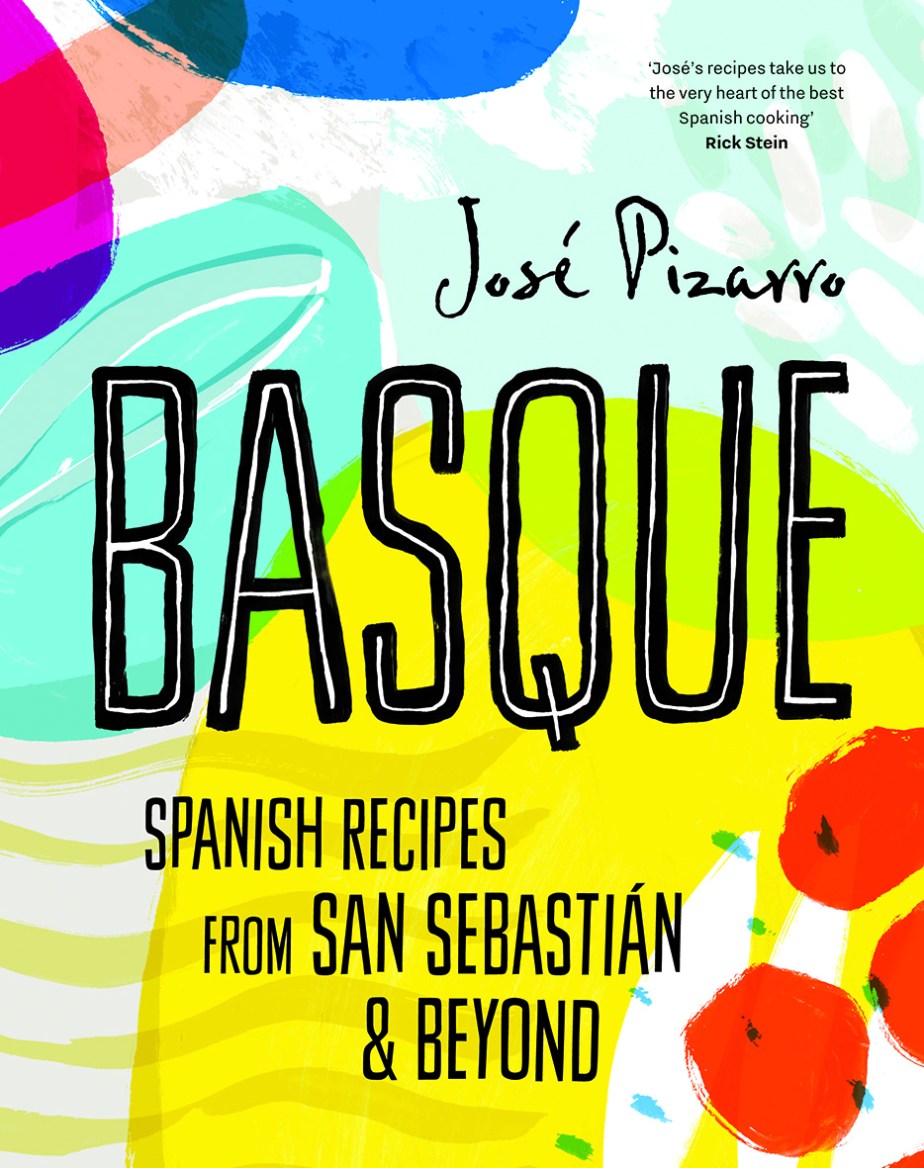
José Pizarro, chef and owner of Jose Pizarro Broadgate Circle, The Swan Inn Esher, and Pizarro, his eponymous tapas bar and restaurant respectively, both on Bermondsey Street, near London Bridge, was born in Extremadura and worked in restaurants in that region and Madrid.

Credited with popularizing Spanish cuisine in Great Britain. His cookbook, Basque (Hardie Grant 2021; $22.95), is a great way to explore the beautiful Basque region of Spain.

“The Basque Country is feted across Spain, and indeed the world, for its culinary creativity,” says Pizarro.  “It has more three Michelin-starred restaurants than anywhere else, and I can understand why – there are so many local products that you can be inspired by here.”

Chicken Stewed in Cider & Apples

          “My inspiration for this dish, as with many of my recipes, came from seeing the ingredients together,” says Pizarro. “When I see them, I just have to create a plate of food. When we were in Astarbe in a beautiful cider house, I saw the chickens hopping around the apple trees, and that was it.”

The Astarbe Experience includes a restaurant and an assortment of wonderful foods and tastings of their ciders.

Serves 6

olive oil

1 free-range chicken (1.8–2 kg/4 lb–4½ lb)

sea salt and freshly ground black pepper

1 apple, peeled, cored and halved

2 onions, finely sliced

2 bay leaves

6 sage leaves

1 cinnamon stick

500 ml (17 fl oz) cider

400 ml (13 fl oz) fresh chicken stock

25 g (1 oz) unsalted butter

3 apples, peeled, cored and sliced into 8 pieces

1 teaspoon caster (superfine) sugar

75 g (2½ oz) sultanas

Preheat the oven to 160ºC (320ºF/Gas 3).

Heat a layer of oil in a large casserole dish. Season the chicken inside and out and brown all over in the casserole dish. Set aside and put the halved apple inside the cavity.

Add the onions to the casserole and fry for 10 minutes to soften. Return the chicken to the pan and add the herbs and cinnamon.

Pour in the cider and bubble for a few minutes, then add the stock. Bring to the boil, then cover and transfer to the oven to cook for 1 hour.

Meanwhile, heat a little oil and the butter and fry the rest of the apples with the sugar until golden and caramelised. Add the sultanas and toss in the buttery juices. Add to the casserole about halfway through the cooking time.

Remove the lid of the casserole and turn up the oven to 220ºC (430ºF/Gas 7). Cook for 10 minutes more to brown the top of the chicken, then serve.

Photo by Laura Edwards.

Sautéed clams with garlic, lemon & parsley

“Clams are popular all over the world as they are so versatile,” says Pizarro about this wonderful dish. “When you are planning to cook for more than a couple of people, this is something that you must consider; ingredients and dishes your friends will love but are also quick prepare, so that you don’t spend the whole time at the stove.

“You can boil some pasta with this for a really easy lunch, and add some chilli for an extra kick.”

Serves 4

olive oil
3 fat garlic cloves, peeled and finely sliced
1 lemon, half finely sliced, half juiced

1 kg (2 lb 3 oz) fresh palourde clams, cleaned
few sprigs of thyme, leaves stripped

handful of finely chopped flat-leaf

parsley

Heat a little oil in a deep heavy-based stockpot. Fry the garlic and lemon slices for 30 seconds, then increase the heat to high, tip
in all the clams and cover with a lid. Cook for 2–3 minutes, shaking the pan occasionally, until the clams have all opened (discard any that refuse to open).

Add the lemon juice and herbs and serve with lots of crusty bread to mop up the juices.

Photo by Laura Edwards.

Pan-fried hake with sautéed wild chanterelles & sage

“Hake is one of the most sought-after fish in the Basque Country,” says Pizarro when sharing this recipe. “I really don’t know why it’s not as popular here in the UK, particularly as it’s plentiful – I think most of the catch from the sea here goes to Spain!

“In my family, our favourite way of cooking hake is a la romana, or Roman

style, which means that it’s battered.

“In this recipe, I bring two big flavors together, the sage and the mushrooms, but they complement the fish very well.”

Serves 4

olive oil
2 French shallots, finely chopped
2 garlic cloves, crushed
few small sage leaves
300 g (10 1⁄2 oz) chanterelles, cleaned

100 ml (31⁄2 fl oz) fresh fish stock
sea salt and freshly ground black pepper
4 hake fillets (175 g/6 oz each)

Heat a little olive oil in a pan and gently fry the shallots for 5–10 minutes until really soft. Add the garlic and sage and cook for 30 seconds, then increase the heat and add the mushrooms. Fry for 4–5 minutes, then add the stock and bubble for a couple of minutes. Season and set aside.

Heat a heavy-based frying pan with a little bit of oil. Add the hake skin side down and cook for 4–5 minutes until almost cooked through. Flip over and cook for 30 seconds more.

Put the cooked hake, skin side up, into the pan with the mushrooms. Cook for a minute or two more, then serve.

Recipes excerpted with permission from Basque by José Pizarro published by Hardie Grant Books, March 2021.

Midwest Made: Honeyed Raspberry and White Chocolate Cream Pie

After more than a decade of living in California, Shauna Sever resettled with her family in her home state of Illinois and rediscovered the storied, simple pleasures of home baking in her Midwestern kitchen, developing what she calls the 5 tenets of Midwest baking: Bake Big, Bake Easy, Bake with Purpose, Bake from the Past, and Bake in the Present. You may have seen Shauna discussing these tenets and sharing some of her favorite Midwest foods recently on CBS This Morning: Saturday.

As she’ll tell you: “From the Dakotas to Ohio, from Minnesota to Missouri, the Midwest is a veritable quilt of twelve states full of history, values, recipes, people, and places that make up the baking culture of the Heartland.” And with MIDWEST MADE, Sever offers bold recipes for treats we’ve come to know as all-American—from Bundt cakes to brownies—most traced to German, Scandinavian, Irish, Polish, French, Arab, and Italian immigrant families that came to call the American Midwest their home. Recipes include             Swedish Flop, Polish Paczki, Danish Kringle, German Lebkuchen, Candy Bar Baklava, Ozark Skillet Cake, Cleveland-Style Cassata Cake, Nebraskan Runzas, Apricot and Orange Blossom Kolacky, Dark-Chocolate Pecan Mandelbrot, Marshmallow Haystacks and so much more…

Here’s one that you’ll be sure to love.

Honeyed Raspberry and White Chocolate Cream Pie
Serves 8 to 10
From the outset, this pie appears to be one of those floaty, feminine food things, because it’s just so dang pretty. However! The fluff factor here—a cloud of white chocolate cream, bolstered by cream cheese—is quickly tempered by the thick raspberry layer beneath it, sharp and nubbly with all those nutty little berry seeds, which I happen to love. The mix of cooked and raw berries help to intensify the raspberry flavor, making you wonder: why there aren’t more raspberry pies out there, anyway?

Midwest Made by Shauna Sever.

CRUST:
2 ounces/57 g high-quality white chocolate, chopped
1 tablespoon heavy whipping cream
1 single batch My Favorite Pie Crust (see recipe at bottom), blind baked and cooled
FILLING:
2/3 cup/132 g granulated sugar
1/4 cup/32 g cornstarch
1/4 teaspoon fine sea salt
1 cup/225 g lukewarm water
3 tablespoons/63 g honey
1 teaspoon freshly squeezed lemon juice
4 cups/500 g fresh raspberries, divided
1 tablespoon unsalted butter
TOPPING:
1 cup/240 g heavy whipping cream, very cold
1 teaspoon pure vanilla extract
1/4 teaspoon pure almond extract
4 ounces/113 g full-fat cream cheese
4 ounces/113 g high-quality white chocolate, melted and cooled

Prepare the crust: Combine the white chocolate and cream in a small, microwave-safe bowl. Microwave with 20-second bursts on medium, stirring until smooth. Spread evenly over the bottom of the cooled crust. Allow to set at room temperature.

In a 3- to 4-quart/2.8 to 3.75 L saucepan, whisk together the sugar, cornstarch, and salt until lumpfree.
Whisk in the lukewarm water, honey, and lemon juice. Add 2 cups/250 g of the raspberries. Cover and set the pan over high heat. Bring to a boil, stirring occasionally. Once the berries begin to break down and the mixture is slowly bubbling all over the surface like lava, cook for 2 timed minutes, stirring often. Stir in the butter. Remove the pan from the heat and let cool completely, about 1 hour.

Prepare the topping: In the bowl of an electric mixer fitted with the whisk attachment, whip the cream with the vanilla and almond extract until stiff peaks form. Transfer the whipped cream to a clean bowl. Swap out the whisk attachment for the paddle. Add the cream cheese and melted white chocolate to the mixer bowl (no need to clean it). Beat on medium speed until smooth and creamy. Gently stir about a third of the whipped cream into the cream cheese mixture to lighten it, then carefully fold in the remaining whipped cream.

Assemble the pie: Scatter 1 cup of the remaining berries over the bottom of the crust. Spoon the raspberry filling over them, then add the remaining berries on top. Pipe or dollop the white chocolate cream topping over the pie, leaving a 1-inch/2.5 cm border of the ruby red filling all around the edges. Refrigerate for at least 3 hours to set. Let soften at room temperature for about 20 minutes before serving.

My Favorite Pie Crust
Pie crust purists will likely object, but I’m a big believer in using a food processor for pie crust making. If you don’t overdo it, it just doesn’t get any easier or faster.

We’ve all heard a thousand times that keeping the fat as cold as possible is the key to great pie crusts, and that’s certainly a great tip. But I add a few pinches and splashes that I consider insurance, for when the kitchen is hot or I’m distracted by any number of children or things.
Vinegar is great for tenderness: I like red wine vinegar, but cider vinegar is good, too. A little pinch of baking powder makes a flakier crust a little more foolproof in case you happen to overwork the dough (happens to the best of us). For a crust with a savory filling, I include the smaller amounts of sugar as listed here for flavor and browning. For sweet pies, use 1 or 2 tablespoons, as you like.

SINGLE
MAKES: 1 (9- or 10-inch/23 or 25 cm) round bottom pie or tart crust
11/3 cups/170 g unbleached all-purpose flour, spooned and leveled
1 teaspoon to 1 tablespoon granulated sugar (see headnote)
1/2 teaspoon fine sea salt
1/8 teaspoon baking powder
1/2 cup/113 g very cold unsalted butter, cubed
1/4 cup/57 g ice water
11/2 teaspoons red wine vinegar
SPECIAL NOTES > Pat the finished dough into a round disk before wrapping and chilling to make rolling it into a circle later much easier.

DOUBLE

MAKES: 1 (9- or 10-inch/23 or 25 cm) round double-crusted or lattice-topped pie
22/3 cups/340 g unbleached all-purpose flour, spooned and leveled
2 teaspoons to 2 tablespoons granulated sugar (see headnote)
1 teaspoon fine sea salt
1/4 teaspoon baking powder
1 cup/225 g very cold unsalted butter, cubed
1/2 cup/113 g ice water
1 tablespoon red wine vinegar
SPECIAL NOTES > Divide the dough in half before shaping and wrapping. For a lattice top, make one disk slightly larger for the bottom crust.

SLAB
MAKES: 1 (10 x 15-inch/30 x 43 cm) slab pie
51/3 cups/680 g unbleached all-purpose flour, spooned and leveled
4 teaspoons to 4 tablespoons granulated sugar (see headnote)
2 teaspoons fine sea salt
1/2 teaspoon baking powder
2 cups/453 g very cold unsalted butter, cubed
1 cup/225 g ice water
2 tablespoons red wine vinegar

SPECIAL NOTES: Make the dough in 2 batches (2 recipes of the doubled recipe, left), for the top and bottom crusts. Shape and wrap each batch separately.

METHOD: In the bowl of a food processor, combine the flour, sugar, salt, and baking powder. Pulse a few times to blend. Sprinkle half of the butter pieces over the dry ingredients. Process until the mixture resembles cornmeal, about 15 seconds. Add the remaining cold butter and pulse about 10 times, until this batch of butter cubes is broken down by about half.

In a measuring cup, combine the water and vinegar. Add about three quarters of the liquid to the bowl. Pulse about 10 times, or until the dough begins to form a few small clumps. Test the dough by squeezing a small amount in the palm of your hand. If it easily holds together and your palm isn’t dusty with floury bits, it’s done. If not, add an additional 1/2 tablespoon of vinegared water and pulse 2 or 3 more times. Repeat this process as needed just until the dough holds together. Turn out the mixture onto a work surface. With a few quick kneads, gather the dough into a mass.

For a single crust, pat the dough into a disk, wrapping tightly in plastic wrap. For double crust, divide the dough in half and shape into disks. For 2 slab crusts, shape each half of the dough into a 5 x 8-inch/12.5 x 20 cm rectangle. Refrigerate for at least 2 hours before rolling.
TIP > The dough will keep tightly wrapped in the fridge for up to a week, and in the freezer for up to 6 months.

Reprinted with permission from MIDWEST MADE © 2019 by Shauna Sever, Running Press.

Peas, Love and Carrots

Savory Stovetop Turkey. Photo by Moshe Wulliger.

So, before we start talking about Danielle Renov’s wonderful new cookbook, Peas Love and Carrots (Me’sorah Publications, Ltd. 2020; $28.93 Amazon price) I want to take a few moments to whine. I write a lot about food, I have a food blog, Twitter, Facebook and Instagram accounts where I post about food and travel. I often think it’s lucky I have a large family including cousins who I am able to cajole into following me so I have at least some followers.

Some don’t seem to need large families to get followers. At least four or five times a year, I interview a cookbook author who started with an Instagram or Facebook or Twitter account and ended up with tens and sometimes hundreds of thousands of followers. I’m not saying I’m anywhere near their level of ability and creativity. Far from it, but still—comparatively my numbers aren’t even close. I’m not writing this to make people feel so sorry for me that they follow me—but hey, if you want to it’s okay. it’s just that with Renov I ran into it again. Four years ago, with her husband out of town and her kids tucked away in bed, she decided to start Instagramming.

Tuna Salad A` La Moi. Photo by Moshe Wulliger.

Last year, she had around 43,000 followers. This year, as of May, the number was edging close to 60,000. She now is talked about as a kosher and food influencer—someone who has the audience and credibility to persuade others. To give an example of what that means, Kim Kardashian may be the ultimate influencer with 200 million followers across social media channels. Yes, 200 million. That’s more than half the number of people who live in the United States.

Burnt Cauliflower and Herb Salad. Photo by by Moshe Wulliger.

Renov, who grew up on Long Island, New York and moved to Israel about 13 years ago, deserves her followers. The 254 plus recipes she created for Peas, Love & Carrots reflect her many life experiences, her family’s heritage, her Sephardic and Ashkenazi roots and her own interest in food in her new homeland including her weekly shopping expeditions to the Machane Yehuda Shuk, a sprawling 19th century
market in Jerusalem selling among many other items, a variety of foods. In writing the introduction to her recipes, Renov tells a story about it, often displaying a sense of humor.

“Dinner again?” she writes in the introduction to Crispy Baked Chicken fingers. “I know. it’s crazy. No matter how many times you go through it, it comes back again and again. It’s almost like laundry. Only you can’t eat your laundry, so at least there’s that. This (recipe) is for those days. And since those days happen more than we’d like to admit, I gave you three versions so that you can change things up. You’re welcome.”
But food is also serious for Renov, who returns frequently to New York where she records cooking videos for kosher.com. She wants her recipes to work, to be easily accessible for both kosher and non-kosher cooks and to offer tastes beyond the everyday.

Describing her Savory Stovetop Turkey recipe as an ode to her father who doesn’t eat a lot of read met, Renov says she’s always on the hunt for tasty turkey recipes.

Crispy Baked Chicken Fingers. Photo by Moshe Wulliger.

“What I never saw was a turkey roast recipe where I felt like the turkey was treated like a proper beef roast,” she says, and I have to agree which is another reason why this recipe looks so intriguing. From the photo, and I’ll soon have my own photos too as I’m making it for company tomorrow, it looks like a richly braised beef roast.

“That’s what was aiming for here,” she says, “Turkey that was deeply savory, moist, and extremely satisfying.”

Go ahead and follow Renov, I won’t mind. Really. She posts her recipes, cooking tutorials, lifestyle tips and inspirational ideas for the kitchen, home, and family on both her blog peaslovencarrots.com and Instagram feed @peaslovencarrots.

The following were excerpted from Peas Love & Carrots by Danielle Renov. Copyright 2020 by ArtScroll Mesorah Publications, photos by Moshe Wulliger. Reproduced with permission of the copyright holder. All rights reserved.

Burnt Cauliflower and Herb Salad
Yield: 2+ quarts
Cauliflower
2 (24 oz) bags frozen cauliflower florets
3 tablespoons olive oil, divided
4 cloves garlic, minced (about 1 1⁄2 Tablespoons)
1 1⁄2 teaspoons kosher salt
1⁄2 teaspoon freshly ground black pepper
2 teaspoons turmeric
1 1⁄2 teaspoons sumac
1⁄2 teaspoons paprika
1 lemon, halved

Herb Salad
1⁄2 cup chopped parsley
1⁄2 cup chopped cilantro
1⁄2 cup chopped scallions (from about 4 scallions)
2 tablespoons chopped mint, optional
1 small purple onion, finely diced (about 1 cup)
1-11⁄2 Tablespoons white vinegar kosher salt, to taste
Freshly ground black pepper, to taste

Cauliflower
Preheat oven to 350°F / 180°C. Line a baking sheet with heavy duty foil; coat with 1 tablespoon olive oil.
Toss frozen cauliflower with 2 tablespoons oil, garlic, salt, pepper, turmeric, sumac, and paprika.
Spread out on baking sheet in a single layer.

Roast undisturbed for about 45 minutes (DO NOT OPEN OVEN DOOR DURING THAT TIME!).
After 45 minutes, cauliflower should begin to get crispy and charred.

Open oven door remove baking sheet, and squeeze both halves of the lemon over the cauliflower. DO NOT MIX OR STIR. Just squeeze over the top, return to oven and cook for 5-6 minutes.
Serve and enjoy.

Herb Salad
While cauliflower is roasting, combine parsley, cilantro, scallions, mint, and onion in a large bowl.
When cauliflower is done, add to the herb mixture, tossing to combine. Add vinegar; toss to combine.
Season to taste with salt and pepper.
Serve warm or cold.
Note: If not serving the same day, combine herbs with cauliflower before serving time.

Tuna Salad A` La Moi
“This is my favorite lunch salad,” says Renov. “I could eat it, on repeat, every day. I know, mercy. Ok, fine. every other day. It’s filling, the
flavors are punchy, and it’s my absolute favorite way to eat tuna. Make it today, double the recipe, and store it in an airtight container for tomorrow. it is actually better the second day.”

2 cups shredded purple cabbage
1 cup shredded radicchio
1 cup chopped scallions
1 cup chopped cucumber
1 cup finely chopped celery
1⁄2 cup diced purple onion
1 cup parsley, chopped
1 cup chopped preserved lemons
1⁄2 cup chopped capers 15 ounce canned tuna in water, drained,

Roughly chopped juice of 1 lemon, 2 teaspoons paprika, 1 teaspoon, cayenne pepper, 1 teaspoon kosher salt and 1⁄2 teaspoon coarsely ground black pepper.

Place all ingredients into a large bowl. Toss well to combine.

Let sit for 5 minutes. Toss again.

Savory Stovetop Turkey
1 large whole deboned turkey breast
1 Tablespoon kosher salt
1 teaspoon coarsely ground black pepper
1 1⁄2 teaspoons granulated garlic
1 1⁄2 teaspoons paprika
1 tablespoon neutral oil
1 onion, thinly sliced
4 cloves garlic, minced
2 Tablespoons tomato paste
1 1⁄2 cups dry white wine
2 bay leaves
1 tablespoon white vinegar
2 cups chicken broth
1⁄4 cup duck sauce

In a small bowl, combine salt, pepper, garlic, and paprika. Season turkey breast with mixture on all sides.
Heat a pot over medium heat. Add oil; place turkey top side down and sear for 4 minutes on each side.
Remove turkey from pot; set aside.

Add onion; cook for 12 minutes.

Add garlic and tomato paste to the pot. Cook for 2 minutes until fragrant.

Add wine, bay leaves, and vinegar, stirring to scrape up any bits on the bottom of the pan.

Cook for 2 minutes; add chicken broth and duck sauce.

Return turkey to the pot, spooning some of the mixture over the top.

Bring mixture to a boil, cover pot, and reduce heat to low. Cook for 1 1⁄2 hours, basting every 20 minutes or so. Serve hot and enjoy.
Tips + Tricks
If making in advance, slice turkey when it’s cold, return to sauce, and reheat gently.

Crispy Baked Chicken Fingers:

Crispy Asian Baked Shnitsel
1 package chicken tenders (about 18 pieces) OR 12 thin cutlets
1 cup mayo
2 tablespoons minced garlic
2 tablespoons honey
1-2 teaspoons sriracha (depending how spicy you like it!)
1 Tablespoon white miso
1⁄4 cup soy sauce
3 cups panko breadcrumbs
Barbecue Crispy Chicken
1 package chicken tenders (about 18 pieces) OR 12 thin cutlets
1⁄4 cup mayo
3⁄4 cup favorite barbecue sauce
1 teaspoon granulated garlic
1 teaspoon granulated onion
3 cups panko breadcrumbs

Honey Mustard Crispy Chicken
1 package chicken tenders (about 18 pieces) or 12 thin cutlets
1⁄4 cup mayo
1⁄4 cup Dijon mustard
3 tablespoons honey
3 cups panko breadcrumbs
Preheat oven to 350°F

Coat a baking sheet liberally with nonstick cooking spray.
In a large bowl, combine flavoring ingredients (aside from chicken and breadcrumbs) in selected recipe.
Add chicken to wet mixture; mix to coat.
Dip coated chicken into breadcrumbs, then place flat on prepared baking sheet. Spray the top of the chicken pieces with a little more nonstick spray.
Bake for 30-40 minutes, until chicken is cooked through.

Eat Something: A Wise Sons Cookbook for Jews Who Like Food and Food Lovers Who Like Jews

A combination cookbook, Jewish stand-up comedy and family album, Eat Something: A Wise Sons Cookbook for Jews Who Like Food and Food Lovers Who Like Jews by Evan Bloom & Rachel Levin includes recipes from Wise Sons Delicatessen with locations in the San Francisco area as well as Tokyo that Bloom co-founded a decade ago.

“Our lives, as Jews, revolve around food in a way that’s at once fanatical, logical, and comical, and to be honest, kind of pathological,” writes Bloom in the introduction to his book. “Especially when family is in town. Meals are plotted with the care and calculation of a presidential campaign. While spreading the cream cheese on our bagels, we discuss where we should go for lunch; while the Russian dressing drips from our Reubens, we ruminate over dinner reservations; while arguing over the best way to get to the airport in the morning, we wonder if we’ll have time to pick up egg-and-cheese sandwiches on the way. (We won’t.)”

The touch of humor begins when you first open the book to find a page titled: “A Jewish Life in Meals a.k.a the Table of Contents” with such chapter headings as “Visiting the Grandparents in the Sunshine States,” “Dinner with the Goyim In-Laws,” “First Meal Home from College” and “J Dating: “Are you Meeting New People? (I Hope They’re the Right Kind.)”

Besides the recipes and the jokes, Bloom also added family photos and recollections (centered around food, of course), illustrations, food shots of some of the recipes and intriguing tidbits including how frequently Chinese take-out is served in Jewish homes for Christmas Dinner. The later is something Bloom says dates back to at least 1935 when the New York Times ran a story about Eng Shee Chuck, who owned a restaurant in Newark, New Jersey, brought enough chow mein to feed 80 as well as toys wrapped in red ribbon to a Jewish Children’s Home. It’s that kind of book.

The following recipes are reprinted from Eat Something by Evan Bloom with permission by Chronicle Books, 2020

Big Macher Burger

Makes 4 burgers

4 ounces pastrami

1 pound 80/20 ground beef (80 percent lean beef and 20 percent fat)

1 tablespoon vegetable oil

4 teaspoon Diamond Crystal kosher salt

4 slices American cheese (or Cheddar, if you must)

4 sesame seed challah buns

¼ cup   Russian Dressing (see recipe below)

16 Pickled Cucumbers Bread & Butter Style (see below)

¼ cup chopped yellow onion

2 cups shredded iceberg lettuce

Full sour dill pickle spears for serving

Finely chop the pastrami or pulse quickly with a food processor, taking care not to over process, which will heat the meat. In a large bowl, combine the ground beef and chopped pastrami. Use clean hands to mix the meats together until well combined, but do not overmix. Use a kitchen scale to weigh out four 5 oz [140 g] portions or simply eyeball them, forming each into a smooth round ball between your palms. Gently press each patty into a flat puck, tossing and patting between your hands until you have a nice flattened patty, about 5-inches across and ½-inches thick. Transfer to a large plate, cover with plastic wrap, and refrigerate until ready to cook. The patties can be made up to 1 day in advance.

Set a large cast-iron skillet over medium-high heat and coat evenly with the oil. When the oil is shimmering, remove the patties from the refrigerator and sprinkle the tops liberally with half the salt, flip, and sprinkle with the remaining salt. Add two patties to the pan and cook until a light brown crust forms on the bottom and the burger is turning from pink to brown at the edges, about 3 minutes. Carefully flip with a spatula and place a cheese slice over each burger. Cook for 2 minutes more for a medium-rare to medium burger. The cheese will have melted well at this point. Transfer the cooked burgers to a plate or baking sheet. Repeat with the remaining patties.

With the oil and beef fat still in the pan, place the buns, cut-side down, in the pan and cook over medium-high heat for 2 to 3 minutes, until a golden, toasty crust has formed. Flip and cook for 1 minute more to heat the buns completely.

Put a heaping spoonful of dressing on the bottom half of the bun, spreading it out to the edges. Spread out four bread and butter pickle coins on top, and sprinkle with onion. Place the cheese-covered patty on top, and cover with a heap of lettuce. Spread a bit more dressing on the top bun to “glue” it to the burger toppings and use your palm to gently smush everything down. Serve with a sour pickle spear.

Russian Dressing

½ cup mayonnaise

1½ tablespoons ketchup

1½ tablespoons grated yellow onion (use the small holes of a box grater)

1 tablespoon dill pickle relish

½ teaspoon Worcestershire sauce

½ teaspoon sriracha

Pinch of garlic powder

Freshly ground black pepper

In a small bowl, whisk together the mayonnaise, ketchup, onion, relish, Worcestershire, sriracha, garlic powder, and a few grinds of pepper until well combined. Store, covered, in an airtight container in the refrigerator for up to 1 month. Makes about 3/4 cup.

Pickled Cucumbers Bread & Butter Style

Makes enough to fill a 1 quart jar

1 recipe Sweet Brine (see recipe below)

12 ounce Persian cucumbers, thinly sliced

1 cup thinly sliced yellow onion

1 teaspoon brown or yellow mustard seeds

½ teaspoon ground turmeric

4 garlic cloves, peeled and smashed with the flat side of a knife

While the brine mixture is heating, toss the cucumbers and onions together in a small bowl to evenly combine, then transfer to a clean 1 qt [960 ml] glass jar and add the mustard seeds, turmeric, and garlic. Slowly pour the hot brine into the jar and let the entire mixture cool on the counter until it reaches room temperature. Seal with a tight-fitting lid and refrigerate. The pickles will be ready to eat within 24 hours but will get better with age. They will keep in the refrigerator for up to 3 months.

Sweet Brine

Makes about 2 ¼ cups

¾ cup sugar

1 tablespoon Diamond Crystal kosher salt

1 cup apple cider vinegar

1/2 cup water

Heat the sugar, salt, vinegar in water in a small, heavy bottom saucepan over medium heat until the liquid begins to bubble, whisking once or twice to make sure the sugar and salt are dissolved. Cook for 30 seconds more and remove from the heat. 

Wise Sons’ Brisket

Serves 8 (with plenty of leftovers)

1/3 cup spicy brown deli mustard (any mustard will work in a pinch), plus more as needed

4 1/2 tablespoons Diamond Crystal kosher salt

1 tablespoons freshly ground black pepper

One 6 to 8 pounds beef brisket

2 Tbsp vegetable oil

3 cups homemade stock, low-sodium chicken, beef, or vegetable broth, or water

12 ounces bottle of beer (something dark and sweet, like a porter) or ½ bottle dry red wine (such as Cabernet or Zinfandel)

5 whole pitted prunes

2 dried bay leaves

1 tablespoon packed dark brown sugar

1 pound carrots, peeled and cut into 1-inch chunks

3 medium yellow onions, thinly sliced

8 garlic cloves, peeled and smashed with the flat side of a knife

2 to 3 tablespoons unsalted butter (optional)

Mix the mustard, salt, and pepper in a small bowl. Slather all over the brisket and place it on a baking sheet. Let sit, uncovered, in the refrigerator for at least 2 hours or overnight for maximum moistness.

Preheat the oven to 350°F. Heat the oil in a Dutch oven or another large heavy-bottomed, ovenproof pot over medium heat until shimmering. Add the brisket and sear until browned on both sides, about 5 to 8 minutes per side. You want a nice golden crust. Transfer to a platter and set aside.

Increase the heat to medium-high, add the stock to the pot, and bring to a simmer, scraping up the browned bits from the bottom of the pot.

Add the beer, prunes, bay leaves, and brown sugar. Cook until the sugar has dissolved, stirring if necessary. Remove from the heat.

Return the brisket to the pot, fat-side up, and scatter the carrots around the meat. Blanket the meat with the onions and garlic. Cover the pot tightly with a lid or heavy-duty aluminum foil. Transfer to the oven and braise the brisket for about 3 hours, flipping the brisket every hour. Cook until a fork inserted into the center rotates easily, with just a little resistance, but without tearing the meat to shreds.

Remove the brisket from the pot and use a large, sharp knife to cut the brisket against the grain into ¼ in [6 mm] thick slices. Remove the bay leaves from the pot and discard.

Using an immersion blender directly in the pot, purée the jus and the remaining tender vegetables—this will give the gravy a sweet taste and enough body to slick over the brisket. (At this point, the brisket and gravy can be transferred to a roasting pan, ready to reheat, with the brisket fanned out and smothered by the gravy. Or store in separate containers.

Either way, let cool, cover, and refrigerate overnight.

If reheating the brisket straight out of the refrigerator, preheat the oven to 300°F.

Use a spoon to skim off any fat on the surface of the gravy. Cover tightly with heavy-duty aluminum foil and warm for about 30 minutes, or until heated through.)

In the deli, we like a thicker gravy. To achieve this, transfer half of it to a small heavy-bottomed pot and bring to a medium simmer. Return the sliced brisket to the pot with the remaining gravy and keep warm on a burner at its lowest setting. Cook the gravy in the small pot until reduced by half, 30 to 40 minutes, stirring as needed so it doesn’t burn. If you like, whisk in the butter for extra sheen, body, and richness, and then a bit more mustard to taste. Transfer the brisket to a platter, spoon the thickened gravy over the meat, and serve.

Grandma’s “secret” recipe . . .

Season a beef brisket heavily with salt and pepper, and transfer to roasting pan, fat-side up. Add a packet of Lipton onion soup mix, a can of Coca-Cola, a bottle of Heinz chili sauce (yes, the entire bottle), a few thinly sliced yellow onions, and some chopped carrots. Cook for 3 hours in a 350°F oven.

Jane Ammeson can be contacted via email at janeammeson@gmail.com or by writing to Focus, The Herald Palladium, P.O. Box 128, St. Joseph, MI 49085.

Every Day Is Saturday: Recipes + Strategies for Easy Cooking, Every Day of the Week

Short on time? Sarah Copeland has a recipe for you.

              Want a dinner that tastes like Saturday night when you’ve had all day to putter around in the kitchen on a Wednesday? Don’t despair. Sarah Copeland, author Feast, has a new cookbook out that’s just right for you.

              In Every Day Is Saturday: Recipes + Strategies for Easy Cooking, Every Day of the Week (Chronicle, $29.95), Copeland, a former food director of Real Simple magazine, restaurant chef and mother of two young children as well as a New York Times contributor, zeroes in time management, maintaining a well-stocked pantry, and cooking dishes that do double duty. She also emphasizes healthy.

              Her recipes with prep time and total cooking time help you decide what fits in with your busy day.

              Reprinted from Every Day Is Saturday by Sarah Copeland with permission by Chronicle Books, 2019

MIGHTY YOGURT BOWLS WITH CURRANTS AND PEACHES

PREP TIME: 5 MINUTES

TOTAL TIME: 5 MINUTES or overnight

SERVES 4

Quick-to-make chia pudding, with the right touch, can turn an everyday yogurt bowl into something beautiful and irresistibly creamy.

The secret is to keep the chia mixture loose, and treat it like a condiment, rather than the main event. (Chia thickens as it sets in liquid, so you’ll need to add fewer seeds if you plan to let it sit overnight.) Serve this creamy, coconut-milk goodness with loads of fresh fruit, as a quick morning breakfast bowl that’s nearly ready to go when you wake up.

¾ cup whole milk, or almond, coconut, or hazelnut milk

2 to 3 tsp pure maple syrup

1 tsp pure vanilla extract

2 to 3 Tbsp chia seeds

Plain yogurt, for serving

Currants, peaches, berries, honey, or maple syrup, for topping

Combine the milk, maple syrup, vanilla, and 2 tablespoons chia seeds in a mason jar or any glass container with a tight-fitting lid. Give it a shake or a stir and refrigerate up to overnight, or stir in the remaining chia to thicken if you plan to use right away. Spoon the chia mixture over yogurt, and top with fresh fruit and honey or maple syrup.

Sarah Copeland will be in conversation with Jeanine Donofrio of Love & Lemons at Read It & Eat in Chicago on Saturday, June 29, 2019 from 2 to 4 p.m. (773) 661-6158. 2142 N Halsted Street 
Chicago, IL