The Michigan Wine Collaborative (MWC) is excited to announce the 2025 Taste Michigan Governor’s Cup Competition results. This event represents Michigan’s only statewide industry driven wine competition and is an opportunity for the Michigan wine industry to unite, engage, compete, and celebrate the premium wines representative of our wine industry.
Dr. Analisa Lappanen of Golden Muse Winery in Baroda, Michigan, one of the few women-owned wineries in the state, is passionate about vintage and antique hats and the Belle Époque era of Paris, France. Photo by Jane Simon Ammeson.
Partnering with the Beverage Testing Institute (BevTest) for the official third annual Taste Michigan Governor’s Cup Awards in 2025, MWC is thrilled to announce the exciting results from the competition. BevTest spent April and May conducting a series of professional blind tastings to rate and rank a set of Michigan-produced wines, meads, and ciders at the BevTest Chicago testing facility.
Chateau Fontaine won two of the five coveted Governor’s Case awards for best white wines in the state.
The final tasting results with all wine’s scores, medal ranks, constructive criticism, Best of Category, Governor’s Case Winners, and Governor’s Cup winners can be found on the Taste Michigan website now.
The Michigan Governor’s Cup winner for 2025 is Cherry Creek Cellars, of the River Raisin Wine Trail with their 2023 Charamar Collection Pinot Noir. This wine ranked the highest out of 154 entries from 33 wineries submitted to the competition.
White Pine Winery has a tasting room in downtown St. Joseph. Photo courtesy of White Pine Winery.
We are pleased to announce the following award categories and corresponding ‘Best of Category’ awards:
Lemon Creek Winery, established by the Lemon family as a fruit farm in 1855, remains in the same family. Photo courtesy of Lemon Creek Winery.
Wineries and wines with their medal ranks are now listed on the Taste Michigan website. In partnership with the Taste Michigan brand, MWC will be coordinating events and promotional opportunities for the winning wines of the competition including a prestigious award ceremony where we will gather to transfer the Taste Michigan Governor’s Cup Trophy from Verterra Winery to Cherry Creek Cellars.
The official trophy will be housed at the 2025 Best in Show winner tasting room for one year. MWC provides personalized plaques to signify each year’s winner. This physical award is becoming an iconic part of tasting rooms around the state for the wine industry and consumers alike.
Two K Farms 2021 Bellenoir Red Blend was one of the Governor’s Case Winners this year. Photo courtesy of Two K Farms.
MWC is excited and honored to be able to market Michigan wine through this event via retail and restaurant marketing projects, Taste Michigan campaigns, media opportunities, and more.
Big Little Wines.
We would like to formally thank our membership for making these events and projects a reality and invite the whole of Michigan wine producers and grape growers to consider joining our organization as well as suppliers and vendors to the industry, educators, members of the trade, and all other industry affiliates and supporters. We have many opportunities available for membership and sponsorship of our organization with each allowing us to continue producing projects to increase and reinforce the Michigan grape and wine industries.
Photo courtesy of Peninsula Cellars.
Join or Sponsor the Michigan Wine Collaborative Here!
The Michigan Wine Collaborative is the voice of the Michigan wine industry. Our mission is to enhance the sustainability and profitability of the Michigan wine industry by supporting wineries, growers and other businesses and individuals connected to the industry – today and for future generations.
For more information, contact us by reaching out to info@michiganwinecollaborative.com or send us a message on social media.
National Caves and Karst Day Is June 6 … and Here’s Where to Celebrate
In a country that has a day for everything, of course there’s one set aside to pay tribute to caves. June 6 denotes National Caves and Karst Day, a celebration of those mysterious pits that humans have been exploring for generations … though not always with great success.
This year seems like a particularly good one to acknowledge America’s caves, considering that the story of what happened to one cave explorer has made it all the way to a Broadway stage in 2025. “Floyd Collins: The Musical” shares the story of the man who got trapped in a Kentucky cave in 1925 and created a media frenzy, and the show has been nominated for six Tony awards. Though things didn’t work out so well for Floyd, what happened to him prompted the National Park Service to take control of the country’s biggest cave. But more on that later …
Mammoth CavePhoto Credit: NPS Photo
Though today we’re fully focused on caves, it helps to understand what “karst” is, too. That’s the type of topography that’s created when rocks dissolve, and it results in features like natural bridges and sinkholes … and, of course, caves.
MBPR proudly represents destinations in two of the most “karst-y” places in the entire country, western Kentucky and the Shenandoah Valley of Virginia. Each location is home to a variety of caves, and we’re proud to work with three that are especially fascinating. We encourage you to visit them and learn what’s going on under the earth, then emerge to discover some incredible attributes outside the caves, too.
These caverns are located within the Shenandoah Valley of Virginia, a region that’s incredibly rich in limestone. There are plenty of caves to explore up and down the valley, but we’re particularly fond of Shenandoah Caverns. For starters, it’s the only cave in the state of Virginia to offer elevator service, which means it provides a chance for more people to get inside a cavern and look around. The paths are very wide and most of the ceilings are quite tall. This makes it much more “user-friendly” than caves that feature lots of steps or winding paths.
Something else that sets Shenandoah Caverns apart from most other caves in this region and around the country is the fact that it was formed by both underground rivers and seismic activity. Caves are usually formed by one of those elements or the other, not by both. And a little surprise that’s probably the caverns’ most popular feature is the presence of “cave bacon,” unique formations that looks like everyone’s favorite breakfast meat.
The caverns also just added a new display on June 1. Two years ago, researchers found skulls belonging to a prehistoric animal called the Mylohyus fossilis, or long-nosed peccary (a type of wild pig), in a remote passage in the caverns. They were able to excavate the skulls, which are now being studied, but models have been created so visitors can see what sort of creatures used to live here.
The same limestone that forms the caves also makes the Shenandoah Valley an incredible agricultural region. This part of the United States was once covered by an ancient ocean, and the remains of marine life formed the limestone. The rich soil here is perfect for growing hay, apples and grapes. And you know what comes with grapes … wine! Shenandoah County is home to eight wineries. Of these, Third Hill at DeMello Winery is closest to the caverns, but the others are located anywhere from 10 to 45 minutes away.
Lost River Cave is the only natural underground boat tour in all of Kentucky, which is a big bragging right in a state that’s home to at least 5,000 documented caves. That means that to see inside this cave, you board a boat and take a 25-minute ride through a natural wonder.
The boat is equipped for riders of all types of mobility, so even babes in arms can get their first-ever peek at the interior of a cave.
Besides the cool boat ride and the fact that Lost River runs underneath the third largest city in Kentucky, this cave is known for its famous blue hole, which gets its color from – you guessed it – all the limestone in the area. The cave also has plenty of folklore around it … some stories true, some not so much. It has served as a hunting ground for Native Americans (true), a Civil War camp for both Union and Confederate soldiers (yep), a hideout for the outlaw Jesse James (hmmm… has it?), and the area’s most unusual nightclub (fun fact).
The singers from back in the 1930s can attest to the cave’s dramatic acoustics.
The boat tour is only a portion of what your admission ticket gets you. There’s also a complete above-ground experience that shows off the beauty of the land. There’s an array of trails and a geocaching adventure, and from Memorial Day through Labor Day, the cave’s staff also operates the Charlie Miller Butterfly Habitat.
This isn’t just an example of good marketing … the cave earned its “Mammoth” name because it’s the longest cave system in the entire world. So far, more than 400 miles have been explored, and there’s no telling what lies beyond that. Back in the early 1900s, people popped in and out of this area’s caves with reckless abandon. But an accident in the winter of 1925 at a neighboring cave – a news event referred to as the “entrapment of Floyd Collins” – led to the National Park Service taking over Mammoth Cave and putting incredible safety measures into place. That set the tone for new ways of exploring Kentucky’s “Cave Country.”
These days, Mammoth offers a variety of guided tours, ranging from those that are pretty mild (you can travel in a wheelchair) to some that are kind of wild … perhaps exploring by lantern-light or squeezing through on your hands or knees. Mammoth is an incredibly popular cave, so making a plan and booking your tour early is essential, especially in the summer months. It’s important to note that these days, everyone who enters the cave comes back out again safely, so there’s no fear of someone’s adventure turning into a Broadway musical 100 years from now.
A fun part of any cave tour is experiencing a natural wonder in the dark … but the bonus here is that you don’t have to be underground at Mammoth to do that. This national park is also an official “Dark Sky” park, meaning that the absence of city light results in some incredible stargazing.
In honor of National Caves and Karst Day, make plans to get out there – and get UNDER there – and do some exploring!
Dana Point’s most anticipated wine weekend is almost here! California Wine Festival brings two days of premier wine tasting, gourmet food, ocean views, and live entertainment back to Orange County. The two-day festival will take place on Friday, April 25 and Saturday, April 26, 2025, at the Laguna Cliffs Marriott Resort & Spa and the Sea Terrace Park, set above the picturesque Dana Point Harbor.
Event Details
Sunset Rare & Reserve Tasting
Friday, April 25 | 6:30 – 9 p.m.
Laguna Cliffs Marriott Resort & Spa
Guests will enjoy a sunset wine-tasting experience featuring rare and reserve wines from top producers across California. The evening includes a sparkling wine reception, gourmet pairings, live music by Adam Lasher, and a charity auction benefiting Sandy Feet Initiative.
The signature outdoor tasting event features wines from 60+ California wineries, bites from top OC restaurants, and a Caribbean soundtrack from steel drum band Upstream.
Festival Highlights
Participating Restaurants: Aquamar, Bluewater Grill, Brio Tuscany Grille, Butterfly Brittles, Chipz Happen, Cookie Stop, Farm Fresh Home Foods, Gemmell’s Restaurant, Glasspar Restaurant, Gino Angelini Authentic Italian Sauces, Goufrais Southern California – Cocoa Confection, Horizon Sales, Icelandic Glacial, IMURAYA, Inferno Woodfired Pizza Kitchen, Jars-Sweets 7 Things, Jimmy’s Famous American Tavern, Kerrygold USA, Krave Asian Fusion, Lantern’s Edge @ Laguna Cliffs Marriott, Lunaolivo,, p.o.p. candy co., Savory Bites, Seven Barrels Olive Oils and Aged Italian Balsamics, Sundried Tomato Bistro and Catering, The Real Empanada, Waterloo Sparkling Water, Wild Fork Foods and Zood.
Featured Wineries: Adobe Road Winery, Archer Roose Wines, Arden, Ascension Cellars, Atlas Peak, Austin Hope Winery, Banshee, Bellante Family Winery, Beri, Bezel from the Cakebread Family, Bianchi Winery, BONDLE Wines, Burtech Family Vineyard, Carol Shelton Wines, Chalk Hill, Chateau St. Jean, Cuvaison, Don Tomas Vinedo, Double Bond Wine, Ehret Winery, Familia Hicks Wines, Foley Family Wines & Spirits, Frisby Winery & Brewery, Goldschmidt Vineyards, Harvey and Harriet, Hawk and Horse Vineyards, High Flyer Wines, Juliet Wine, King Frosch, Kubani Wines, Le Vigne Winery, Lorenzi Estate Winery, Michael Mondavi Family Wines, Mizel Estate Wines, Navarro Vineyards, New Zealand Wine Navigator, Norso, Pascual Toso, Pasmosa Sangria, Priest Ranch, PRP Wine International, Puppy Love & Compassion, Quench + Temper, Ramona Valley Vineyards, Rombauer Vineyards, San Simeon, Stoller Wine Company, Tara Bella Winery, The Vinho, Vinera Wine Society, Wine Guy & Wine Gal, Ysidro.
Sponsors: Wine Spectator, Sommsation, Icelandic Water, Wild Fork Foods, Piper Sonoma, Renewal by Andersen,Hilton Garden Inn Dana Point Doheny Beach and Realm.
California Wine Festival is a 21+ event. Tickets for California Wine Festival Dana Point are available for pre-sale here. For more information, please visit CaliforniaWineFestival.com.
About California Wine Festival
California Wine Festival celebrates the fine wines and culinary offerings of California. A nationally recognized event series, it aims to showcase the beautiful wines, foods and landscapes of California. Founded in 2004 in Santa Barbara, the California Wine Festival has grown to become one of the largest outdoor wine festivals in the state. Committed to sustainability, 90% of the waste from the festivals was diverted from the landfill in 2024. The festival has also raised funds for local charities across California, including the Foodbank of Santa Barbara, Sandy Feet Initiative and more. Join us at our four coastal festivals in Dana Point, Carlsbad, Santa Barbara and Huntington Beach:
France ranks first in the list of top destinations for wine lovers with the highest amount of wine production, contributing to the highest wine consumption per capita as well.
Spain has the largest vineyard area, at 945K hectares, supporting a wine production of 2,833 million liters.
Argentina offers the most affordable mid-range wine at $4.00 per bottle.
Ubuy recently analyzed more than 50 countries to identify the best for wine lovers. Key factors included wine production volume, consumption per capita, vineyard areas, wine imports, and the price of mid-range bottles. The composite score was calculated considering all five metrics for each country.
Country
Population
Bottle of Wine (Mid-Range) (Markets)
Wine Consumption per Capita
Vineyard Surface Area (in hectares)
Wine Production (millions of liters)
Wine Imports (millions of liters)
Composite Score
France
64,756,584
$8.70
53.7
792,023
4,803
595
88.09
Italy
58,743,490
$7.62
40.3
719,955
3,829
203
73.37
Spain
47,486,443
$7.62
29.3
945,061
2,833
54
67.65
Germany
83,264,727
$6.52
25.2
103,687
860
1,357
61.03
Portugal
10,229,884
$5.44
50.3
182,000
752
297
57.78
United States
341,347,980
$15.00
13.9
391,538
2,429
1,227
54.06
United Kingdom
67,903,439
$12.05
27.5
3,800
–
1,233
50.08
Argentina
45,985,165
$4.00
24.0
204,847
881
1
46.79
Chile
19,651,487
$5.52
21.8
172,000
1,103
2
44.73
China
1,425,341,345
$13.86
–
755,719
317
249
43.80
France ranks first among the top countries for wine lovers, with a composite score of 88.09. The country has the highest wine production, which contributes to its also having the highest wine consumption per capita at 53.7. With one of the highest vineyard surface areas at 792 thousand hectares, France secured its top spot in the list.
Italy ranks second with a composite score of 73.37. Italian vineyards, covering 719 thousand hectares, contribute to wine production, while Italians enjoy a strong 40.3 liters per capita annually. The price per mid-range bottle in Italy is $7.62.
Spain is the thirdcountry on the list for wine lovers, with a composite score of 67.65. Its high position is secured by its largest vineyard area, at 945 thousand hectares, supporting a wine production of 2,833 million liters. People drink an average of 29.3 liters of wine per person, enjoying bottles priced at $7.62.
With a composite score of 61.03, Germanyis fourth, thanks to its wine imports of 1,357 million liters, which is the highest on the list. With its diverse preferences, the German market enjoys mid-range wines priced at $6.52 per bottle.
Portugal, with a composite score of 57.78, is the fifth country on the list for wine lovers. The country earned its position by having the second-highest per capita wine consumption, at 50.3 liters, with 752 million liters of wine produced from 182,000 hectares of vineyards.
The United States is ranked sixth on the list of the top countries for wine lovers,scoring 54.06. Although it has the third highest number of wine imports, the country has the lowest consumption rate at 13.9 liters per person and the highest price for a mid-range bottle at $15.
The United Kingdom comes in seventh place, with a composite score of 50.08. The country has the smallest vineyard area, at only 3,800 hectares, which explains why it has the second-highest wine import volume, totaling 1,233 million liters. The UK’s wine consumption per capita stands at 27.5 liters, with a higher mid-range bottle price of $12.05.
Argentina ranks seventh with a composite score of 46.79. It offers the most affordable mid-range wine at $4.00 per bottle. The country has 204 thousand hectares of vineyards, producing 881 million liters of wine. Argentina’s wine consumption is high at 24.0 liters per capita.
https://www.totalwine.com/wine/chile/c/000271Chile claims the ninth spot with a score of 43.80. The country offers a slightly higher mid-range wine price at $5.52 per bottle compared to Argentina. Chile’s vineyards span 172K hectares, supporting a wine production of 1,103 million liters. Although wine consumption per capita is lower at 21.8 liters, Chile effectively uses its vineyard space to produce quality wines.
China is rounding up the list of the top countries for wine lovers, with a composite score of 44.73. China’s wine production is relatively low at 317 million liters despite having a large vineyard area of 755,719 hectares.
Nestled in the picturesque landscapes of Creekside Growers, this Field to Vase Dinner promises to be an unforgettable evening celebrating the artistry of local wine paired with the beauty of locally grown flowers, the bounty of Michigan’s agriculture, and the culinary delights that highlight the best of local produce. Guests will dine amidst the blooming fields, enjoying a farm-to-table meal that showcases the freshest seasonal ingredients.
Farmhouse Deli. Photo courtesy of Farmhouse Deli.
Michigan Wine Collaborative member wineries Modales, Domaine Berrien, and MAWBY will be providing the wines for the dinner. prepared by Chef Christine Ferris of Farmhouse Deli in Douglas, Michigan. Guests will delight in a curated menu that emphasizes local and sustainable ingredients, and of course expertly paired with local and sustainable wines.
Southwest Michigan is home to two of the state’s AVAs with Fennville being the oldest AVA in Michigan and the third to be established in the United States. Modales calls Fennville home. Their commitment to sustainable and regenerative agriculture and to the people who make the finished wines possible shine through in each glass of wine produced on the estate.
Their neighbors to the south, Domaine Berrien, are the first and only Rhone Rangers not only in the Lake Michigan Shore AVA but the entire Midwest. Specializing in the Rhone Valley varietals, Syrah, Viognier, Rousanne, and Marsanne, Domaine Berrien also hosts a wide array of vinifera and hybrid varieties.
Representing Leelanau Peninsula AVA is another significant producer, MAWBY, who planted its first vines in 1973. MAWBY is the authority on sparkling wine production in Michigan. For 50 years MAWBY has helped Michigan sparkle. With an emphasis on classic production techniques, sustainable farming methods and quality customer service.
These three producers are coming together to provide a variety of wines for Field to Vase that will represent the diversity and prestige of the Michigan wine industry. Just like the flowers and the food, the wine will be 100% local as well as expertly paired.
“This collaboration of agriculture, artistry, and passion will prove to be a vibrant experience that guests of the dinner will cherish for years to come.” Says Emily Dockery, Executive Director of the Michigan Wine Collaborative, “We hope that these guests will form an emotional connection with Michigan wine that inspires them into planning trips to Michigan wine country regularly and emboldens them to demand local wines at their favorite wine shops, retailers, and restaurants.”
Tickets for the Field to Vase Dinner at Creekside Growers are limited and expected to sell out quickly. Don’t miss your chance to be part of this extraordinary event. For more information and to purchase tickets, please visit the Eventbrite page.
About Certified American Grown. Certified American Grown is a diverse community of cut flower and foliage farmers from across the
United States. As the voice for domestic farms, CAG works towards sustainability and prosperity through a unified voice, effective advocacy, and strategic promotion. Certified American Grown flower and foliage farms participate in an independent, third-party supply-chain audit to verify both origin and assembly of the flowers and foliage grown. When it appears on bouquets, bunches, packaging or signage, the iconic brand mark instills consumer confidence in place of origin. For more information about Certified American Grown, visit americangrownflowers.org.
The Michigan Wine Collaborative is the voice of the Michigan wine industry. Our mission is to enhance the sustainability and profitability of the Michigan wine industry by supporting wineries, growers, and other businesses and individuals connected to the industry – today and for future generations.
For media inquiries and more information, contact us by reaching out to info@michiganwinecollaborative.com or send us a message on social media.
Voting Michigan Wine Collaborative Members and Premium Vintage Michigan members are eligible for exclusive discounts on admission to the dinner. Those members will be emailed instructions for purchasing discounted tickets. Feel free to CONTACT US for that code or Join MWC OR Vintage Michigan to unlock benefits and discounts all year long!
California Wines is launching its 13th annual Down to Earth Month celebrating the state’s global leadership in wine sustainability. Throughout April, the campaign highlights California’s commitment to sustainable viticulture and winemaking through environmental stewardship, economic impact, social equity and community engagement.
California — the world’s fourth-largest wine-producing region — has long been a global leader in sustainable winegrowing. Today, 80% of the state’s wine is produced in a certified-sustainable winery. By prioritizing sustainable practices, the state’s vintners and growers produce coveted wines while protecting our environment, being a good employer and neighbor, and ensuring vibrant family farms and businesses for generations to come. California wine producers are building a wine community where economic success, environmental stewardship and social responsibility thrive together.
Dozens of Sustainable Winery Events
To give consumers an inside look at the California wine community’s innovative sustainable practices, dozens of wineries and vintners’ associations across the state are hosting interactive events, activities and special offers — from eco-focused vineyard hikes and tours to wine tastings to festivals — all month long. For ongoing updates throughout April, visit DiscoverCaliforniaWines.com.
There are plenty of ways to celebrate and salute sustainability. Read on for tips on how to identify and enjoy sustainable wine and food during Down to Earth Month and beyond.
Look For The Logo
When purchasing wine, check the label for sustainability certifications. The vast majority of California wine is made by wineries certified under the California Sustainable Winegrowing Alliance (CSWA)’s Certified California Sustainable Winegrowing program, and many participating wineries display a “Certified California Sustainable” logo on their wine labels or on signs in their tasting room or winery.
Likewise, more than 60% of statewide winegrape acreage is certified under CSWA or to other California sustainability programs such as Fish Friendly Farming, LODI RULES, Napa Green and Sustainability in Practice (SIP). Each has its own seal for qualified wineries to include on their wine labels.
LangeTwins Family Winery and Vineyards — LEADER AWARD, given to the vineyard or winery that excels in the three “Es” of sustainability — Environmentally sound, socially Equitable and Economically viable practices.
Gloria Ferrer — ENVIRONMENT AWARD, given to the vineyard or winery that best demonstrates Environmental Stewardship through maximized environmental benefits from implementing sustainable practices.
Cooper-Garrod Vineyards at Garrod Farms — COMMUNITY AWARD, given to the vineyard or winery that is a Good Neighbor and Employer using the most innovative practices that enhance relations with employees, neighbors and/or communities.
Vino Farms, LLC — BUSINESS AWARD, given to the vineyard or winery that best demonstrates Smart Business through efficiencies, cost savings and innovation from implementing sustainable practices.
Sustainability-minded consumers can take a similar approach when shopping for food. For example, look for signage or labels designating products as certified organic or certified regenerative.
Opt For Earth-Friendly — or Less — Packaging
While traditional glass bottles will always be a vessel for wine, California wineries have embraced a variety of packaging options to reduce their carbon footprints. High-quality wines can now be found in lightweight glass, bag-in-box packaging, pouches, cans and even paper bottles.
When shopping for produce at the grocery store, choose bulk items instead of pre-packaged foods and bring your own eco-friendly bags. Or, do your produce shopping at a local farmers market, bringing along your own reusable totes.
Choose Climate-Friendly Foods & Wine
Not all food is created equal when it comes to sustainability. Buying local is a simple way to reduce food’s carbon footprint because it minimizes transportation emissions.
Trading meat for more plant-based foods is another Earth-friendly option. Some of the most climate-friendly examples include fresh fruits and vegetables, mushrooms, whole grains and pulses such as beans, lentils and peas. Root vegetables require a small amount of water and growing space to produce, so potatoes, carrots and beets are all good bets. When buying nuts, opt for ground nuts or tree varieties such as pistachios, pecans and walnuts.
For meats, consider choosing lower-impact varieties such as poultry over beef or lamb. Environmentally friendly seafood options include farmed clams, oysters and mussels; responsibly farmed shrimp; Pacific cod; sustainably farmed and wild-caught salmon; and trout. For updates, see the Monterey Bay Aquarium Seafood Watch website at seafoodwatch.org.
Pair Climate-Friendly Meals with Sustainable Wines
Celebrate Down to Earth Month with wine country-inspired dishes made with fresh California produce and other sustainable ingredients. All of these spring and summer favorites pair beautifully with sustainably produced California wines.
May:..Fish Tacos with a Radish and Avocado Relish..Suggested wine pairings: Moscato or Sparkling
Mexican-inspired recipe with wine pairing from DCW website
Crunchy radishes, buttery avocados and tangy feta cheese are an inspired accent for fresh cod. Pair the tacos with California sparkling wine or Sauvignon Blanc.
Canada: recipe image for social media | fried rice with vegetables and tofu or egg served with white wine
This colorful vegetarian bowl can be made with almost any fresh veggies you have on hand, making it the perfect spring or summertime meal. The dish pairs perfectly with a chilled California rosé .
Made with raw, shaved asparagus and peppery arugula, the beautiful salad sings of spring and comes together in minutes. Enjoy it with a California Chardonnay or Pinot Gris.
Grilled Peaches with Ice Cream and Honey Walnuts || Iconic California recipes || ice cream, honey, butter, walnut, yellow peach, white peach, grilled dessert, grilling, paired with Moscato, Orange Muscat or late harvest Riesling
Invite ripe peaches to the dinner table by grilling them and serving the fruit over ice cream. Pair the dessert with a sweet California Muscat or late-harvest Riesling to complement the honeyed flavors of the dish.
About Wine Institute
Established in 1934, Wine Institute is the public policy advocacy group of more than 1,000 California wineries and affiliated businesses that initiates and advocates state, federal and international public policy to enhance the environment for the responsible production, consumption and enjoyment of wine. The organization works to protect the economic and environmental health of the state through its leadership in sustainable winegrowing and a partnership with Visit California to showcase California’s wine and food offerings and the state as a top travel destination. To learn more about California wines, visit Discover California Wines.
As the air turns crisper, so does the wine and nothing pairs better with the holidays than the hospitality of California wine country at Sonoma Coast. Sipping wine, enjoying cheeses, and sitting by the fire with good company is the ideal way to get in the holiday spirit. Sitting on 60-acres of wine country, guests of the resort can enjoy the spa, restaurant, and nearby attractions such as Sonoma Coast State Beach, Bodega Marine Library, Sonoma Wine Country and more.
The Tuscan-style property features limestone fireplaces and vaulted ceilings among acres of rolling hills just five miles east of Bodega Bay in the Russian River Valley area of Sonoma County that will make you want to cozy up just in time for the winter. Come take advantage of the rich coastal and redwood forest landscape, the authentic California farming culture, and the region’s deep-rooted wine culture this holiday season.
Unique, complimentary activities at Sonoma Coast include heading to the dunes to catch some fresh crab, taking a midday picnic by horseback through local mustard grasses to the nearby giant redwoods, enjoying a charcuterie plate assembled with local cheeses by the fire, barbecue fresh-caught oysters beachside, a custom Russian River wine tour, or even a little grape stomping. Start your day with a breakfast buffet offered daily with fresh farm to table selections and rise with the sun on Saturday mornings during yoga class to get centered, clear your mind, and find your calm before you start the day.
By the Numbers
100: There are over 100 wineries and 50 tasting rooms within a thirty minute drive on Sonoma Coast and over 475 wineries within an hour’s drive.
8: Minutes to drive from Sonoma Coast Villa & Spa to Bodega Bay.
60: Acres in the beautiful rolling hills of Sonoma’s Russian River Valley.
Wine O’Clock
Gather together or on your own, watch the sun set and enjoy a complimentary glass of wine and cookies. After all, it’s that special Sonoma time called Wine O’Clock. Don a jacket or a comfy sweater and sit by the outdoor firepit nightly for s’mores, hot cocoa and popcorn while enjoying vintage and holiday classic movies under a night sky lit by stars and a silvery moon. Is there a better way to celebrate the holidays then with good times, wine, food, locale, and accomodations? We think not.
About Sonoma Coast Villa, Resort, & Spa
Five miles east of Bodega Bay, Sonoma Coast was originally a horse and gun club for the owners of the Blue Boar restaurant in San Francisco in the 1970s and then converted into a vacation retreat in 1982. Now being reimagined by Auric Road which specializes in petite resorts in honoring historic properties, indulging in our love for culture and adventure (think kayaking, hiking, biking, star-gazing, horseback riding, beachcombing, wine tours, and eating local), the 18 rooms in this Tuscan-style villa can be booked as can the one private four-bedroom, 3,000-square-foot house. Other Auric Road petite resorts include Hotel Joaquin in Laguna Beach, California, Lone Mountain Ranch in Big Sky, Montana,Korakia Pensione in Palm Springs, California, and Rex Ranch in Amado, Arizona.
According to the Wine Institute, vintners across California are expecting a high-quality vintage for 2022 following a season filled with curveballs. For many California wine regions, this was a tale of two harvests, as a Labor Day heat wave divided the season into earlier and later picks. As harvest wraps up across the state, vintners predict that 2022 will produce memorable wines of great concentration and complexity.
In the North Coast, the growing season began with ideal weather conditions through early summer, until an extended heat event beginning in late August accelerated the harvest and reduced yields for some varieties. In winegrowing regions such as Lodi and the Sierra Foothills, mild weather conditions prevailed into early spring, followed by frost that dramatically reduced crop sizes.
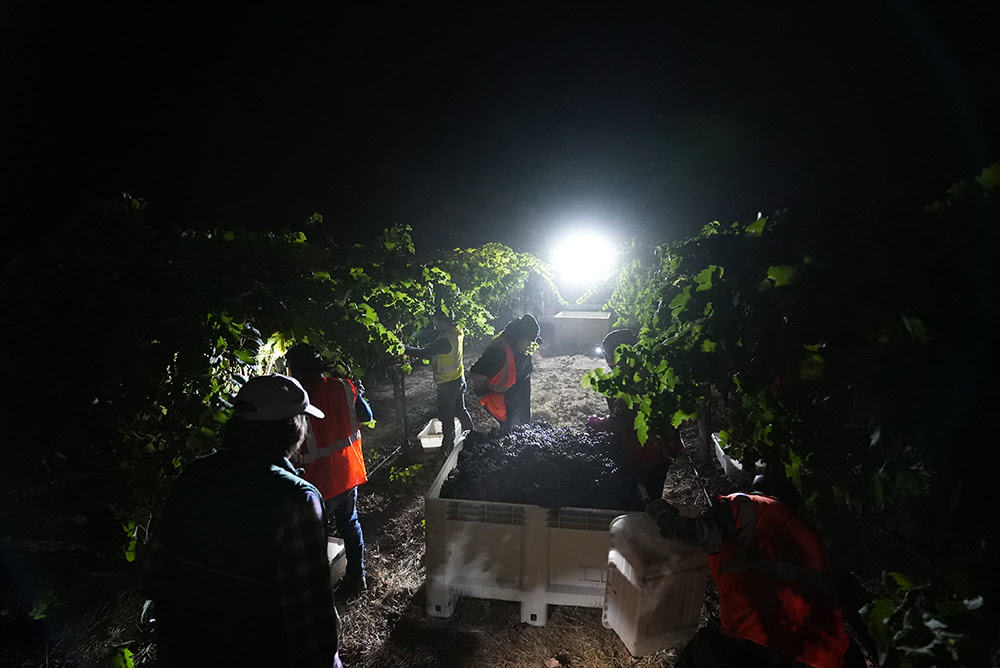
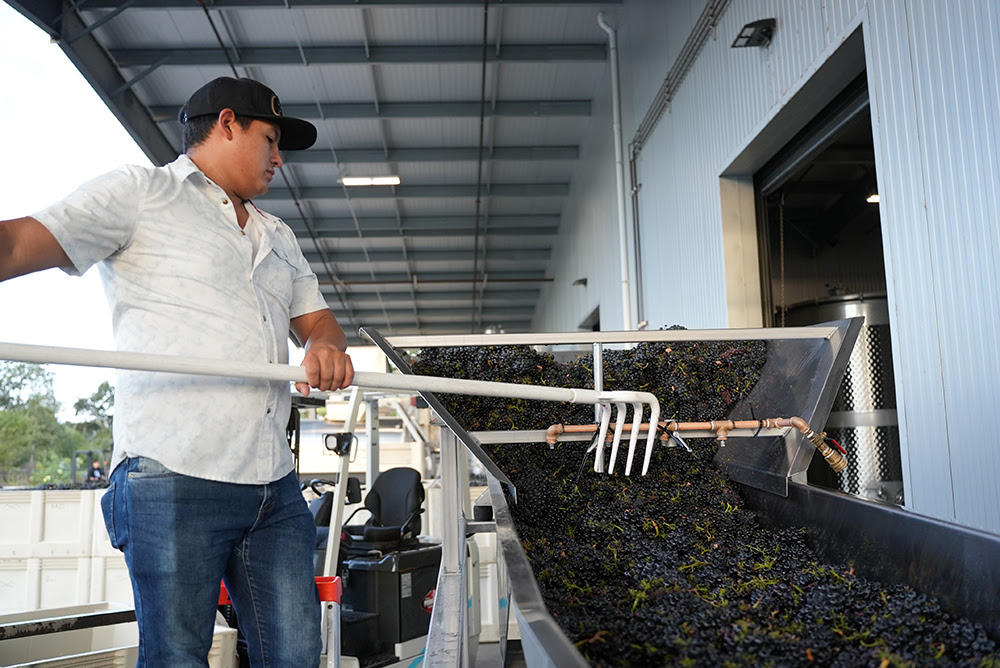
Harvest timing was mixed this year, with some appellations, including Napa Valley, starting up to a month earlier than average and others, such as Paso Robles, experiencing an extended harvest. In the North Coast, growers harvested some red varieties as early as mid-August. The Labor Day heat wave caused multiple varieties to reach maturity simultaneously in some regions, which kept vineyard and cellar crews busy through a compressed harvest. Despite the year’s twists and turns, consumers can expect to enjoy excellent wines from the 2022 vintage.
California produces about 80% of the nation’s wine, making it the world’s fourth-largest wine producing region. More than 80% of California wine is made in a Certified Sustainable California Winery and over half of the state’s roughly 615,000 vineyard acres are certified to one of California’s sustainability programs (Certified California Sustainable Winegrowing, Fish Friendly Farming, LODI RULES, Napa Green and SIP Certified).
Photo credit: Justin Liddell, Destination Films
Winemaker and Winery Owner Comments on California’s Growing Season and Harvest
“The early part of the growing season was near ideal, with abundant early season rains and excellent spring and summer weather,” said Renée Ary, vice president of winemaking at Duckhorn Vineyards in St. Helena, Napa Valley.
The Labor Day heat event brought record-high temperatures to the region, followed by mid-September rains, which challenged winemakers to practice meticulous grape selection.
“I think our 2022 wines will have a bit more concentration than the previous vintage, especially from the warmer, up-valley AVAs,” said Ary. “Our Cabernet Franc and Petit Verdot are some of the best ever and the Chardonnays are bright, balanced and focused. Given the range of ripeness, blending will be important for the 2022 vintage as we balance our early and later picks.”
At Silver Oakand Twomey Cellarsin the Napa Valley, harvest proceeded at a fast and furious pace. Following a mild summer, the heat wave kicked harvest into high gear, contributing to overall yield reductions of 15% to 20%. Harvest continued at a leisurely rate after temperatures cooled.
“I think it’s going be a pretty intense vintage — concentrated and powerful,” said Nate Weis, vice president of winegrowing. “Quality-wise, all of the varieties did great.” He was particularly impressed by Pinot Noir from the Russian River, Anderson Valley and Santa Lucia Highlands, as well as Merlot and Cabernet Franc. “The quality,” he said, “is off the charts.”
Robin Baggett, vintner and managing partner atAlpha Omegain St. Helena andTolosain San Luis Obispo, Central Coast, noted a wide range of harvest starting dates. “At Alpha Omega, harvest was a full four weeks earlier than last year’s in some vineyards,” he said.
Severe heat around Labor Day required vineyard teams to pick rapidly and strategically, he noted. “The fruit from our early picks is dark, complex in aroma and firm in texture, while fruit that remained on the vines during the heat event is riper with softer tannins and great flavor concentration,” said Baggett. “The overall quality in our Cabernet Sauvignon is very high with strong structure and terroir-driven characteristics. Petit Verdot and Malbec also performed extremely well.”
After a dry winter, Tolosa’s harvest saw two distinct phases: before the heat wave and after. Single-vineyard fruit came in at a steady pace until Labor Day, followed by a compressed harvest during the triple-digit heat. Lower yields — down around 30% — affected ripening speed, pushing everything to mature at once.
“Everything brought in before the heat wave is promising,” noted Baggett, “but you need to cherry pick among the lots brought in post-heat wave to isolate the best ones.”
Photo credit: Justin Liddell, Destination Films
Benziger Family Wineryin Glen Ellen, Sonoma County, wrapped up harvest just before mid-October, which marks the winery’s earliest finish since 2004. “This is one for the record books,” said Lisa Amaroli, Benziger’s director of winemaking. “A heat wave followed by rain had a whiplash effect, pushing up sugars and then reversing them after the rain.”
The growing season was consistent and mild, resulting in healthy canopies. Signs pointed to an early harvest until Labor Day, when temperatures reached 110 degrees Fahrenheit at the winery’s Sonoma Coast property. This pushed some blocks into high sugars and quickened the harvest pace. September rain brought a sigh of relief, refreshing the vines and allowing remaining grapes to hang a bit longer.
“All white varieties we have seen from across Sonoma County came in in great shape and are very flavorful with just the right acid balance,” Amaroli said. “It was a good year for some Pinot Noir and Cabernet Sauvignon vineyards — albeit with lower yields — while Malbec and Cabernet Franc came in abundant, balanced and fruity.”
Jackson Family Wines in Santa Rosa, Sonoma County, which has vineyards in several North Coast and Central Coast regions, began harvesting a couple weeks earlier than normal in many areas. Winemaster Randy Ullom summed up the vintage as “very memorable and wild.”
“In certain instances, the heat wave accelerated things and in others it actually slowed them down,” he said, noting that vines shut down during extreme heat in order to protect themselves, thus delaying the ripening process. “It depended on the appellation, the vineyard aspect and the watering capacity.”
Despite heavy rain in September, botrytis was not an issue due to the health of the vines before the rainfall occurred.
Ullom said he is happy with the overall quality of 2022 fruit. “Pinot Noir from the Anderson Valley and Russian River look especially good,” he said, along with Monterey County Chardonnay and Pinot Noir. Sauvignon Blanc produced a larger yield than expected and continued ripening into October in Lake County due to the heavier crop. “That’s another first,” he said. “We’ll remember this for the rest of our lives.”
Vintners in the Lodi and Clarksburg regions encountered challenges this year, including a significant April frost event that dramatically reduced yields.
“We thought it all but wiped out some of our north Delta and Clarksburg Sauvignon Blanc, Chardonnay and Pinot Grigio, but it turned out that we did all right,” said Aaron Lange, vice president of vineyard operations at LangeTwins Family Winery and Vineyardsin Acampo. The winery brought in about 25% of the normal yield for those varieties.
Variable spring weather with unseasonably warm temperatures followed by cool, windy conditions contributed to shot berries and shatter in Zinfandel and other sensitive varieties, yet yield sizes came in around average.
The Labor Day heat wave impacted both scheduling and capacity, while the frost delayed ripening in the whites. “At most major wineries,” Lange said, “there was a major capacity crunch from a cooperage and fermentation tank perspective.”
Healthy vineyards did fairly well during the heat event, he added, and followed a normal development trajectory. White varieties looked good, Lange said, since vineyard crews picked most fruit prior to the heat wave. Larger canopies helped protect the reds from heat and sunburn.
Likewise, Monterey County faced some tough conditions in 2022 due to early-season temperature fluctuations and heat spells during veraison and in early September. Though the heat wave reduced yields, particularly for Chardonnay and Merlot, the September event was well-predicted, allowing winegrowers to take preemptive irrigation measures. Harvest got off to a quick and early start, about 10 days earlier than average, with multiple varieties ripening simultaneously.
“On the bright side,” said Heidi Scheid, executive vice president at Scheid Vineyards in Soledad, “we’ve found that the smaller cluster and reduced berry sizes have resulted in a significant level of complexity and intensity. We are seeing very good quality — and in some cases truly exceptional quality — for the 2022 vintage.”
In Paso Robles in the Central Coast, harvest kicked off early, requiring vintners to utilize their collective knowledge to manage quality, tank space and periodic restarts.
“Despite the challenges,” said Stasi Seay, director of vineyards at Hope Family Winesin Paso Robles, “we remain optimistic and anticipate that vintage 2022 will produce fine wines on par with some of Paso Robles’ most memorable.”
The growing season began smoothly, with minimal frost incidents and temperate weather during bloom and set, Seay said. June crop estimates were slightly below average due to the ongoing drought, and summer was typical with no extreme heat until Labor Day weekend. Extended high temperatures caused vines to shut down, slowing the last of veraison. Unseasonal rains followed, along with warm autumn weather that helped with hang time and fruit maturity.
This was an unusually long harvest in the region, starting in early August and continuing through October’s end. “We are optimistic that this vintage will stand out,” said Seay, “given our hard work both in the field and in the winery.”
Miller Family Wine Company in Santa Maria, Santa Barbara County, began harvesting on Aug. 8, a week earlier than expected. The season began with excellent growing conditions that continued into summer, followed by abnormally hot weather that accelerated ripening. Though yields were below normal, fruit quality remained high.
“The vineyard has responded well despite another dry winter,” said vineyard manager Greg O’Quest. “The minimal amount of rain was not enough to supply the vines with much-needed water, so supplemental irrigation began sooner than expected.”
Following a uniform bud break during the first week of March and a mild frost season, late spring brought unusually windy and cool conditions for fruit set. Summer boasted ideal weather with only a few days breaking the 100-degree mark. Typical high temperatures occurred in July and pest pressure was minimal. “The 2022 vintage was blessed with normal summer temperatures that allowed a full canopy to develop before the heat hit in August,” O’Quest said.
Late-season reds fared best in terms of yields, he added, and Cabernet Sauvignon has been a stand-out variety thanks to its hardiness and ability to deal with high temperatures. Smaller clusters this year resulted in deep, dark color and higher quality.
View the full 2022 California Harvest Report, including regional reports from Amador County, Calaveras County, El Dorado County, Lake County, Livermore Valley, Lodi, Mendocino County, Monterey County, Napa Valley, Paso Robles, San Diego County, Santa Barbara County, Santa Clara Valley, Santa Cruz Mountains and Sonoma County.
Established in 1934, Wine Institute is the public policy advocacy group of 1,000 California wineries and affiliated businesses that initiates and advocates state, federal and international public policy to enhance the environment for the responsible production, consumption and enjoyment of wine. The organization works to enhance the economic and environmental health of the state through its leadership in sustainable winegrowing and by showcasing California’s wine regions as ideal destinations for food and wine travelers to the state. To learn more about California wines, visit DiscoverCaliforniaWines.
This homemade hot chocolate with red wine is a cocktail that doubles as dessert!
2 cups dark or semi-sweet chocolate chips
½ cup brown sugar packed
¼ cup cocoa powder
½ tsp cinnamon
⅛ teaspoon salt
5 cups whole milk or almond or coconut
1 750- ml bottle fruit-forward California red wine such as Merlot or Zinfandel
Marshmallows or whipped cream for serving
Slow Cooker Method:
Whisk the chocolate chips, brown sugar, cocoa, cinnamon, salt and milk together in a slow cooker set on high. Cover and allow to come to temperature (10-15 minutes), then whisk again and add wine. Cook on high for one hour, stopping to whisk every 20 minutes.
Ladle hot chocolate into mugs and top with whipped cream or marshmallows and enjoy.
Stovetop Method:
Whisk the chocolate chips, brown sugar, cocoa, cinnamon and salt together in a large saucepan or stockpot. Add milk and bring to a low simmer over medium-low heat, whisking often. Once hot chocolate is blended and smooth (about 8-10 minutes), reduce to low heat and add wine. Cook for 5 minutes more. Ladle hot chocolate into mugs and top with whipped cream or marshmallows and enjoy.
Sheet-Pan Chicken with Chickpeas, Carrots and Lemon
Spice rub:
1 teaspoon sea salt
1 teaspoon sweet paprika
1 teaspoon ground cumin
4 bone-in chicken thighs, about 2 pounds (900 g)
1 can (15 oz/425 g) chickpeas, drained and rinsed
½ pound (225 g) carrots, thinly sliced on the diagonal
½ red onion, thinly sliced from stem to root
1 small lemon, halved lengthwise (quartered lengthwise if large), then sliced
4 cloves garlic, thinly sliced
½ teaspoon ground cumin
1 teaspoon sea salt
Extra virgin olive oil
1/3 cup (10 g) coarsely chopped cilantro, plus a few whole leaves for garnish
Serves 4
In a small bowl, combine the spice rub ingredients. Sprinkle all over the chicken and set aside.
Preheat the oven to 425°F (220°C). Line a 9 x 12-inch (23 x 30 cm) rimmed baking sheet with parchment paper.
In a bowl, combine the chickpeas, carrots, red onion, lemon, garlic, cumin, salt and 1 tablespoon olive oil. Toss to mix, then arrange in the baking sheet in an even layer. Arrange the chicken thighs on top, not touching, and drizzle 1 teaspoon olive oil on top of each one.
Bake on a center rack for 40 minutes. With tongs, set the chicken aside on a plate. Add the chopped cilantro to the vegetables and stir to mix and moisten everything with the chicken juices. Remake the bed of vegetables and replace the chicken on top. Bake for 5 minutes longer. Remove from the oven and let rest 5 minutes to allow the chicken juices to settle. Tilt the sheet pan and spoon some of the juices over the chicken.
Transfer to a serving platter or to individual dinner plates and garnish with cilantro leaves.