Cade Carmichael doesn’t want us to drink what he calls “supermarket wines” but he also isn’t advocating we take out a loan for an expensive bottle of wine. That’s why when he opened Lighthouse Wine Shop last year in St. Joseph, Michigan he decided to feature value wines.
“I didn’t want to start off with big wine names,” he says. “Good wine doesn’t have to be expensive. Value wines are those that taste like they should cost more than they do.”
It’s all about knowing where to look and for those of us who don’t want to begin the laborious process of understanding the intricacies of every wine region and producer, Carmichael is willing to do the hard work for us. His fascination with wines came not from living in Southwest Michigan where we have a wonderful abundance of wineries but when he moved with his wife to Frankfurt, Germany where they lived for five years before returning to this area. From Frankfurt, it was easy to explore the wine regions of such countries as France and Italy as well as Germany.
In the wine appellation of Côte de Nuit Villages in Burgundy, a historic region of France that produces some of the most expensive wines in the world. Appellation or appellation d’origine contrôlée or AOC which stands for “controlled designation of origin” is certification granted by the government that refers to the area’s agriculture products—a list that includes not only wines, but other categories such as cheeses and butters.
But the thing is, Carmichael tells me, is there are some value wines from the Côte de Nuit Villages that are very affordable if you know where to look. He shows me bottles from Domaine Faively, a winery founded in 1825 in the Nuits-St. Georges.
“Right next to Nuits-St. Georges is a small village called Vosne-Romanee,” says Carmichael. Another historic village like Nuits-St. Georges, Vosne-Romanee is known as having some of the most expensive burgundies in the world.
“Vosne-Romanee literally shares a border with Nuits- St. Georges, so they have the same soil and growing conditions- the vineyards facing east get the morning sun and shade in the evening,” says Carmichael. “But there’s a huge difference.”
That means instead of spending a small fortune for a bottle from Vosne-Romanee, you can enjoy the wines of the Côte de Nuit Villages by choosing those produced by wineries in Nuits-St. Georges.
In an interesting aside, Carmichael tells me that China is now producing Bordeaux style wines, using five Noble varietals— Cabernet Sauvignon, Merlot, Cabernet Franc, Malbec, and Petit Verdot—which comprise the best for making that type of wine. How is it working out? Well, the 2013 vintage from Ao Yun—the name means flying above the clouds as the winery is 8,500 feet above sea level, in the foothills of the Himalayas that has similar growing conditions to the Bordeaux region of France—was awarded a score of 93 by Wine Advocate and sells for around $300. But that’s an aside.
When sourcing his wines Carmichael looks, of course, for value but also the unique such as those made from indigenous or natural yeast rather than cultivated yeast. Sometimes, through diligent searching he’s able to score big.
“I bought the last three cases of Terreno Vitigno,” he says about a wine from Monleale, a sub region of Piedmont in the Tortonese hills of Italy. “It’s all that’s available.”
He also has (or maybe had as Lighthouse’s specials sell out very quickly) Piccolo Derthona made from Timorasso, a varietal grape that’s nearly extinct.
“I try to find things—they’re not weird—but unique,” he says.
The Lighthouse Wine Shop is in the small mall on the corner of Glenlord Road and Red Arrow Highway and right across the street from Coach’s Bar & Grill in Stevensville. In keeping with Carmichael’s vow not to be a cookie cutter type place, he and his father-in-law built display boxes, used wine barrels as tables for showcasing wines. His wines are divided by country and there’s a good representation of Italy, Spain, France, South America, and California to name a few.
He also sells wine accoutrements like corkscrews, gift baskets and boxes. A major focal point on the store is the large white board or what Carmichael calls “a lyric board” that changes. He uses vinyl records for the music that plays in the background. The groups performing are modern and include Phoebe Bridgers & Waxahatchee as well as classics such as Johnny Cash, the Beatles and Chicago. Speaking of the latter, Carmichael says that his Chicago patrons seem to prefer French wines while those from this area choose Italian. He thinks that might a reflection of Whirlpool Corp. having manufacturing plants in Cassinetta, Naples, and Trento in Italy. Coincidentally as he’s saying this, Doug Washington walks in to buy a bottle of Italian red wine. A Whirlpool employee he says he worked for the company in Italy.
When I started working on this column, I received an email from Janet Fletcher, who lives in Napa Valley, California where she develops and tests recipes for cookbooks and magazine features, evaluate cheeses for her classes and columns, does extensive gardening, and prepares dinner nightly with her winemaker husband. I’ve talked to her frequently in the past and wrote about several of her cookbooks including Wine Country Table and Cheese and Beer. I also follow her blog Planet Cheese.
Fletcher, who has won three James Beard Awards and the International Association of Culinary Professionals Bert Greene Award, has a new cookbook out called Gather: Casual Cooking from Wine Country Gardensand I asked her if she would share recipes. She agreed, including recipes easily made at home and the California wines she suggests using when serving them.
The following are recipes she shared along with anecdotes about their origins and Fletcher’s wine recommendations. These wines are necessarily easily available but when a Merlot is called for you can substitute a local Merlot or one from another area though keep in mind that Fletcher paired her food and wines very carefully.
Maggie’s Ranch Chicken
Serves 4
Ranch chicken has nothing to do with ranch dressing, says Katie Wetzel Murphy of Alexander Valley Vineyards. “It’s what we called this dish as kids,” she recalls. “It seems that my mother, Maggie, only made it when we came to ‘The Ranch,’ which is what we called the vineyards before we had a winery.” Baked with honey, mustard, and tarragon, the quartered chicken emerges with a crisp brown skin, and the sweet aroma draws everyone to the kitchen. “Kids like it and adults like it,” says Katie, “and most of the food we make has to be that way.”
1 whole chicken, 4 to 4 1/2 pounds, backbone removed, then quartered
Sea salt and freshly ground black pepper
1/3 cup honey
4 tablespoons salted butter
1 tablespoon Dijon mustard
4 fresh tarragon sprigs, each 6 inches long
Wine: Alexander Valley Vineyards Merlot
Preheat the oven to 350°F. Season the chicken quarters all over with salt and pepper. Put the quarters into a 9-by-13-inch baking dish.
In a small saucepan, combine the honey, butter, and mustard over low heat and stir until the butter melts. Pour the honey mixture evenly over the chicken. Place a tarragon sprig on each quarter.
Roast the chicken for 30 minutes, then remove the dish from the oven, spoon the dish juices over the chicken, and return the dish to the oven for 30 minutes more. The chicken will be fully cooked, with beautifully browned skin. Let rest for at least 15 minutes before serving to allow the juices to settle.
Antipasto Platter with Southern-Style Pickled Okra
When creating the antipasto platter use the pickled vegetables along with alongside figs, salami, other charcuterie meats, and marinated veggies like artichokes.
Suggested Wine: Regusci Winery Rosé
Have ready six sterilized pint canning jars and two-part lids. Trim the okra stems if needed to fit the whole pods upright in the jars. Otherwise, leave the stems intact.
In a saucepan, combine the vinegar, water, salt, and sugar and bring to a simmer over medium-high heat, stirring to dissolve the sugar. Keep hot.
Into each of the six jars, put the mustard seeds, dill seeds, peppercorns, cumin seeds, garlic, oregano, bay leaf, coriander, and chile flakes. Fill the jars with the okra, packing it in upright—alternating the stems up and down if needed—as tightly as possible. Fill the jars with the hot liquid, leaving 1/4-inch headspace, and top each jar with a flat lid and screw band. Process the jars in a boiling water bath for 15 minutes, then cool on racks without disturbing.
Refrigerate any jars that failed to seal and use within 2 weeks. Store sealed jars in a cool, dark place for up to 1 year. Wait for at least 1 week before opening a jar to allow the flavor to mellow.
Samovar Tea business partners and brothers Jesse Jacobs and Joshua Jacobs have officially launched Joyride Pizza now open at two prime San Francisco locations–Yerba Buena Gardens (730 Howard Street) and Joyride Valencia at 411 Valencia Street. The locations of Joyride Pizza, a new classic Detroit-style pizza, transforms architecturally stunning spaces into a mecca for Detroit pizza. Yerba Buena, with its floor-to-ceiling windows captures the San Francisco cityscape and offers gorgeous outdoor dining capable to seating 49 seats along with complete access to the gardens for those ordering to-go. The Valencia Street spot celebrates the poured concrete and limestone aesthetic on this popular urban thoroughfare.
The brothers bring the same commitment to creating a fantastic culinary experience as they did with Samovar Tea. When it comes to Detroit pizza, visitors at Joyride can enjoy such creations as frico–pizza with a crispy caramelized cheese topping a 48-hour fermented focaccia with Sonoma County sourced organic ingredients.
Joyride Pizza celebrates the nostalgic pull of pizza, one of America’s favorite food. The concept started during last year’s COVID-19 shelter-in-place when co-founder Jesse Jacobs started tinkering in his home kitchen by using sourdough starters for baking bread with his wife and making pizzas in their Detroit style 8×10 cooking sheet for family dinners. It connected Jacobs with memories of the first time he ate pizza in 7th grade. It was from Pino’s Pizza in Brighton, Massachusetts and the taste was vastly different than the foods of his boyhood home where foods were strictly macrobiotic and organic. Pizza, as far as his family was concerned, was the antithesis of brown rice, lentils, and seaweed.
But that didn’t prevent his first taste of pizza and its intoxicating aroma to be an ecstatic though guilty pleasure. Jesse sums up this life changing experience in one word: Joy.
“Samovar Tea was on the cusp of expansion prior to the pandemic,” says Jesse. “I spent 20 years developing Samovar into an iconic brand. Similar to other restaurateurs across the country, COVID-19 dissolved the brick-and-mortar businesses to the point of no return. We needed to creatively adapt to the moment. Homemade pizza has brought so much joy to my family over the past year that my brother and I ultimately decided to go all-in and develop the best Detroit pizza we could imagine. We’re making nutrient-rich pizzas from local farm ingredients. We couldn’t be prouder of the menu, and can’t wait for people to try it out.”
The Jacobs brothers always had a love for Italian cuisine. It was, after all, a happy alternative to macrobiotics. On the non-macrobiotic side of their family, they enjoyed homemade fresh pastas, pizzas, sauces, and meats.
Later Joshua worked as a waiter at an Italian restaurant in high school, while Jesse worked as a pasta cook, waiter, and busser at various Italian restaurants in Boston’s North End and throughout New England.
Their ambitions ultimately took Jesse to Japan and then San Francisco and Joshua into the East Coast tech scene. The pandemic caused them to reflect, asking: “How can we bring the values and principles of Samovar Tea into the comfort food space that brings people instant joy?”
The answer was Joyride Pizza.
The Jacobs brothers developed a new digital retail store for Samovar Tea in an effort for beverage aficionados to continue to purchase their premium organic teas globally (LINK). To realize their epic pizza dream, they brought in acclaimed pizzaiolo Alastair Hannmann as Culinary Advisor & Regional Operations Manager of Joyride Pizza. A close friend and former employee of 13-time World Pizza Champion, Tony Gemignani, Hannmann was the master pizza maker who helped bring the vision and operations to life. Hannmann has a world-class track record that includes running an award-winning pizza chain in Hawaii, managing production at Zume, Inc., and winning accolades from the Guinness World Records for “World’s Longest Pizza” that was 1.5 miles long.
Joyride Pizza — Sonoma County PurveyorsBased in Sonoma County, Jesse Jacobs sought out small-batch, organic purveyors in Sonoma County for as many ingredients as possible for the Joyride Pizza menu. Petaluma’s hand-selected grains from Central Millingbecame a staple of the focaccia dough allowing for a sophisticated level of craftsmanship to carry on the Bay Area tradition of artisanal bread baking. Grown in California’s Central Valley, the newly planted organic wheat strain Yecora Rojo is custom blended for Joyride Pizza and the perfect varietal for a two-day fermentation. Higher proteins in the wheat offer greater strength in the dough for longer fermentation and bubbly, delicate, and delicious dough with naturally sweet and malty notes.
Artisan cured meats are from Zoe’s Meats in Petaluma including nitrate-free pepperoni, chicken, charcuterie, and wild oregano. Sonoma County Meat Companysupplies all-beef meatballs, Italian sausage, and Applewood smoked bacon. Gourmet Mushroom Companysustainably grows Mycopia mushrooms in Sebastopol and Joyride Pizza utilizes the seasonal Chef’s Blend. Double 8 Dairy hand delivers ricotta cheese to Joyride Pizza, and Sonoma Vinegar and Sonoma Salt Companyalso provide essential products. In Lodi, Joyride Pizza sources Corto Olive Oil for the focaccia dough, sauces, and finishing oil. Tomatoes are from Stanislaus Tomato Company in Modesto, Calif. Authentic to Detroit pizza is Brick Cheese, which is brought in along with mozzarella cheese from Buholzer Brothers in Wisconsin.
Joyride Pizza – Yerba Buena Gardens sits atop one of San Francisco’s glorious outdoor green spaces. Joyride Pizza offers indoor dining as well as 49 seats of awe-inspiring views outside on its promenade. To-go orders can be enjoyed in the gardens below. Joyride Pizza – Yerba Buena Gardens serves six Classic Detroit Pizzas including The Cheese, Zoe ‘Roni Pepperoni, Meatzza, Pestoriffic, Sweet Heat Pineapple, and Eat Your Veggies (as well as Build Your Own). The menu features handcrafted Housemade Fresh Pastas (Red Sauce, Fusilli Pesto, Chiocciole Bolognese, Bucatini Carbonara, Kid’s Pasta); Salads (Spare Parts Chop, A Date With A Nut, Caesar with Anchovy Chimichurri, Mixed Baby Greens); Hand-Carved Charcuterie with a selection of locally cured meats, cheeses, and olives; and Desserts (Four Barrel Coffee Affogato, Gelato – 5 Different Flavors, Cannoli with rainbow sprinkles, pistachios, or chocolate chips, Vanilla Cheesecake, and a Root Beer Float).
Doug Dalton and Brian Sheehy (Co-Owners, Future Bars Group) supported the craft cocktail menu design along with Fred Acebo and Dan Sheel at Joyride Pizza – Yerba Buena Gardens featuring classics such as the Old Fashioned Joyride, Negroni, Bijou, Pineapple Smash, Pizza-Bloody Mary, and Bellini ($12/cocktail or $60/carafe). A selection of whiskey and amaro is available (2 oz. pours). Small-production California coast wines are on the menu from wineries such as Una Lou (Sonoma, CA), Pence Vineyards (Santa Rita, CA), Carignan (Mendocino, CA), Gail Wine (Sonoma, CA). Craft beers are from Fort Point and Temescal Brewing; other drinks include Golden State Cider and JuneShine Hard Kombucha. Non-alcoholic drinks include Samovar Organic Tea (Black, Green, Herbal), Four Barrel French Press Coffee, and a variety of sodas.
The Joyride Pizza – Valencia menu includes six Classic Detroit Pizzas (The Cheese, Zoe ‘Roni Pepperoni, Meatzza, Pestoriffic, Sweet Heat Pineapple, Eat Your Veggies as well as a Build Your Own); Salads (Spare Parts Chop, Caesar with Anchovy Chimichurri); Sweets (Cheesecake); Sides (Mike’s Hot Honey Packet, Marinara Sauce, Homemade Ranch), and Sodas.
No matter if I’m eating by myself or cooking for friends and family, I want to enjoy a good meal. And when time is short or I don’t want to fuss, The “I Love My Instant Pot Cooking for One” Recipe Bookauthorized by Instant Pot is a great book to turn to. Written by Lisa Childs, author of the blog TriedTestedandTrue.com, there are 175 recipes and lots of great color photos. Childs, who has been developing recipes for Instant Pot since 2016, provides accurate details so that even if you’re not familiar with using an Instant Pot, she makes how to do so easily understandable.
Childs’ Instant Pot recipes, designed for one person, are perfect when cooking just for yourself but can easily be shared by two with the addition of a side dish—say corn on the cob or freshly sliced tomatoes.
The following recipes are from The “I Love My Instant Pot Cooking for One.”
Easy Teriyaki Chicken Thighs and Rice
Tender chicken thighs and white rice cook together in the Instant Pot® with premade teriyaki sauce for the simplest, easiest one-pot meal. With only a few ingredients, anyone can make a delicious and quick meal at home.
• Hands-On Time: 5 minutes
• Cook Time: 20 minutes
Serves 1
2 (8-ounce) boneless, skinless chicken thighs
1⁄2 cup teriyaki sauce
1⁄2 cup uncooked long-grain white rice
1⁄2 cup water
1⁄2 tablespoon sesame seeds
1⁄2 tablespoon chopped green onion
To the Instant Pot®, add chicken and pour teriyaki sauce over the top. Place the trivet on top of chicken.
In a 6″ cake pan, combine rice and water. Place uncovered pan on trivet.
Close the lid; turn the knob to Sealing.
Press Manual or Pressure Cook button and adjust time to 10 minutes.
When the timer beeps, allow 5 minutes to naturally release the pressure, then remove the lid. Press Sauté button and adjust to High.
Carefully remove pan from the Instant Pot® and fluff rice with a fork. Place chicken (leave teriyaki sauce in Instant Pot) on top of rice and set aside. Cover to keep warm.
Cook down remaining teriyaki sauce about 5 minutes until reduced and thickened. Pour over chicken and rice, then top with sesame seeds and green onion. Serve.
Place chicken on the trivet, then season with salt, black pepper, and Italian seasoning.
Close the lid; turn the knob to Sealing.
Press Manual or Pressure Cook button and adjust time to 15 minutes.
While the chicken is cooking, prepare Bruschetta. In a small bowl, mix together all Bruschetta ingredients. Let chill in refrigerator until ready to serve.
When the timer beeps, allow 5 minutes to naturally release the pressure, then remove the lid. Place mozzarella slices on top of chicken and replace the lid. Let sit 5 minutes with lid on to allow the cheese to melt slightly.
Remove to a serving plate and top with Bruschetta. Serve immediately.
Curated by Blue Diamond Resorts, sixteen renowned chefs, such as Aarón Sánchez and Ray “Dr. BBQ” Lampe, will lead the week-long culinary festival showcasing mouthwatering cuisine and mixology demonstrations.
All week long there will be interactive experiences and entertainment including cooking exhibitions from Chef Cesar Castañeda and Chef Jorge Valencia, a beach barbecue with Freddy Chi, a signature barbecue pairing hosted by Chefs Ted Reader and Ray Lampe, Chocolate and Mezcal pairings with Chef Benjamin Nava, the first ever Mexican Caribbean Tiki Mixology Competition, and much more.
Food + Drink Experience Schedule Highlights
Sunday, September 19
Inaugural party
First round of the Mixology Competition
Monday, September 20
Culinary Demonstration of Racado Negro with Chef Roalia
Signature Paring Dinner with Chefs Cesar Castaneda and Dean Max
Tuesday, September 21
Culinary Demonstration of Cauliflower with Chef Cesar Castaneda
Baja California Wood Fire BBQ with Chef Alfredo Romero
Foam Party
Tequila Tasting
Mixology Session with David Araya
Culinary Demonstration of duck tamales and roasted peach coulis with Chef Jorge Valencia
Signature Paring Dinner with Chefs Rick Moonen and Bernard Guillas
Wednesday, September 22
Culinary Demonstration of Octopus with Longaniza Powder with Chef Federico Lopez
Beach BBQ Taco Party with Chef Tim Grandinetti
Chocolate and Mezcal Paring with Mezcalero Benamin Nava
Mixology Session with Eliu Salazar
Culinary Demonstration of Fish Tea with Chef Dean Max
Signature Pairing Dinner with Chefs Reyna Garcia and Cindy Hutson
Thursday, September 23
Culinary Demonstration of plant-based meatballs with Chef Zaraida Fernandez
Riviera Mayan BBQ with Chef Freddy Chi
Wine tasting and seminar
Culinary Demonstration of lobster tacos with Chef Aaron Sanchez
Signature BBQ Paring Dinner with Chefs Ted Reader and Ray Lampe
Heineken and XX after party
Friday, September 24
Culinary Demonstration of Tikin Xic with Chef Reyna Garcia
Classic American BBQ with Celebrity Pit Master Dr. BBQ
Tequila tasting
Chillout Jazz Lounge
Mixology session with Federico Moreno
Culinary Demonstration of lobster gazpacho with Chef Rick Moonen
Signature pairing dinner with Chefs Federico Lopez and Tim Grandinetti
Saturday, September
South American BBQ with Chef Carlo Magno
Foam Party
Wine tasting and seminar
Mixology Session with Alejandro Perez
Culinary Demonstration with Chef Cindy Hutson
Signature paring dinner with Chefs Aaron Sanchez and Jorge Valencia
Sunday, September 26
Farewell Brunch
With Safety Always in Mind
As the second largest travel market in the Mexican Caribbean, Cancun is the most recognized Mexican tourist destination in the world and currently the most connected. Its picturesque surroundings, authentic Mexican culture, and approach to safe travel is the reason why Cancun was selected as the inaugural destination for a festival of this size. Since reopening to international guests June of 2020, proper health and safety protocols continue to be in place to ensure a safe travel experience. That includes COVID-19 and antigen testing for guests returning to North American locales, advanced procedures at the resort level, and more.
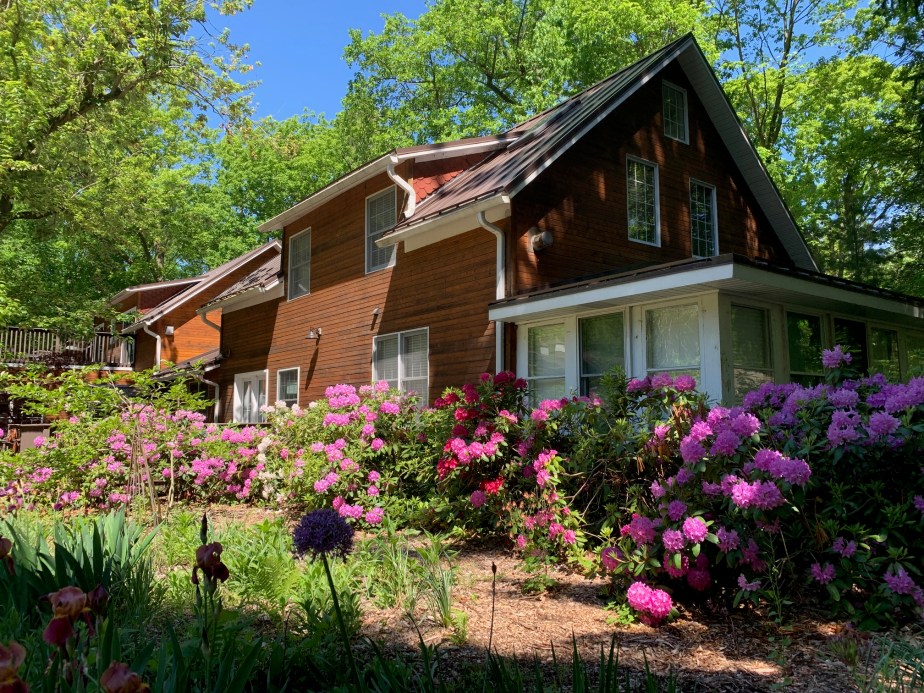
Nestled on a peninsular formed where the curve of the Galien River is intersected by a small unnamed creek, Goldberry Woods Bed & Breakfast is definitely off the beaten path even for those who know their way around the backroads of Southwest Michigan.
“Yet we’re close to Lake Michigan and Red Arrow Highway,” says Julie Haberichter who with her husband Eric own and operate the inn.
You wouldn’t guess that by looking around at the surrounding woods and lack of traffic sounds. And, of course, that’s part of the charm. Here on 30 acres of woods, old and new orchards, grapevines, and gardens, the Haberichters have re-imagined an old time resort albeit one with all the modern twists—swimming pool, farm-to-table cuisine, kayaks ready to go on the banks of the Galien, walking trails, and cottages and their Innkeeper’s Inn with suites for large groups or individual stays.
Goldberry Woods is the story of how a couple painstakingly restored a resort that had fallen into disrepair, creating a major destination for those who want to get away from it all.
But this is also a story about how two engineering majors from the Chicagoland area met in college, discovered they lived just towns apart, married, honeymooned at a B&B that was a working flower farm in Hawaii and decided that quirky inns were the type of places they wanted to stay.
That is, until, while vacationing in Harbor Country in 2011 they happened upon what had been the River’s Edge B&B in Union Pier and decided that unique places were instead where they wanted to live. By 2012, Julie and Eric had bought the property, restored it and had opened Goldberry Woods B&B.
A little more explaining is needed here. If you’re like me and are thinking goldberries are some rare, antique type fruit like say lingonberries, marionberries, or gooseberries, you’d be very wrong. It turns out that Goldberry, also known as the River Woman’s Daughter, was a minor character in Christopher Tolkien’s The Lord of the Rings, though she never made it into the movie series. An ethereal blonde with a penchant for green velvet gowns, she was from the Withywindle River in the Old Forest and certainly seems as though she’d be at home here surrounded by ripening fruit and veggies.
It’s obvious that the Haberichters are more familiar with The Lord of the Rings than I am but then Julie also knows someone who learned to speak Elvish, the language of the elves. If that sounds unique, consider this. According to some sources, there are more people now who speak Elvish as it is spoken in The Lord of the Rings movies than Irish.
Whether that’s true or not, I’m not sure but the name Goldberry does speak to the charm of this place where the Haberichters forage and grow old fashioned foods, plant organic, practice sustainability, and harvest the eggs from the heirloom chickens, ducks, and quail that at times run free range in Goldberry’s gardens.
Julie brims with excitement as she takes me on a tour, pointing out the novelty and heritage produce she grows. There are pumpkin eggplants also known as pumpkin-on-a-stick which indeed look like miniature pumpkins, ground cherries which she uses in her Jasmine and lemon tea, Malabar spinach with its rich glossy oversized leaves, and cucumelons (tiny little veggies that can be eaten straight from the vine) among many others.
Because what’s in season changes quickly as does the weather, there’s always something different or a variation of a favorite at Goldberry Woods.
“The oatmeal we serve at Goldberry Woods is constantly changing from season to season, served hot or chilled based on the outdoor weather and the availability of seasonal fruit,” says Julie, who shared the summer version of her Chilled Coconut Steel Cut Oatmeal (see below).
There’s also some serious forging going on.
“We started looking for as many fun and unusual ways to use the wild plants growing throughout our flower beds and woods as possible,” says Julie. “ We have experimented with dandelions, violets, spruce tips, and sassafras to name a few.”
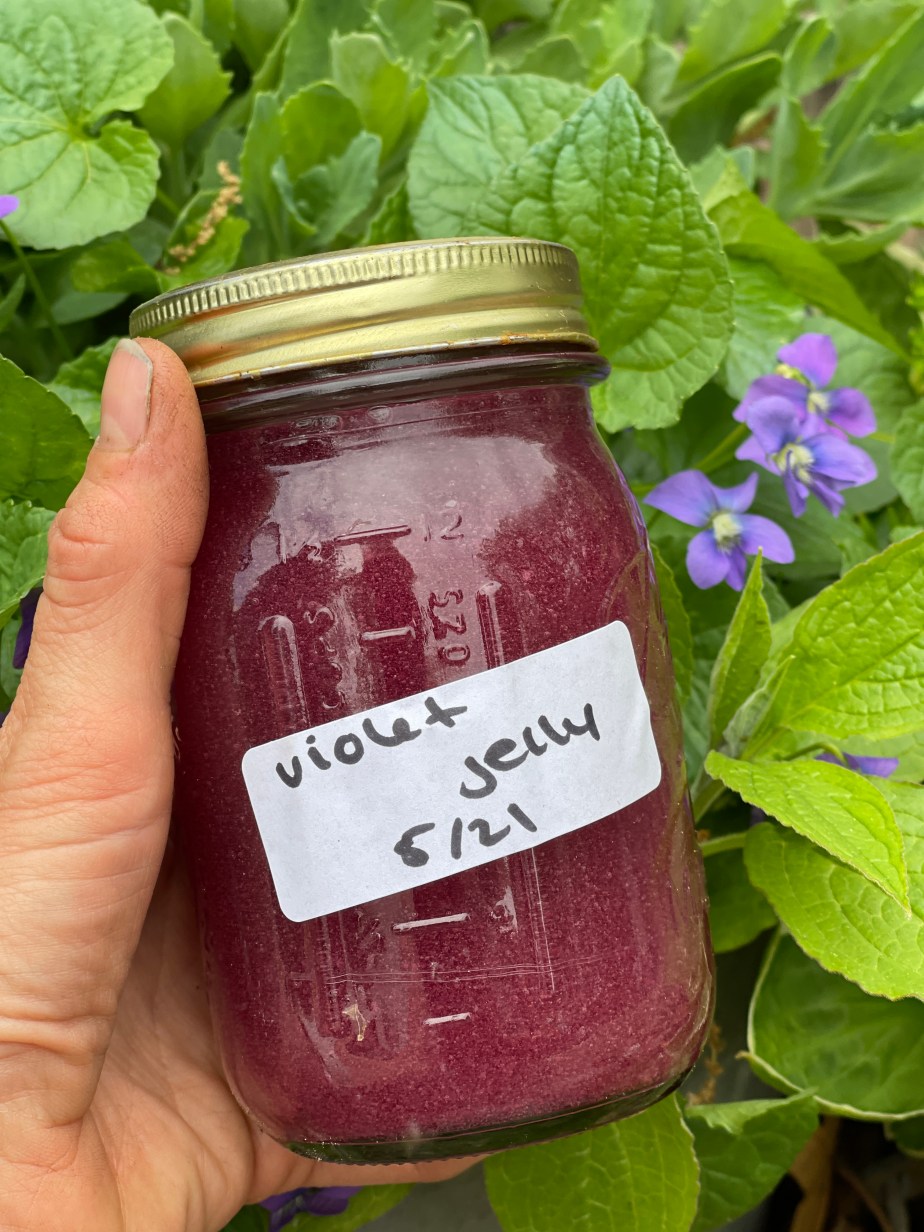
While she’s talking, Julie brings out glass jars of jam. I try the spruce tips—made from the new tips of the spruce tree at the beginning of spring. Scooping up a small teaspoon to try, I note a definite evergreen taste, refreshing and somewhat woodsy with just a touch of sweetness. It would work on buttered biscuits, toast or even as sauce for lamb and pork. The violet jam is a deep purple and there’s an assortment of pepper jams such as habanero gold pepper jelly with chopped sweet apricots. Unfortunately, Julie didn’t any have jars of the dandelion jam or the pear lime ginger jelly she makes—it goes fast. But she had a large bushel basket full of colorful peppers which would soon become a sweet and spicy jam.
August, she told me as we walked into the old growth orchard, was begging her to make a yellow floral jelly from goldenrod flowers. So that was the next chore of many on her list.
Having learned to determine the edibility of certain mushrooms she forages the safe ones from where they grow in the woods, frying up such fungi as puff balls which she describe as having a custard-like interior. In the spring, there are fiddlehead greens easily available, but Julie has to trade for ramps which though they seem to grow wild every place where there are woods, don’t appear anywhere within Goldberry’s 30 acres.
Now focused fully on running Goldberry Woods and raising their three daughters, Julie previously worked as a chemical engineer in a food processing plant that used a million gallons of corn syrup per day. Now she teaches classes in how to harvest honey–there are, naturally, bee hives on the property. If all this sounds like a real divergence from a career in corn syrup and a degree in chemical engineering, Julie started an environmental club in high school and gardened in college.
Unfortunately, you can’t eat at Goldberry Woods unless you’re an overnight guest. But you can stop and visit as the couple has set up their Goldberry Market in a 1970s trailer. It’s very cute plus they have an outdoors stand on the property. They also take their produce to the New Buffalo Farmer’s Market which is held on Thursday evenings. As for what to do with the unique produce they sell, there are recipes on their website and Julie will always take the time to give ideas. It’s her passion to share the best of what Southwest Michigan produces.
¼ cup of seeds such as quinoa, chia, flax or amaranth
¼-1/2 cup sugar
1 teaspoon cinnamon
½ teaspoon cardamom
Drizzle of honey
Fresh sliced peaches
Bring coconut milk, 2 cups of water, salt, and the steel cut oats to full boil in an 8-cup microwaveable bowl, approximately 6 minutes. Do not let the oats boil over as this makes a sticky mess.
Remove bowl to the counter and stir. Allow the concoction to cool down a bit, stirring occasionally, maybe 30 minutes (this is to keep from heating up your fridge!) Cover and refrigerate overnight.
In the morning, add the old fashioned oats, seeds, sugar and spices.
You may need to add more liquid at this time to reach your desired consistency. We find this recipe to be refreshing and like the oatmeal to be a bit thin. Adjust sweetness to your taste.
If it’s chilly out, reheat in the microwave.
Here’s the fun part. Stir in whatever looks good to your taste. Here are some ideas:
Use coconut milk and stir in vanilla, shredded coconut, bananas, honey, dried apricots, almonds….
Use apple cider and stir in applesauce, sautéed apples, raisins, nuts, maple syrup, walnuts
Goldberry Woods Egg Rollup
Makes about 8 servings
Egg Mixture
4 ounces cream cheese, softened
¾ cup milk
2 tablespoons corn starch
¼ teaspoon salt
12 eggs
Salt and pepper
Filling
12 ounces precooked meat and veggies of your choosing (Malabar Spinach, sausage, ham, bacon, asparagus, peppers, greens, mushrooms…..)
2 cups shredded cheese (we usually use a good sharp cheddar and a shredded Monterey Jack that melts well—feta is great, too)
Preheat oven to 375 degrees
Combine all the Egg Mixture Ingredients in a blender and blend until smooth.
Spread parchment over a 11×17 jelly roll, tucking into the corners. Pour the egg mixture onto the parchment paper.
Bake the eggs for 15-20 minutes. Wait until the top sets completely.
Remove the egg roll pan and spread the filling over the eggs evenly.
Use a towel and the parchment paper to tightly roll up the eggs. Leave the seam side down and cover the whole rollup with the parchment paper so that it doesn’t dry out.
Return to the oven for 10 more minutes to allow the cheese to melt and the filling to heat up.
Make a goldenrod tea. Put the flowers in a stainless steel pot and add just enough cool water to cover. Bring to a gentle simmer for 3 minutes. Turn off the heat and allow the flowers to steep for at least an hour or overnight in the refrigerator. Strain the flowers through a fine metal sieve. Gently squeeze excess liquid from the flowers. Measure 5 cups of liquid. Add water if necessary.
Place goldenrod tea back into pot and add lemon juice. Add the pectin, stir, and bring to a boil until pectin is fully dissolved.
Add sugar and bring to a full boil for one minute. Remove from heat and pour into sterile canning jars. Keep jelly in the fridge for up to one month.
What to do in Union Pier
While visiting Goldberry Woods, take time to stop at St. Julian Winery’s tasting location in Union Pier. St. Julian is the oldest winery in the state. There’s also the Round Barn Tasting Room next door.
Stop at Union Pier Market for a great selection of gourmet goods, beer, and wine. Next door, also on Townline Road, is the Black Currant Bakehouse for made from scratch pastries as well as sandwiches and such distinctive beverages as their Rose Quartz Latte, Chaga Chai, and Honey Lavender Latte. Milda’s Corner Market next to Union Pier Market features foods from over 40 countries and freshly made Lithuanian fare including “Sūreliai” Mini Cheesecake bars, Koluduna (dumplings), and Kugelis.
If you believe that every meal when you travel should be sublime then you’re in luck because BSpoke Travel has curated a marvelous list of Italian—and one Moroccan—hotels and restaurants that’s perfect for traveling gourmets.
At Borgo Santo Pietro a team of farmers, culinary gardeners, and talented chefs work together to create an ultimate Michelin-starred dining experience. Meo Modo offers a well-balanced gourmet tasting menu with a right proportion of vegetables, protein, and carbons. Borgo estate’s productions include over 300 types of vegetables, fruits, herbs, cheese, and meat.
If you are fancy for more traditional Italian food Trattoria sull’Albero offers a menu with a wide selection of pasta dishes, main courses, and antipasti made only from the fresh estate’s products or bought from local producers.
This new boutique hotel situated in the UNESCO world heritage site of Montferrat, deep in Italy’s Piedmont wine country, has two restaurants curated by a head chef and mentor Andrea Ribaldone and a resident chef Charles Pearce. Two restaurants L’Orto and The Bistrot combine the authenticity of Piedmontese cuisine with the experimental ambition of modern fine dining.
L’Orto Restaurant is a relaxed fine-dining concept. The menu is based solely on freshly caught seafood from the Ligurian coast and locally grown vegetables.
The Bistrot offers a more informal experience, focusing on Piedmontese ingredients, culture, and stories of the region. The main approach chosen by the chefs is respect for the traditions of the region while experimenting and pushing boundaries.
Run by the Wieser Family ever since its establishment in 1964, the hotel is well known for its outstanding wine cellar and food experience.
Cocun is a wine-cellar restaurant with over 1900 labels, 24,000 bottles from every corner of the world, and a voyage over 1,000 culinary latitudes by the cold cuts, the cheeses, and the 15 dishes prepared with carefully selected ingredients.
Nida is the cheese room and boasts a selection of 65 raw-milk cheeses, jams, chutneys, and jellies.
Nodla is the chocolate room, where you can dive into a world of no less than 120 different kinds of chocolate.
Other dining options include a new Sori Restaurant with the sun-kissed Infiní “Eat on Beat” Terrace and Bona Lüna Dine Bar – perfect for early-evening aperitifs or after-dinner drinks.
Capri Tiberio Palace, the iconic property located just a few steps from Piazzetta, is known also for its fizzy splendid style inspired by La Dolce Vita. At Terrazza Tiberio the Executive Chef Nello Siano offers a new menu inspired by the Mediterranean diet but with an unexpected international flavours.
Nestled in the heart of Taghazout Bay, the resort sprawls on 18 hectares of olive groves and argan gardens with the Atlantic Ocean as its backdrop, Fairmont Taghazout Bay features a wide variety of culinary experiences through different themed restaurants and bars:
• Morimoto restaurant – modern Japanese cuisine with fresh ingredients in an elegant and sophisticated atmosphere;
• Beef & Reef – Mediterranean cuisine where seafood and meat dishes are presented with unexpected pairing suggestions;
• NOLA bar – a wide selection of original and creative cocktails and a list of premium spirits to be paired with chocolate and cigars.
Vilòn Roma, located steps away from Palazzo Borghese and Via Dei Condotti, is now known for the restaurant Adelaide that just won the prize as one of the best places for all’amatriciana – a famous traditional Roman dish.
The menu changes according to the seasons and includes Roman classics with modern twists. Sunday’s lunches are dedicated to “Il Pranzo della Domenica” when, according to the local market’s offer, Executive Chef Gabriele Muro expresses his creativity at the best.
Located in the original residence of Gaetano Donizetti Maalot Roma is primarily a restaurant, and then a hotel. Designed to celebrate life and social gathering, Don Pasquale is set to be an all-day dining experience for locals and hotels guests. Named after one of the most renowned works of Gaetano Donizetti, the restaurant menu pays homage to the tradition and attention to what the new modern food lovers are looking for.
Expect Maritozzo con la Panna, Pizza with Mortadella, and a vast choice of cooked eggs reinvented with roman traditional ingredients. Lunch and dinner options include a wide range of vegetables from local producers to meet the needs of modern trends. And do stay for an aperitif – Maritozzo Salato is a must-try!
“This classic Roman pasta sauce always features Pecorino Romano, guanciale, and plenty of black pepper,” writes Katie. “But if I’m making a few dishes for a dinner party, like this Roman-style stuffed zucchini, I’ll often enrich the pasta with the insides of the zucchini that’s leftover from the recipe. After all, there’s no sense in wasting the cored inside of the zucchini, which is suited to cooking in rendered guanciale fat until creamy. Toss the zucchini and guanciale with the pasta (a large, round type of pasta called mezze maniche), plus a little bit of pasta water, and stir it vigorously until a thick sauce forms.”
PREP TIME: 10 minutes
COOK TIME: 25 minutes
SERVES: 4 to 6
1 teaspoon extra-virgin olive oil
7 ounces guanciale, cut into 1 1/2 x 1/2-inch strips
Cored insides of 6 zucchini, roughly chopped
Sea salt
1 pound rigatoni, mezze maniche, paccheri, or other tubular pasta
1 cup grated Pecorino Romano
Freshly ground black pepper
Heat the olive oil in a large skillet over low heat. When the oil begins to shimmer, add the guanciale and cook, stirring, until golden brown, about 8 minutes. Add the zucchini, season with salt, and cook until the zucchini is softened and cooked through, about 10 minutes.
Meanwhile, bring a large pot of water to a rolling boil over high heat. Salt the water. When the salt has dissolved, add the pasta and cook until al dente.
Add a ladle of the pasta cooking water to the skillet with the zucchini and bring to a simmer. When the pasta is very al dente, drain, reserving the cooking water. Add the pasta and another ladle of its cooking water to the pan. Cook over medium-high heat, stirring vigorously, until a thick sauce forms, adding more water if necessary to achieve the desired consistency.
Remove the skillet from the heat and, add 3/4 cup of the Pecorino Romano, and mix thoroughly. Season to taste.
Plate and sprinkle each portion with some of the remaining Pecorino Romano and pepper to taste. Serve immediately.
Still cursing at yourself for the extra helping of potato salad and sweet tea not to mention the second piece of blueberry pie at the family picnic last week? Well, imagine how you’d feel after attending this 1450 banquet, held in England for the enthronement of an archbishop where guests munched on 104 oxen, six ‘wylde bulles,’ 1,000 sheep, 400 swans and such game birds such as bustards (larger than a turkey), cranes, bitterns, curlews and herons.
“Our ancestors had gastronomic guts,” Anne Willan tells me as we chat on the phone, she in Santa Monica, California where there’s sunshine and me in the cold Great Lakes region. I find it fascinating to read old menus and descriptions of banquets and feasts and for that Willan, founder of famed French cooking school École de Cuisine la Varenne, recipient of the IACP Lifetime Achievement Award and author of more than 30 cookbooks, is the go to person.
“Seals were eaten on fast days along with whale, dolphin, porpoise and thousands of other fish,” says Willan. Hmmm…that’s different than the macaroni and cheese and fish sticks I used to eat at the homes of my Catholic friends on Fridays.
Here we peruse four centuries of gastronomy including the heavily spiced sauces of medieval times (sometimes employed because of the rankness of the meat), the massive roasts and ragoûts of Sun King Louis XIV’s court and the elegant eighteenth-century chilled desserts. One for the interesting detail, Willan also tells the story of cookbook writing and composition from the 1500s to the early 19th century. She highlights how each of the cookbooks reflects its time, ingredients and place, the recipes adapted among the cuisines of Germany, England, France, Italy and Spain as well as tracing the history of the recipe.
Historic cookbooks can be so much different than ours, ingredients unfamiliar and instructions rather vague. For example, Willan points out the phrase “cook until” was used due to the difficulty of judging the level of heat when cooking a dish over the burning embers in an open hearth. It wasn’t until the cast-iron closed stoves of the 19th century that recipes writers begin were finally able to give firm estimates for timing.
For food historians and even those just appreciative of a good meal, the book is fascinating. For me as a food writer, I wonder about covering a dinner where birds flew out of towering pastries, seals were served and eels baked into pies and it was often wise to have a taster nearby in case someone was trying to poison you.
Duxelles is a classic French preparation of butter-cooked chopped mushrooms flavored with shallots. It is said to have been created by François Pierre de la Varenne. La Varenne’s book, Le Cuisinier Francois (The French cook, 1651), was one of two books Willan says strongly influenced the evolution of French classical cuisine. You can use the duxelles to make mushroom tarts, as a stuffing for fish and even put it in spaghetti sauce.
1⁄2 pound mushrooms, rinsed, patted dry
11⁄2 teaspoon butter or vegetable oil
1 small shallot, minced salt and freshly ground pepper
Chop mushrooms in food processor with pulsing motion so they are chopped in fine pieces but are not pureed. In a medium-size skillet heat butter over low heat. Add shallot and sauté about 1⁄2 minute until soft but not brown. Add mushrooms and sprinkle with salt and pepper. Cook over high heat, stirring, for 3 to 5 minutes or until mixture is dry. Serve hot.
Rich Seed Cake with Caraway And Cinnamon
This recipe is based on a cake in The Compleat Housewife by Eliza Smith, published in London in the 1700s. Willan, ever the purist, suggests mixing the batter by hand as it was done 300 plus year ago.
“The direct contact with the batter as it develops from a soft cream to a smooth, fluffy batter is an experience not to be missed,” she says. “If you use an electric mixer, the batter is fluffier but the cake emerges from the oven less moist and with a darker crust.”
At times, Willan needs to substitute ingredients. The original recipe listed ambergris as an option for flavoring the cake. “Ambergris,” writes Willan, “a waxy secretion from a sperm whale, was once used to perfume foods. As it is now a rare ingredient, I’ve opted for Mrs. Smith’s second suggestion, of cinnamon, which marries unexpectedly well with caraway.”
1 pound or 3 1⁄2 cups) flour
1 2⁄3 cups sugar
6 tablespoons caraway seeds
5 eggs
4 egg yolks
1 pound or 2 cups butter, more for the pan
11⁄2 tablespoon rose water or orange-flower water
2 teaspoon ground cinnamon
Heat the oven to 325ºF. Butter a 9-inch springform pan. Sift together the flour and sugar into a medium bowl, and stir in the caraway seeds. Separate the whole eggs, putting all the yolks together and straining the whites into a small bowl to remove the threads.
Cream the butter either by hand or with an electric mixer fitted with the paddle attachment. Add the yolks two at a time, beating well after each addition. Beat in the rose water. Whisk the egg whites just until frothy, then beat them, a little at a time, into the egg yolk mixture. Beat in the cinnamon. Finally, beat in the flour mixture, sprinkling it a little at a time over the batter. This should take at least 15 minutes by hand, 5 minutes with a mixer. The batter will lighten and become fluffier. Transfer the batter to the prepared pan.
Bake until the cake starts to shrink from the sides of the pan and a skewer inserted in the center comes out clean when withdrawn, 1 1⁄4 to 1 1⁄2 hours. Let the cake cool in the pan on a rack until tepid, then unmold it and leave it to cool completely on the rack. When carefully wrapped, it keeps well at room temperature for several days and the flavor will mellow.
One Small Garden: Over 300 Delicious, Nutritious Recipes by Lillian and Dave Brummet is a timely collection of recipes now as more and more fresh produce is coming on to the market. Described as the ultimate guide to using fresh fruit and vegetables from backyard gardens to farmer’s markets, the book is guide to using what’s in season to create wholesome meals, the recipes here use the freshest and purest sources of food available.
“I hope to inspire others to buy fresh local food and to cook it in ways that are even better than going out to a restaurant,” says Dave Brummet of Brummet Media who with his wife has also authored the Trash Talk series about green living and saving money and time through better waste and resource management. “We want to inspire people to spend more time feeding themselves quality, nutritious food instead of the lure of expensive over-packaged convenience foods. In your car, which can be rebuilt with numerous replaceable parts, would you try to run it with dirty kerosene? No, so why do we put junk in our system when we have no hope of replacing those parts we might ruin by doing so. How we eat has an impact on our world – it affects equality, poverty, farming practices, the health of the soil, the purity of the water and air – and of course your own personal well-being.”
The book, loaded with lots of interesting tidbits of historical and nutritional information, is more than just a collection of recipes, it’s also a way of learning how to treat yourself to the healthy, delicious rewards of one small garden.
“The most important thing for me is to have a general feeling that I used the time I was given to create a positive legacy–be it through writing, supporting others, donating, sharing garden harvests, greening our property and making a more eco-friendly home, or daily actions such as dedicated recycling and so on,” says Lillian. “Part of being conscious includes self-sufficiency – not being reliant on aid programs, or living in heavy debt to others, looking after one’s health the best one can, etc. So I try to live proactively in my home life, but also in business – with the idea that what I choose to do now will have a ripple effect on the direction our world takes tomorrow. What I choose to buy now, whether I grow organically, what I choose to write about and blog about all has an impact on tomorrow.”
STRAWBERRY WHEAT GERM MUFFINs
Authors’ note: “Perfect strawberries when in season, frozen strawberries can also be used– just chop, thaw and drain before using. This will yield between 18-22 muffins depending on how large your muffin tins are. I prefer to use muffin cup liners that are compostable, which will help reduce the amount of waste heading to the landfill. Feel free to experiment, I have used reconstituted powder milk, rice milk and almond milk for this recipe with great results. White chocolate chips work well with this combination, however I personally prefer dark, flavonoid-rich chocolate.”
3 eggs
1 cup brown sugar
2 cups milk
1 tablespoon apple cider vinegar
1/2 cup oil
1 teaspoon pure vanilla
1 cup bran
1 cup wheat germ
2 teaspoon baking powder
1 teaspoon baking soda
1/4 teaspoon salt
2 cup white flour
1 1/2 cups chopped strawberries
1 cup chocolate chips (optional)
Beat eggs briefly then add sugar and beat for 3 minutes. Add remaining liquid ingredients and then use a wooden spoon to stir in the germ and bran. Allow to rest for 10 minutes while you tidy the kitchen and prep the next step. In a separate bowl, combine all the dry ingredients together, and when the timer goes off – combine all the ingredients together, including the strawberries and chips.
Preheat oven to 400˚.
Place 22 paper liners in 2 muffin tins and spoon out the batter evenly. Bake for 20-25 minutes or until an inserted knife comes out clean, and the top has a light golden color. Cool completely before serving.
If you’ve always dreamed of taking a big, cross-country bike trip, possibly with some camping along the way, then now is the time to start planning and training for that trip right now with this advice from guest blogger Lisa Walker.
You can see the world from a bicycle, and enjoy the scenery along that way. You can plan to ride all day and cover lots of miles, or take short travel stints and spend more time at each stop. The itinerary is up to you. There are so many options for bicycle travel that the opportunities are literally endless. Cycle along a coastline and stop to visit boardwalks in beach towns. Travel from hamlet to ski town through the Alps. Cross the steppes of Mongolia if you want to. Start imagining; then start planning.
First, decide where you’re going and what kind of mileage you plan to put on your bike. Figure out the terrain and what kind of equipment you need. Visit your favorite bike shop and ask a lot of questions. Chances are, the people on staff have all been on similar trips, so they will know what you need or who to ask. Ask if your bike is the right type for the terrain and mileage. If not, look into purchasing a better one or modifying the one you have. If you buy a bike, get the highest quality bike you can afford. It will pay off on the road.
Look into the type of camping equipment you’ll need. Lower elevations will require different weather gear than the mountains. You should be aware of the climate where you’re going and prepare for it. Even if you’re not camping, you will likely be carrying your stuff on your bike, so be mindful of weight. Don’t forget a hydration system and sunscreen. Even in colder climates, you need water and sun protection.
Next you need to start training. If you haven’t been going long distances on your bike, you should start venturing out on longer rides. Work during the week on shorter distances with higher intensity and building up muscles by cross-training. On the weekends, spend your time gaining higher mileage. Add some more distance with each long ride, eventually building up to the distance you need for your trip. Make sure to train in similar conditions to your trip. If you’re climbing mountains, you should definitely try to mimic those hills at home.
When you’ve trained and you’re ready to head out on your trip, tidy up loose ends at work so you won’t have any lingering work-related worries distracting you. If you run a business, simple actions like designating a registered agent can make things run smoothly while you’re gone. When you establish a registered agent in Michigan, you designate a person to receive important legal notifications and other information about your business. This way you’re covered if anything serious pops up, like a lawsuit or tax notification, while you’re gone. If you’re an employee, work with your boss or manager to make sure your key tasks will be covered while you’re gone and set an away email message indicating who folks should contact while you’re out.
Leaving your home for an extended period of time can cause some anxiety. Will your belongings be safe? What if there’s a fire or break-in and you don’t know about it? Ensuring home security before you leave will help. A good home security system with electronic home monitoring will give you peace of mind while on your amazing adventure. Set your lights on timers and stop your mail and newspapers. Let your trusted neighbors know you’ll be gone so they can keep an eye on your home for you.
To ensure safety on your trip, make sure your bike is tuned up well in advance of your trip. Just before you go, you can stop in for a quick safety check, making sure everything works as it should. Spend a lot of time on the bike you plan to take with you. You don’t want to use a brand new bike without getting to know it a bit before you go.
Once you’re all ready, just get going! Enjoy the outdoors with friends or alone. You’ll see the world while your body reaps the benefits.
Used to monitor number of Google Analytics server requests when using Google Tag Manager
1 minute
_gid
ID used to identify users for 24 hours after last activity
24 hours
_gac_
Contains information related to marketing campaigns of the user. These are shared with Google AdWords / Google Ads when the Google Ads and Google Analytics accounts are linked together.
90 days
__utma
ID used to identify users and sessions
2 years after last activity
__utmt
Used to monitor number of Google Analytics server requests
10 minutes
__utmb
Used to distinguish new sessions and visits. This cookie is set when the GA.js javascript library is loaded and there is no existing __utmb cookie. The cookie is updated every time data is sent to the Google Analytics server.
30 minutes after last activity
__utmc
Used only with old Urchin versions of Google Analytics and not with GA.js. Was used to distinguish between new sessions and visits at the end of a session.
End of session (browser)
__utmz
Contains information about the traffic source or campaign that directed user to the website. The cookie is set when the GA.js javascript is loaded and updated when data is sent to the Google Anaytics server
6 months after last activity
__utmv
Contains custom information set by the web developer via the _setCustomVar method in Google Analytics. This cookie is updated every time new data is sent to the Google Analytics server.
2 years after last activity
__utmx
Used to determine whether a user is included in an A / B or Multivariate test.
18 months
_ga
ID used to identify users
2 years
_gali
Used by Google Analytics to determine which links on a page are being clicked