Mister Jiu’s

He cooked in Italy, honed the seasonal California-Mediterranean style in the kitchen of the Zuni Café, and learned Californian contemporary cuisine with Italian influences at Quince. But when it came right down to it, Brandon Jew of Mister Jiu’s in San Francisco who won the James Beard Foundation’s Best Chef: California in 2022, missed his grandmother’s cooking.

“What I remember from eating my grandma’s food is after eating, you feel good,” says Jew whose original family name was spelled Jiu but was changed when the family moved here when going through customs. “That sensation is what I want people to experience. Understanding that chefs back in old China—they were considered doctors too, where they were healing people and giving remedies to fix your ailments. A lot of it was basically what they were feeding you. I try not to take it too seriously, but there are things I feel like as a chef, I feel like it’s my responsibility to make people feel good afterwards too.”

But those years cooking Cal weren’t wasted.

“Cantonese cuisine and California cuisine really align in how ingredient-driven the food is and how minimal—the goal is to do as little to a perfect ingredient,” says Jew, author of Mister Jiu’s in Chinatown: Recipes and Stories from the Birthplace of Chinese American Food (Ten Speed Press). “Finding that perfect ingredient and thinking of the cooking method to showcase its natural flavors the most, to me, is very Cantonese and Californian. I’m using that mentality to bridge the two together.”

A bio major, Jew says it starts with the ingredients.

“There are just some classic things we want to reinterpret,” he says. “There isn’t a lot of specific recipes for a lot of things. Chop suey just doesn’t have really any recipe to it. We’re taking the creative freedom to do our version of that, or even something like egg foo young.”

The following recipes are from Mister Jiu’s in Chinatown: Recipes and Stories from the Birthplace of Chinese American Food.

LION’S HEAD MEATBALLS

Anything that needs slow braising will do well in a clay pot. The porous clay distributes an encompassing gentle heat all while sealing in the juices. The slightly alkaline clay also keeps proteins loose and tender. I appreciate a clay pot for its kindness to cooks. It holds heat so well that you can set it aside off-heat for an hour or two and come back to find everything inside still nice and toasty. And if you don’t have one, a small Dutch oven with a tight lid will do. Lion’s head (獅子頭, shī zi tóu in Mandarin) are a classic Chinese meatball (the bumpy texture looks like the curly manes of mythical lions). We use savory ingredients ingredients—mushrooms, seaweed, and a blend of pork—that compounds the sīn flavor exponentially. Use whatever delicious fungi you’ve got. Sometimes I drop a handful of fresh cordyceps (蟲草花, chóng căo huá) sautéed with garlic, or shave matsutake as in this recipe. For the bacon, choose an intensely smoky kind. You can use a meat grinder or hand-chop everything old-school.

Active Time — 1 hour, 15 minutes

Plan Ahead — You’ll need about 3 hours total, plus time to make Chicken Stock; pre-soak the clay pot for 2 hours

Makes 4 to 6 servings

Special Equipment — Meat grinder (optional), soaked 9-inch clay pot or a small Dutch oven

Lion’s Head Meatballs

  • 3 oz / 85g nettles or stemmed lacinato kale
  • 1 tsp neutral oil
  • Kosher salt
  • 4 oz / 115g skin-on pork belly
  • 12 Savoy cabbage leaves, thick stems trimmed
  • 12 oz / 340g pork shoulder, cut into 1½-inch pieces
  • 3 oz / 85g pork back fat
  • 3½ oz / 100g medium-firm doufu
  • 4 tsp peeled and minced ginger
  • 1½ Tbsp light soy sauce (生抽, sāng chāu)
  • 1 Tbsp powdered milk
  • 1¼ tsp freshly ground white pepper
  • 1 tsp fish sauce
  • 1½ cups / 360ml Matsutake Broth (recipe follows)
  • 2 Tbsp neutral oil
  • 3 oz / 85g fresh wild mushrooms (such as matsutake, black trumpets, or chanterelles), chopped if large
  • ½ rosemary sprig, about 2 inches long
  • Kosher salt
  • 3 Tbsp toasted pine nuts
  • 1 fresh matsutake mushroom, very thinly sliced or shaved with a mandoline

To make the meatballs: While wearing thick gloves, strip the leaves from the nettles and discard the stems.

In a wok or a medium frying pan over medium-high heat, warm the neutral oil until shimmering. Add the nettles and a pinch of salt and cook until wilted but still bright green, about 1½ minutes. If using kale, this will take about 3 minutes. Finely chop and set aside.

Bring a large saucepan of water to a boil over high heat. Line a baking sheet with a double layer of paper towels.

Remove the skin from the pork belly. Add the skin to the boiling water and blanch for 30 seconds to firm up. Using tongs, remove and set aside. Add the cabbage leaves (work in batches, if needed) to the water and blanch until just wilted, about 30 seconds, then transfer to the prepared baking sheet to drain.

Place the pork skin, pork shoulder, belly, and back fat in a single layer on a plate and put in the freezer until the surface is just frozen but the center is still soft enough to be ground, about 15 minutes.

If using a meat grinder, grind the fat and skin through a fine grinding plate (⅛-inch / 3mm holes) into a large bowl. Switch to a coarse grinding plate (¼-inch / 6mm holes). Regrind about half of the fat-skin mixture back into the large bowl, then grind the shoulder and belly through the same grinding plate. Mix gently to combine. Regrind about half of the pork mixture again. Grind the doufu through the coarse grinding plate into the large bowl.

If chopping by hand, separately mince the pork belly skin, pork belly, pork shoulder, pork fat, and doufu using a chef’s knife or cleaver (two if you got ’em). Transfer to a large bowl as each one has formed a sticky paste and then mix well.

Add the nettles, ginger, soy sauce, powdered milk, 1½ tsp salt, pepper, and fish sauce to the bowl and use your hands to mix until well combined and a sticky paste forms but the meat is not overworked.

Divide the mixture into six portions. Roll each portion into a ball that is firmly packed and smooth. Wrap a cabbage leaf around each meatball, leaving the top exposed (save the remaining cabbage leaves for the clay pot). Refrigerate until ready to cook, up to 4 hours.

Preheat the oven to 450°F.

Place the wrapped meatballs in a single layer in a soaked 9-inch-wide clay pot or small Dutch oven. Tuck the remaining cabbage leaves between the meatballs, then add the broth. Bring to a simmer over medium-high heat.

Transfer the pot to the oven and bake uncovered until the meatballs are browned and cooked through, about 30 minutes.

Meanwhile, warm a wok or a medium frying pan over medium-high heat. Add the neutral oil and let it heat up for a few seconds. Add the mushrooms and rosemary, season with salt, and stir-fry until the mushrooms are browned, 3 to 4 minutes. Discard the rosemary.

Spoon the stir-fried mushrooms and any oil left in the pan over the meatballs and top with the pine nuts and shaved mushroom. Serve immediately.

MATSUTAKE BROTH

Makes 1 ½ cups / 360ml

In a large saucepan over medium-high heat, sear the bacon until dark golden brown, 5 to 7 minutes. Transfer to a plate. Add the onion to the pan and sear until very browned on one side, 1 to 2 minutes. Turn the heat to medium-low; add the seared bacon, chicken stock, both dried mushrooms, and kombu; and simmer until reduced to 1½ cups / 360ml, about 1 hour.

Fit a fine-mesh strainer over a medium bowl. Strain the broth and discard the solids. Stir the fish sauce into the broth. Let cool, transfer to an airtight container, and store in the refrigerator for up to 5 days, or in the freezer for up to 2 months.

SIZZLING FISH

On a weekly basis, my mom would cook corned beef with cabbage, or chicken à la king, or sausage lasagna. It was too expensive to travel internationally, but we got to eat all over the world from our kitchen table. When she cooked food from her childhood, though, she would make us this steamed fish, topped with ginger, green onions, and fermented black beans. The flavor of steamed fish in Cantonese cuisine is all about sīn tìhm (鮮甜), the essential flavor of a fresh ingredient in combination with a pure, smooth sweetness. The final lashing of hot oil in this dish infuses the green onions and ginger into the flesh of the fish and enriches the soy. Take care not to overcook the fish; I like to turn off the heat in the last minutes of cooking and let the steam finish the job. The flesh should pull off the bone in tender morsels, not flake. I always score round, fleshy fish to help it cook evenly. Then I steam the fish only until the thickest flesh right behind the gill area is not quite opaque or, as Cantonese cooks say, “translucent like white jade.”

Active Time — 20 minutes

Makes 4 servings

Special Equipment — Steamer, 9-inch pie plate

  • 1 Tbsp fermented black beans (optional)
  • One 1½-lb / 680g whole fish (such as black bass or Tai snapper), gutted and scaled
  • large handful aromatics (such as thinly sliced ginger, green onion tops, and/or strips of fresh citrus zest)
  • ¼ cup / 60ml high-smoke-point oil (such as peanut oil)
  • 2 Tbsp premium soy sauce (頭抽, tàuh chāu) or light soy sauce (生抽, sāng chāu)
  • 1-inch piece ginger, peeled and thread cut
  • 3 green onions, thread cut (white parts only)
  • Young cilantro sprigs for garnishing

In a small bowl, cover the black beans (if using) with water, let soak for 30 minutes, and then drain.

Prepare a steamer in a wok or a large, lidded pot following the instructions on page 167 and bring the water to a boil over medium-high heat.

Meanwhile, using kitchen shears, cut off the gills and the fins (careful, sharp!) on the top, bottom, and sides of the fish. Run your fingers over the skin, especially near the gills and belly, toward the head to check for any last scales; remove the scales with the edge of a spoon or the back of a knife.

On both sides of the fish, make eight 2-inch-long parallel slits into the flesh, not quite deep enough to hit bone, starting about 1 inch from the gills. Place the fish in a pie plate. (The fish can hang over the edges so long as everything fits in the steamer. If not, cut the fish in half to fit and hope none of your guests are superstitious.) Tuck some of your chosen aromatics into each slit, then stuff the remaining aromatics in the cavity. Top the fish with the black beans.

Place the pie plate in the steamer, cover, and steam until the eyeball is opaque and the flesh of the fish is white and flaky at the thickest part near the head and first slit, 10 to 12 minutes.

While the fish is steaming, in a small heavy-bottom saucepan over low heat, slowly warm the oil.

When the fish is ready, remove it with the pie plate from the steamer. (Reassemble as a whole fish if you cut it in two.) Drizzle with the soy sauce, then top with the ginger and green onions. Turn the heat under the oil to high and warm until it just starts to smoke. Immediately pour the oil over the fish, getting as much of the ginger and green onions to sizzle as you can. Garnish with the cilantro and serve with a spoon big enough for drizzling the juices.

TAIWANESE-STYLE EGGPLANT

For this recipe, I prefer medium Chinese eggplants, the pale purple, slender ones that are ten to twelve inches long, over similar-looking but more bitter varieties. This calls for oil-blanching and, because eggplant is basically a sponge, brining them for an hour first until they are saturated but not bloated. During frying, the water turns to steam and makes the eggplant creamy and not at all oily.

Cooking is really the study of water. It takes water to grow everything, of course, and so the amount of water that remains in an ingredient after it is harvested or butchered dictates how it will heat through in the pan, whether it will soften, seize, crisp, or caramelize. You’re adding water when you use stocks, vinegars, or alcohol. You’re creating barriers to water with starches. How you cut ingredients and the order in which you add them to the pan is about controlling how and when they release the water inside them. Even the shapes of cooking vessels are about releasing or retaining moisture. When cooking with a wok, changes to water happen so quickly that split-second timing is essential.

Active Time — 25 minutes

Plan Ahead — You’ll need 1 hour for brining

Makes 4 servings

Special Equipment — Deep-fry thermometer, spider

  • 2 medium Chinese eggplants
  • 5 qt plus ¼ cup / 1L water
  • 1 Tbsp kosher salt
  • 2 qt / 1.9L neutral oil
  • 3 Tbsp oyster sauce
  • 2 tsp fish sauce
  • 2¼ tsp granulated sugar
  • 5  garlic cloves; 2 thinly sliced, 3 finely chopped
  • 5 red Fresno chile, cut into thin rings
  • ¼ cup / 5g packed Thai or opal basil leaves, torn in half if large

Trim and discard the eggplant ends, then cut into thick wedges, like steak frites—first cut crosswise into three 3-inch chunks, then halve those lengthwise repeatedly until you have 1-inch-thick wedges.

In a large bowl, combine 1 qt / 950ml of the water and the salt and whisk until the salt is dissolved. Add the eggplant, making sure it is submerged, and let sit at room temperature for 1 hour.

Fill a 5-quart or larger Dutch oven with the neutral oil and secure a deep-fry thermometer on the side. Set over medium-high heat and warm the oil to 375°F.

Meanwhile, drain the eggplant and dry very well with paper towels. In a small bowl, combine the remaining ¼ cup / 60ml water, oyster sauce, fish sauce, and sugar and stir until the sugar is dissolved. Set this sauce aside.

Add the sliced garlic to the oil and fry until crisp and light golden brown, about 30 seconds. Use a spider to transfer them to a paper towel to drain.

Check that the oil in the Dutch oven is still at 375°F. Set up for the second fry by setting a dry wok or large skillet over high heat.

Carefully slide all the eggplant into the oil. Stir until the eggplant has darkened and caramelized at the edges, about 1 minute. Remove the eggplant with the spider and drain well over the Dutch oven, then transfer to the screaming-hot wok.

Immediately add the chopped garlic and most of the chile rings (reserve a few for garnish) to the eggplant in the wok and toss everything to combine. Add the reserved sauce and continue to toss until the sauce thickens to a glaze and the eggplants are browned at the edges, about 1 minute. Add most of the basil leaves and toss until wilted.

Transfer the contents of the wok to a serving platter. Crumble the fried garlic and scatter it over the eggplant with the rest of the basil and chile rings. Serve immediately.

Chinese Homestyle: Everyday Plant-Based Recipes for Takeout, Dim Sum, Noodles, and More by Maggie Zhu

Enjoy the bold flavors of Chinese food with 90 accessible plant-based recipes for the Western cook and kitchen. No wok required!

With her popular blog, Omnivore’s Cookbook, Maggie Zhu is the go-to person for traditional Chinese recipes designed for the Western home cook, and over the past few years, she has been incorporating more plant-based cooking into her diet. In Chinese Homestyle, Maggie shares a wide range of foolproof vegan recipes that pack all the flavor and none of the meat. 

Building on a foundation of plant-based and vegetable-forward dishes found in Chinese cuisine, these umami-rich recipes are inspired by the comforting, everyday dishes Maggie grew up eating in northern China and discovered in her travels throughout the country, along with takeout favorites she became familiar with after moving to the United States. 

Made with fresh ingredients and minimal oil and sugar, the salads, soups, stir-fries, braises, dumplings, and more are not only delicious, but also demonstrate the impact of aromatics, the benefits of using homemade sauces and condiments, how to cook tofu for maximum flavor and texture, and versatile cooking techniques, and include: 

  • Homemade Sauces and Condiments 
  • Appetizers and Salads 
  • Orange Cauliflower 
  • Char Siu Bao 
  • Cumin Potato Baked Buns 
  • Egg-less Egg Drop Soup 
  • Shanghai Scallion Oil Noodles 
  • Tofu, Tempeh, and Seitan 
  • Hearty Seasonal Mains 
  • Easy Seasonal Sides 
  • Creamy Red Bean Ice Pops 

In Chinese Homestyle, Maggie shares 90 foolproof plant-based recipes that pack all the flavor and none of the meat. Building on a foundation of plant-based and vegetable-forward dishes found in Chinese cuisine, these umami-rich recipes are inspired by the comforting, everyday dishes Maggie grew up eating in northern China and discovered in her travels throughout the country, along with takeout favorites she became familiar with after moving to the United States. 

Made with fresh ingredients and minimal oil and sugar, the salads, soups, stir-fries, braises, dumplings, and more are not only delicious, but also demonstrate the impact of aromatics, the benefits of using homemade sauces and condiments, how to cook tofu for maximum flavor and texture, and versatile cooking techniques.

For both those just learning to cook Chinese food or looking at upping their skills, Zhu’s cookbook–like her website–offers step-by-step instructions, stunning photos, and information for stocking your Chinese pantry. 

About the Author

Maggie Zhu started her website, Omnivore’s Cookbook, in 2013. Born and raised in Beijing, she moved to Austin, Texas, in 2015. Now she’s a full-time New York–based blogger, writer, recipe developer, and photographer. Having grown up with a mother who always did the cooking, Maggie’s culinary adventure started in 2007, when she moved to Japan and needed to cook to survive. Learning and sharing Chinese food has become a way for her to connect with her roots and the rest of the world.

Her mission is to help more people get to know real Chinese food and expose less-known regional cuisines, such as Northern and Xinjiang food, to a broader audience. More importantly, she wants to show you how easy it is to cook with wholesome ingredients to create delicious dishes that are like the ones served in Chinese restaurants.

Sesame Noodles

“My mom whips up sesame noodles on a hot summer night when she doesn’t feel like standing in front of a hot stove,” says Zhu about this family recipe. “With its nutty, savory sauce that has hints of sweetness and spiciness, this dish is always a crowd-pleaser. You can serve it without any toppings as a side dish; you can top it with fresh produce and serve it as an appetizer at a summer grill party; or you can load it with more toppings to serve as a main, just like my mom does.”

YIELD 2 to 4 servings PREP 10 minutes COOK 10 minutes

  • 4 tablespoons Chinese sesame paste (or unsalted natural peanut butter or tahini)
  • 2 to 4 tablespoons warm water
  • 2 tablespoons light soy sauce (or soy sauce)
  • 2 tablespoons Chinkiang vinegar
    1 tablespoon maple syrup (or sugar)
  • 2 teaspoons Chili Oil, or to taste
  • 1 teaspoon toasted sesame oil
  • 1 teaspoon minced ginger
  • 2 cloves garlic, grated
  • 1/8 teaspoon freshly ground Sichuan peppercorns
  • 1 pound (454 g) Handmade Noodles or fresh wheat noodles or 9 ounces (255 g) dried wheat noodles
  • Cucumber, julienned, for topping (optional)
  • Carrot, julienned, for topping (optional)
  • Radish, julienned, for topping (optional)
  • Toasted white sesame seeds, for garnishing

Place the sesame paste in a medium bowl and slowly add the warm water, a little at a time, stirring with a silicone spatula until the water is fully incorporated and a smooth paste forms.

Add each liquid ingredient—the soy sauce, vinegar, maple syrup, chili oil, and sesame oil—one at a time, stirring to fully incorporate each ingredient before adding the next one.

Add the ginger, garlic, and Sichuan pepper and stir to mix well. (You can make the sauce ahead of time and store it in an airtight container in the refrigerator for 2 to 3 days.)

Boil the noodles according to the package instructions if not using handmade noodles. Strain in a colander and rinse under cold water to stop cooking. Strain well and transfer to individual serving bowls.

Serve the noodles with the sauce on the side and toppings of your preference. Let everyone assemble their own bowls, adding their preferred toppings and stirring in a few spoonfuls of the sauce. Garnish with sesame seeds.

The sauce in this dish is so flavorful and versatile that you can use many types of wheat noodles for a great result. For a traditional taste, use lo mein noodles, but Japanese udon and somen noodles also work well with this dish.

The yield for this recipe depends on many factors, such as a number of toppings, the type of noodles, and personal taste. This recipe is a good starting point and can generally make two large servings with some fresh produce toppings. Double the amount of the sauce if you plan on using more toppings.

Handmade Noodles

This recipe is an easy way to enjoy freshly made noodles at home. You can make a few batches and freeze them for later. Their chewy texture and nice aroma make them superior to dried noodles, and you can use them to make any recipe in this chapter. But my favorite way
to use them is as wide noodles in Biang Biang Mian

YIELD 2 pounds (907 g) PREP 30 minutes plus 1 hour resting time COOK 10 minutes

  • 3 1/2 cups (500 g) bread  flour, plus more for dusting
  • 1 cup (240 ml) room temperature water
  • Vegetable oil (optional)

To knead the dough by hand: Place the flour in a large bowl. Slowly add the room temperature water and mix with a silicone spatula until the flour is fully absorbed. Knead by hand until a dough forms and the bowl is clean of flour. Dust a work surface with flour and transfer the dough onto it. Knead until the surface of the dough becomes smooth, about 10 minutes. The dough should feel very tough and should be able to be easily lifted from the bowl without sticking to the bottom.

To knead the dough with a mixer: Place the flour in the bowl of a stand mixer fitted with the dough hook. Turn the mixer on low speed and slowly add the water. Let the mixer run at low speed until the dough becomes consistent and smooth, about 10 minutes total. Transfer the dough to a clean work surface. Knead a few times to shape the dough into a ball.

Dust a large bowl with flour. Transfer the dough to the bowl. Cover the bowl tightly with plastic wrap. Let the dough rest for 30 minutes to 2 hours at room temperature, or up to overnight in the refrigerator.

Dust the work surface with flour and transfer the dough onto it. Knead it a few more times, then divide it into 2 equal-size pieces. Knead each piece into a ball. Work on one dough ball, keeping the other ball covered in the bowl to prevent drying out.

Dust the work surface again. Press the dough ball into a disc. Roll it with a rolling pin into a large, thin rectangle. If you’re going to make wide noodles, try to roll the dough as thin as possible; if you’re going to make thin noodles, the dough sheet can be a bit thicker (about 1/16 inch, or 1.5 mm). If the dough is hard to roll out, cover it with plastic wrap and let rest for another 30 minutes.

Dust the dough sheet with plenty of flour. Roll it up from the long side like rolling a cinnamon bun, then fold it over twice to form a multilayered long sheet.

Slice along the short side with a sharp knife to make noodles. Cut the noodle width according to your preference, from 1/16 inch (1.5 mm) to 1⁄2 inch (1 cm).

Unfold the noodles and shake off any extra flour. Align the noodles on the work surface or hang them on a rack to dry for 30 minutes.

To cook the noodles, bring a large pot of water to a boil over medium-high heat. Prepare 4 cups (960 ml) of cold water. Add a serving size of noodles, about 1⁄4 pound (113 g), to the boiling water and immediately stir with chopsticks (or tongs) so that they don’t stick to the bottom of the pot. Cook until the noodles are cooked through, about 3 minutes. If the water starts boiling, add some of the prepared cold water to stop the boiling. Use a pair of tongs to transfer the noodles to a strainer. Run them under cold water to stop cooking. Repeat until all the noodles are cooked.

Serve the noodles in a bowl of broth or top them with sauce.

The cooked noodles will stick together when they get cold. If you’re not going to serve them immediately, pour a few drops of vegetable oil on them and gently toss by hand. If the noodles are already sticking together, rinse them with warm water and gently toss by hand.

To store uncooked noodles, dust the bottom of an airtight container with flour, generously sprinkle flour on the noodles, fold the noodles into the container, and cover. Store in the freezer for up to 1 month. To cook frozen noodles, cook them like you would fresh noodles. You don’t need to thaw them before cooking.

NOTE You can also use this dough to make super-wide noodles. Cut the noodles 1 inch (2.5 cm) wide, then use your hands to gently stretch out each noodle in all directions so that they will be slightly thinner and have a better texture once cooked.

Vegan Dumplings

The dumpling filling has a well-balanced texture with veggies, tofu, and rice vermicelli and is seasoned with plenty of aromatics, soy sauce, and just a dash of curry powder to enhance its richness.

  • Yield: 50 dumplings
  • Prep: 40 minutes
  • Cook: 20 minutes

  • 1/4 cup (9 g) dried shiitake mushrooms (7 to 8 small mushrooms)
  • 2 cups (480 ml) hot water, or as much as needed to cover mushrooms
  • 2 tablespoons dried wood ear mushrooms (or 1/2 cup, or 75 g minced bamboo shoots)
  • 1/2 package (1 1/2 ounces, or 45 g) dried rice vermicelli
  • 5 tablespoons peanut oil, divided
  • 4 cloves garlic, minced
  • 1 tablespoon minced ginger
  • 1 cup (110 g) finely chopped carrots (about 4 medium carrots)
  • 2 cups (140 g) shredded cabbage
  • 3 tablespoons soy sauce, divided
  • 1 tablespoon Shaoxing wine
  • 1 teaspoon curry powder
  • ½ block (8 ounces, or 227 g) firm tofu, crumbled by hand
  • 1 teaspoon maple syrup (or sugar)
  • 1/2 cup (30 g) finely chopped scallions
  • 50 frozen dumpling wrappers, thawed
  • Dumpling dipping sauce or Chinkiang vinegar, for serving

In separate medium bowls, cover the shiitake mushrooms and wood ear mushrooms with at least 1 cup (240 ml) hot water each. Let the mushrooms soak until completely soft, 30 minutes or so.

Strain and gently rinse the mushrooms with water. Remove and discard the tough stems of the shiitake mushrooms and mince the caps; this should yield about 1/4 cup loosely packed minced shiitakes. Remove and discard the tough ends of the wood ear mushrooms, if any, and mince the mushrooms if they are big, or thinly slice them if small; this should yield about ½ cup loosely packed minced wood ear mushrooms. Cook the dried rice vermicelli according to the package instructions. Strain and measure 1 cup (176 g) cooked vermicelli. Coarsely chop the noodles into 1/2-inch (1 cm) pieces.

In a large nonstick skillet, heat 2 tablespoons of the peanut oil over medium heat until hot. Add the garlic and ginger, stirring a few times to release the fragrance. Add the shiitake mushrooms, wood ear mushrooms, and carrots and cook and stir for 2 minutes. Add the cabbage, 1 tablespoon of the soy sauce, Shaoxing wine, and curry powder. Cook and stir for another 2 minutes, until the cabbage turns tender and all the liquid has evaporated. Transfer the contents to a large plate to cool.

Heat another 2 tablespoons of the peanut oil in the same pan. Add the tofu and cook for 1 minute, breaking it up into smaller chunks with a spatula. Add the vermicelli, the remaining 2 tablespoons soy sauce, and the maple syrup. Cook and stir until all the liquid has evaporated, 2 minutes or so. Transfer to a large mixing bowl and let cool for a few minutes.

Once the tofu and cabbage mixtures have cooled to room temperature, add the cabbage mixture to the bowl with the tofu, add the scallions, and stir to mix well.

Prepare your workstation by placing the dumpling wrappers on a plate, the bowl of dumpling filling (with a spoon), a small bowl of water, and a large plate or tray to hold the folded dumplings.

 Place a dumpling wrapper on the palm of one hand and, using the other hand, spoon about 1 tablespoon of dumpling filling on the center of the wrapper. Dip your finger into the bowl of water and use it to wet the edges of the wrapper, then fold the edges of the wrapper over the filling and seal them together. Press the edges again to seal well. You can use any method you are comfortable with to fold the dumplings.

To cook the dumplings, heat the remaining 1 tablespoon peanut oil in a large nonstick skillet over medium heat until hot. Add the dumplings in batches in a single layer. Cook until the bottoms turn golden. Add 2 tablespoons water, cover, and cook until the dumplings are cooked through, 2 to 3 minutes. Immediately transfer the dumplings to a large plate. Repeat with the remaining dumplings.

Serve the dumplings immediately with dumpling dipping sauce or a simple drizzle of Chinkiang vinegar.

Coastal: 130 Recipes from a California Road Trip

“Deep and meaty but also super bright with veg, Vietnamese bánh mì are perfectly balanced,” writes Scott Clark who with Betsy Andrews wrote Coastal: 130 Recipes from a California Road Trip, a fun cookbook about his adventures owning Dad’s Luncheonette, a historic train caboose turned restaurant on California’s narrow winding Highway 1, the coastal two-lane road traversing the cliffs above the Pacific Ocean in Half Moon Bay.

“They just do all the things you want in a sandwich,” continues Clark, who loves the food scene in this region of California. “I make a loose, ground pork sausage for my riff. It gives me a sausage roll vibe, and sausage rolls are near and dear to my East Coast heart. Generally, the carrots are vinegar-pickled on bánh mì, but an overnight lime bath really punches them up. Serrano chile and a gingery mustard give it a kick, while fish sauce brings the funk. Then you load up your sandos with herbs and vegetables. It’s a full-on drippy, multi-napkin meal. And that’s what we want. That’s the answer.”

Peppery Sausage Bánh Mì

Time: 30 minutes active; overnight total

Yield: 3 monster or 4 reasonably sized sandwiches

Special Gear: Meat grinder, if using

Ingredients:

Pickled Carrots

  • 2 carrots, peeled and cut into thin matchsticks
  • 1/2 serrano chile, cut into thin rings
  • Fresh lime juice to cover (from 3 or 4 limes)

Sausage

  • 4 ounces slab bacon
  • 1 pound ground pork
  • 1 ½ tablespoons fish sauce
  • 1 tablespoon fresh lime juice
  • 1 tablespoon grated fresh ginger
  • 2 teaspoons grated garlic
  • 2 teaspoons freshly ground white pepper
  • 1 ½ teaspoons toasted sesame oil

Ginger Mustard

  • 1/2 cup Pickled Mustard Seeds (recipe below)
  • 1/2 teaspoon grated fresh ginger

Sandwiches

  • 1 baguette, split lengthwise
  • 12 crisp, just-washed romaine leaves
  • Half a cucumber, cut into thin matchsticks
  • 1 bunch fresh cilantro, tough stems removed

To make the pickled carrots: In a medium bowl, mix the carrots and serrano, then add enough lime juice to cover them. Put the veg in the fridge to marinate overnight. They’ll keep, in the fridge in an airtight container, for up to 1 week.

To make the sausage: Using a medium die on your meat grinder, or pulsing in a food processor, grind the bacon. Put the bacon in a medium bowl, add the pork, fish sauce, lime juice, ginger, garlic, and pepper, and use your hands to mix everything together until it’s well combined. Cover it and stow it in the fridge to marinate for at least 1 hour and up to overnight. In a 9 in [23 cm] cast-iron pan over high heat, heat the sesame oil until it’s smoking. Add the sausage mixture, knock the heat down to medium-high, and fry it, stirring and breaking it up with a wooden spoon, until all the liquid has released and it’s well-seared and crumbly, 10 to 12 minutes. Use a slotted spoon to transfer the sausage to a medium bowl.

To make the ginger mustard: In a blender or a food processor, combine the pickled mustard seeds and ginger and blitz them together for 30 seconds.

To make the sandwiches: Generously smear the ginger mustard on the cut sides of the baguette. Pile the sausage on the bottom half of the baguette, then top it with the romaine leaves, cucumber matchsticks, a generous amount of pickled carrots, and a heaping pile of cilantro. Cut into three or four pieces and serve.

Pickled Mustard Seeds

Good stadium mustard is tangy and spicy but a little sweet and earthy too. With all that going on, it’s addictive. That’s what you get with these pickled seeds. They make so many foods that much better: runny eggs, rare steak, roasted marrowbones. Whole pickled mustard seeds slammed on a buttery bun with a sausage right off the grill? Boom! That is it.

Time: 30 minutes active; 2 days total

Yield: 2 cups

1 cup whole yellow mustard seeds

1 cup champagne, white balsamic, or apple cider vinegar

1 cup g] packed dark brown sugar

1 Tablespoon kosher salt 4 bay leaves

Rinse the mustard seeds in a fine-mesh strainer until the water runs clear. Transfer them to a medium bowl, cover them with 2 cups of cold water, and leave them on the countertop to steep overnight.

In a medium saucepan over medium-low heat, simmer the remaining ingredients, along with ½ cup of water, stirring to dissolve the sugar. Drain the seeds, then add them to the saucepan and bring them to a boil. Knock the heat down to a rumbling simmer and cook for 20 minutes. The seeds will plump. Let the mixture cool to room temperature, then pour into a jar, screw on the lid, and chill for 24 hours before using. The seeds will keep, in the fridge, for at least 1 month, and they only get better with time.

Excerpted from Coastal: 130 Recipes from a California Road Trip by Scott Clark with Betsy Andrews, © 2025. Published by Chronicle Books. Photographs © Cheyenne Ellis.

A Hidden Gem in Southwest Germany’s Black Forest 


Nagold is one of Germany’s “small-town pearls” offering a peaceful escape,
idyllic scenery, a poet’s trail, punting and time for dreaming.

Tucked between rolling hills and dense forests, the charming town of Nagold in southern Germany is a destination waiting to be discovered.

Courtesy of Wikimedia Commons.

With its fairytale half-timbered houses, breathtaking castle ruins, and welcoming locals, Nagold captures the heart of every traveler looking to experience the authentic soul of the Black Forest.

Hohennagold Castle

Atop a hill overlooking the town, the majestic Hohennagold Castle invites visitors to walk in the footsteps of medieval knights and nobles. The panoramic view from the ruins of the castle which was built in 1102 and known locally as the Old Castle or Altes Schloss, stretches far across the Nagold Valley and is the perfect backdrop for unforgettable memories. Down below, Nagold’s historic town center enchants with narrow lanes, boutique shops, and cozy cafés. It’s no wonder Nagold has been recognized as one of Baden-Württemberg’s “Kleinstadtperlen” (Small Town Pearls)—a title reserved for places that combine culture, beauty, and hospitality in one unforgettable package.

Photo courtesy of Wikimedia Commons.

Throughout the year, there are many kinds of events, including the garden show, the toy convention, the midsummer festival, the Celtic festival, theater performances, street fairs and food markets. There are many lively opportunities for visitors to dive into the local culture. This year, from October 2025 to March 2026, Nagold will be hosting diverse classical music concerts with top-notch regional musicians.

Photo courtesy of Wikimedia Commons.

The year ends on a high note on the second weekend of Advent (December 5–7, 2025), the Nagold Christmas Market transforms the historic town center around the market square into an enchanting storybook winter wonderland with over 80 beautifully decorated huts, fragrant mulled wine, and roasted almonds, inviting young and old to enjoy a pleasant get-together. And, from Easter to October, the little train through the park is a delight for children (and, many times, their parents too).

Also a paradise for outdoor lovers. In Nagold, hikers and cyclists will discover an extensive network of scenic trails such as the Seven Hills Trail, the Nagold Valley Cycle Path, and the newly opened Mörike Trail. The latter, a special route, honors Eduard Mörike, the famous German Romantic poet and novelist who once stayed in Nagold for a health retreat with his friend, pharmacist Gottlieb Zeller.

The Mörike Trailwinds through serene forests, mysterious “lost places,” and historical landmarks—inviting travelers to step into poetry and time itself. After all, Germany is the land of poets and thinkers, and here, you can feel it in every step. Be sure to spend time in the Visit Zeller-Mörike Garden, which is free and open to the public and a short walk from downtown.

Photo courtesy of Wikimedia Commons.

With easy access to major cities like Stuttgart and Tübingen, and a strategic location at the gateway to the Black Forest, Nagold is the ideal base for a European adventure–one that impacts our soul with stories, scenery, and an immersion into a different world.

For more information, contact Victoria@vklarsoncommunications.com  

Simple Pleasures: Incredibly Craveable Recipes for Everyday Cooking

“I have a couple of salmon recipes that are my go-to for those nights when I want to make something nourishing yet fun and delicious,” says Jodi Moreno about her recipe for Salmon Puttanesca, which appears in her newest cookbook, Simple Pleasures: Incredibly Craveable Recipes for Everyday Cooking (Gibbs-Smith). Moreno, a chef, culinary consultant, and food stylist, notes that this recipe checks off all the boxes and is quite simple to make.

“Full of all my favorite flavors—salty capers, briny olives, and anchovies—it’s no surprise that this is one of my staple recipes,” says Moreno, who is also the author of the James Beard-nominated cookbook, More with Less: Whole Food Cooking Made Irresistibly Simple.

The very elegant Moreno emphasizes simplicity when it comes to her cooking style, but that doesn’t mean plain or boring; her food is about the flavors and that’s also very apparent in her recipe for Sesame Crunch Chicken Salad with Marinated Cucumbers.

This super-refreshing, satisfying salad has so many layers of flavor and texture,” she says. “By individually dressing each tier of the salad and layering them in a specific order, each bite is bursting with unique flavors. While the layering is super important, you can stray from the recipe by swapping out or adding certain ingredients. If there is another veggie you want to add to the salad, julienne it and throw in it with the cabbage. And if you want to substitute tahini (for an extra sesame kick) or plain whole-milk Greek yogurt for the mayonnaise in the dressing, that would be great as well—just make sure if you’re using tahini to thin it out with about 1⁄3 cup water before mixing with the other ingredients.”

The following recipes are from Simple Pleasures: Incredibly Craveable Recipes for Everyday Cooking by Jodie Moreno. Photography by David Alvarado. Reprinted by permission of Gibbs Smith Books.

Salmon Puttanesca

SERVES 2

  • 5 garlic cloves, minced
  • 3 oil-packed anchovy filets
  • 2 teaspoons dried oregano
  • 1⁄4 teaspoon crushed red pepper flakes
  • 6 tablespoons vegetable oil, such as sunflower or grapeseed, divided
  • 2 (8-ounce) skin-on salmon filets
  • Kosher salt
  • Freshly ground black pepper
  • 2 tablespoons tomato paste
  • 1⁄2 cup water
  • 2 tablespoons capers
  • 1⁄2 cup kalamata olives, pitted and halved
  • 1 tablespoon fresh lemon juice

TOPPINGS + ADDITIONS

  • Fresh lemon juice
  • Lemon slices
  • Chopped fresh flat-leaf parsley
  • Minced fresh chives

TO PREPARE THE PASTE for the sauce, place the minced garlic and anchovies on a cutting board and mince them until you create a very smooth paste. Add the oregano and crushed red pepper flakes and mince them in as well. Transfer the paste to a bowl and stir in 4 tablespoons vegetable oil, and set aside.

PAT the salmon dry and season lightly with salt and black pepper. Heat 2 tablespoons vegetable oil in a large cast-iron pan (enough to coat the bottom of the pan) over medium-high heat. The pan should be hot enough so that the salmon sizzles when it hits the pan. Add the salmon, skin side down, cook for 2 to 3 minutes, flip, and then cook for 2 more minutes. Transfer the salmon to a plate while you cook the tomato sauce.

USING THE SAME PAN and oil you just cooked the salmon in, lower the heat to medium low, and add the anchovy-garlic paste. Cook for approximately 1 minute while stirring, until fragrant. Add the tomato paste and cook for another 1 to 2 minutes. Add the water and stir until everything is combined. Next, add the capers, olives, and lemon juice. Taste and season if necessary. Lastly, add the salmon back to the pan. Cover and cook for 4 minutes for medium rare or 8 minutes for medium well. Transfer the salmon to serving plates along with the sauce and finish with the garnishes of your choice.

Sesame Crunch Chicken Salad with Marinated Cucumbers

SERVES 4

FOR THE CUCUMBERS

  • 1 to 2 baby cucumbers, thinly sliced (about 1 cup)
  • 1 tablespoon neutral vegetable oil, such as grapeseed or sunflower
  • 1 tablespoon seasoned rice wine vinegar
  • 1⁄2 teaspoon kosher salt

FOR THE DRESSING

  • 1⁄3 cup mayonnaise
  • 1 tablespoon seasoned rice wine vinegar
  • 1 teaspoon soy sauce or tamari
  • 1 teaspoon sesame oil

FOR THE SALAD

  • 1⁄2 roasted chicken, meat pulled from bones and shredded (about 2 cups)
  • 1⁄2 head green cabbage (about 4 cups)
  • 3 scallions, thinly sliced
  • 2 radishes, thinly sliced
  • 1 jalapeño, seeded and finely chopped
  • 1 tablespoon neutral oil
  • Kosher salt
  • Freshly ground black pepper

TOPPINGS + ADDITIONS

  • 10 fresh mint leaves, thinly sliced
  • 10 fresh basil leaves, thinly sliced
  • 2 tablespoons toasted sesame seeds

IN A SMALL BOWL, toss the cucumbers with the oil, vinegar, and a pinch of salt and let them marinate for approximately 15 minutes while you make the rest of the salad.

TO MAKE THE DRESSING, place all the ingredients into a small bowl and whisk to combine.

ROUGHLY CHOP the shredded chicken. Transfer to a large serving bowl along with cabbage, scallions, radishes, jalapeño, and 1 tablespoon neutral oil. Season to taste with salt and black pepper. Pour the dressing over the chicken and vegetables and toss to combine.

TOP with the marinated cucumbers, mint, basil, and a heavy sprinkle of the sesame seeds. Serve immediately.

Michelin and James Beard–celebrated chef Wes Avila brings his bold, flavorful cuisine to Hecho Libre at the newly renovated Kimpton Miralina Resort & Villas in Scottsdale.

Known for his intense and vibrant cooking style, described as Baja’s coastal brightness meets the depth of the Sonoran Desert, Wes Avila has created a stellar menu at Hecho Libre, an artful and stylish restaurant at the newly renovated Kimpton Miralina Resort & Villas in Scottsdale.

Avila, author of “Guerilla Tacos: Recipes from the Streets of L.A.,” transformed his successful street cart into a brick-and-mortar restaurant in L.A.’s Arts District, winning accolades and awards and propelling his assertive, flavorful culinary take into an international restaurant career.

Photo Joe Thomas.

‘‘Hecho Libre means made free,” says Avila, who twice was a James Beard Award finalist.  “It’s about freedom in cooking, honoring tradition but also creating your own path. We wanted to marry that idea with the spirit of the Sonoran Desert.’’

When Cassie Hepler and I met Avila at Hecho Libre, he was getting ready to leave for PIOPIKO, his restaurant in Kyoto, Japan. But Avila always has time to chat, spending time with us talking about the menu items at Hecho Libre and what to try. So, of course we did.

Wes Avila in the kitchen. Photo Jakob Layman.

Among those stellar dishes were Frijoles Charros, Chiles Veneno—bacon wrapped chile Guero peppers stuffed with carnitas, cheese and frijoles charros and then brushed with guajillo honey, Halibut Veracruzana—pan-seared Pacific halibut, roasted tomato, sliced onion, garlic, peppers, olives, and capers, Yellowtail Aguachile with red onion, Asian pear, cucumber, and avocado, Jumbo Garlic Prawns which Cassie rightly compared to succulent lobster meat, and The Cowboy, a 26 ounce K-4 ranch bone-in ribeye with grilled scallions and salsa macha.

If you can’t get to one of his restaurants any time soon, here’s Avila’s recipe for Roasted Tomatillo Salsa.

“Tomatillos can be used raw or prepared in one of many ways – roasting, boiling, simmering. That way I like to do them is roasting them over fire – especially if you have an open fire-pit outdoors. You can make makeshift an open fire-pit indoors with a grate placed over gas stove burner, then give some color to your tomatillos. This recipe specifically uses oven-roasted tomatillos for ease of preparation. Use fresh or store refrigerated for one week.”

Ingredients

  • 1 pound tomatillos, husked, rinsed, and halved if larger than a silver dollar
  • 1/2 cup sliced yellow or white onion
  • 2 garlic cloves, peeled
  • 1 serrano chile, stemmed
  • 1 poblano chile, stemmed, seeded, and sliced
  • Vegetable oil for drizzling
  • Kosher salt
  • Juice from 2 limes

Place a rack at the highest possible position in your oven and preheat the broiler.

Put the tomatillos, onion, garlic, and both chiles on a large baking sheet. Drizzle lightly with vegetable oil, season with salt, and gently toss with your hands to lightly coat the vegetables. Broil for 10 minutes, remove from the oven and toss the vegetables once with a spatula, then broil for another 5 minutes. You’re looking for the vegetables to be nicely roasted and slightly blackened in spots.

Slide the contents of the baking sheet into a food processor and pulse until chunky but not liquified or fully blended. There should be chunks of the chiles and flecks of roasted skin. Add the lime juice and pulse once more to incorporate. Season with salt. Use fresh or refrigerate for up to one week.

Photo Jakob Layman.

The Essential Tequila & Mezcal Companion: How to Select, Collect, & Savor Agave Spirits

Mezcal is a spirit shrouded in mystery, writes Tess Rose Lampert, in her book “The Essential Tequila & Mezcal Companion: How to Select, Collect, & Savor Agave Spirits.”

It’s a mystery for many reasons, starting with the drink’s murky history, one stretching far into the past. Mezcal’s origins are unknown, but it can be dated back to at least 1500 BCE. That’s the age of a unique small clay still, known as a Capacha vessel, which, when it was discovered contained remnants of agave. Adding to this mystique is the misconception that many, including enthusiastic mezcal and tequila consumers, hold that mezcal is the smoky cousin of tequila.

But, as Lampert points out, ”those wanting to use a family analogy should instead think of mezcal as being tequila’s great-grandmother, holding the place of family matriarch. Tequila, it turns out, is just one subvariety of mezcal—albeit an extremely popular one—while mezcal is the origin of all agave spirits.”

Lampert, who has an impressive resume with university majors in linguistics and philosophy and specializes in Mayan glyphs (the native writing system of the Maya civilization), distills her knowledge and familiarity with Mexican culture to dispel the all-too-common myth that Mesoamerican culture was less refined and civilized than its European counterparts. And she applies that to agave drinks as well. They can be just as complex and sophisticated as any wine grown in the vineyards of France. Her book is not only assists readers in understanding the history of agave drinks but also serves as a companion guide to those who are both passionate and curious about this ancient, distilled beverage as she is.

“The meat of this book is producer profiles with tasting notes and general comments,” she writes. “Aside from serving as an at-a-glance overview of specific products, they offer insight into house production styles, flavor profiles for different agave varieties, and regionally specific characteristics. In addition to general comments and information. The tequila entries each get an individual score from 1 to 5. These ratings are designed to serve as a guide and informed consumers about the good, better, and best bottles in terms of quality and value and, equally important, which bottles you might want to skip.”

Lampert also includes a plethora of cocktail recipes and pairing notes, many gathered from established and emerging mixologists. In that way, she says, those using her guidebook can find new ways for enjoyment.

It’s a way of understanding the millenniums behind the tastes of such cocktails (recipes in her book) as a Pomegranate Margarita—a mix of Siete Leguas reposado tequila and Cenizo Colonial mezcal, pomegranate juice, simple sugar syrup, and torched cinnamon sticks or the Frozen Mezcal Hot Chocolate—milk, simple syrup, vanilla extract, and Cenizo Colonial mezcal topped with whipped cream.

In all, this is a history lesson, a bartender’s manual, and a fresh look at a spirit that has been around for millennia. Lampert drills down deep and yet this is an easily readable book that can be enjoyed at many diverse levels, from a recipe book to an in-depth understanding of mezcal’s past and present.

About the Author

Tess Rose Lampert has been a leader in the world of agave spirits for over a decade. An accomplished educator and writer surrounded by and filled with a lifelong passion for Mexican culture, Tess founded PalateTrip, LLC, a consulting company for top-tier agave spirit brands and restaurants across the U.S. She serves as an ambassador to establish and educate consumers, trade, and media on all aspects of agave. Lampert also offers private events and leads educational tours across Mexico.

OAXACA EXPRESS

BARTENDER SPOTLIGHT: Alex Valencia

“Alex is celebrated as one of the top Mexican mixologists of our time, and this drink is a cult favorite at La Contenta and La Contenta Oeste, the restaurants he co-owns in New York City,” writes Lampert in the introduction to this recipe, noting he created the cocktail back in 2009 before mezcal went mainstream, initially calling it the Mexican Connection.

“Back then, the mezcal in New York City was only exported from Oaxaca, so I changed the name to Oaxaca Express, like a little taste from Oaxaca, Mexico,” he says.

  • Tajin, for rimming the glass
  • 1 slice jalapeño, no seeds
  • 2 ounces espadín mezcal from Oaxaca
  • 3/4 ounce Cucumber Puree
  • 3/4 ounce fresh lime juice
  • 3/4 ounce Agave Syrup

Rim a rocks glass with tajin and set aside. Add the jalapeño to a shaker and muddle, then add the mezcal, cucumber puree, lime juice, and agave syrup, plus ice. Shake for five to seven seconds. Double strain and serve.

ONE WAY TO OAXACA

BARTENDER SPOTLIGHT: Julio Xoxocotla

“Mexico-born Julio is a partner and head bartender at the Wild Son and Bar Lula in New York City. The phrase that inspired this fruity, lightly smoked, spicy, and herbal cocktail is “El dinero, el amor, y las guayabas no se pueden ocultar”—in English,” says Lampert, translating the sentence, “Money, love, and guavas cannot be hidden.”

  • 11/2 ounces Pelotón de la Muerte mezcal
  • 1 ounce guava puree
  • 3/4 ounce Rosemary-Jalapeño Syrup
  • 3/4 ounce lime juice

Add all ingredients to a shaker. Add ice and shake well. Once cold, strain over fresh ice in a rocks glass.

Recipes reprinted with permission from The Essential Tequila & Mezcal Companion by © 2023 Tess Rose Lampert. Published by Union Square and Co. Photography © Sarah Jung

Tremendous America250 themed April Fireworks Event Planned for Louisville

One of the nation’s largest annual fireworks displays returns to Louisville on April 18, 2026, with the Kentucky Derby Festival’s Thunder Over Louisville. Themed “Thunder in the U.S.A.” in honor of America’s 250th birthday, this decades-old tradition is the official kick-off to the Kentucky Derby Festival and marks a two-week countdown to the “most exciting two minutes in sports,” the Kentucky Derby.

Taking place at Louisville’s Waterfront Park (voted Best Riverwalk in the U.S. by USA Today 10Best) the day-long event includes an airshow featuring military and civilian aircraft air show, a drone show, and 30-minute fireworks extravaganza choreographed to an original soundtrack.

The event is held over the Ohio River with viewing opportunities from both downtown Louisville and Southern Indiana and has seen up to half a million people in attendance.

On Thunder Day, FoodFest and the Thunder on the Ground festival area will open at 11 a.m., with the Air Show starting at 3 p.m., the Drone & Night Show at 9 p.m., and Fireworks at 9:30 p.m.

TLDR? Here’s an Instagram reel from previous years.

“After nearly four decades, Thunder Over Louisville has become one of Kentucky’s most anticipated spring traditions,” said Matt Gibson, Kentucky Derby Festival President and CEO. “When Thunder returns on April 18, it will do more than kick off the Derby Festival season, it will bring our community together in a way only Thunder can.”

As America approaches its 250th anniversary, this year’s Thunder show theme draws inspiration from the historic milestone. The day-long event has long showcased a patriotic spirit that you can see in the air show, hear in the soundtrack and feel in the energy of the crowd. Military partners have supported Thunder Over Louisville for more than three decades, with participation from across the U.S. Armed Forces. “Thunder in the U.S.A.” will take center stage in this year’s show and soundtrack, setting the tone for bold red, white and blue moments from start to finish. The 2026 event marks the 37th production of Thunder Over Louisville.

“Since the finale is the moment that everyone waits for in a fireworks show, we have always designed Thunder to be a 30-minute finale starting with the very first spark in the sky,” said Wayne Hettinger, Producer of Thunder Over Louisville. “And just when you think it can’t get any bigger, we add a finale on top of the finale. That is what makes Thunder so special and one-of-a-kind!”

About the Air & Drone Show

The Festival is planning another packed air show featuring both military and civilian aircraft. One of the main highlights is the U.S. Air Force Viper Demo. Guests can also expect flybys by multiple fighters, including the F-15, F-16 and F/A-18s from the United States Marine Corps, The V-22 Osprey makes a return this year, along with America’s newest frontline fighter, the F-35C. A special tactics demonstration featuring integration with the 63rd Theater Aviation Brigade (Kentucky Army National Guard) and 123rd Special Tactics Squadron (Kentucky Air National Guard) is also planned for the 2026 show. Other highlights include: parachute demonstrations, large aircraft flybys, including the C-5M Galaxy, C-17, KC-135 and C-130Js, as well as Matt Younkin Twin Beech Aerobatics Demo, Britt Lincoln Extra 300 (MT), Nick Coleman’s custom Waco bi-plane “Kong,” SMOKE ON! Aviation, the Trojan Thunder Team, and Ace Maker Aviation. Additional details about the 2026 Thunder Air Show will be released closer to the show date.

The sixth annual Drone Show produced by Starlight Aerial Productions is another highlight of the 2026 show and will light up the nighttime sky as they fly over the Ohio River in different formations just before the fireworks begin.

The Fireworks

Thunder’s fireworks show is choreographed to an original soundtrack each year and Zambelli Fireworks will design the show again in 2026. On Thunder Day, the FoodFest and Thunder On the Ground open at 11 a.m., the Air Show starts at 3 p.m., the Drone & Night Show is at 9 p.m., and Fireworks blast off at 9:30 p.m.

“The creation of the soundtrack is compared to designing and building a roller coaster ride. Music selections are edited and blended together to give the effect of climbing to the top, freefalling and gaining speed, with lots of twists and turns,” Hettinger said. “Setting the pace to launch the tonnage of fireworks in 30 minutes is critical to Thunder’s legacy. Get ready for non-stop excitement!”

VIP Viewing

For fans looking for a front-row seat to the show, tickets are on sale now for the Louisville Muhammad Ali International Airport Thunder Over Louisville VIP Rooftop Party Presented by Kentucky Proud. Tickets are $225 per person and can be purchased at ThunderOverLouisville.org. Admission includes premium viewing, Kentucky Proud cuisine, local and regional beers, specialty cocktails, snacks, tent access, VIP facilities and more.

Presenting Sponsors

This is Ford Motor Company’s first year as a Presenting Sponsor of Thunder Over Louisville. A longtime partner of the Kentucky Derby Festival, Ford has supported multiple events over the years, including Thunder on the Ground. UPS has been a Presenting Sponsor of Thunder Over Louisville for 36 consecutive years. Caesars, who has been a partner of the Kentucky Derby Festival since opening in Southern Indiana, is back for the 27th straight year as a Presenting Sponsor of the 2026 show. LG&E returns for the 20th year as a Presenting Sponsor. In addition to being a sponsor of Thunder, they sponsor the Festival’s Go Green Program, supporting efforts to maintain a clean and sustainable environment. Also, in their 20th year as a Presenting Sponsor is Meijer. The Meijer Family Fun Zone returns to its location at the Big Four Bridge Lawn and offers a prime viewing space filled with family activities. UA Local 502 is in their second year as a Presenting Sponsor of Thunder. A Thunder partner since 2024, they help support transportation for on-the-ground staff and operations for the event.

Show Sponsors

Caesars Southern Indiana, Ford Motor Company, LG&E, Meijer, UA Local 502 and UPS are Presenting Sponsors of Thunder Over Louisville. Military Zone Sponsor: KCS Foundation and Waterproofing. Official Healthcare Provider: UofL Health. Official Bourbon: Four Roses Bourbon. Official Hotel: The Galt House Hotel. Official Soccer Partner: Lynn Family Stadium. Supporting Sponsor: Clark Material Handling Company. Official Broadcast Partners: WLKY and MIX 106.9.

All photos courtesy of the Kentucky Derby Festival.

‘The Outsiders’ is musical theater at its best

By Guest Blogger Eloise Marie Valadez

The latest production to take the stage at Cadillac Palace Theatre in Chicago is a winner in every category.

“The Outsiders,” with a book by Adam Rapp with Justin Levine, is one of the best musical theater productions to hit The Windy City in a while. The show continues to Feb.22.

The musical, based on the novel by S.E. Hinton as well as the popular Francis Ford Coppola film, is set in Tulsa, Oklahoma, in 1967 and revolves around Ponyboy Curtis, his brothers, and his group of outsider friends (Greasers), and their social clashes with the wealthier group in their hometown. It’s a story about the loyalty and bonds of family and friendship, the battle between social classes, pursuing dreams, dealing with tragedy, and desperately wanting to believe there’s still a lot of good in the world.

“The Outsiders” opened on Broadway in April 2024. It received much praise, and rightly so. On all levels, from the strong acting, powerful vocals, fascinating choreography, standout score, and engaging story, the show is definitely a hit.

The stellar touring cast stars Nolan White, Bonale Fambrini, Tyler Jordan Wesley, Travis Roy Rogers, Corbin Drew Ross, Emma Hearn, Jaydon Nget, Mark Doyle, Jackson Reagin, Jordan DeAndre Williams, and others.

Among highlighted tunes are “Great Expectations,” “Far Away from Tulsa,” “Run, Run Brother,” “Trouble,” and “Stay Gold.”

Don’t miss this production while it’s gracing the stage in Chicago.

FYI: “The Outsiders” continues to Feb. 22 at Cadillac Palace Theatre, 151 W. Randolph, Chicago. Tickets are $69 to $200. Visit broadwayinchicago.com.

Bourbon Classic Curated Experiences:Limited-Seat Evenings You Don’t Want to Miss

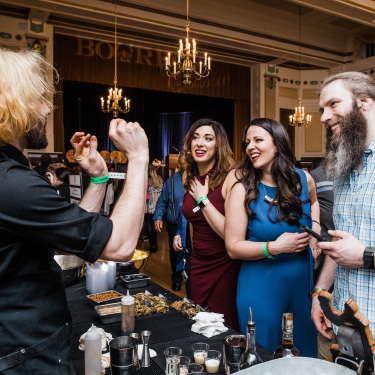
Bourbon Classic, the signature bourbon festival in Louisville, Kentucky, brings together the very best in bourbon, culinary arts, and cocktails. Through exclusive tastings, interactive workshops, and unique experiences, guests explore the depth of Kentucky’s bourbon heritage while connecting with distillers, chefs, and master mixologists who define bourbon excellence.

Explore signature experiences like:

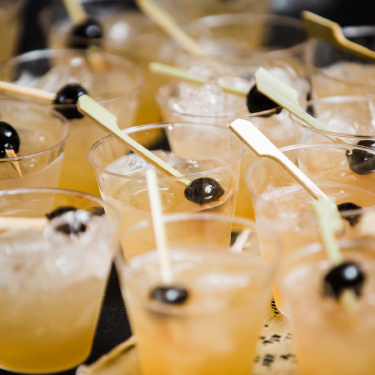
  • Cocktail & Culinary Challenge – A head-to-head showdown of top chefs and bartenders pairing small plates with innovative cocktails.
  • Bourbon University – Dive into hands-on educational sessions covering everything from distilling techniques to Bourbon history.
  • TASTE – An exclusive tasting event featuring dozens of Bourbons, renowned master distillers, and gourmet food from celebrated restaurants.

Since its launch in 2013, Bourbon Classic has earned national acclaim, including a spot on Travel + Leisure’s “7 Best Cocktail Festivals in the U.S.” and a feature in USA Today. Whether you’re a seasoned Bourbon lover or a curious newcomer, this Bourbon festival promises an experience like no other.

The 2026 Bourbon Classic will be held on February 25-28, 2026

HmPhotoA

Bourbon Classic Curated Experiences:
Limited-Seat Evenings You Don’t Want to Miss

Extend your Bourbon Classic weekend with a select lineup of intimate, elevated companion events created for true enthusiasts. Expect rare pours, chef-driven pairings, and an unforgettable experience— all in limited-capacity settings that are close to selling out. Secure your seat now.