Germany’s Oldest Palace, Original Home to Meissen, Innovates with the Histopad, an Augmented Reality Tour, in 2020

Albrechtsburg Castle above the River Elbe.


Just outside of Saxony’s cultural city of Dresden, Germany’s fourth most popular destination, the
palace of Albrechtsburg in the town of Meissen awes its visitors with its extraordinary murals and
original interiors as well as state of the art video installations about the making of porcelain, or
“white gold.” But now this famous palace has gone a step further by implementing an Augmented
Reality Tour with the Histopad that facilitates an unprecedented depth and breadth of discovery.

Already at the time when it was being built in the 15th century, the Albrechtsburg Castle that
towers over the River Elbe was considered cutting edge architecture. The sophisticated arched
curtain windows and the cellular vaulting throughout the castle as well as the large spiral
staircase were architectural novelties. Today, however, the innovation lies in technology and
beautifully crafted, highly interactive 3D videos that engage visitors on a very sophisticated and
comprehensive level that is fun at the same time as educational.

The so-called “Histopad,” the first in Germany, is an augmented reality tour created by
Schlösserland Sachsen and a French firm, Histovery. The tablet guide brings history alive in 3D,
uncovering delightful facts and tidbits about the palace’s hidden secrets, such as where the
treasure was stored; what they ate for dinner; what they would be talking about in the morning;
what they wore to work or on a weekend; what was served at their banquets; how did the
chemical laboratory for the porcelain really look? It takes history to a whole new level of detail of
day to day life that makes the characters and their palaces come alive as real people and
places. Every detail has been researched and verified by the well-respected experts at the
Stately Palaces and Gardens of Saxony.

Dresden

The late-Gothic castle complex – the Meissen Albrechtsburg Castle – was built between 1471
and 1524 on behalf of the two brothers, Ernest and Albert of Wettin, who jointly ruled Saxony in
the Middle Ages. The new residence was a representative administration center and residential
palace – the first of its kind in German architectural history. It was meant to showcase the power
of the Wettin Dynasty and how closely this was tied to the Saxon kingdom. The architect, Albert
von Westfalen, was considered a trendsetter in building design and the palace he created was
considered the best in all of Europe. Soon after the palace was built however, the Wettin
brothers split their kingdom and so the palace went unused except for an occasional ceremony.

The beautiful Saxon capital of Dresden.

It was not until a few hundred years later, in 1710, that Augustus the Strong floated 20 miles
down the Elbe to Meissen and mandated the creation of a porcelain manufactory right in the
middle of Albrechtsburg Palace. He imprisoned his top scientific minds of the day in the
fortifications of Dresden to work together to create the white porcelain and after many years,
they succeeded in 1708, and the European hard porcelain was born. All of the European
aristocracy, and Augustus the Strong in particular, were seized by the lust for porcelain, or white
gold. He called it the maladie de porcelaine or porcelain fever. Today, many of the best pieces of
Augustus the Strong’s extraordinary porcelain collection are located in the Dresden State
Art Collection’s Porcelain Collection in the Zwinger Museum. They are a testament to his
17th century pursuits and ultimate success not only in amassing an enormous collection of
porcelain from around the world but also for building and creating Europe’s finest porcelain
manufactory.

The special exhibition “Augustus the Strong – History. His Myths. His Legends.” at Moritzburg Castle (Schloss Moritzburg) deals with the glorious life of the former Elector of Saxony.

The Meissen Manufactory stayed in the Albrechtsburg Palace until 1853 when it was then
moved just a few blocks away to today’s state of the art facility where visitors can visit the
Meissen museum, shop in the showroom, dine on Meissen porcelain and watch the artists at
work and even participate in workshops. Meissen porcelain is a signature product of Saxony and
has been a mainstay of the state’s economy providing jobs, income and hard currency revenue
even during the reign of the GDR. Today it is still an important company in the state of Saxony
and Germany and it has become a cultural center hosting artists each year to participate in its
exhibitions and add to the famous Meissen designs.

Weesenstein Castle (Schloss Weesenstein)! The unique ensemble is located in the Mueglitz valley near Dresden 

In addition to the porcelain exhibition in the Albrechtsburg, the other tours include the palace
architecture, the dynasty of the Wettins and the monumental murals. Unlike other major projects
in their time, Albrechtsburg Castle did not grow over many building stages, but as a holistic
design of the master builder Arnold von Westfalen. From 1471 on, it was he who created a real
trendsetter for late-Gothic architecture. The Wettin Dynasty ruled in the heart of Europe and
were influential in spreading Luther’s ideas.

The dynasty ruled until 1918 at the heart of Europe.

At the end of the 19th century, after the porcelain manufactory had moved out, Wilhelm
Rossmann, Privy Court Councillor, developed his artistic design: “a painted picture book” which
are actually enormous murals that show visitors historical events of Saxony and have become a
central memorial site of Saxon identity that goes back to the original founding dynasty.
Today Meissen and Dresden are an extraordinary destination for people interested in history,
culture, architecture and, especially, decorative and applied arts. But this also applies to all of
Saxony where there is so much art, history, classical music and culture. Saxony is a place of
history but also of the future and technology is appreciated and used to make the arts and
culture come alive in the 21st century.

Dresden Christmas Garden

http://www.saxonytraveldreams.com is the new microsite from Saxony Germany where lovers of
history, castles, classical music, art museums and charming towns can experience Saxony at its
most beautiful. A perfect antidote to the stay at home corona virus regulations, this microsite
takes you there, to Saxony, creating an immersive visual and audio experience.

For further information, please contact Victoria Larson, USA Press Representative, State Tourist Board of Saxony at Victoria@vklarsoncommunications.com

www.https://www.sachsen-tourismus.de/en/www.saxonytraveldreams.com

http://www.facebook.com/SaxonyTourismwww.instagram.com/SaxonyTourism #saxonytraveldreams #visitsaxony

All photos are courtesy of Saxony Tourism.

Buttermilchplinsen

A Taste of Saxony

Upper Lusatian Buttermilk Pancakes, in German Buttermilchplinsen, are easy to prepare and taste like heaven.

Ingredients for 6 people:
2 1/8 cups buttermilk
8.2 ounces flour
1 dash of salt
1 pinch of baking soda
2 eggs

Mix buttermilk with eggs, then add flour, baking soda and salt and mix until all ingredients are thoroughly combined.

Allow the dough to rest for ten minutes. Melt some butter in a pan, put some dough in it to and fry the pancakes from both sides until they are golden brown. Sprinkle sugar on top and serve with apple puree.


Barefoot Contessa’s Modern Comfort Food

“When I was a kid my mother would cut up hot dogs to add to canned split pea soup for me to eat,” Ina Garten tells me from the barn in West Hampton, New York where she creates and tests the recipes published in her cookbooks, including the latest “Modern Comfort Food” and on the her Food Network show Barefoot Contessa.

         I tell her that I ate so much split pea soup when I was a kid that my mother told me I was going to turn green. Garten laughs though it really isn’t very funny. It’s just the way she is. Polite and friendly, as if she and I are good friends rather me interviewing her in a spot where her phone gets very poor reception. That’s for sure. During the course of a 45-minute call, we get disconnected at least five times.

         But back to the split pea soup. When Garten was thinking up recipes for “Modern Comfort Food,” the 12th in her Barefoot Contessa series, it was one of the dishes she wanted to include. But not just any old split pea soup.

“My soup is from scratch and instead of hot dogs, I sauteed kielbasa,” she says. I love the way crispy sausage and the creamy soup contrast with each other.”

         Using her culinary magic, among the 85 recipes in her book she transforms the grilled cheese of childhood into Cheddar & Chutney Grilled Cheese and the frozen pot pies your mom kept in the freezer in case she was late getting home morph into Chicken Pot Pie Soup with Puff Pastry Croutons. Burnt hamburgers made by your dad the one time he tried to grill are now Smashed Hamburgers with Caramelized Onions.

         When I mention that I love her recipes because they always work and that often with celebrity cookbooks it’s just the opposite, she responds with a laugh, saying “ya’think?”

         Her recipes, on the other hand, are strenuously tested. It took her six years to perfect her recipe for Boston Cream Pie. She just couldn’t get it right until she finally found the exact flavor matches for the cake, chocolate glaze and pastry cream layers.

         Some, no make that most, of us would have given up or just said “good enough.” But not Garten which is why the Boston Cream Pie she hoped to put in two cookbooks ago didn’t make it until this one.

         “Sometimes it takes me a day to create a recipe that works just right, sometimes weeks or even months,” she says, noting that she loves getting up in the morning knowing she has a long list of recipes to test.

         She also has advice on how to use her recipes.

         “Do it once the way it’s written using the same ingredients, then you’ll know the way it is supposed to be,” she says, noting that someone once complained about one of her recipes not working and when she drilled down as to why, discovered that out of the seven ingredients called for, they didn’t use three. “It’s like someone saying the chocolate cake didn’t turn out and then they tell you they didn’t use any chocolate in it.”

Recipes courtesy of Modern Comfort Food: A Barefoot Contessa Cookbook. Copyright © 2020 by Ina Garten. Photography by Quentin Bacon. Published by Clarkson Potter, an imprint of Penguin Random House.

Chicken Pot Pie Soup
Serves 6
3 chicken breasts, skin-on, bone-in (2½ to 3 pounds total)
Good olive oil
Kosher salt and freshly ground black pepper
6 tablespoons (¾ stick) unsalted butter
5 cups chopped leeks, white and light green parts (3 leeks) (see note)
4 cups chopped fennel, tops and cores removed (2 bulbs)
3 cups (½-inch) diced scrubbed carrots (5 medium)
1 tablespoon minced garlic (3 cloves)
1 tablespoon chopped fresh tarragon leaves
¼ cup Wondra flour
¾ cup cream sherry, divided
7 cups good chicken stock, preferably homemade
1 (2 × 3-inch) piece of Italian
Parmesan cheese rind
1 (10-ounce) box frozen peas
1 cup frozen whole pearl onions
¼ cup minced fresh parsley

Preheat the oven to 350 degrees.
Place the chicken on a sheet pan skin side up, rub the skin with olive oil, and
season generously with salt and pepper. Roast for 35 minutes, until a
thermometer registers 130 to 140 degrees. Set aside until cool enough to
handle. Remove and discard the skin and bones and cut the chicken in 1-inch
dice. Set aside.

Meanwhile, melt the butter in a medium (11 to 12-inch) heavy-bottomed pot or
Dutch oven, such as Le Creuset, over medium heat. Add the leeks, fennel, and
carrots, and sauté over medium-high heat for 10 minutes, stirring occasionally,
until the leeks are tender but not browned.

Stir in the garlic and tarragon and cook for one minute. Sprinkle on the flour
and cook, stirring constantly, for 2 minutes. Add ½ cup of the sherry, the
chicken stock, 4 teaspoons salt, 1½ teaspoons pepper, and the Parmesan rind.
Bring to a boil, lower the heat, and simmer, partially covered, for 20 minutes.
Add the chicken, peas, and onions and simmer uncovered for 5 minutes. Off
the heat, remove the Parmesan rind and add the remaining ¼ cup of sherry
and the parsley. Serve hot in large shallow bowls with two Puff Pastry Croutons
on top.

Note: To prep the leeks, cut off the dark green leaves at a 45-degree angle and
discard. Chop the white and light green parts, wash well in a bowl of water,
and spin dry in a salad spinner. Wet leeks will steam rather than sauté.

Puff Pastry Croutons -Makes 12 croutons
All-purpose flour
1 sheet of frozen puff pastry, such as Pepperidge Farm, defrosted (see note)
1 extra-large egg beaten with 1 tablespoon heavy cream, for egg wash
Kosher salt and freshly ground black pepper

Preheat the oven to 400 degrees. Line a sheet pan with parchment paper.
Lightly dust a board and rolling pin with flour. Unfold the sheet of puff pastry
on the board, dust it lightly with flour, and lightly roll the pastry just to smooth
out the folds.

With a star-shaped or fluted round cookie cutters, cut 12 stars, or rounds of
pastry and place them on the prepared sheet pan. Brush the tops with the egg
wash, sprinkle with salt and pepper, and bake for 8 to 10 minutes, until puffed
and golden brown.

Defrost puff pastry overnight in the refrigerator. You want the pastry to be very
cold when you bake it. make ahead: Prepare the pastry cutouts and refrigerate.

Bake just before serving.

Boston Cream Pie
Makes one 9 – inch cake / serves 8
For the cake:
¾ cup whole milk
6 tablespoons (¾ stick) unsalted butter
1½ teaspoons pure vanilla extract
½ teaspoon grated orange zest
1½ cups all-purpose flour
1½ teaspoons baking powder
1½ teaspoons kosher salt
3 extra-large eggs, at room temperature
1½ cups sugar

for the soak:
¹⁄₃ cup freshly squeezed orange juice
¹⁄₃ cup sugar
1 tablespoon Grand Marnier

For the chocolate glaze:
¾ cup heavy cream
1¼ cups semisweet chocolate chips, such as Nestlé’s (7½ ounces)
2 ounces bittersweet chocolate, such as Lindt, broken in pieces
2 tablespoons light corn syrup
1 teaspoon pure vanilla extract
½ teaspoon instant coffee granules, such as Nescafé

Grand Marnier Pastry Cream (recipe follows)

Preheat the oven to 325 degrees. Butter two 9-inch round baking pans, line
them with parchment paper, butter and flour the pans, and tap out the excess
flour. Set aside.

For the cake, scald the milk and butter in a small saucepan over medium heat
(see note). Off the heat, add the vanilla and orange zest, cover the pan, and set
aside. In a small bowl, sift together the flour, baking powder, and salt and set
aside.

In the bowl of an electric mixer fitted with the paddle attachment, beat the eggs
and sugar on medium-high speed for 4 minutes, until thick and light yellow
and the mixture falls back on itself in a ribbon. By hand, first whisk in the
warm milk mixture and then slowly whisk in the flour mixture. Don’t overmix!
Pour the batter evenly into the prepared pans. Bake for 22 to 25 minutes, until
a toothpick comes out clean. Allow the cakes to cool in the pans for 15
minutes, then turn them out onto a baking rack, flipping them so the top sides
are up. Cool to room temperature.

For the soak, combine the orange juice and sugar in a small (8-inch) sauté pan
and heat until the sugar dissolves. Off the heat, add the Grand Marnier and set
aside.

For the chocolate glaze, combine the heavy cream, semisweet chocolate chips,
bittersweet chocolate, corn syrup, vanilla, and coffee in a heatproof bowl set
over a pot of simmering water. Stir occasionally with a wooden spoon, just until
the chocolates melt. Remove from the heat and set aside for 25 to 30 minutes,
stirring occasionally, until the chocolate is thick enough to fall back onto itself
in a ribbon.

To assemble, cut both cakes in half horizontally. Place the bottom of one cake
on a flat plate, cut side up. Brush it with a third of the soak. Spread a third of
the Grand Marnier Pastry Cream on the cake. Place the top of the first cake on
top, cut side down, and repeat with the soak and pastry cream. Place the
bottom of the second cake on top, cut side up. Repeat with the soak and pastry
cream. Place the top of the second cake on top, cut side down. Pour the
ganache on the cake, allowing it to drip down the sides. Set aside for one hour,

Golden Raspberries: The Perfect End to Autumn

Amber colored with a touch of light pink, golden raspberries are a rare find compared to their red and black equivalents. But they’re worth the search.

“They taste like raspberries dipped in honey,” says Cindy Grewett who raises golden raspberries at Kitty Hill Organics, her 14-acre farm in Dowagiac, Michigan, a small town located close to the Indiana-Michigan border.

“Or candied raspberries,” adds her assistant Ashley Morris.

Golden raspberries at Kitty Hill Organics in Dowagiac, Michigan. Photo Jane Simon Ammeson.

“Have you ever tasted one?” Ron Goldy, Senior Extension Educator at the Southwest Michigan Research and Extension Center, Michigan State University, asks me when I call to get more details about golden raspberries and who else might be growing them in Southwest Michigan.

I tell him I have—Grewett sells them at the St. Joseph Farmers Market held on Saturdays on the bluff overlooking the pier and where the St. joseph River flows into Lake Michigan. People also stop by at the farm where she and her husband live in a 150-year-old farmhouse but it’s best to call ahead to make sure she hasn’t sold out.

Golden Raspberry Custard with Chocolate Sauce. Photo by Jane Simon Ammeson.

“They’re sweeter than red raspberries,” I say.

Cindy Grewett adds golden raspberries to a glass of Tabor Hill Sparkling Wine. Photo by Jane Simon Ammeson.

“But they still taste like raspberries,” Goldy says and he’s right.

I’ve never thought of red raspberries as anything but sweet and tasty. Yet compared to goldens they’re tough stuff with a taste that’s stronger and with just a little more bite.

They may be milder and sweeter but goldens are also more fragile than their black and red counterparts and
thus transporting them is a trickier and more expensive proposition as they’re more likely to bruise and crush.

Kitty Hill Organics. Photo by Jane Simon Ammeson.

“That’s one reason why people don’t grow them,” says Grewett.

“We know what we know– we all get used to eating things we know and are familiar with like red raspberries,” says Goldy, offering another reason why they aren’t as popular as reds.

There’s truth to that. How many of us have bought kohlrabi lately?

“I don’t know of anyone else growing them in the area,” he adds.

All this makes them more of niche market type of fruit, found more often at farmers’ markets than in stores.
There are other distinctions as well, Grewett explains.

Unlike red and black raspberries that have two growing seasons and often are referred to as everbearing, goldens fruit just once in late August and into September.

When looking for goldens, remember they’re also called by the rather bland name of yellow raspberries and the much more exciting champagne raspberries.

More golden raspberries. Photo by Jane Simon Ammeson.

Speaking of that bubbly drink, Maria Neville, owner of Body Logic in downtown St. Joseph suggested adding golden raspberries to a freshly poured glass of champagne, prosecco, or other sparkling wine. It’s about easy as can be except for getting the cork out of the bottle and but the look and taste is both elegant and spectacular. If you’re not in the mood for a cocktail, Grewett suggests adding goldens to seltzer water or lemonade.

“That is if you have any left,” she says, noting that they’re so tasty as is, they’re often consumed straight out of the box.

Grewett also likes goldens, a naturally muted strain of red raspberries, because of their health benefits.
“They’re full of vitamins B and C,” she says, adding that they also contain folic acid, iron, copper, and ellagic acid, a phenolic compound thought to prevent cancer. And despite their delicate looks, goldens are a powerhouse of dietary fiber accounting for approximately 20% of its weight.

Photo by Jane Simon Ammeson

Eating healthy and raising pesticide-free produce is one reason Grewett left a job as a hostess at Tosi’s Restaurant in Stevensville, Michigan one requiring her to dress in heels and formal wear and become a full-time farmer. She already was growing organic fruits, vegetables, meats and eggs for friends and family as well as for herself but wanted to make it easily available for others as well.

Now, when you stop by the farm, she’s typically wearing old jeans or shorts, t-shirts, thick gloves, and knee-high rubber boots good for mucking around in the dirt and mud.

“When people bring their children here and they see carrots or here and they see carrots or fresh beets growing out of the ground or raspberries on the vine they get so excited,” she says. “I like that they can pick and eat a tomato still warm from the sun and not have to worry about chemicals. It’s a great way to show kids—and adults—the connection to what we grow and what we eat.”

Cindy Grewett’ s Golden Raspberry Custard with Chocolate Sauce

2 cups milk

2 tablespoons butter, softened

2 teaspoons vanilla

2 tablespoons corn starch

1/3 cup sugar

¼ teaspoon salt

2 egg yolks, lightly beaten

Golden raspberries

Chocolate sauce

Place milk, butter and vanilla extract in a saucepan and cook at medium heat until mixture is simmering being sure to stir frequently so mixture doesn’t burn.

Remove mixture from heat before it comes to a boil. Mix cornstarch, sugar, salt, and egg yolks in a saucepan, stirring until sugar dissolves.

Return milk and butter mixture to the stove and slowly add cornstarch mixture (if you add too quickly egg yolks will cook), whisking constantly until custard thickens enough to coat the bottom of a spoon, approximately 5 to 10 minutes.

Remove from heat. Let cool. Top with golden raspberries and then drizzle chocolate sauce over the custard. Serve.

Red & Golden Raspberry White Chocolate Napoleon. Photo courtesy of Driscoll’s Berries.

Red and Golden Raspberry White Chocolate Napoleon

Recipe courtesy of Driscoll’s Berries

2 tablespoons butter, melted

1 tablespoon granulated sugar

4 ounces chopped white chocolate or white chocolate chips (about 2/3 cup)

4 ounces reduced fat cream cheese

1/2 cup part-skim or reduced fat ricotta cheese

1 1/3 cup each red and golden raspberries

3 sheets filo dough (14 x 18 inches each)

Confectioners’ sugar

Preheat oven to 350°F.

Line a large baking sheet with parchment paper. Set aside a second baking sheet and parchment paper of the same size.

Place one sheet of filo on work surface.

Brush with one-third butter and sprinkle with half sugar. Cover with the second sheet of filo, brush with one-third butter and sprinkle with remaining sugar. Lay third sheet of filo on top and brush with remaining butter. Trim filo edges evenly and cut stack into 18 rectangles, about 2-1/2 x 4-inches each.

Arrange rectangles in a single layer on parchment lined baking sheet. Cover with second piece of parchment and second baking sheet. (Bake in two batches if pieces don’t fit in one pan.) Bake 15 to 17 minutes until filo is golden brown, lifting top baking sheet to check. Transfer to wire rack to cool. Heat white chocolate in a glass or ceramic bowl in microwave 60 seconds, or just until chocolate is softened. Stir until melted. Stir in cream cheese and mix until smooth. Stir in ricotta and mix well. Mixture can be prepared up to four hours ahead, covered and refrigerated.

To assemble the layers, spread a thin layer (about 1 1/2 teaspoons) white chocolate and cheese mixture on each of the six filo pieces. Top with about 12 raspberries. Spread a layer of filling on six more filo pieces, place white chocolate side down over raspberries. Repeat filling and raspberries on each napoleon. Reserve 1 1/2 teaspoons white chocolate mixture and set aside.

Spread remaining white chocolate mixture on last six pieces of filo. Place white chocolate side down over berries. Dust with confectioners’ sugar and secure a raspberry on top each napoleon with a dab of the reserved white chocolate mixture. Serve within 30 minutes.

Schuler’s Continues a 100 Year Thanksgiving Tradition

There’s no question the holidays will be a little different this year, but Schuler’s Restaurant & Pub in downtown Marshall plans to offer a taste of tradition starting with Thanksgiving.

“Our team is working diligently to provide some level of normalcy for our guests while operating within the safety provisions issued by the state,” says Sue Damron, President and CEO. “We are looking forward to serving up all the comforts of this delicious holiday meal with a variety of options to fit each family’s individual needs.”

Even with state mandated limited capacity, Schuler’s has the space to accommodate families for a traditional turkey dinner with all the trimmings from 11am until 6pm on Thursday, November 26. As space is likely to be sold out quicker than normal, guests are encouraged to make their reservations now by calling (269) 781-0600.

Or, if you prefer to enjoy dinner in the comfort of your own home, you are encouraged to call ahead now and request a “Turkey Dinner” to go with two different options available this year – either a 10-12 pound whole roast turkey or 6 pounds of carved white and dark meat. Both options come with sage dressing, whipped potatoes and gravy, baked yams, green bean casserole, cranberry relish, Waldorf salad, Schuler’s famous cheese and crackers, a fresh baked loaf of bread and a whole pumpkin pie.

Each package, which serves 6-9 people, cost is $195.95 plus sales tax. Orders for the take-out orders must be made and prepaid by Monday, November 23 by calling (269) 781-600 – unless sold out sooner.

“The key this year will be advanced reservations and orders, as we expect all options to be scooped up quickly,” Damron says. “We appreciate everyone’s support and patience as we work under the state mandated restrictions through one of the busiest major holidays here at Schuler’s.

Founded in 1909, the iconic Schuler’s Restaurant & Pub epitomizes hospitality excellence as a family owned and operated business. Located in downtown historic Marshall, Schuler’s is recognized as world-class Michigan destination focused on offering guests’ quality food and excellent service, in a warm and welcoming atmosphere.

The History of Schuler’s.

For over 110 years, Schuler’s Restaurant & Pub kept it in the family – and beat the odds. How rare is this achievement? According to Family Business, rarely do more than 30 percent of all family-owned businesses survive into the second generation, let alone making it to the fourth-generation mark as Schuler’s has done.

Schuler's men at entrance

The secret to their success? Schuler’s attributes its longevity to the foresight of its founder and the succeeding family members who used their entrepreneurial skills to build a tradition of hospitality and fine dining to last more than a century.

This historical buffet provides a peek at the character of the people and the events that have brought the restaurant to this noteworthy time.

The restaurant’s founder, Albert Schuler, was a native of Rome, New York. The adopted son of a traveling butcher, Albert migrated to Marshall in the early 1900s. The owner of a local lunch counter and cigar shop befriended him, and after learning the trade Albert opened a similar business on Main Street in 1909.

In 1920, he purchased a hotel with a small dining room on Main Street and named it The Albert. It was during this period that Albert became deputy sheriff. It wasn’t unusual for Albert to be summoned at the restaurant to attend to matters of the law. He would take off his apron and was out the door. Minutes or hours later, his apron was back on and it was business as usual.

A photo of Marshall, Michigan around the time Schuler’s first opened. Photo from Marshall, an Images of America book by Susan Collins and Jane Ammeson.

In 1924, he was ready to expand his business. He sold the hotel on Main Street and purchased the Royal Hotel and Restaurant in Marshall and changed the name to Schuler’s. He built a seven-lane bowling alley and soon the combination hotel/restaurant/bowling business became a popular gathering spot for locals and visitors.

Win Schuler, Albert’s son, joined the family business in 1934. In 1936, Win, a former high school history teacher and coach, became full owner of the restaurant while his father continued to run the hotel and serve as sheriff of Calhoun County.

Schuler's History Image 1

Win is credited with expanding the family business into a highly successful string of restaurants across Michigan. His magnetic personality and salesmanship were his trademarks. He believed that personal service set his business apart.

Win’s personal service included remembering every customer’s name. He worked hard at this art and is legendary in his ability to remember names. After an introduction, he worked names into any subsequent conversation three times. He even wrote the names down and before he went to sleep at night he would go over the new names of the day.

The murals on the walls throughout Schuler’s and the sayings etched into the beams in the main dining room are the result of Win’s insatiable interest in history. Both have become part of the charm that continues to draw customers from hundreds of miles around to dine here.

In addition to acquiring other restaurants, in the late 1930s Win and his brother, Albert, bought a golf course in Marshall. They named it Alwyn Downs. Back then, they charged 50 cents to play a round of golf. They eventually sold the course.

During World War II, injured military men and women who were sent to Percy Jones Hospital in Battle Creek heard about Schuler’s. It became standard practice for the patients to come to the restaurant at some point during their recovery. Some of the more famous patients included Gene Autry and Bob Dole.

Schuler's generations

Big Ten coaches and teams have been attracted to Schuler’s too. For decades, during the fall football season, Marshall has been referred to as the “Crossroads of the Big Ten.” Duffy Daughtery, Biggie Munn, Bump and Pete Elliott, Ara Parshegian, Bo Schembechler, Don Carhau, George Perles and Mark Dantonio are just a few of the Big Ten coaches who have frequented the restaurant.

In 1959, Win’s son, Hans Schuler became the third generation to join the family business. He grew up in the business and always knew this was what he wanted to do. Under his guidance at one time the family of restaurants grew to nine. And in the Marshall restaurant he was responsible for major expansions and significant renovations. He also proved to have an unusual ability to develop the people working on his team. He has been instrumental in making the transition of the well-established and successful business to his longtime confidant, Sue Damron, the latest steward of the Schuler family legacy.

Photo of downtown Marshall around the time Schuler’s first opened. A photo of Marshall, Michigan around the time Schuler’s first opened. Photo from Marshall, an Images of America book by Susan Collins and Jane Ammeson.

In 2012 a lifetime of leadership and exceptional performance by Hans Schuler was recognized as he received the inaugural “National Restaurateur of the Year” award from Independent Restaurateur. “This award represents the highest level of excellence in all aspects of the business and recognizes an exemplary commitment to owning and operating a successful independent restaurant,” says Jim Young, publisher of Independent Restaurateur.

Like his father, Hans enjoys greeting customers at the restaurant. He continues to be a civic leader in the Calhoun community, and on any given night you may well see him and his wife Nancy dining in the Pub or the Centennial Room.

Representing the fourth generation, Larry Schuler remains active in the restaurant industry, currently serving as an executive in a Florida restaurant group, 23 Restaurants, LLC. He provides a valuable family perspective by serving on Schuler’s Restaurant Advisory Board.

Very few families in the nation have been in the restaurant business as long as the Schuler family, marking 110 years in 2019. And even with a challenging economy and changing marketplace, the iconic restaurant continues to thrive while evolving with the times by delivering great food and hospitality the “Schuler Way.”

In the fall of 2019, Sue Damron – who has spent more than 20 years working her way up the management team – became the owner of the company, now serving as President and CEO of the legendary restaurant. Starting as Hans Schuler’s Executive Assistant in 1998, Sue worked her way up the management chain, culminating in being named President and Managing Partner and acquiring a minority ownership share in 2014.

Much like the Schulers, the Damrons are a family affair. Sue’s husband, Shannon, has been a constant support, and her children, Josh and Elizabeth, have both had jobs at the restaurant. Elizabeth currently serves on the Schuler’s management team and has chosen the industry for her career.

“We have the benefit of generations of experience behind us that will continue to guide us toward the future as one of Michigan’s longest-established restaurants,” says Sue. “The Schuler’s brand remains dedicated to providing an unparalleled experience. We are excited about this new chapter in our classic history and plan to be welcoming guests to Schuler’s for a long time to come.”

So, from one family to another, the “Schuler Way” remains the focus.

“I felt it was time to complete handing over the reins of our successful business to someone who has consistently shown herself to be a capable and innovative leader in our industry and in our community,” says Hans. “In 2014, we announced Sue’s new role as President and Managing Partner with the observation that we were ‘introducing the future’ of the restaurant. I’m pleased to say that we are now able to complete that transition, handing over a successful, established business to a proven partner and someone who will be an excellent steward of our family’s legacy.”

For almost 70 years, Schuler’s Heritage Cheese Spread has been a big hit. Served to customers when they first sit down, it’s also sold in stores. Or if you want to make your own, here’s an introduction to the recipe and the recipe itself.

“My family’s restaurant has been in business for over 100 years and for many of those years when you would sit down at a table and you’d be welcomed with a crock of horseradish cheddar cheese spread and some crackers and homemade bread. This is one of the versions and it is the one that I make at home for my friends to welcome them to my table. It is tasty and super welcoming. – “MyCommunalTable —

Schuler’s Heritage Cheese Spread

4 ounces sharp cheddar cheese
8 ounces garbanzo beans
8 ounces cream cheese
5 ounces sour cream
1/4 cup butter
1 ounce prepared horseradish
1 tablespoon white vinegar
2 teaspoons salt
1 tablespoon sugar
1 tablespoon paprika
1/4 cup mayonnaise
1/2 cup buttermilk
Dash brown ale

With cutting blade in a food processor, finely chop cheese and the garbanzo beans. I find using the pulse button on my processor makes the beans & cheese less gummy.

Add cream cheese, sour cream, and butter. Process until smooth.

Transfer to a bowl and add the rest of the ingredients. Stir. You can add more buttermilk or ale a drop at a time if you need make the cheese more spreadable.

Keep in fridge until ready to serve. I like warmed crackers served with this tangy cheese.

Jane Simon is the co-author, with Susan Collins, of Marshall, an Arcadia Images of America book.

Layne Fargo: “They Never Learn.”

Layne Fargo

              Scarlet Clark, the lead character in Layne Fargo’s newest psychological thriller, They Never Learn, is not your typical English professor. While she takes her studies and students seriously, for 16 years she’s also been on a mission, to eliminate men at Gorman University she considers to be bad guys. By planning carefully and keeping the murder rate down to one a year, she’s managed to avoid discovery. That is until her last killing—the poisoning of a star football player accused of rape—doesn’t go so well. She posted a suicide note on the guy’s Instagram account, but it turns out you can’t kill a star athlete without some ramifications. Suddenly, the other suicide notes written by Scarlet are under review and her current project—dispatching a lewd department head who also (not all of Scarlet’s killings are devoid of self-interest) is her competitor for a fellowship she desperately wants.  

Trying to forestall discovery, Scarlet insinuates herself with the police investigation while under pressure to get away with soon with this next kill.

But it’s even more complex than this, after all it is a Fargo book and the Chicago author who wrote the well-received Temper, likes the complexities and power struggles inherent in relationships.

In this case, adding to the drama is the transformation of Carly Schiller, a freshman who has escaped an abusive home life and now immerses herself in studies as a way of avoiding life. But when Allison, her self-assured roommate, is sexually assaulted at a party, Carly dreams of revenge.

Fargo, Vice President of the Chicagoland chapter of Sisters in Crime, and the cocreator of the podcast Unlikeable Female Characters, has a little bad girl in her too.

“I love the sinister title of They Never Learn,” she says, adding that this, her second thriller, has everything she loves in a book—sexy women, Shakespeare references and stabbing men who deserve it.

She was enraged at what she saw as the injustice of the appointment of a man accused of rape into a high position.

 “I channeled that all-consuming anger into a story where men like that are stripped of their power, where they get exactly what they deserve,” she says.

It’s a timely topic and Fargo is excited that PatMa Productions optioned the TV rights for her book, and she’ll be writing the pilot. 

That’s a form of sweet revenge.

Layne Fargo Virtual Book Events

When: Thursday, October 22; 6 to 7:30 p.m. CT

What: Layne Fargo in conversation with Allison Dickson, author of The Other Mrs. Miller, to celebrate the release of her new novel, They Never Learn.

This event is hosted by Gramercy Books in Columbus, Ohio, and will be livestreamed on their Facebook page, with participants able to ask questions of both authors in the latter portion of the program.

For more information and to stream: https://www.facebook.com/GramercyBooksBexley/events/?ref=page_internal

When: Sunday, October 25, 1 p.m. EST

What: Fiction: Witches and Other Bad Heroines by Boston Book Festival

To register: https://www.crowdcast.io/e/bad-heroines/register

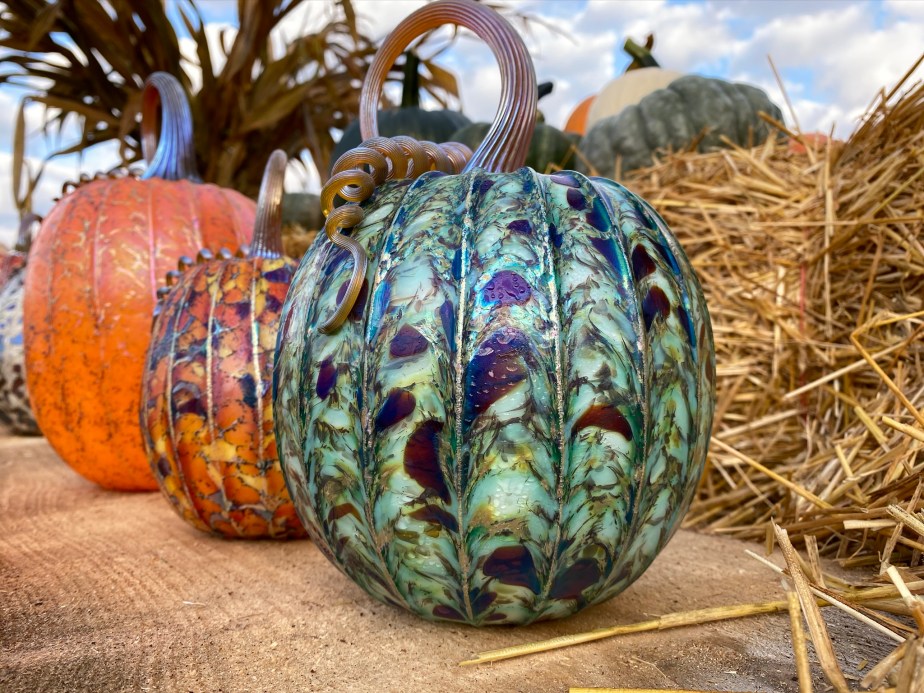
Local glassblower brings the first Glass Pumpkin Patch to Hocking Hills

Creating a pumpkin for Jack Pine’s Glass Pumpkin Patch
Photo courtesy of ExploreHockingHills.com

Natural social distancing and gorgeous fall scenery awaits visitors

LOGAN, OH – As the best time to experience the vibrant fall foliage gets into full swing, Explore Hocking Hills announced that Jack Pine Studios will host Jack Pine’s Glass Pumpkin Patch 10 a.m.-6 p.m. Oct. 22-25. After 25 years of being featured at the Circleville Pumpkin Show, Pine is hosting created glass pumpkin show, as a way of helping guests, artists and vendors displaced by the festival cancellation. The new highly collectible Pumpkin of The Year, crafted from gleaming black glass with hints of shimmery silver, represents the silver lining of hope within the darkness of 2020.

Jack Pine Studio Glass Pumpkins.
ExploreHockingHills.com

As part of community-wide efforts to slow the transmission of COVID-19 and to ensure the safety of visitors, artists and staff, only 75 people will be admitted for each two-hour time slot. Tickets are $5 and go toward any purchase made at the glass shop. With several acres of land serving as Jack Pine’s outdoor studio, along with a vibrant indoor gallery and demonstration studio, there is plenty of space for people to browse and watch as glass is being blown. Open time slots can be booked at www.jackpinestudio.com. Complete travel information for the Hocking Hills can be found at ExploreHockingHills.com.

“We wanted to create something new and fun and artistic,” said Artist Jack Pine. “Hundreds and hundreds of unique hand-blown glass pumpkins of every color and size will be spread across the field in front of our studio as a way celebrate the changing colors in the great outdoors. It will be a sight to see!”

Blowing glass at Jack Pine Studio.
ExploreHockingHills.com

Pine added that an artist’s market on the sprawling studio grounds will feature 10 fine craftsmen and women from around Ohio and the nation. Everything from beautiful birdhouses to stoneware, pottery, metal sculpture, stained glass lanterns and miniature glass pieces will be on display and for sale. Pumpkin ice cream, donuts and rolls will be complete the sensory experience, along with food vendors serving bourbon chicken, Texas tenderloin sandwiches, Amish noodles, funnel cakes and more.

As a graduate of the esteemed Columbus College of Art & Design, Jack Pine forged his signature glass-blowing technique working in world-renowned glass houses in Seattle before returning home to southern Ohio where he continues to perfect his craft. He is well-known for his extraordinary hand-blown radiant glass pieces inspired by the beauty of nature’s organic forms.

Airplane Rock
ExploreHockingHills.com

Located 40 miles southeast of Columbus, Ohio’s Hocking Hills offers affordable lodging, from camping, cabins and cottages to hotels and inns. Miles of hiking trails, parks and forests; ziplines and guide services; and many more once-in-a-lifetime experiences join unique gift and antique shops, canoeing, horseback riding, golf, spas and more add to the allure of the Hocking Hills as the perfect place to unplug. 

Complete traveler information is available ExploreHockingHills.com or 1-800-Hocking (800-462-5464).

ExploreHockingHills.com


Learn to Make Pinsa Romana with Cookbook Author and Italian Food Expert Katie Parla

Pinsa Romana with Katie Parla.

Katie Parla

Katie Parla, a Rome-based food and beverage educator, journalist, and award-winning cookbook author, takes us on to a deep dive into Pinsa dough (one of several Roman styles of flatbreads) and pizza making. Originally from New Jersey, katie not only has an art history degree from Yale but also a master’s degree in Italian Gastronomic Culture from the Università degli Studi di Roma “Tor Vergata”, a sommelier certificate from the Federazione Italiana Sommelier Albergatori Ristoratori, and an archeological speleology certification from the city of Rome.

Eating & Drinking in Rome” (available for KindleNook, and in PDF format), National Geographic’s Walking Rome, Tasting Rome: Fresh Flavors and Forgotten Recipes from an Ancient City,  Flour Lab: An At-Home Guide to Baking with Freshly Milled GrainsAmerican Sfoglino: A Master Class in Homemade Pasta, and Food of the Italian South: Recipes for Classic, Disappearing, and Lost Dishes

In her interactive cooking demonstration, Katie provides amazing tips and lots of history behind her pinsa dough recipe.

The recipe she demonstrated was inspired by the “official” pinsa recipe and adapted for a Breville oven La Pratolina typically is baked in a wood fired oven.

Spezzatino all Uva from Katie Parla’s Foods of the Italian South (Clarkson Potter)

Katie Parla also co-hosts the Gola Podcast about Italian food culture. Her forthcoming cookbook, Food of the Italian Islands, will focus on Sicily and Sardinia and other lesser known Italian islands. She is currently working on an untitled pizza cookbook with Dan Richer of Razza in Jersey City, NJ who will be making a special appearance next Friday with Katie and Scott Wiener, a pizza expert, who runs the famous NY based Scott’s Pizza Tours. She also explores pizza making in Italay as the following You Tube video shows.

Katie focused on the Pinsa Romana from her book, Food of the Italian South (2019 Clarkson Potter) for this event, baking in the Breville Smart Oven Pizzaiolo. Katie is also the author of Tasting Rome: Fresh Flavors and Forgotten Recipes from an Ancient City

One of the dishes featured in Katie’s book Foods of the Italian South

About the Cooking Demonstration

Breville presents exclusive virtual pizza demonstrations + live Q&A with local legend pizza makers and pizza-related renowned cookbook authors from around the world. Join us live or watch later if you can’t make it. Each stop will be guided by Scott Wiener, a pizza expert, who runs the famous NY based Scott’s Pizza Tours and is the founder of Slice Out Hunger.

Every Friday, tune in to meet pizza pros and get an in-depth view into their story and craft. From the New York Slice, Chicago Deep Dish, to the Margherita and so much more, you will learn the tips behind making each of these pies from the comfort of your own home.

e.

A Dish Worth Celebrating: World Paella Day is September 20th!

Moncho Riquelme de Casa Riquelme con su paella alicantina.

September 20 is World Paella Day, a way of honoring that wonderful Spanish rice dish made with rice and a host of ingredients, is one of the traditional dishes of the Valencia region of Spain

Paella from Don Quijote in Valparaiso, Indiana

Writing in Saveur magazine, David Rosengarten, an American chef, author and television personality who also has hosted or co-hosted more than 2500 television shows on the Food Network from 1994 to 2001, explains that “the earliest kinds of paella were products of purely local ingredients and eating habits.

“The dish exists because of rice, and rice has existed in Valencia and its environs ever since the Moors planted it there more than 1,300 years ago, in a lagoon called Albufera, where the grain is still grown today. Saffron, that precious and earthy spice, brought to Spain by Arab traders in the tenth century, was the Moors’ preferred seasoning for rice, and it remains a traditional paella ingredient. Local game like rabbit, and foraged foods like snails, as well as various legumes and vegetables, found their way into rice dishes during the Moorish occupation of Spain, but pork (which was prohibited under Muslim dietary laws) and shellfish did not.”

The earliest paella was made with all local ingredients and eating traditions. It’s main ingredient is rice and Valencia is known for their rice, planted by the Moors over 1,300 years ago in a lagoon called the Albufera, now national park where the grain still grows today.

“Saffron, that precious and earthy spice, brought to Spain by Arab traders in the tenth century, was the Moors’ preferred seasoning for rice, and it remains a traditional paella ingredient,” writes Rosengarten. “Local game like rabbit, and foraged foods like snails, as well as various legumes and vegetables, found their way into rice dishes during the Moorish occupation of Spain, but pork (which was prohibited under Muslim dietary laws) and shellfish did not. “

That certainly has changed today when many think of paella as being a seafood dish with sausages as an added ingredient.

Casa Lola desde el Grao de Castellón con su arroz negro con gamba roja
— at Plaza del Ayuntamiento.

While the Moors vacated Spain in 1492, the passion for rice dishes remained. What the Valencians ate during the reign of the Moors and afterwards for almost four centuries isn’t exactly known, but one of the first printed recipes we have dates back to 1840 and calls for such ingredients as rabbit, snails, beans and saffron cooked in a shallow pan called a paella. It was typically prepared over open fire composed of dried vines and branches from orange trees,

Miquel Barrera del Restaurante Cal Paradis desde Vall D’Alba con su “Arrocito de Castellón”
— at Plaza del Ayuntamiento.

According to Rosengarten, paella remained a regional food for a good long while. Back when that original paella recipe was first published, Spain wasn’t a popular destination on the tourist track, and its cuisine was little known beyond its borders. But the 20th century—the century of Picasso, Dali, Buñuel—saw a burgeoning interest around the world in all things español. Epicures were eager to discover the country’s rich, rustic flavors; in 1950, Elizabeth David, the cookbook writer who delivered England from its wartime gastro-dreariness, published A Book of Mediterranean Food (John Lehmann), which included a recipe for paella containing the hitherto non-traditional combination of chicken and shrimp. (Before long, gourmands in England, America, and beyond were serving all kinds of variants of the dish out of brightly colored Dansk paella pans along with goblets of sangria.

The Seafood Paella at The Grove in New Buffalo, Michigan

For those who want to make the dish to celebrate World Paella Day, buy a bottle or two of wine from the Ribera del Duero and Rueda Wine Regions of Spain and try the recipe below courtesy of James Beard Award-winning chef Jamie Bissonnette of Toro restaurants in NYC and Boston.

But first a little about wines from Ribera del Duero or Rueda (follow the links to find out more).

All About Rueda

Spain’s most popular white grape is Verdejo, and it is native to the region of Rueda in Castilla y Leon.

Tempranillo: Ribera del Duero’s Prized Grape

Full-bodied without going Godzilla-overboard, Ribera del Duero tempranillos are about as food-friendly as red wines get.

Teresa Roig con sus Paellas con Arte dando el toque creativo del evento
— at Plaza del Ayuntamiento.

Toro Paella Mixta, serves 4-5

2 tablespoons garlic, minced
1 cup Spanish onions, diced and sautéed in a generous amount of olive oil
1/2 cup scallions, white parts only, diced
1 cup sliced Spanish chorizo
1 cup red bell pepper, diced
Salt and freshly ground black pepper to taste
1 cup chicken breast or thigh meat
1/2 cup tomato paste
2 cups Calasparra or Bomba rice
10 threads of saffron
Canned Spanish seafood conserva (optional)
1 1/2 cups lobster stock (any combination of chicken, vegetable, lobster or shrimp stock will work)
1 1/2 cups chicken stock
1 1/2 cups vegetable stock
6 to 10 top neck or count neck clams
18 mussels
4 to 5 shrimp
1/2 cup English peas
Olive oil, 1/4 cup sliced scallion tops, and lemon wedges for garnish

Combine garlic, sautéed onions, white scallions, chorizo, red pepper, salt and black pepper to taste in a 17-18″ paella pan and sauté over high heat for 4 to 5 minutes. If you don’t have a paella pan, use a shallow copper or enamel coated steel pan (important to create the socarrat — or crust of crispy rice that develops on the bottom of the pan).

Add the chicken, tomato paste, rice and saffron, and stir, making sure to evenly coat the rice. Toast for 4 to 5 minutes. Add a can of conserva, if using. Evenly distribute and flatten out rice in pan.

Add all stocks. This should be the last time you stir the paella. Once boiling, add the clams and cook 5 to 10 minutes, until they open and rice grains are clearly visible.

Add mussels, and reduce heat to medium. Once the mussels open, add shrimp and peas. Cook over medium heat until shrimp and rice are cooked and have created a crispy bottom called “socarrat,” watching and smelling closely for burning.

Add small amounts of stock as necessary during cooking if all the liquid has evaporated and paella looks dry. Start to finish cooking time is approximately 30 minutes, 20 minutes to cook after adding stocks to chicken/rice mixture. Texture of rice when done should be soft on the outside but retain some bite/texture in the center. The rice on the bottom will be crispier (socarrat) from sitting on the bottom of the pan. Let the dish rest about 5 minutes before serving.

Garnish with olive oil, scallion tops, and lemon slices.

Pair with an unoaked Rueda Verdejo or a fruit-forward Ribera del Duero Joven.

#worldpaelladaycup2020

#worldpaelladay2020

#worldpaelladay

September 20 #WorldPaellaDay! Celebrate This Classic Spanish Dish!

Moncho Riquelme de Casa Riquelme con su paella alicantina.

Paella, that wonderful Spanish rice dish made with rice and a host of ingredients, is one of the traditional dishes of the Valencia region of Spain .

Paella from Don Quijote in Valparaiso, Indiana

Writing in Saveur magazine, David Rosengarten, an American chef, author and television personality who also has hosted or co-hosted more than 2500 television shows on the Food Network from 1994 to 2001, explains that “the earliest kinds of paella were products of purely local ingredients and eating habits.

“The dish exists because of rice, and rice has existed in Valencia and its environs ever since the Moors planted it there more than 1,300 years ago, in a lagoon called Albufera, where the grain is still grown today. Saffron, that precious and earthy spice, brought to Spain by Arab traders in the tenth century, was the Moors’ preferred seasoning for rice, and it remains a traditional paella ingredient. Local game like rabbit, and foraged foods like snails, as well as various legumes and vegetables, found their way into rice dishes during the Moorish occupation of Spain, but pork (which was prohibited under Muslim dietary laws) and shellfish did not.”

The earliest paella was made with all local ingredients and eating traditions. It’s main ingredient is rice and Valencia is known for their rice, planted by the Moors over 1,300 years ago in a lagoon called the Albufera, now national park where the grain still grows today.

“Saffron, that precious and earthy spice, brought to Spain by Arab traders in the tenth century, was the Moors’ preferred seasoning for rice, and it remains a traditional paella ingredient,” writes Rosengarten. “Local game like rabbit, and foraged foods like snails, as well as various legumes and vegetables, found their way into rice dishes during the Moorish occupation of Spain, but pork (which was prohibited under Muslim dietary laws) and shellfish did not. “

That certainly has changed today when many think of paella as being a seafood dish with sausages as an added ingredient.

Casa Lola desde el Grao de Castellón con su arroz negro con gamba roja
— at Plaza del Ayuntamiento.

While the Moors vacated Spain in 1492, the passion for rice dishes remained. What the Valencians ate during the reign of the Moors and afterwards for almost four centuries isn’t exactly known, but one of the first printed recipes we have dates back to 1840 and calls for such ingredients as rabbit, snails, beans and saffron cooked in a shallow pan called a paella. It was typically prepared over open fire composed of dried vines and branches from orange trees,

Miquel Barrera del Restaurante Cal Paradis desde Vall D’Alba con su “Arrocito de Castellón”
— at Plaza del Ayuntamiento.

According to Rosengarten, paella remained a regional food for a good long while. Back when that original paella recipe was first published, Spain wasn’t a popular destination on the tourist track, and its cuisine was little known beyond its borders. But the 20th century—the century of Picasso, Dali, Buñuel—saw a burgeoning interest around the world in all things español. Epicures were eager to discover the country’s rich, rustic flavors; in 1950, Elizabeth David, the cookbook writer who delivered England from its wartime gastro-dreariness, published A Book of Mediterranean Food (John Lehmann), which included a recipe for paella containing the hitherto non-traditional combination of chicken and shrimp. (Before long, gourmands in England, America, and beyond were serving all kinds of variants of the dish out of brightly colored Dansk paella pans along with goblets of sangria.

The Seafood Paella at The Grove in New Buffalo, Michigan

For those who want to make the dish to celebrate World Paella Day, buy a bottle or two of wine from the Ribera del Duero and Rueda Wine Regions of Spain and try the recipe below courtesy of James Beard Award-winning chef Jamie Bissonnette of Toro restaurants in NYC and Boston.

But first a little about wines from Ribera del Duero or Rueda (follow the links to find out more).

All About Rueda

Spain’s most popular white grape is Verdejo, and it is native to the region of Rueda in Castilla y Leon.

Tempranillo: Ribera del Duero’s Prized Grape

Full-bodied without going Godzilla-overboard, Ribera del Duero tempranillos are about as food-friendly as red wines get.

Teresa Roig con sus Paellas con Arte dando el toque creativo del evento
— at Plaza del Ayuntamiento.

Toro Paella Mixta, serves 4-5

2 tablespoons garlic, minced
1 cup Spanish onions, diced and sautéed in a generous amount of olive oil
1/2 cup scallions, white parts only, diced
1 cup sliced Spanish chorizo
1 cup red bell pepper, diced
Salt and freshly ground black pepper to taste
1 cup chicken breast or thigh meat
1/2 cup tomato paste
2 cups Calasparra or Bomba rice
10 threads of saffron
Canned Spanish seafood conserva (optional)
1 1/2 cups lobster stock (any combination of chicken, vegetable, lobster or shrimp stock will work)
1 1/2 cups chicken stock
1 1/2 cups vegetable stock
6 to 10 top neck or count neck clams
18 mussels
4 to 5 shrimp
1/2 cup English peas
Olive oil, 1/4 cup sliced scallion tops, and lemon wedges for garnish

Combine garlic, sautéed onions, white scallions, chorizo, red pepper, salt and black pepper to taste in a 17-18″ paella pan and sauté over high heat for 4 to 5 minutes. If you don’t have a paella pan, use a shallow copper or enamel coated steel pan (important to create the socarrat — or crust of crispy rice that develops on the bottom of the pan).

Add the chicken, tomato paste, rice and saffron, and stir, making sure to evenly coat the rice. Toast for 4 to 5 minutes. Add a can of conserva, if using. Evenly distribute and flatten out rice in pan.

Add all stocks. This should be the last time you stir the paella. Once boiling, add the clams and cook 5 to 10 minutes, until they open and rice grains are clearly visible.

Add mussels, and reduce heat to medium. Once the mussels open, add shrimp and peas. Cook over medium heat until shrimp and rice are cooked and have created a crispy bottom called “socarrat,” watching and smelling closely for burning.

Add small amounts of stock as necessary during cooking if all the liquid has evaporated and paella looks dry. Start to finish cooking time is approximately 30 minutes, 20 minutes to cook after adding stocks to chicken/rice mixture. Texture of rice when done should be soft on the outside but retain some bite/texture in the center. The rice on the bottom will be crispier (socarrat) from sitting on the bottom of the pan. Let the dish rest about 5 minutes before serving.

Garnish with olive oil, scallion tops, and lemon slices.

Pair with an unoaked Rueda Verdejo or a fruit-forward Ribera del Duero Joven.

#worldpaelladaycup2020

#worldpaelladay2020

#worldpaelladay

White Stallion Ranch: A Taste of the Old West

The patio at White Stallion Ranch

I had thought that dude ranches, the kind of places out west where you’d go to spend time galloping across the plains or desert with a background of mountain ranches, were out of the past. Popular around the time of Theodore Roosevelt who loved to ride and hunt, dude ranches first became big shortly after the Battle of Little Big Horn (though why a massacre of U.S. troops would be beguiling I don’t know) back in the 1880s, they attracted people not only from America but also Europe.

Dining Room at White Stallion Ranch

But unlike,western movies which had their heyday between the 1930s and 1960s and now are hardly ever made anymore, dude ranches have survived. Now called guest ranches, their numbers have fallen because the land they occupy is sold to developers for higher prices than owners can make offering lodging and horseback riding.

Indian Oven at White Stallion Ranch

And so, when my husband saw a deal for a long weekend at the White Stallion Ranch outside of Tucson, I wasn’t sure what to expect. I like to horseback ride,and I loved the idea that on Saturday nights they served a ranch-style dinner that had been cooked all day inside an adobe oven fueled by wood. Would we have to kick tumbleweeds aside to get into an old rickety cabin that smelled like horses? Would we sing along around a roaring campfire as the stars shone across the desert sky.

Penning a calf

Yes,to the later and no to the first. The cottages are adobe baked to a rust color and though the décoris decidedly western, it’s not tacky (excuse the pun) at all. Indeed, White Stallion Ranch (the name was originally Black Stallion but then the owners realized that the initials BS wouldn’t quite work)has received numerous awards including The 12 Best All-Inclusive Resorts in the United States for 2019 by SmartTraveler and Voted #1 Best Family Resort by USA Today 10 BEST Readers’ Choice Awards in 2018.

They’re running specials now because of Covid though as Russell True told me, social distancing is easy on a ranch. Russell is the son of the Allen and Cynthia True who bought the ranch in 1965, packing up their kids (Russell was five, his brother Michael was a baby) and moving from their very successful middle class life in Denver, Colorado. The whole place was rough and tumble to hear Russell describe it and much more isolated as the interstate some five miles away hadn’t been built yet and Tucson’s population was about 260,000—now it’s close to a million and rapidly growing.

White Stallion Trail Mix (recipe below)

When founded as a cattle ranch in the late 1800s, before Arizona became a state in 1912, about 5100 people lived in Tucson. Phoenix, about 100 miles north, had the same population back then but now they’re almost five times larger than Tucson.

The 3000 acres, located in the Sonoran Desert, backs up to the Tucson Mountains and is surrounded by the Saguaro National Forest and populated by ancient saguaros, those friendly looking cactus whose branches or limbs go up in the air like happy arms waiting to greet you. Movies are filmed here starting in in 1939 when William Holden and Jean Arthur starred in “Arizona.” In 1978, the James Garner film, “The New Maverick,” was filmed on the ranch and two years later Robert Conrad arrived for the making of “Wild, Wild West Once More.” Even better for George Clooney aficionados, the actor along with Sam Rockwell starred in “Confessions of a Dangerous Mind” in 2002.

White Stallion at Night

It’s all much comfier than 55 years ago when the Trues arrived. The main building wasn’t the gleaming glass, stone, and wood mid-century modern style it is today. When the Trues bought the 200-acre ranch there were 17 rooms and the same number of horses. Now operated by second and third generation Trues, the ranch encompasses 3000 acres. The horse population around 175 and there are 43 rooms and as well as 5-bedroom hacienda. Many of the True family members live on property including Russell’s son Steven and his wife.

But despite all these changes, the old west feeling is reflected not only in the cookery, trail rides, weekly rodeos, the cattle who range freely (have no fear, their prime practice is lolling under a shady mesquite watching people ride by) and the landscape but also in the chance to sign up for cattle drives, archery, rock climbing, hiking, heading to the shooting range and real-life lessons on how to pen cattle.

Over the years, there were many offers but Al True always turned them down.

“Do you know how much money you’re saying no to?” one developer asked him, emphasizing the amount added up to a gasp-inspiring millions of dollars.

Potato Chip Cookies

But land was more important than cash to the Trues and Al replied that riches were a poor substitute for their life on the ranch. But the lure of money is one of the reasons that of the 30 ranches once in business here north of Tucson when the Trues moved to the neighborhood have dwindled to three.
The food served is international but there’s definitely an overriding western/southwestern theme with taquitos, tacos, ribs, and steaks grilled outside. But the big paean to the past history is their signature Indian Oven Dinner on Saturdays. That’s a hard one to replicate at home, but just think of slowed braised pot roast with potatoes and carrots. Serve with flour or corn tortillas to add a little more western flair. They also offer food oriented guided trail rides including picnic luncheons, the Wine & Cheese ride, and a Beer & Cheetos ride.

The following recipes are courtesy of White Stallion Ranch and are among the favorite served there.

Prickly Pear Margaritas
Note: this makes a very large batch, if you’re not that thirsty or having a small get together, you may want to reduce the quantities.

1.75-liter bottle of Margarita Mix (your choice)
3/4 of a liter of Pepe Lopez Tequila
3 cans of 7-Up
1/4 bottle of Triple Sec
18 ounces of Prickly Pear Syrup

Peanut Butter Bars

¾ cup shortening
¾ cup peanut butter
1 cup brown sugar
1 c white sugar
1 large egg
1 teaspoon vanilla
1 ¼ cups flour
1 ¼ cup oatmeal
¾ teaspoon baking soda
¼ teaspoon salt

Preheat oven 350° degrees or 300° convection oven.
Cream the shortening, peanut butter, sugar, egg, and vanilla well. Mix together the flour, oatmeal, soda, and salt.
Beat the flour mixture into the creamed mixture. Spread the dough by hand over sprayed and floured 9”x13” baking pan. Bake 25 minutes until still chewy. Immediately sprinkle on the chocolate chips and spread over the bars when melted.

Peanut Butter Bars

Topping
1 cup powdered sugar
½ cup peanut butter
1 cup chocolate chips
2-4 tablespoons milk, as needed
Beat topping ingredients well, using enough milk to get a creamy consistency, then swirl over the chocolate. Cut and serve.

White Stallion Ranch Trail Mix
6 cups dry roasted peanuts
1 family sized box or 2 regular boxes of Wheat Thins
8 c small twisted pretzels
8 cups thin pretzel sticks
8 cups corn nuts

2 cups vegetable oil
2 cups melted butter
4 tablespoons chili powder
¼ cup Worcestershire sauce
10 drops Tabasco sauce
2 tablespoons garlic powder
1 tablespoon Lawry’s seasoning salt (or make your own using the copycat recipe below)
1 tablespoon salt
1 teaspoon ground cumin

Mix peanuts, corn nuts and pretzels in large roasting pan. Mix oil and melted butter, chili powder, Worcestershire, Tabasco sauce, garlic salt, seasoned salt, and cumin; pour over pretzels, mixing well.
If using a convection oven, cook at 300° F. for 15 minutes. If using a conventional oven, cook at 300° F. for about 45 minutes. Stir frequently to distribute the seasoning.

Remove from oven and let cool before serving, still serving frequently.

Lawry’s Seasoning Salt
2 tablespoons salt
2 teaspoons white sugar
¾ teaspoon paprika
¼ teaspoon ground turmeric
¼ teaspoon onion powder
¼ teaspoon garlic powder
¼ teaspoon cornstarch
Whisk salt, sugar, paprika, turmeric, onion powder, garlic powder, and cornstarch together in a bowl.

Lariat Twirling Demo

Potato Chip Cookies
Preheat oven to 375 degrees

1 cup Crisco
1 cup white sugar
1 cup brown sugar
2 eggs
1 teaspoon vanilla
1 6-ounce package white chocolate chips
2 1/2 cups flour
1 teaspoon baking soda
2 cups coarsely crushed potato chips

Cream Crisco and sugars. Add eggs, vanilla and beat well.
Add crushed potato chips and white chocolate chips. Sift flour and soda. Stir into creamed mixture. Drop on greased cookie sheet. Cook 10-12 minutes.