Japanese traditional New Year’s Foods Photo courtesy of Just One Cookbook
Tokyo really knows how to end the year in style. December in Japan’s capital is a magical time full of good food, family gatherings, and mesmerizing display of lights. It’s the time of serious shopping and But that’s just the beginning of everything that the city can offer you during this time.
Photo courtesy of Time Out Japan
Although we often associate December with winter, in Japan, the month still lingers with a cool and dry autumn. Christmas isn’t actually a public holiday in Japan, and instead is more like a second Valentine’s Day. It’s easy to see why: in December, Tokyo’s public spaces brilliantly illuminated by thousands of LED lights, turning the city into a fairy tale version of romantic dreamland.
Still Tokyo also has a Christmas-like spirit/festive mood/holiday spirit around this time with ice skating and holiday temple events as well as oshogatsu period (starting December 28 and lasting to around January 5) a time to visit family. Foodies will love osechi ryori, the traditional Japanese New Year foods that date back to the eighth century. These dishes include an assortment such as black soybeans, fish cake, red sea bream, and other delicacies. December in Tokyo is a time that you won’t forget easily.
Shibuya Blue Grotto. Thousands of blue LED lights turn the streets from Yoyogi Park to Koen Dori into a 800-meter cave. The event runs til December 31 Photo by Rodrigo Reyes Marin/AFLO
Ozoni : A Traditional Soup to Eat On New Year’s Day
4 dried shiitake
mushrooms
4 cups
chicken stock
2 boneless,
skinless chicken thighs, cut into 1″ pieces
4 oz. daikon
radish, peeled and sliced 1/4″ thick on the bias
1 carrot,
sliced 1/4″ thick on the bias
4 oz.
kamaboko (Japanese fish cake), sliced 1/4″ thick
1 cup
spinach, stems trimmed
1 tbsp. sake
1 tsp. soy
sauce
Kosher salt,
to taste
4 kiri mochi
(glutinous rice cakes), 1″ x 2″, about 1/2″ thick
Mitsuba or
parsley sprigs, for garnish
Place shiitakes in a bowl. Bring 1 cup stock to a boil in a
4-qt. saucepan and pour over shiitakes; let sit until softened, 4-6 minutes.
Using a slotted spoon, transfer shiitakes to another bowl and discard stems.
Pour stock back into pan, discarding any dirt or sediment.
Add remaining stock and the chicken to pan; bring to a boil.
Reduce heat to medium; add daikon and carrot. Cook, stirring occasionally,
until chicken is cooked through, 6-8 minutes. Add reserved shiitakes, the
sliced fish cake, spinach, sake, soy sauce, and salt; cook until spinach is
wilted, about 2 minutes. Keep soup warm.
Heat oven to 425°. Place glutinous rice cakes directly on an oven rack; bake, turning as needed, until browned in spots and puffed, 6-8 minutes. Divide rice cakes between 4 bowls and ladle soup over top; garnish with mitsuba sprigs. Serve hot.
Tokyo Half-Day Guided Walking Tours website Tokyo Tourism website
Hero Dinners: Complete One-Pan Meals That Save the Day by Marge Perry and David Bonom offers a variety of recipes making it easy to prepare a nutritious, well-balanced and delicious meal using just one sheet pan or skillet.
Recipe
developers for magazines and major food companies, the two would spend all day working
with food.
“The day would end we would have nothing to eat
even though we cooked all day,” says Perry. “I started creating these meals
that were sort of up to our pallets that we could make in either one sheet pan
one skillet.”
The requirement for hero dinners were simple and
called for three things–using a pan or skillet, including a protein,
vegetable, and a starch and using ingredients that are natural or minimally
processed.
With these dinners, says Perry, there are two heroes-the meals because they save the day.
“Also you’re the hero for being able to make dinner,
sit down, relax and enjoy it and not have to face a sink full of dinner dishes,”
she says.
Peruvian Chicken with Ají Verde
Purple Potatoes + Brussels Sprouts
Makes 4 servings
2 tablespoons lower-sodium soy sauce
2 teaspoons sugar
1 teaspoon garlic powder
½ teaspoon chipotle chile powder
½ teaspoon dried thyme
1 teaspoon salt, divided
2½ pounds bone-in, skin-on chicken thighs (4 to 6
thighs)
12 ounces baby purple potatoes, halved lengthwise
12 ounces Brussels sprouts, trimmed and halved
lengthwise
2 tablespoons olive oil, divided
½ cup unsalted chicken broth
Aji Verde
½ cup fresh cilantro leaves
1 jalapeño pepper, seeded
1 small garlic clove
¼ cup sour cream
¼ cup canola mayonnaise
1 tablespoon olive oil
1 teaspoon white wine vinegar
¼ teaspoon salt
Skillet Chicken Thighs
Preheat the oven to
425°F.
Combine the soy sauce,
sugar, garlic powder, chipotle powder, thyme, and ½ teaspoon of the salt in a
small bowl to form a paste. Rub the mixture all over the chicken to coat.
Combine the potatoes,
Brussels sprouts, and 1 tablespoon of the oil in a large bowl. Toss with the
remaining ½ teaspoon salt.
Heat the remaining 1
tablespoon oil in a large ovenproof skillet over medium heat. Add the chicken,
skin side down, and cook until well browned, about 4 minutes. Remove the
chicken from the skillet and add the potatoes and Brussels sprouts. Place the
chicken, skin side up, on top of the vegetables and pour in the broth; cook for
2 minutes. Transfer to the oven and roast until the vegetables are tender and
an instant-read thermometer inserted into the center of the largest piece of
chicken registers 170°F, 23 to 25 minutes.
While the chicken
roasts, make the ají verde: Puree the cilantro, jalapeño, garlic, sour cream, mayonnaise,
olive oil, vinegar, and salt in a blender.
Chicken Bánh Mì
Quick Pickled Vegetables + Sriracha Mayonnaise
QUICK PICKLED VEGETABLES
¼ cup seasoned rice vinegar
¼ cup sugar
¼ teaspoon salt
1 cup pre-shredded carrots (matchstick size)
1 small daikon radish, peeled and cut into
matchsticks (about 1 cup)
½ cup thinly sliced red onion
1 tablespoon fish sauce
2 tablespoons sriracha sauce, divided
¼ teaspoon ground black pepper
1 ½ pounds boneless, skinless chicken breast halves,
pounded to an even thickness
½ cup canola mayonnaise
1 tablespoon canola oil
4 (7-to-8-inch) steak or sub rolls, halved
horizontally
½ English cucumber, cut diagonally into sixteen
¼-inch-thick slices
1/3 cup fresh mint leaves
1/3 cup fresh cilantro leaves
1 large jalapeño pepper, thinly sliced
Make the quick pickled
vegetables: Combine the vinegar, sugar, and salt in a medium bowl; stir until
the sugar dissolves. Add the carrots, daikon, and onion; let it stand at room
temperature, giving it a stir now and then, for 30 minutes.
Preheat the oven to
350°F.
Combine the fish sauce,
1 tablespoon of the sriracha, salt, and pepper in a bowl; add the chicken and
toss well. Let it stand at room temperature for 10 minutes
Combine the remaining 1
tablespoon sriracha and the mayonnaise in a small bowl
Heat the oil in a large
ovenproof skillet over medium heat. Add the chicken and cook until the
underside is golden brown and the chicken readily releases from the pan, 5 to 6
minutes. Turn and cook until an instant-read thermometer inserted horizontally
into the center of the chicken registers 160°F, another 5 to 6 minutes.
Transfer the chicken to a cutting board and let rest for 5 minutes.
Meanwhile, place the
rolls in the oven directly on the oven rack and toast for 5 minutes
Drain the pickled
vegetables
Cut the chicken across
in ¼-1/2-inch-thick slices. Spread the mayonnaise on the cut surfaces of the
rolls and fill each with one-quarter of the chicken, 4 cucumber slices,
one-quarter of the pickled vegetables, whole mint, and cilantro leaves, and
jalapeño slices. Cut each sandwich across in half just before serving.
Sheet Pan Clambake
MAKES 4 SERVINGS
12 ounces baby red potatoes
Medium red
onion, cut through the root end into 8 wedges
2 tablespoons olive oil, divided
1 teaspoon Old Bay seasoning, divided
1 pound shell-on shrimp (16/20 per pound)
3 ears of corn, husked, each cut into 4 pieces
1 large zucchini (about 12 ounces), cut into 1-inch
chunks (about 2 cups)
¼ teaspoon salt
1/8 teaspoon ground black pepper
2 dozen littleneck clams, scrubbed
2 tablespoons unsalted butter, diced
Preheat the oven to
450°F.
Combine the potatoes,
onion, and 1 tablespoon of the oil in a large bowl. Toss with ½ teaspoon of the
Old Bay seasoning. Transfer to the sheet pan and roast for 10 minutes.
Meanwhile, toss the
shrimp, corn, zucchini, and remaining 1 tablespoon oil in the same bowl. Stir
in the remaining ½ teaspoon Old Bay seasoning, the salt, and pepper.
Add the shrimp to the
sheet pan along with the clams. Top with the diced butter. Roast until the
vegetables are tender, the clams have opened, and the shrimp are cooked
through, 17 to 18 minutes. Discard any clams that have not opened.
I was going to write a column about New Year’s Eve celebration foods but got distracted by Ten Restaurants That Changed America by Paul Freedman (Liveright 2018; $23.95), a look at how food evolved in this country. I’m going to be interviewing the author after I finish the book but instead of reading it from front to cover as soon as I read the introduction I turned to the chapter on Howard Johnson’s because those orange roofed restaurants and lodges are part of my youth. I worked at HoJo’s when I was a teen and as a young girl, when we traveled to New York, Connecticut and along the eastern seaboard, we typically stayed at their lodges.
I remember the sparkling pool, so inviting after a long day in the car, trying to read a book or do crossword puzzles while whizzing along—we only had an AM radio in the car and my mother didn’t like the noise of it when she was driving. Dinner was typically fried clams, hamburgers or clam chowder and always one of their many flavors of ice cream. Probably most famous for their clam dishes, the chapter about Ho Jo’s in Freedman’s book is titled Howard Johnson’s: As American As Fried Clams.
If you’re wondering about all the clam dishes, Johnson was from Massachusetts and the chain started off in New England. And maybe people ate more clams back then.
At one time, according to the book, during the 1970s, Howard Johnson’s had 929 restaurants and 526 motor lodges stretching across the U.S. In the 1960s, the restaurants served more meals outside the home than any company or organization except for the U.S. Army. There actually was a Howard Johnson (his middle name was Deering) and he was born in 1897 and though he liked to present himself, even at the height of his company’s success, as a simple man, he married four times, owned a yacht, three houses and a substantial art collection. Oh, and he didn’t really eat at Howard Johnson’s much. Instead he liked high-end French dining like Le Pavillon and the Stork Club, both fancy and ultra-expensive New York restaurants.
I’m not quite sure if there are any HoJo’s left. There were a handful less than a decade ago including on in Times Square and another in Bangor, Maine but those are gone. A Google search indicates that the last one, in Lake George, New York, was, as of earlier this year, was up for sale as a possible site for redevelopment. It had just re-opened the year before after being closed for four years. Unfortunately the person who had re-opened it had some legal issues. For more information, check out hojoland.com, a Website for all things Howard Johnson.
Occasionally I see a building that
looks like it was once a HoJo but has been converted to another use and the
orange roof has usually been replaced. Because there are websites for almost
anything, there are a few identifying converted HoJo’s as well.
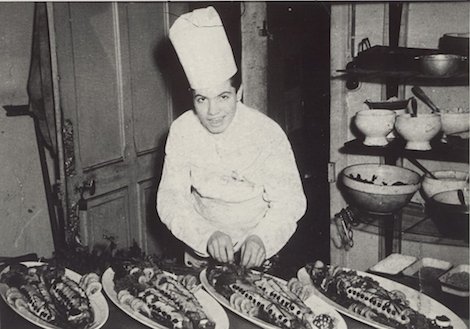
Though the restaurants are gone, many of the recipes remain and I looked up a few that I remember enjoying way back when and was fascinated to find out that the legendary French chef Jacques Pepin once worked at HoJo’s, a time he talks about in his memoir, The Apprentice: My Life in the Kitchen. Pepin, who would make their clam chowder in 3,000-gallon amounts, recreated the recipe for home cooks, saying he makes it “when a bit of Howard Johnson’s nostalgia creeps in.” His contains pancetta which I’m guessing is a substitute for the bacon in the original recipe. He also uses Yukon Gold potatoes and I don’t think that variety was common back in 1929 when Johnson opened his first restaurant.
Jacques Pepin Howard Johnson’s Clam Chowder
5 quahog clams or 10 to 12 large cherrystone clams
4 cups water
4 ounces pancetta or lean, cured pork, cut into 1-inch pieces
(about ¾ cup)
1 tablespoon good olive oil
1 large onion (about 8 ounces), peeled and cut into 1-inch
pieces (1-1/2 cups)
2 teaspoons chopped garlic
1 tablespoon all-purpose flour
2 sprigs fresh thyme
1 pound Yukon Gold potatoes, peeled and cut into ½-inch dice
(2-1/4 cups)
1 cup light cream
1 cup milk
¼ teaspoon freshly ground black pepper
Wash the clams well under cold water, and put them in a saucepan
with 2 cups of the water. Bring to a boil (this will take about 5 minutes), and
boil gently for 10 minutes. Drain off and reserve the cooking liquid, remove
the clams from their shells, and cut the clams into 1/2 –inch pieces (1-1/2
cups). Put the clam pieces in a bowl, then carefully pour the cooking liquid
into another bowl, leaving behind any sediment or dirt. (You should have about
2-1/2 cups of stock.) Set aside the stock and the clams.
Put the pancetta or pork pieces in a large saucepan, and cover
with the remaining 2 cups water. Bring to a boil, and boil for 30 seconds.
Drain the pancetta, and wash it in a sieve under cold water. Rinse the
saucepan, and return the pancetta to the pan with the oil. Place over medium
heat, and cook gently, stirring occasionally, for 7 to 8 minutes. Add the onion
and garlic, and continue cooking, stirring, for 1 minute. Add the flour,
mix it in well, and cook for 10 seconds. Add the reserved stock and the thyme,
and bring to a boil. Then add the potatoes and clams, bring to a boil, cover,
reduce the heat to very low, and cook gently for 2 hours.
At serving time, add the cream, milk, and pepper, bring to a
boil, and serve. (Note: No salt should be needed because of the clam juice and
pancetta, but taste and season to your liking.)
Howard
Johnson’s Fried Clams
1 cup
evaporated milk
1 cup milk
1 egg
1/4 teaspoon
vanilla
Dash salt
and pepper
4 dozen
freshly shucked clams
1 cup cake
flour
1 cup yellow
cornmeal
Oil for
frying
Combine
evaporated milk and whole milk, egg, vanilla, salt, and pepper. Soak clams in
liquid and then dredge in combination of cake flour and cornmeal, fluffing them
in the flour mixture for light but thorough coverage. Shake off excess flour
and fry in oil. Serve with French-fried potatoes, tartar sauce, homemade rolls,
and butter.
Howard
Johnson’s Chicken Croquettes
6 tablespoons
chicken fat (can use butter instead)
1 ¼ cups
flour
2 1/4 quarts
chicken stock. hot
6
tablespoons chopped onions
2 tablespoons
chopped parsley
3 cups bread
crumbs
3 eggs
1 tablespoon
salt
1 teaspoon
black pepper
2 pounds
boneless chicken, finely minced
Sauté onions
in chicken fat but do not brown.
Make a roux
(recipe below). Add hot chicken stock, and add seasonings. Stir constantly
until mixture thickens and is well blended.
Add minced
chicken and chopped parsley. Cook 5 minutes more, then remove from fire and
chill. Scoop and shape into croquettes. Dip in flour, egg wash and bread crumbs
and fry in deep fat until lightly browned on all sides.
These were
served a cream sauce (see recipe below).
Roux
1/4 pound
butter
1 stalk
celery, minced
1 cup
all-purpose flour
Cream Sauce
2
tablespoons butter
3
tablespoons flour
1/4 teaspoon
salt
Dash of
cayenne pepper
1 cup
chicken broth
1/2 cup milk
Melt butter
in pan; stir in flour and seasonings. Cook on low until smooth; stirring
constantly, add broth and milk slowly; to maintain thickness, stir on medium
heat until all milk and broth is added and sauce is thick.
In a heavy
pot, melt butter and then add the minced celery. Stir in the flour and cook for
3 minutes., stirring constantly. Fold in the chicken meat and allow to cool.
Howard
Johnson’s Boston Brown Bread
1 cup unsifted
whole wheat flour
1 cup
unsifted rye flour
1 cup yellow
corn meal
11/2
teaspoon baking soda
11/2
teaspoon salt
3/4 cup
molasses
2 cups
buttermilk
Grease and
flour a 2 quart mold. Combine flours, corn meal, soda ,salt. Stir in molasses,
buttermilk.
Turn into
mold, cover tightly. Place on trivet in deep kettle. Add enough boiling water
to kettle
to come half
way up sides of mold; cover. Steam 3 1/2 hr., or until done. Remove from mold
to cake
Fall
always reminds me of sauerkraut because that’s when my Romanian grandmother
would bring home the large heads of cabbage. Some she would parboil, then peel
the leaves off the core and fill with meat for stuffed cabbage. Others she
would grate into large piles which she would then place in containers to
ferment into sauerkraut. When it had fermented, weeks and weeks later, she
would serve it with stuffed cabbage or a Romanian sausage similar in taste to
Polish sausage. Of course, adding sauerkraut as a topping for a brat in a bun
is common at football games, but my grandmother never served that.
For
all of my enthusiasm for sauerkraut, I never realized it was considered a super
healthy food until recently. Reading a WebMD article, I learned sauerkraut
contains much more lactobacillus than yogurt, making it a superior source of
this important probiotic. A few bites of sauerkraut everyday are said to help
those with ulcerative colitis and irritable bowel syndrome. The healthy aspects
of sauerkraut are due to the fermentation process which is thought to create
certain plant compounds that might destroy precancerous cells. It’s also low on
calories though when you use it in a Rueben or grilled cheese sandwich, it
isn’t exactly a low calorie meal.
There
are caveats to buying sauerkraut and one is to make sure that it isn’t
pasteurized because that destroys the benefits of fermentation.
. Discovering all this positive sauerkraut information was surprising. And so was finding out that it no longer is just an old fashioned Eastern European or German dish. Cleveland Kraut from Cleveland Kitchen, a relatively new company named by USA Today as one of their top ten best new health foods, sells a variety of sauerkraut in flavors such as Whiskey Dill, Roasted Garlic, Classic Caraway, Curry and Beet Red. Their Gnar Gnar--a spicy mixture of green cabbage, green bell peppers, jalapenos, kosher salt, leeks, Sriracha, garlic and red chili, is similar to kimchi, the fermented Korean condiments which can range in heat from mild to fiery hot. If you want to mix it up, there’s their Variety Pack.
Cleveland Kraut, which comes in pouches, is best eaten raw. It’s crunchy and tasty. Once cooked, the heat destroys the probiotic value though it still retains its other healthy benefits. That’s one reason why canned sauerkraut doesn’t have as many health sauerkraut benefits.
The
following recipes are from clevelandkraut.com
Classic Reuben
2
slices rye or sourdough bread
4-6
ounces corned beef
2
slices of Swiss cheese
1/4
cup Whiskey Dill kraut
Thousand
Island Dressing (to use either in the sandwich or as a dip)
Assemble the first three ingredients (bread, beef,
cheese) and toast open faced in a 350 degree oven to melt the cheese. Top with
kraut and other slice of bread (and Thousand Island if you are using it in your
sandwich).
Chili con Carne with Roasted Garlic Sauerkraut
1
tablespoon olive oil
1
medium yellow onion diced
2
cups Roasted Garlic Kraut
1
pound 90% lean ground beef
3
tablespoons chili powder
2
tablespoons tomato paste
1
1/2 teaspoons salt
1/2
teaspoon ground black pepper
1/4
teaspoon ground cayenne pepper
1
1/2 cup beef broth
1
15 ounces can petite diced tomatoes
1
16 ounces can red kidney beans, drained and rinsed
1
8 ounces can tomato sauce
Optional
toppings:
Diced
parsley or cilantro
Sour
cream
Shredded
cheddar cheese
Add the olive oil into a large pot and place it
over medium-high heat for 2 minutes. Add the onion and the Roasted Garlic
Kraut. Cook for 5 minutes, stirring occasionally.
Add the ground beef to the pot. Cook for another
6-7 minutes, stirring occasionally.
Add the chili powder, tomato paste, salt, pepper,
and cayenne. Stir until well mixed.
Add the broth, diced tomatoes, drained kidney
beans, and tomato sauce. Stir well.
Bring the mixture to boil. Then, reduce the heat
to low / medium-low and gently simmer the chili uncovered for 20-25 minutes
stirring occasionally.
Remove the pot from the heat. Let the chili rest
for 5-10 minutes before serving.
Before I was asked by USA’s 10Best team to suggest the 20 best places for Coney Dogs in the state of Michigan, I had thought Coney dog toppings were made with a mixture of ground beef, some type of tomato base and a bunch of spices and herbs.
Virginia Coney Island Jackson, MI
I also knew, despite the name Coney, they didn’t originate at Coney Island Amusement Park in Brooklyn, New York but instead in Detroit having first shown up on Michigan menus in the early 1900s. Indeed, many of the most famous Coney dog places including Virginia Coney Island in Jackson which opened in 1914, Muskegon’s G&L Chili Dogs (1926), Coney Island Kalamazoo (1915) and Detroit’s American Coney Island (1917) and Lafayette Coney Island (1917) date back a century ago. I also had a vague knowledge that the originators of the Coney Island-style hot dog were Greek immigrants.
What I didn’t know is
that the sauce (that’s what they call the Coney Island topping) often contains
ground beef hearts and indeed, a large portion of beef hearts sold for human
consumption in Michigan go for Coneys. I guess with all the other ingredients,
the beef hearts aren’t that noticeable.
My friend Susan
Pollock, who like me is a food and travel writer, was also asked to make
suggestions. It wasn’t the first time we’d been asked by USA10Best. In 2017 they
asked us, along with a few other writers, to make suggestions for Michigan’s
Best Destinations. Once we make suggestions, then they’re put up for an online
vote reader who get to vote for their favorites.
I thought it would be fun to include a
few recipes of the winning types of Coney dogs. Surprisingly, for a dish this
simple, there are a myriad of recipes some with ground beef heart. Even in the
ones that call for beef heart, ground beef can be substituted
Coney Dogs for Thanksgiving
Dog N’ Suds Coney Dog
I pound ground beef
2
tablespoons ground mustard
2
tablespoons granulated sugar
1
teaspoon Worcestershire sauce
⁄1/4
teaspoon Tabasco sauce
1
small onion, chopped
2
tablespoons vinegar
1
tablespoon water
¼
teaspoon celery seed
ketchup,
as needed
In a salted skillet, brown ground beef with onion
over medium heat, breaking up meat with a fork to crumble it fine.
Drain off fat. Add remaining ingredients, except
catsup.
Mix well, then add enough catsup to keep mixture
loose.
Simmer, partially covered, 1 hour, adding catsup
as needed.
Detroit-Style Coney Island Hot Dog
For the Coney Sauce:
1
pound ground beef
1
large onion, chopped
3
cloves garlic, minced
1
6 ounce can tomato paste
2
cups water
2
teaspoons light brown sugar
1
tablespoon prepared yellow mustard
1
tablespoon dried onion flakes
2
teaspoons chili powder
1
teaspoon Worcestershire sauce
1
teaspoon salt
½
teaspoon celery seed
½
teaspoon ground cumin
¼
teaspoon ground black pepper
For each hot dog:
1
hot dog bun, warmed
1
natural-casing beef and pork hot dog, grilled or boiled
Squeeze
of yellow mustard
2
tablespoons white onion, diced
In a large skillet over medium heat, brown ground
beef. Use a potato masher to break beef up into the smallest chunks possible.
Halfway through cooking, add onions, and cook until onions begin to turn
translucent. Add garlic, stir to combine, and cook for an additional minute.
Add remaining ingredients and stir well. Simmer
uncovered for 15 minutes, or until sauce thickens. If sauce seems too “chunky,”
transfer to a food processor and pulse in short one second bursts until chili
reaches desired consistency.
To serve, place a cooked hot dog on top of a
steamed or heated bun. Ladle with a big coop of chili, and finish with yellow
mustard and chopped onions.
Makes:12 Coney Dogs. The chili sauce freezes well,
so make extra.
Detroit Coney Dog
The hot dog
6
pork and beef blended frankfurters with natural casings
6
hot dog buns
1
white onion, chopped ne
Yellow
ballpark mustard
The Coney sauce
1
pound ground chuck
1/2
pound ground beef heart
3
tablespoons all-purpose flour
1
large onion, chopped
1
red bell pepper, chopped
3
cloves garlic, minced
4
teaspoons American chili powder
1
teaspoon paprika
1
teaspoon ground cumin
1
teaspoon dried oregano
1
teaspoon kosher salt
1/2
teaspoon ground black pepper
1.5
cups chicken or beef broth
4
ounces tomato paste
2
teaspoons cider vinegar
1/2
teaspoon hot pepper sauce
In a small bowl, mix the American chili powder,
paprika, cumin, oregano, salt, and pepper.
Cook. In a large skillet over medium-high heat,
cook the ground beef and beef heart for 5 minutes or until brown. Crumble it as
it cooks so it is brown all over.
Pour the meat into a strainer and drain the fat
into a small saucepan. Discard all but 3 tablespoons of fat. Whisk the fat and flour
together over medium heat. Cook, stirring frequently, until it turns amber,
about 15 minutes. Then whisk in the chicken stock, tomato paste, and vinegar.
Let it sit on low a few minutes on low while you handle the next few steps.
Add the onion, garlic, and red bell pepper to the
ground meat in the skillet and cook for another 5 minutes.
Push everything aside and add the spices and cook
in contact with the bottom of the pan for 2 minutes, stirring so the spices don’t
stick to the bottom. Then mix them in with the meat.
Add the roux mix ingredients and stir it in.
Simmer for at least 15 minutes, an hour is better.
Pour 1/3 the mix into your blender and puree it
until it is pasty, and mix it back in. If you prefer you can use a stick
blender to get the mix thick.
Split the frank down the middle but don’t cut it
in half. Brown the meat.
Steam the bun. Put the frank on the bun, split
side up. Squirt a line of mu
Jackson Coney Sauce
1
½ pounds ground beef heart
1
tablespoon vegetable oil
2
teaspoons garlic salt
2
t4easpoons chili powder
2
t4easpoons cumin powder
2
teaspoons paprika
Brown meat in oil, add spices and enough water to
moister mixture. Simmer, stirring occasionally until mixture is somewhat dry,
bring careful not to allow it to dry completely and it burns. Spoon on top of
hot dog and top with chopped onions and mustard.
Jane Ammeson can be contacted via email at
janeammeson@gmail.com
Two
couples meet when the husbands are hired to serve at the historic Third
Presbyterian Church in New York City’s Greenwich Village. Charles Barrett and
James MacNally both have a calling, but they have little else in common, having
come from vastly different backgrounds. Their wives differ as well. Lily met
Charles when they were both in college and immediately told him she was an
atheist. Instead of being the helpmate of a minister, she moves in academic and
activist circles. Nan, who is married to James, is the opposite—perfectly content
to support her husband’s career and finding comfort in religion.
Thus, Cara Wall, in her debut novel, The Dearly Beloved, writes about the two couples as they move through the tumultuous time of a changing world of the 1960s. It’s also about the relationship between husbands and wives and those they encounter in their lives. The phrase “The Dearly Beloved” is part of the Christian marriage liturgy.
Wall,
who spent 15 years writing the novel which has received great reviews, grew up
going to First Presbyterian Church.
“It was a very liberal church for the time in
New York City and it was a very community based church,” she says, describing
how she developed her plot. “We did have two pastors and they were not
difficult characters to place.”
Indeed, Wall, a
graduate of the Iowa Writer’s Workshop and Stanford University, says that the
characters came to her first, already pretty much fully formed. And though they’re
ministers, Wall says it’s not a story about men of faith discussing how to be
good Christians.
“That’s not what
interests me,” she says, noting the book also explores the challenges of
raising children and making marriages work. “The biggest misconception about churches is
that everyone gets along but that is not true. A church is like a co-op building–it has a
board and voting members. It’s a hierarchy, which causes power struggles. For
every member, church is one of the most important places in their lives, which
means they’re intensely invested in how it’s run.”
Ifyougo:
What:
Cara Wall book signing
When:
Thursday, September 26 at 7 p.m.
Where:
Anderson’s Bookshop Naperville, 123 W Jefferson Ave, Naperville, IL
Cost: This event is free and open to the public. To join the signing line, please purchase Wall’s book from Anderson’s Bookshop. To purchase please stop into or call Anderson’s Bookshop Naperville (630) 355-2665 or order online: andersonsbookshop.com
Pistachio
green in color with a powder-like coating that dusts the fingers when touched,
tung gwa, sufed kaddu, togan and fak—the names of this squash vary depending
upon what Asian country you’re in— aren’t typically found at American farm markets.
But winter or ash melons, as they’re called in the U.S., are also available at the St. Joseph Farmers Market. Grown by Vedette Cordis and her mother Virginia Palis at the family orchard and farm on Tabor Road in Sodus, Michigan and sold along with their large assortment of produce, the large globes which vary in size and can weigh up to 70 or so pounds, are great for soup and stir-fry.
Cordes
planted winter melon after being contacted by Ron Goldy, Michigan State
University Extension Senior Educator who works with the vegetable industry and
is stationed at the Southwest Michigan Research and Extension Center.
“A
couple of years ago Ron called and asked if we would plant winter melons to see
if they could grow around here,” says Cordes, noting that the third generation
family farm, founded by her grandparents Adelia and Anthony Vilutis in 1929, is
near the extension office.
“Part of my responsibility is to look at what is growing here and isn’t being grown here,” says Goldy, noting that with the increasing Asian population in the U.S. it’s important to grow produce for that segment of the market. “I work with Vedette as a test marketer because she’s into growing different things.”
Goldy
says that the quality of winter melon, so named because they have a long life
and can last through most of the winter, harvested in Southwest Michigan is
much better what’s imported from other produce areas in the country.
“I like to make winter melon soup in the winter,” says Virginia Palis who can be found at the St. Joseph Farmers Market along with her daughter.
“They’re
like noodles,” says Goldy. “They don’t have any flavor and take on the taste of
what you cook them with.”
Palis
likes to add chopped red peppers chicken or ham and either cilantro or parsley.
It’s important, she says, not to overcook the squash because then they get
mushy.
“The
idea is to cook them quickly,” says Goldy. “If you’re stir frying, add them at
the end after you’ve cooked the meat.”
The
fine dust on the winter melon is a wax, says Goldy, and indicates that squash
has ripened. It’s ashen-like look is one reason why the squash is also known as
ash melon. Cordes notes that many people think of it as a winter squash because
of its thick skin but it’s more like summer squash—think zucchini.
The
winter melon seeds Cordes planted prospered and she is currently harvesting
what she calls “monsters” including one that weighs 70 pounds.
With
a cooler filled with over-sized winter melons, Cordes says she’s expanding her
markets. Reasoning that because it’s used frequently in ethnic restaurants, she
and her mom loaded up their truck and drove to Chicago’s Chinatown.
Carrying
several winter melons, they walked down the streets, stopping in at Chinese
markets and restaurants. But there was a problem with that sales method. None of the chefs and storekeepers they approached
spoke English and their Mandarin is nil.
Exhausted
but unwilling to give up, Cordes hailed down an UPS driver making deliveries
and shared her story. He suggested she talk to someone at the Chinatown Chamber
of Commerce which she did. They were able to help explain to the Asian
shopkeepers and restaurateurs why two
ladies from Southwest Michigan were coming into their businesses carrying
winter melons. Now Cordes makes regular deliveries to the city when time
permits.
But
winter melons aren’t the only ethnic crop mother and daughter raise. Ordering
cucuzza seeds, Cordes had also had success growing these long snake shaped
squash, also known by the less than appetizing name as snake gourds.
“We had an Italian woman get so excited that we had them,” says Palis.
“A
few weeks ago a man bought one—he and his wife were celebrating their 50th
wedding anniversary–and he walked around the market with it wrapped around his
neck,” says Cordes, leaving us to wonder if the man was making a non-verbal
statement about marriage choking the life out of him or the much more positive
one of being linked happily together for half century. But then he might have
just been having fun.
Sidebar:
Making Winter Melon Soup
“It’s simple to make,” Virginia Palis told me, giving instructions on how to peel, slice and de-seed it in the way you would a watermelon. They’re actually quite pretty, I thought as I carried it in my house, if a little prickly in spots (“we have to wear gloves to pick them,” Pallas told me) and though the ash rubs off, it just feels a little dusty and easily washes off.
Heaving
it on the counter, I got out my largest, sharpest knife and started cutting. It
was easy, just as Pallas said, and no more difficult than slicing a watermelon.
If a 20 pound melon sounds like a lot for soup, I found that once the seeds and
rind are discarded there was a lot less than I’d expected.
Cordes
had told me that before winter melons ripen, they taste sweet but since this
one was definitely ripe, the taste was bland, like a raw potato only less firm.
Once I’d chopped it up, I placed it in a large pot, added enough chicken stock
to cover, tossed in some diced roasted chicken and celery along with chopped
red and orange sweet peppers. I simmered
the concoction for about 30 minutes and voila, winter melon soup. The squash,
when cooked, has an almost sweet delicate flavor—very tasty I thought.
Because
it was compared to watermelon and since I had some fresh feta cheese made by
Kelsey Cleary of Niles, who raises goats and makes a variety of cheeses from
their milk, I’d set aside about a cup of the chopped uncooked squash to experiment–making
a salad that typically calls for watermelon using feta, Kalamata olives, mint,
sweet onion, olive oil and lemon juice. Since
this was spur of the moment, I didn’t have any Kalamatas and didn’t want to run
out to the store, so I substituted green Cerignola olives which I’d earlier this
fall I’d packed into an old Mason Jar and covered with olive oil so they’d
keep. For a little more color, I chopped
up a tomato and tossed that in as well. The recipe called for Tabasco, which I
didn’t have but a dash of Siracha for heat worked. The result is an adaptation
of Jacques Pepin’s Watermelon Salad which I unimaginably renamed.
Winter Melon Salad
3 tablespoons fresh lemon juice
2
teaspoons kosher salt
1
teaspoon or less Siracha, depending on how hot you want it
1/2
teaspoon freshly ground pepper
One
8-pound winter melon, cut into 1 1/2-inch chunks (10 cups), chilled
1/2
pound feta cheese, crumbled (2 cups)
1
1/4 cups pitted Kalamata or other type of premium olives, coarsely chopped
(optional)
1
small sweet onion, cut into 1/2-inch dice
1
cup coarsely chopped mint leaves
In a large bowl, whisk the oil,
lemon juice, salt, Tabasco and pepper.
Add the watermelon, feta, olives and
onion and toss gently.
Garnish with the mint and serve.
Virginia
Pallas’s Winter Melon Soup Recipe
Winter
melon, cut and peeled
Chicken
stock to cover
1
sweet red pepper, diced
Ham
or chicken breast, diced
Stalk
of celery, diced
Parsley
or cilantro, about two tablespoons, minced
Salt
and pepper to taste
In a large pot, places winter melon
and cover with chicken stock. Bring to a simmer. Add other ingredients and cook
until ingredients are tender.
Serve.
Recipes:
Vedette Cordes’s Fried Cucuzza
½
cup vegetable oil or extra virgin olive oil
1
cucuzza, peeled
1tablespoon
corn meal
4
tablespoons flour
½ teaspoon
chili powder
¼ teaspoon
salt
¼ teaspoon
pepper
3
tablespoons water
Pour vegetable oil or extra virgin
olive oil into a skillet and heat to medium high.
Slice cucuzza into thin rounds. Mix
remaining ingredients into a batter (adding more water if needed). Dip cucuzza
rounds into batter, coating on both sides. Place in hot oil and cook until
golden brown on both sides.
Serve.
Stir-Fried
Winter Melon
Adapted from
Melissaproduce.com
1 pound winter melon
1 tablespoon vegetable oil
1/2 teaspoon minced garlic
1/2 teaspoon ginger root – minced
1 small organic carrot – cut into 1/2
cubes
1/4 cup vegetable broth
1 can straw mushrooms (15 ounces)
drained
1/4 pound mushrooms cut into quarters
1 tablespoon dark soy sauce
1 tablespoon soy sauce
1/2 teaspoon sesame oil
2 organic green onions including tops,
cut into 1/2 pieces
2 teaspoons cornstarch
4 teaspoons water
Remove skin
and seeds from the winter melon. Cut flesh into 1/2 cubes. Place a wok or wide
frying pan over high heat until hot.
Add
vegetable oil, swirling to coat sides. Add garlic and ginger and cook, stirring
until fragrant, about 5 seconds.
Add winter
melon and carrot and cook for 30 seconds. Add broth. Cover and cook for 2
minutes.
Add straw
mushrooms and fresh mushrooms and cook for 4 minutes or until carrot is
crisp-tender.
Add soy
sauces, sesame oil, and green onions, and cook for 30 seconds.
Mix
cornstarch with water Add cornstarch solution and cook, stirring, until sauce
boils and thickens.
Chef Note:
I used both
regular and dark soy sauce for the balance of flavors.
For those interested in heirloom foods with genetic modification, this years National Heirloom Expo held in lovely Santa Rosa.
The World’s Pure Food Fair
(Santa Rosa, Calif.) The National Heirloom Expo is an annual gathering in Santa Rosa, California of gardeners, food activists, farmers, chefs and food organizations from around the globe who come together to share best practices, showcase products and provide tastings. Featuring the largest display of heritage produce, the Expo now focuses on the preservation of heirloom foods without GMOs. Media access, interviews, photos and additional information are available.
When: September 10-12, 2019; 9:00 a.m. to 9:00 p.m.
Tickets: One day $15, or three day pass $30 (purchased at the gate).
More than 100 nationally and internationally renowned speakers fill three presentation halls with panel discussions and seminars.The fairground and pavilion aisles are filled with pure food enthusiasts, talented home gardeners, farmers, garden artists, school groups, and leaders in the food industry throughout this magnificent event in Santa Rosa, California.
The National Heirloom Expo has always been and continues to be a not-for-profit event with net proceeds being donated to local schools and educational garden projects.
Get a taste of Santa Rosa’s rich 150-history and rotating art exhibits (modern too!) featuring local, national, and international artists at the Museums of Sonoma County.
Located just a short walk from downtown Healdsburg’s town square, Breathless Sparkling Winesis a family affair, built by the love of three sisters, and passion for life passed down to them.
Enjoy a date night or gather with friends in the cool, casual setting at The Jade Room, the new bubbles, wine, and small plates spot in Santa Rosa. It features local wines as well as a rotating selection of wines from around the world, a stellar champagne list, and six taps of craft beer.
One-Of-A-Kind-Trips
Getaway Adventures is a premier outdoor adventure tour operator in Sonoma County Wine Country, offering guided biking, hiking and kayaking tours.
List of Hotel Partners:
Flamingo Conference Resort & Spa, is as renowned today as a romantic Wine Country destination with links to Hollywood and Las Vegas glamour, as when it opened with a society- packed gala in 1957. Modern amenities, merged with the alluring ambiance of a 1950s summer resort, have ensured its continuing reputation as a society hotspot.
Reference the group: National Heirloom Exposition when booking your reservation.
The Sandman, has the convenience of a roadside inn and the character of a vibrant Wine Country hotel. The Sandman invites guests to experience the best of Sonoma County. Within our walls, you can be certain of the following: the art is local, the service is warm, and the amenities are thoughtful.
Use promo code: G-HEIRLOOM19 when booking your reservation.
Hyatt Regency Sonoma Wine Country, immerses yourself in Sonoma’s riches: fine food and wine, creative activities, and natural wonders. A short drive from vineyards, redwoods, and the beaches of Bodega Bay, our 8-acre retreat captures the rustic feel of a winery filled with local art. Don’t miss Santa Rosa’s Charles M. Schulz Museum and Research Center, and historic Railroad Square.
Ask about the Good Neighborhood rate when booking your reservation.
Hotel E, a Greystone Luxury Boutique Hotel in Downtown Santa Rosa’s Courthouse Square. Tucked away between the Mayacamas and the Sonoma Mountains, Hotel E offers casual elegance in the urban heart of the Santa Rosa. The brand new, four-star boutique hotel is ideally situated in the iconic beaux-arts building on the recently restored Old Courthouse Square in downtown Santa Rosa. Hotel E is within easy walking distance to all that downtown Santa Rosa has to offer!
Some Santa Rosa Restaurant Partners:
John Ash & Co. for Sonoma restaurant fine dining at its best. Today, John Ash & Co. remains an icon for a romantic, fine dining restaurant with Executive Chef Thomas Schmidt continuing the standards of cooking excellence enjoyed by locals and guests alike. Chef Tom’s extensive wine knowledge provides the perfect foundation for creating innovative recipes that complement the restaurant’s extensive, award-winning wine list. Open for dinner every evening starting at 5:00 pm.
TIPS Roadside, you’ll feel the love for the community, passion for food, and the comfort of home when you walk through their door. Open everyday except for Tuesday, for brunch, lunch and dinner.
Drake’s Sonoma Coast, celebrates the local bounty of Sonoma’s spectacular coastal region. The Executive Chef excels in finding local, sustainably sourced ingredients, to prepare a menu that delights the senses. A large stone fireplace imbues a warm, casual ambiance, offset by panoramic views of Bodega Bay and the Pacific Ocean. Savor wines from the most exciting boutique vineyards in the Sonoma County, local craft beers and signature cocktails expertly mixed with a twist. Drakes is located at the Bodega Bay Lodge but is not exclusive to hotel guests. Open to the public for breakfast and dinner, Drakes is the perfect place to start or finish your day.
When I first met Jeannee Yermakoff she was writing A
Global Garnish: A Traveling Chef Shares Food and Fundamentals, a very
pretty and informative blog with wonderful photos and a wide range of recipes
based on her travels, her upbringing, her culinary school training, working at Vie,
named one of Chicago’s 50 best restaurants by Chicago magazine and running a
catering company and teaching cooking. And then she stopped. Got too busy. And
I really missed it. Well, I’m happy to say that Jeannee ,who has a home off
Blue Star Highway in Coloma, is back to posting on her blog.
Because
she’s a scientist—Jeannee has a Ph.D. in toxicology and worked at British
Petroleum before entering the food world–the contents of A Global Garnish are
very well organized with category lists of her blog posts starting with country
(there’s a long list here of places she’s visited including Thailand, Denmark,
Norway, France, Greece, Peru, Cuba and Morocco), menu types—Dinner Buffet,
Holiday, Do-Ahead and recipe categories.
Jeannee’s
grandfather immigrated from Belarus (once called by its Russian name of Belorussia) which according to
Wikipedia is a landlocked country in Eastern Europe known for its Stalinist
architecture, grand fortifications and primeval forests. In several of her
posts Jeannee discusses shares both stories of her grandfather including his
decision to immigrate to the United States when it became apparent the Bolsheviks
(the precursors to the Communist Party of the Soviet Union) were taking over before
World War I as well as his love of his native foods.
“His Belarusian Borscht is one of
my favorites among his recipes,” she writes. “It is different from a
traditional Borscht, which uses beef rather than pork as a base. It also has a bit more sweet/sour than many
versions of this soup, which gives it a nice kick. And, instead of tomatoes or tomato paste, he
substituted his all-time favorite ingredient: ketchup. This is definitely not traditional, but I
think Grandfather Simon so loved the U.S. that he preferred anything that he
viewed as American – even ketchup in his Borscht.”
Welcome back, Jeannee. Now if only
you’ll write that cookbook you’ve been talking about.
Since beets are in season, I’m
sharing her grandfather’s recipe—which Jeannee tweaked a little–as well as
another of his favorites.
My Grandfather’s Belarusian Borscht
3 pounds
pork ribs, baby backs
Salt
Pepper
2
tablespoons oil, olive
1 onion, cut
in quarters
10 cups
water
1 1/2 pounds
beets
3/4 pound
carrots
1 1/2 pounds
cabbage, green or savoy, about 1/2 large head
3 cloves
garlic
3
tablespoons sugar, brown
2 teaspoons
salt
1 teaspoon
pepper
1 tablespoon
dill, chopped, packed
6
tablespoons vinegar, cider
3
tablespoons ketchup
2 cups sour
cream
Salt, if
needed
Pepper, if
needed
Cut pork spareribs into 3-bone pieces. Salt and pepper the meat generously. Heat 2 tablespoons
olive oil in large Dutch oven and sear meat.
Add onion, cut in half. Add enough
water to cover bones/onion, about 10 cups.
Bring to a boil and reduce to a simmer. Within a few minutes, skim any foam that
rises to the surface. Let simmer for
about 2 hours or until the meat is fork tender.
Leave uncovered.
While meat is cooking, prepare vegetables. Peel and dice beets and carrots. I use a large dice as this is a rustic
soup. Chop cabbage into pieces about the
same size as the beet dice. Slice
garlic thin.
(Reserve beet greens for another use. Cook as you would cook spinach. They make a great omelet; just sauté them
with onions and add to an omelet along with a bit of sharp cheese.)
Strain the stock, reserving the broth. Discard onions. Discard bones. If desired, you can remove
meat from bones and add it to the stock. However, this is not essential as most
of the meat flavor/nutrients has already been introduced into the stock. Also, I prefer the texture of the soup
without the meat.
Place reserved stock in a clean stock pot. You will likely
have less than 10 cups of liquid now unless you have added to the pot during
cooking. Replenish up to 8 cups as
needed with water. Add vegetables
(beets, carrots, cabbage, garlic), salt, pepper and brown sugar to stock. Cook uncovered about 45 minutes or until
vegetables are just tender. Exact timing
will depend on how large you have diced your vegetables.
Season soup with dill, vinegar and ketchup. Cook an additional 10 minutes.
Adjust seasoning with salt and pepper. Add additional sugar or vinegar if needed to
balance the sweet/sour taste to your liking.
Serve with sour cream.
DO-AHEAD DIRECTIONS:
This entire soup can be made a day ahead of time and refrigerated. If can also be made ahead and frozen. However, the texture of the vegetables will
be best if simply refrigerated rather than frozen.
Draniki
(Potato
Pancakes)
Yield: About 8 pancakes
2 pounds
potatoes, russet, or about 6 potatoes
1 medium
onion
2 cloves
garlic, finely minced
1 teaspoon
salt, or to taste
1/4 teaspoon
pepper, black, or to taste
1 egg
Oil, canola,
for frying
Peel and finely grate potatoes. Draniki are best made by grating by hand with
a fine grater. Alternatively, a VERY
fine food-processor blade may be used.
Place in mixing bowl.
As the potato will begin to brown once exposed to oxygen, work quickly
to minimize browning.
Peel and grate onions and add to bowl; peel and mince garlic
and add to bowl.
Add salt and pepper to taste. Beat egg and mix in the potato batter.
Drain excess water from the batter by letting the batter sit
in a colander lined with cheesecloth or paper towels or by draining in a fine
sieve. Drain only for a few minutes.
Removing too much water will make your batter too thick.
Heat oil in heavy frying pan. When hot, drop spoonfuls of batter into pan.
Cook until edges are just beginning to turn golden and turn
pancakes. Cook on the second side until
golden brown.
Draniki are best served in the traditional Belarus manner —
with sour cream.
They may also be stuffed with meat (pork) or mushroom or
served with a bit of Kielbasa on the side.
While my cousin tells me that it is not traditional in Belarus, my
Grandfather liked his draniki with a bit of horseradish added to the sour cream
— a nice little taste surprise.
Is
there anything better than fair food? That smorgasbord of fantastical edibles
covering a full spectrum of taste treats, ethnic edibles and sweets and high-end
edibles. And, of course, those classics such as elephant ears and cotton candy—which
by the way when it was first served at the 1904 World’s Fair in St. Louis was
called Fairy Floss.
Two Buccaneers at the Berrien County Youth Fair
Like
so many things that turn out not to be true, Fairy Floss wasn’t new that year.
Its origins go further back to the spun sugar made in medieval times. The modern
version, created in 1897 by William Morrison, a dentist and John C. Wharton, a confectioner.
It was the fair that made it a wild success with customers buying 68,655 boxes of
Fairy Floss at 25-cents each or about $7.20 in today’s money. With the invention
of a similar machine in 1921 that made the same product under the name cotton
candy, the name Fairy Floss soon became obsolete.
Wagner’s Good Dips Ice Cream Nachos at the BCYF
The 1904 World’s Fair
was also credited with the introduction of iced tea, hamburgers, hot dogs, ice
cream cones, club sandwiches and peanut butter, all of which originated
somewhere else. But all caught on with the 20 million or so people who were in
attendance, becoming everyday foods. Even Cottolene, a lard substitute made
with beef suet and cotton seed oil said to have first appeared at the fair
wasn’t. Invented in 1867, it was on its way out by the early 20th century. All
we can say is that we’re really happy about that.
Corn
dogs, now a staple at fairs, were patented by Stanley Jenkins of Buffalo, New
York in 1920. Funnel cakes, which like Fairy Floss date back to medieval
Europe, went mainstream at the Kutztown Festival in 1955. “Chicken Charlie Boghosian
dipped an Oreo in sweet pancake batter then popped it in a deep fryer at the 2002
Los Angeles County Fair. Pleased with his success, Boghosian moved on to make deep-fried
Twinkies, avocados, bacon wrapped pickles, zucchini weenie (a turkey frank
stuffed inside a hollowed-out zucchini dipped in corn dog batter and fried),
Krispy Kreme ice cream chicken breast (a raspberry filled donut, sliced in
half, packed with a seasoned chicken breast and topped with honey sauce) and
fried Kool-Aid and a bunch of other caloric and cholesterol loaded fair foods.
Rosie’s Sweet Stuff Caramel Apples made with local apples from Bixby Orchards
Since then, fair
food makers seem to take treats to a new level each summer (think Deep Fried
Coke) but for several decades the outlandish concoctions seemed to stall out.
An August 14, 1990 edition of the Herald Palladium talked about such delicious
offerings at the Berrien County Youth Fair, listing yummy but well known corn
dogs, snow cones, cotton candy and elephant ears. Also available in 1990 were hamburgers,
onion rings, ice cream, frozen yogurt and even egg rolls.
To me, the
best fair food offerings are those that are comforting—what’s better than a caramel
apple or Italian sausage sandwich with peppers and onions to the much more
unique—think the Mexican Street Corn which has a special sauce made of
mayonnaise, sour cream, garlic, cilantro and lime juice sprinkled with cotija,
a type of Mexican cheese, the most popular dish served at the Two Buccaneers Corn Truck at the BCYF. The
coolest new food—frozen shaved cream with a variety of toppings at the Hawaiian
Ice & Creamery truck is not to be missed nor are the ice cream nachos– a
scoop of ice cream, a sundae topping of choice, whipped cream and cherry—created
by the owners of Wagner’s Good Dips.
Wagner’s Good Dips
These are just
a few of the many wonderful offerings at this year’s Berrien County Youth Fair
where there are more than 55 food vendors on hand, meaning there’s something
for everyone.
Comfort foods are what’s on the menu at
the Portage Prairie United Methodist Church, which has been at the BCYF for 71
years, making them one of the oldest vendors there. Their menu includes sloppy
joes, hot dogs, chicken wraps, salads, homemade pies and ice creams along with
sun tea, soft drinks, water and coffee.
Rosie’s Sweet Shack, housed in one of
approximately six buildings on site at the fair, opened one year after the fair
started 74 years ago.
“My great uncle’s last name was Rose,”
says Michele Pierce, now the owner, with her husband Bill, of the business which
is just open at fair time. It’s still a family thing with Don Rose’s daughter,
Gerry Pendergrass still helping during fair week.
“We sell snow cones, popcorn, cotton
candy, caramel apples—our apples are picked fresh each day by Bixby Orchards in
Berrien Springs, cotton candy—which we still make and sell on the stick not in
a bag and water,” says Pierce. “Our boys complete each year to make the biggest
cotton candy. Sometimes they make them so big that the kids who buy it can
barely be seen while they’re eating it.”
They go through approximately five
bushels of apples a day.
“We have 48 pounds of caramel going all
the time,” she says. “People come back year after year for our caramel apples.”
Two Buccaneers, a play on the words “two
bucks an ear,” the Harris family of Baroda will again be steering their corn
boat to the BCYF this year. Owners Teri and Craig Harris and their daughters
Abby, 18, and Mia, 15 will be helping, something they’ve been doing since they
were six and four. Helping them since the beginning is their niece Kayla
Harris.
“In the past we’ve only done the Berrien
County Youth Fair,” says Teri Harris, noting she and her husband have full time
jobs. “This year, our daughters wanted to do the Cass County Fair too, so we
let them.”
The family sells all sorts of corn
including corn on the cob, Nibble Its—which our corn off the cob and elite—corn
with mayonnaise, lime and chili powder.
“We’ll also have a new corn offering
this year,” says Harris. “My husband also created El Chupacabra, corn with a
spicy sauce of mayonnaise, sour cream, garlic and Sriracha sauce, spicy red
pepper and crushed Fiery Hot Cheetos.”
Harris
says they decided to start Two Buccaneers after the death of her husband’s
brother.
“They’d
always gone to the fair as kids and showed rabbits,” she says. “And my husband
always dreamed of having a food truck, he thought it would be fun. Then when
his brother died, he felt he really need to do it—that life was too short, and
you never know what might happen.”
When
they decided to start the Two Buccaneers, they started off with a 30-foot boat
and hacked of 10 feet of it, hollowed out the middle of it, built a floor and
attached it to a trailer. When they’re at the fair, they place two large grills
along side the boat and roast corn all day long.
Their
corn comes from Hollywood Farms located on Hollywood Road north of Hinchman
Road. Owner by Don and Donna Evans, Harris says they bring a trailer full of
bushels of corn freshly picked for them each day.
“I
tell people the week of fair is the hardest, longest week of the year,” says
Harris. “It’s also the most fun.”
Wagner’s
Good Dips offers regular and deluxe waffles—the latter are dipped in chocolate
and rolled in either peanuts or sprinkles, three types of floats—root beer, orange
crush and Boston Coolers, a classic Detroit drink made with Vernors Ginger Ale and
shakes out of any of the Hudsonville ice cream flavors they sell.
“We
also have hot fudge brownie sundaes, a waffle bowl, and a banana split,” says
Denise Wagner who says that their original white trailer (they purchased a
yellow one three years ago to be able to hit all the fair and festival
circuits) will be at this year’s BCYF which is their seventh at the fair.
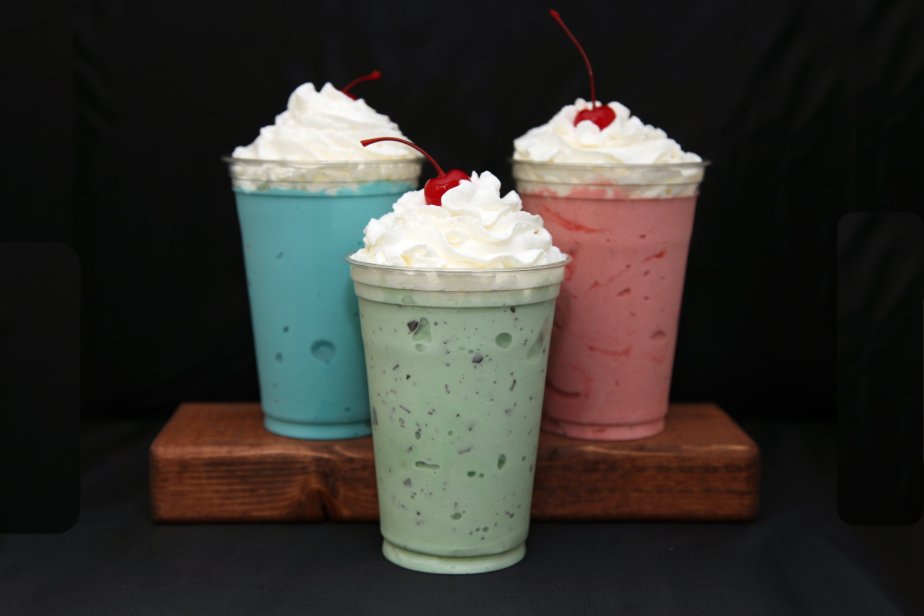
“We offer 14 flavors. Mint Chocolate Chip,
Deer Traxx, Cookies n Cream, Grand Traverse Cherry Fudge and Blue Moon are just
a few of the flavors,” she says. “Our sundae toppings include hot fudge (some
of the best around, we’re told), caramel, strawberry, pineapple and chocolate
syrup. We make shakes, malts, floats (root beer, orange crush, and Boston
Coolers), and banana splits.”
Best selling Burrito Loco El Amigo Pepe
They
also offer shaved ice with a choice of up to 3 of 13 different flavorings, the
most popular being Blue Raspberry. We can even make it ‘Hawaiian style’ with a
scoop of ice cream at the bottom of the cup.
“And
lastly, we have raw cookie dough,” continues Wagner. “It’s egg free and the
flour is super-heated so it’s safe to eat before baking. You can have a scoop
of it by itself, add a scoop of the ice cream of your choice, or go all out and
make it into a dough/ice cream sundae.”
This
will be the first year at the fair for Joe Racht, owner of the Hawaiian Ice and
Creamery.
“There’s
a waiting list,” he says, noting that they will be featuring a twist on
Hawaiian shave ice. “It’s frozen shaved cream. It’s a huge trend in New York
and one of the fastest growing dessert trends.”
Indeed,
a quick Google on shaved cream turns up lots of articles on the subject. Also
known as shaved snow, snow cream, fluff ice, milk snow and, because its roots
are Taiwanese as well as Hawaiian, xue hua bing (meaning snow flower), it’s
only been around for a few years, the craze starting in Los Angeles and heading
east. Like shave ice, you start with the
frozen cream which is shaved into long curls and then add a selection of
toppings including cereals such as Cocoa Pebbles, Fruity Pebbles or Captain
Crunch; fruit, and candies like Reese’s Peanut Butter, Kit Kat Bars, Oreos and
Butterfingers along with other toppings—think condensed milk, caramel,
butterscotch, chocolate.
Shuler Dairy is offering ice cream
sundaes and shakes, funnel cakes and soft drinks.
“Our Burrito Loco is our most popular burrito
consisting of ground beef, chicken, steak, beans, lettuce, tomato, onion,
cilantro, cheese and sour cream,” says Gabriela Morales whose parent Jose and
Ana Mendez own El Amigo Pepe restaurant in Niles and also have had a food truck
at the BCYF for the last five or six years. “Our menu there consists of tacos,
burritos including the Burrito Loco and quesadillas—all made fresh to order. We
also have a vegetarian option. In that was use refried beans and we’re hoping
to get a fair price on avocados to offer as well. People can ask for no cheese
or sour cream on anything.”
Recipes
You can beat the in-the-moment feel
of eating fair food at the fair with all its great smells, sounds and feel of a
warm summer night. But if you do want to try to create great fair food at home,
here are a few to get tide you through until next year.
The Boston Cooler was named after
Detroit’s Boston Boulevard. It’s simply a mix of vanilla ice cream and Vernors
Root Beer, a ginger ale invented by a Detroit pharmacist in 1866 and now
celebrating it 153rd year in business.
Boston Cooler
1 cup icy cold
Vernors
2-3 small scoops of
well-softened (or soft serve) vanilla ice cream
In a tall, well-chilled glass, blend
together the Vernors and ice cream. It’s okay if the mixture is a little chunky
so it maintains its frothy texture. You can use a blender, but some of the fizz
might be lost.
Deep Fried Cheese Bites
1-1/4 cups all-purpose flour, divided
1
pound cheese curds or cubed cheddar cheese
1
cup beer
Oil
for deep-fat frying
Place 1/4 cup flour
in a large resealable plastic bag. Add cheese curds, a few pieces at a time,
and shake to coat.
In an electric
skillet or deep fryer, heat oil to 375°. Meanwhile, in a large bowl, whisk beer
and remaining flour. Dip cheese curds, a few at a time, into batter and fry for
2-3 minutes on each side or until golden brown. Drain on paper towel.
Chocolate Covered
Bacon
12
thick-sliced bacon strips (about 1 pound)
6
ounces white candy coating, coarsely chopped
Optional toppings:
chopped dried apple chips, apricots and crystallized ginger, finely chopped
pecans and pistachios, toasted coconut, kosher salt, brown sugar, cayenne
pepper and coarsely ground black pepper
1
cup (6 ounces) semisweet chocolate chips
1
tablespoon shortening
Preheat
oven to 400°. Thread bacon strips, weaving back and forth, onto twelve 12-in.
soaked wooden skewers. Place on a rack in a large baking pan. Bake until crisp,
20-25 minutes. Drain on paper towels; cool completely.
In
a microwave, melt candy coating; stir until smooth. Brush onto both sides of
six bacon strips; sprinkle with toppings as desired. Place on a waxed
paper-lined baking sheet.
In
a microwave, melt chocolate chips and shortening; stir until smooth. Brush onto
both sides of remaining bacon; decorate as desired.
Used to monitor number of Google Analytics server requests when using Google Tag Manager
1 minute
_gac_
Contains information related to marketing campaigns of the user. These are shared with Google AdWords / Google Ads when the Google Ads and Google Analytics accounts are linked together.
90 days
__utma
ID used to identify users and sessions
2 years after last activity
__utmt
Used to monitor number of Google Analytics server requests
10 minutes
__utmb
Used to distinguish new sessions and visits. This cookie is set when the GA.js javascript library is loaded and there is no existing __utmb cookie. The cookie is updated every time data is sent to the Google Analytics server.
30 minutes after last activity
__utmc
Used only with old Urchin versions of Google Analytics and not with GA.js. Was used to distinguish between new sessions and visits at the end of a session.
End of session (browser)
__utmz
Contains information about the traffic source or campaign that directed user to the website. The cookie is set when the GA.js javascript is loaded and updated when data is sent to the Google Anaytics server
6 months after last activity
__utmv
Contains custom information set by the web developer via the _setCustomVar method in Google Analytics. This cookie is updated every time new data is sent to the Google Analytics server.
2 years after last activity
__utmx
Used to determine whether a user is included in an A / B or Multivariate test.
18 months
_ga
ID used to identify users
2 years
_gali
Used by Google Analytics to determine which links on a page are being clicked
30 seconds
_ga_
ID used to identify users
2 years
_gid
ID used to identify users for 24 hours after last activity