September 20 #WorldPaellaDay! Celebrate This Classic Spanish Dish!

Moncho Riquelme de Casa Riquelme con su paella alicantina.

Paella, that wonderful Spanish rice dish made with rice and a host of ingredients, is one of the traditional dishes of the Valencia region of Spain .

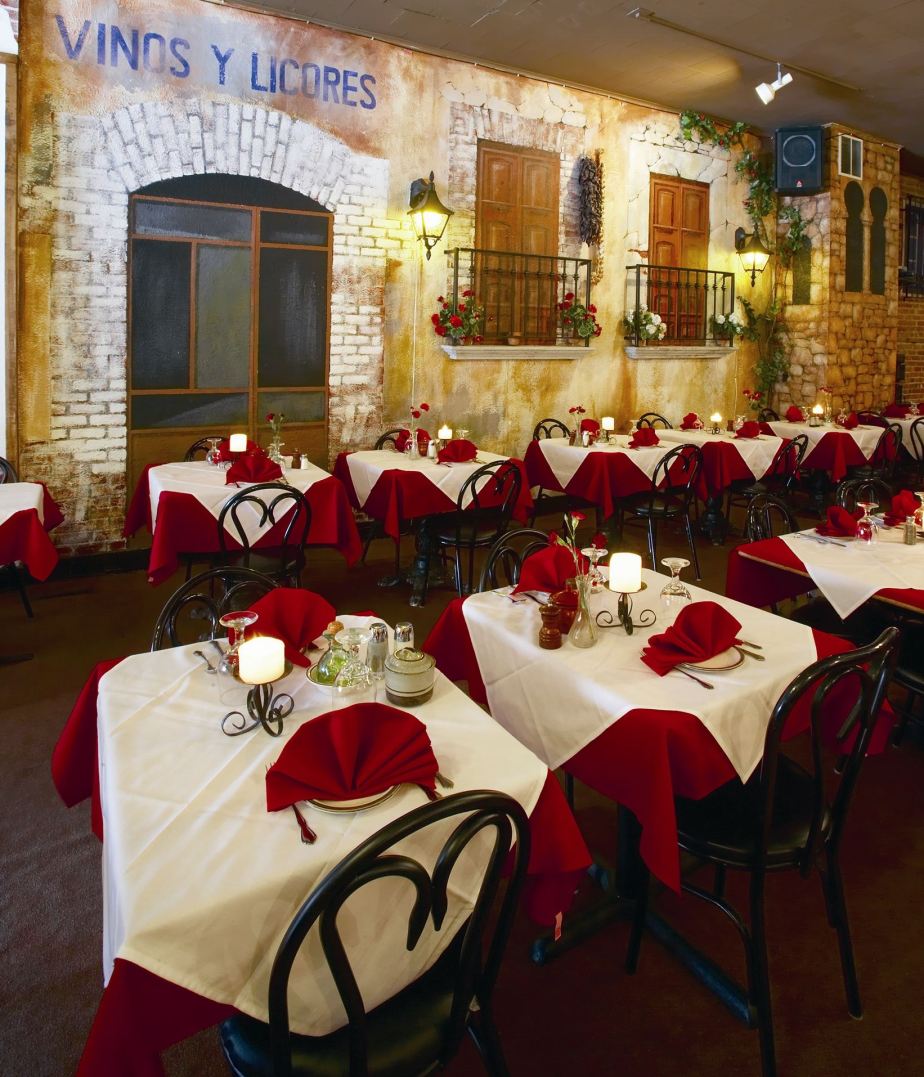
Paella from Don Quijote in Valparaiso, Indiana

Writing in Saveur magazine, David Rosengarten, an American chef, author and television personality who also has hosted or co-hosted more than 2500 television shows on the Food Network from 1994 to 2001, explains that “the earliest kinds of paella were products of purely local ingredients and eating habits.

“The dish exists because of rice, and rice has existed in Valencia and its environs ever since the Moors planted it there more than 1,300 years ago, in a lagoon called Albufera, where the grain is still grown today. Saffron, that precious and earthy spice, brought to Spain by Arab traders in the tenth century, was the Moors’ preferred seasoning for rice, and it remains a traditional paella ingredient. Local game like rabbit, and foraged foods like snails, as well as various legumes and vegetables, found their way into rice dishes during the Moorish occupation of Spain, but pork (which was prohibited under Muslim dietary laws) and shellfish did not.”

The earliest paella was made with all local ingredients and eating traditions. It’s main ingredient is rice and Valencia is known for their rice, planted by the Moors over 1,300 years ago in a lagoon called the Albufera, now national park where the grain still grows today.

“Saffron, that precious and earthy spice, brought to Spain by Arab traders in the tenth century, was the Moors’ preferred seasoning for rice, and it remains a traditional paella ingredient,” writes Rosengarten. “Local game like rabbit, and foraged foods like snails, as well as various legumes and vegetables, found their way into rice dishes during the Moorish occupation of Spain, but pork (which was prohibited under Muslim dietary laws) and shellfish did not. “

That certainly has changed today when many think of paella as being a seafood dish with sausages as an added ingredient.

Casa Lola desde el Grao de Castellón con su arroz negro con gamba roja
— at Plaza del Ayuntamiento.

While the Moors vacated Spain in 1492, the passion for rice dishes remained. What the Valencians ate during the reign of the Moors and afterwards for almost four centuries isn’t exactly known, but one of the first printed recipes we have dates back to 1840 and calls for such ingredients as rabbit, snails, beans and saffron cooked in a shallow pan called a paella. It was typically prepared over open fire composed of dried vines and branches from orange trees,

Miquel Barrera del Restaurante Cal Paradis desde Vall D’Alba con su “Arrocito de Castellón”
— at Plaza del Ayuntamiento.

According to Rosengarten, paella remained a regional food for a good long while. Back when that original paella recipe was first published, Spain wasn’t a popular destination on the tourist track, and its cuisine was little known beyond its borders. But the 20th century—the century of Picasso, Dali, Buñuel—saw a burgeoning interest around the world in all things español. Epicures were eager to discover the country’s rich, rustic flavors; in 1950, Elizabeth David, the cookbook writer who delivered England from its wartime gastro-dreariness, published A Book of Mediterranean Food (John Lehmann), which included a recipe for paella containing the hitherto non-traditional combination of chicken and shrimp. (Before long, gourmands in England, America, and beyond were serving all kinds of variants of the dish out of brightly colored Dansk paella pans along with goblets of sangria.

The Seafood Paella at The Grove in New Buffalo, Michigan

For those who want to make the dish to celebrate World Paella Day, buy a bottle or two of wine from the Ribera del Duero and Rueda Wine Regions of Spain and try the recipe below courtesy of James Beard Award-winning chef Jamie Bissonnette of Toro restaurants in NYC and Boston.

But first a little about wines from Ribera del Duero or Rueda (follow the links to find out more).

All About Rueda

Spain’s most popular white grape is Verdejo, and it is native to the region of Rueda in Castilla y Leon.

Tempranillo: Ribera del Duero’s Prized Grape

Full-bodied without going Godzilla-overboard, Ribera del Duero tempranillos are about as food-friendly as red wines get.

Teresa Roig con sus Paellas con Arte dando el toque creativo del evento
— at Plaza del Ayuntamiento.

Toro Paella Mixta, serves 4-5

2 tablespoons garlic, minced
1 cup Spanish onions, diced and sautéed in a generous amount of olive oil
1/2 cup scallions, white parts only, diced
1 cup sliced Spanish chorizo
1 cup red bell pepper, diced
Salt and freshly ground black pepper to taste
1 cup chicken breast or thigh meat
1/2 cup tomato paste
2 cups Calasparra or Bomba rice
10 threads of saffron
Canned Spanish seafood conserva (optional)
1 1/2 cups lobster stock (any combination of chicken, vegetable, lobster or shrimp stock will work)
1 1/2 cups chicken stock
1 1/2 cups vegetable stock
6 to 10 top neck or count neck clams
18 mussels
4 to 5 shrimp
1/2 cup English peas
Olive oil, 1/4 cup sliced scallion tops, and lemon wedges for garnish

Combine garlic, sautéed onions, white scallions, chorizo, red pepper, salt and black pepper to taste in a 17-18″ paella pan and sauté over high heat for 4 to 5 minutes. If you don’t have a paella pan, use a shallow copper or enamel coated steel pan (important to create the socarrat — or crust of crispy rice that develops on the bottom of the pan).

Add the chicken, tomato paste, rice and saffron, and stir, making sure to evenly coat the rice. Toast for 4 to 5 minutes. Add a can of conserva, if using. Evenly distribute and flatten out rice in pan.

Add all stocks. This should be the last time you stir the paella. Once boiling, add the clams and cook 5 to 10 minutes, until they open and rice grains are clearly visible.

Add mussels, and reduce heat to medium. Once the mussels open, add shrimp and peas. Cook over medium heat until shrimp and rice are cooked and have created a crispy bottom called “socarrat,” watching and smelling closely for burning.

Add small amounts of stock as necessary during cooking if all the liquid has evaporated and paella looks dry. Start to finish cooking time is approximately 30 minutes, 20 minutes to cook after adding stocks to chicken/rice mixture. Texture of rice when done should be soft on the outside but retain some bite/texture in the center. The rice on the bottom will be crispier (socarrat) from sitting on the bottom of the pan. Let the dish rest about 5 minutes before serving.

Garnish with olive oil, scallion tops, and lemon slices.

Pair with an unoaked Rueda Verdejo or a fruit-forward Ribera del Duero Joven.

#worldpaelladaycup2020

#worldpaelladay2020

#worldpaelladay

White Stallion Ranch: A Taste of the Old West

The patio at White Stallion Ranch

I had thought that dude ranches, the kind of places out west where you’d go to spend time galloping across the plains or desert with a background of mountain ranches, were out of the past. Popular around the time of Theodore Roosevelt who loved to ride and hunt, dude ranches first became big shortly after the Battle of Little Big Horn (though why a massacre of U.S. troops would be beguiling I don’t know) back in the 1880s, they attracted people not only from America but also Europe.

Dining Room at White Stallion Ranch

But unlike,western movies which had their heyday between the 1930s and 1960s and now are hardly ever made anymore, dude ranches have survived. Now called guest ranches, their numbers have fallen because the land they occupy is sold to developers for higher prices than owners can make offering lodging and horseback riding.

Indian Oven at White Stallion Ranch

And so, when my husband saw a deal for a long weekend at the White Stallion Ranch outside of Tucson, I wasn’t sure what to expect. I like to horseback ride,and I loved the idea that on Saturday nights they served a ranch-style dinner that had been cooked all day inside an adobe oven fueled by wood. Would we have to kick tumbleweeds aside to get into an old rickety cabin that smelled like horses? Would we sing along around a roaring campfire as the stars shone across the desert sky.

Penning a calf

Yes,to the later and no to the first. The cottages are adobe baked to a rust color and though the décoris decidedly western, it’s not tacky (excuse the pun) at all. Indeed, White Stallion Ranch (the name was originally Black Stallion but then the owners realized that the initials BS wouldn’t quite work)has received numerous awards including The 12 Best All-Inclusive Resorts in the United States for 2019 by SmartTraveler and Voted #1 Best Family Resort by USA Today 10 BEST Readers’ Choice Awards in 2018.

They’re running specials now because of Covid though as Russell True told me, social distancing is easy on a ranch. Russell is the son of the Allen and Cynthia True who bought the ranch in 1965, packing up their kids (Russell was five, his brother Michael was a baby) and moving from their very successful middle class life in Denver, Colorado. The whole place was rough and tumble to hear Russell describe it and much more isolated as the interstate some five miles away hadn’t been built yet and Tucson’s population was about 260,000—now it’s close to a million and rapidly growing.

White Stallion Trail Mix (recipe below)

When founded as a cattle ranch in the late 1800s, before Arizona became a state in 1912, about 5100 people lived in Tucson. Phoenix, about 100 miles north, had the same population back then but now they’re almost five times larger than Tucson.

The 3000 acres, located in the Sonoran Desert, backs up to the Tucson Mountains and is surrounded by the Saguaro National Forest and populated by ancient saguaros, those friendly looking cactus whose branches or limbs go up in the air like happy arms waiting to greet you. Movies are filmed here starting in in 1939 when William Holden and Jean Arthur starred in “Arizona.” In 1978, the James Garner film, “The New Maverick,” was filmed on the ranch and two years later Robert Conrad arrived for the making of “Wild, Wild West Once More.” Even better for George Clooney aficionados, the actor along with Sam Rockwell starred in “Confessions of a Dangerous Mind” in 2002.

White Stallion at Night

It’s all much comfier than 55 years ago when the Trues arrived. The main building wasn’t the gleaming glass, stone, and wood mid-century modern style it is today. When the Trues bought the 200-acre ranch there were 17 rooms and the same number of horses. Now operated by second and third generation Trues, the ranch encompasses 3000 acres. The horse population around 175 and there are 43 rooms and as well as 5-bedroom hacienda. Many of the True family members live on property including Russell’s son Steven and his wife.

But despite all these changes, the old west feeling is reflected not only in the cookery, trail rides, weekly rodeos, the cattle who range freely (have no fear, their prime practice is lolling under a shady mesquite watching people ride by) and the landscape but also in the chance to sign up for cattle drives, archery, rock climbing, hiking, heading to the shooting range and real-life lessons on how to pen cattle.

Over the years, there were many offers but Al True always turned them down.

“Do you know how much money you’re saying no to?” one developer asked him, emphasizing the amount added up to a gasp-inspiring millions of dollars.

Potato Chip Cookies

But land was more important than cash to the Trues and Al replied that riches were a poor substitute for their life on the ranch. But the lure of money is one of the reasons that of the 30 ranches once in business here north of Tucson when the Trues moved to the neighborhood have dwindled to three.
The food served is international but there’s definitely an overriding western/southwestern theme with taquitos, tacos, ribs, and steaks grilled outside. But the big paean to the past history is their signature Indian Oven Dinner on Saturdays. That’s a hard one to replicate at home, but just think of slowed braised pot roast with potatoes and carrots. Serve with flour or corn tortillas to add a little more western flair. They also offer food oriented guided trail rides including picnic luncheons, the Wine & Cheese ride, and a Beer & Cheetos ride.

The following recipes are courtesy of White Stallion Ranch and are among the favorite served there.

Prickly Pear Margaritas
Note: this makes a very large batch, if you’re not that thirsty or having a small get together, you may want to reduce the quantities.

1.75-liter bottle of Margarita Mix (your choice)
3/4 of a liter of Pepe Lopez Tequila
3 cans of 7-Up
1/4 bottle of Triple Sec
18 ounces of Prickly Pear Syrup

Peanut Butter Bars

¾ cup shortening
¾ cup peanut butter
1 cup brown sugar
1 c white sugar
1 large egg
1 teaspoon vanilla
1 ¼ cups flour
1 ¼ cup oatmeal
¾ teaspoon baking soda
¼ teaspoon salt

Preheat oven 350° degrees or 300° convection oven.
Cream the shortening, peanut butter, sugar, egg, and vanilla well. Mix together the flour, oatmeal, soda, and salt.
Beat the flour mixture into the creamed mixture. Spread the dough by hand over sprayed and floured 9”x13” baking pan. Bake 25 minutes until still chewy. Immediately sprinkle on the chocolate chips and spread over the bars when melted.

Peanut Butter Bars

Topping
1 cup powdered sugar
½ cup peanut butter
1 cup chocolate chips
2-4 tablespoons milk, as needed
Beat topping ingredients well, using enough milk to get a creamy consistency, then swirl over the chocolate. Cut and serve.

White Stallion Ranch Trail Mix
6 cups dry roasted peanuts
1 family sized box or 2 regular boxes of Wheat Thins
8 c small twisted pretzels
8 cups thin pretzel sticks
8 cups corn nuts

2 cups vegetable oil
2 cups melted butter
4 tablespoons chili powder
¼ cup Worcestershire sauce
10 drops Tabasco sauce
2 tablespoons garlic powder
1 tablespoon Lawry’s seasoning salt (or make your own using the copycat recipe below)
1 tablespoon salt
1 teaspoon ground cumin

Mix peanuts, corn nuts and pretzels in large roasting pan. Mix oil and melted butter, chili powder, Worcestershire, Tabasco sauce, garlic salt, seasoned salt, and cumin; pour over pretzels, mixing well.
If using a convection oven, cook at 300° F. for 15 minutes. If using a conventional oven, cook at 300° F. for about 45 minutes. Stir frequently to distribute the seasoning.

Remove from oven and let cool before serving, still serving frequently.

Lawry’s Seasoning Salt
2 tablespoons salt
2 teaspoons white sugar
¾ teaspoon paprika
¼ teaspoon ground turmeric
¼ teaspoon onion powder
¼ teaspoon garlic powder
¼ teaspoon cornstarch
Whisk salt, sugar, paprika, turmeric, onion powder, garlic powder, and cornstarch together in a bowl.

Lariat Twirling Demo

Potato Chip Cookies
Preheat oven to 375 degrees

1 cup Crisco
1 cup white sugar
1 cup brown sugar
2 eggs
1 teaspoon vanilla
1 6-ounce package white chocolate chips
2 1/2 cups flour
1 teaspoon baking soda
2 cups coarsely crushed potato chips

Cream Crisco and sugars. Add eggs, vanilla and beat well.
Add crushed potato chips and white chocolate chips. Sift flour and soda. Stir into creamed mixture. Drop on greased cookie sheet. Cook 10-12 minutes.

Chicago Gourmet 2020 Food Festival

For those who love Chicago’s wonderful food scene, this September is the time to enjoy one of the country’s best food festivals, Chicago Gourmet. Going on now until the end of the month, Chicago Gourmet organizers at the Illinois Restaurant Association (IRA), the event’s founding sponsor – along with presenting sponsor Southern Glazer’s Wine & Spirits – are offering a safe and spectacularly curated schedule showcasing Chicago’s diverse culinary offerings. Reservations and tickets are now available at chicagogourmet.org.

To help those impacted by the pandemic, this year the IRA is formally introducing the Illinois Restaurant Association Educational Foundation (IRAEF) Restaurant Employee Relief Fund, a new beneficiary of this year’s events. This recently established fund provides one-time, emergency cash relief to qualifying restaurant workers experiencing unforeseen hardships as a result of COVID-19. Funds raised through Chicago Gourmet will go toward providing necessary relief to  those with critical need.

Chicago area star chefs and leading restaurants are embracing this year’s innovative format and community focus by volunteering their time, enthusiasm and expertise to the festival’s many programs. This September is a win-win for all. Food fans can enjoy a range of experiences and support the those harmed by the pandemic. Chicago Gourmet represents the best of this world class city–its caring and its wonderfully creative food scene. Here’s what going on:

Can’t Stop the Hop Presented by DoorDash

The official kick-off to Chicago Gourmet every year, the popular Hamburger Hop expands beyond Millennium Park in 2020 with Can’t Stop the Hop presented by DoorDash, the nation’s leading last-mile logistics platform. This year, 100 chef competitors offer tasty burgers for dine-in, delivery or carry out from September 1-13. Food lovers are encouraged to hop around town, or visit the DoorDash app or website, and try as many burgers as possible, and based on flavor and overall presentation, they will vote on their favorite at chicagogourmet.org.

The champion will be announced the week of September 14 and will receive a magnum of fine wine from Josh Cellars, a Yeti cooler filled with premium meat and seafood from Buckhead Meat of Chicago and bragging rights for a lifetime.

$1 of every burger sold benefits the IRAEF Restaurant Employee Relief Fund. Click here for a list of participants. Additional sponsors include Buckhead Meat of Chicago, Turano Baking Co., Blue Moon, Josh Cellars, High West Distillery and Choose Chicago.

As part of this partnership, DoorDash will feature an in-app carousel for customers nearby select participating restaurants  to order their burgers for on-demand delivery and pickup.

Go Gourmet Dinner and Virtual Series

Go Gourmet Dinner Series Presented by UnitedHealthcare. Intimate. Delicious. Memorable. Chicago Gourmet’s Go Gourmet Dinner Series Presented by UnitedHealthcare includes special, in-person events curated with love by many of the city’s most beloved chefs. Held on various dates between September 14-30, fans can revel in outstanding, multi-course dinners paired with wine and spirit selections courtesy of Unshackled by the Prisoner Wine Company, Legent Bourbon and more. The lineup includes:

  • Monday, September 14 – Wednesday, September 16 & Monday, September 21 – Wednesday, September 23: Chefs Laura, Kelly + Michael Cheng, Sun Wah BBQ
  • Tuesday, September 15: Chef Jose Sosa, Gibsons Italia
  • Wednesday, September 16: Chef Carlos Gaytán, Tzuco – With special guest chefs Gaby Ruiz from Carmela & Sal (Mexico City) and Gourmet MX (Villahermosa, Tabasco); Rodrigo Estrada from Agua & Sal (Mexico City) and Yemanyá (Mexico City); and Benito Molina from Manzanilla (Ensenada, Baja California) to commemorate Mexican Independence Day
  • Thursday, September 17: Chef Kevin Hickey, The Duck Inn
  • Sunday, September 20: Chef Erick Williams, Virtue
  • Monday, September 21: Chef Norman Bolden, Norman’s Bistro
  • Tuesday, September 22: Chef Tony Priolo, Piccolo Sogno
  • Wednesday, September 23: Chef Sarah Grueneberg, Monteverde
  • Thursday, September 24: A special collaboration between Chef Cedric Harden, River Roast, and Chef Carolina Diaz, Terzo Piano (held at River Roast)
  • Wednesday, September 30: Chef Mari Katsumura, Yūgen

Reservations can be made directly with participating restaurants. To see the full lineup and reservations information, visit chicagogourmet.org. Prices and times vary per restaurant. All will adhere to current occupancy orders and health and safety guidelines.

Go Gourmet Virtual Series. Chicago Gourmet’s Go Gourmet Virtual Series invites celebrity chefs right into one’s home kitchen LIVE as they lead engaging cooking classes between September 14-30. Fans can purchase tickets to simply watch, or better yet, they can order meal kits in advance from anywhere in the U.S. to cook along and learn in real time. Meal kits arrive with ingredients to create a feast for four. Each live demonstration will also feature suggested beverage pairings and education from Campari / Aperol Spritz and JUSTIN Wines. The virtual schedule includes:

  • Monday, September 14: Chef Art Smith, Blue Door Kitchen & Garden
  • Wednesday, September 16: Chef Lorena Garcia, Lorena Garcia Cocina/Lorena Garcia Tapas
  • Thursday, September 17: Chef Thai Dang, HaiSous/Cà Phê Đá
  • Friday, September 18: Chef Fabio Viviani, Siena Tavern/Prime & Provisions/Bar Siena
  • Sunday, September 20: Chef Kwame Onwuachi
  • Tuesday, September 22: Chef Rick Bayless, Frontera Grill/ Topolobampo/XOCO/Tortazo/Bar Sótano
  • Saturday, September 26: Chef Jernard Wells, The Family Chef
  • Sunday, September 27: Chef Stephanie Izard, Girl & the Goat/Little Goat Diner/Duck Duck Goat/Cabra
  • Tuesday, September 29: Chef Jeff Mauro, The Kitchen/Sandwich King
@neiljohnburger

All Go Gourmet events benefit the IRAEF Restaurant Employee Relief Fund. In addition to those named above, the series is made possible thanks to Mariano’s, US Foods, Bank of America, Gordon Foodservice, Performance Foodservice, Choose Chicago, Pepsi, Coker Service Inc. and Coca-Cola.

Online Auction

Let the bidding begin! The Chicago Gourmet annual online auction goes live September 14-30. Featuring an impressive collection of wine, spirits and dinner experiences underwritten by Southern Glazer’s Wine & Spirits, one hundred percent of proceeds from the auction benefit the Illinois Restaurant Association Educational Foundation. The non-profit organization – which has awarded more than $3 million in scholarships since its inception – provides mentoring, job training and financial support for the next generation of aspiring chefs and hospitality professionals.  

Chicago Gourmet 2020’s media partners include NBC 5 Chicago/Telemundo Chicago, JC Deceaux, 93XRT, 101.9 The Mix and Chicago magazine.

@neiljohnburger

Visit chicagogourmet.org for details, reservations and tickets.

# # #

ABOUT CHICAGO GOURMET. Chicago Gourmet, the nation’s premier culinary experience, returns for its 13th year September 2020. Created by the Illinois Restaurant Association to honor Chicago’s culinary achievements and the creative vision of the chefs, Master Sommeliers, and wine-, spirit-, and beer-makers who participate, it spotlights Chicago as an international culinary destination via its unparalleled epicurean talent. The 2020 event supports the Illinois Restaurant Association Educational Foundation (IRAEF) and the IRAEF’s newly established Restaurant Employee Relief Fund. Chicago Gourmet is possible with the support of presenting sponsor Southern Glazer’s Wine & Spirits. For more information, please visit chicagogourmet.org and follow on FacebookTwitter and Instagram

ABOUT SOUTHERN GLAZER’S WINE & SPIRITS. Southern Glazer’s Wine & Spirits is the world’s pre-eminent distributor of beverage alcohol, and proud to be a multi-generational, family-owned company. The Company has operations in 44 U.S. states and the District of Columbia, Canada, and the Caribbean, and employs more than 20,000 team members. Southern Glazer’s urges all retail customers and adult consumers to market, sell, serve, and enjoy its products responsibly. For more information visit www.southernglazers.com. Follow us on Twitter and Instagram at @sgwinespirits and on Facebook at Facebook.com/SouthernGlazers.

ABOUT DOORDASH. DoorDash is a technology company that connects customers with their favorite local and national businesses in more than 4,000 cities and all 50 states across the United States, Canada, and Australia. Founded in 2013, DoorDash empowers merchants to grow their businesses by helping to solve mission-critical challenges, such as customer acquisition, on-demand delivery, insights and analytics, merchandising, payment processing, and customer support. By building the last-mile delivery logistics platform for local cities, DoorDash is bringing communities closer, one doorstep at a time. Read more on the DoorDash blog or at www.doordash.com.

ABOUT THE ILLINOIS RESTAURANT ASSOCIATION. Founded in 1914, the Illinois Restaurant Association is a non-profit organization dedicated to promoting, protecting, educating and improving the restaurant industry in Illinois. The IRA owns and produces Chicago Gourmet – the annual food and wine festival uniting hundreds of restaurants, chefs and beverage experts for a weekend filled with food and drink tastings, entertainment, cooking demonstrations, book signings, interactive seminars and more. For more information about the Illinois Restaurant Association, visit https://hes32-ctp.trendmicro.com:443/wis/clicktime/v1/query?url=www.illinoisrestaurants.org&umid=a1449715-9a22-4e2e-b964-7648b7df8c42&auth=30873f9b08d95a50bb5091e438311631aad9e118-2cf4648028941b73933d0ca994fa73c7af8c235c and follow on FacebookTwitter and Instagram.

ABOUT THE ILLINOIS RESTAURANT ASSOCIATION EDUCATIONAL FOUNDATION (IRAEF) RESTAURANT EMPLOYEE RELIEF FUND. Established in 2020, the IRAEF Restaurant Employee Relief Fund is statewide emergency assistance fund that provides one-time direct financial support to restaurant industry workers facing unforeseen hardship as a result of COVID-19. Grants help cover basic living expenses such as rent, food and utilities as someone works through crisis. Donate here now.

ABOUT THE ILLINOIS RESTAURANT ASSOCIATION EDUCATIONAL FOUNDATION. The Illinois Restaurant Association Educational Foundation is a 501 (c)(3) dedicated to building the Illinois hospitality workforce through career exploration, workforce development programs and scholarships. It has awarded more than $3 million in scholarships since its inception. For more information, visit www.illinoisrestaurants.org/IRAEFAboutUs.

Door County: A Little Bit of Sweden and a Few Goats as Well

Photos courtesy of Al Johnson’s Swedish Recipe

I once thought it would be fun to raise goats and make goat’s milk cheese. I even took a class in cheesemaking though I have to admit my cheeses didn’t turn out that well. And, of course, my condo association doesn’t even allow cats or dogs so I’m sure I couldn’t have a small herd of goats grazing on the grass in the common area though when the pool gets fixed, they’d have plenty of drinking water.     

Now, when I’m in Sister Bay in Door County, I like to stop at Al Johnson’s Swedish Restaurant & Butik –the latter word is the Swedish equivalent for boutique and the place features a wide assortment of Scandinavian items. Besides such fare as Swedish pancakes with lingonberry sauce, the big draw here are the live goats (yes, live) grazing on top of the restaurant’s grassy roof. 

The restaurant opened in 1949 but the goats are relatively new, having first stepped foot on the roof in 1978 after someone gave owner Al Johnson one as a gift. They have a fairly pampered life—lots of attention, they come down at night and are transported to a comfy barn and they don’t go to work on the roof if the weather is inclement. Oh, and rooftop meals are supplemented after hours so they’re not—and you can tell this by looking at their photos—going hungry.

              Even when I’m not in Door County, I can get my goat fix because the restaurant’s website has not one but two goat cams so you can log on and watch them munch grass in real time. But goats aren’t the only good thing about Al Johnson’s. Their Swedish cuisine, including those wafer thin pancakes, are great as well. I haven’t done this yet, but if I wanted the entire Al Johnson effect, I could cook up some of the restaurant’s recipes and watch the goat cam while I eat.

The following recipes are courtesy of Al Johnson’s Swedish Restaurant.

Gingersnap Apple Crisp With Maple Syrup Whipped Cream Filling

6 medium Apples roughly pounds (preferably Granny Smith)

1.5 tablespoons lemon juice

1/4 cup sugar

2 tablespoons flour

Topping

1 cup flour

1/3 cup sugar

1/3 cup brown sugar

1 pack of Nyåkers ginger snaps crushed (if you can’t find Nyåkers, it’s okay to substitute another brand)

1/2 cup of melted butter

 Preheat oven to 375˚. Peel and quarter apples, slice 1/4 thin. Mix with lemon juice, sugar, and flour. Crush cookie finely in a food processor, or Ziplock bag with rolling pin. Mix all topping ingredients well. Put apple mixture into 9×13 pan and top with crumble mixture. Bake 40-50 min or until apple is bubbly.

Whipped Cream

1 cup of cream 1/4 cup of Al Johnson’s Golden Goat syrup (substitute real maple syrup if you don’t have any goat syrup on hand). Mix and whip ingredients until stiff peaks form. Serve on top of Gingersnap Apple Crisp.

Al Johnson’s Lingonberry Vinaigrette

The lingonberry vinaigrette recipe, developed by Al Johnson’s Swedish Restaurant head chef Freddie Bexell, is offered as a dressing choice for a salad of mixed greens. It also works well in a raw red cabbage and apple salad.

Makes about ¾ cup

3 tablespoons sweetened lingonberries (can use lingonberry jam)

1 garlic clove, minced

1 tablespoon Dijon mustard

1 tablespoon red wine vinegar

½ cup canola oil

½ teaspoon chopped fresh oregano

⅛ teaspoon salt

Generous pinch of black pepper

In a mixing bowl, whisk together lingonberries, garlic, mustard and vinegar. Slowly whisk in canola oil. Add fresh oregano, salt and pepper. For a smoother dressing, pulse mixture briefly in a blender or food processor.

Al Johnson’s Red Cabbage Salad with Lingonberry Vinaigrette

Red cabbage, tart Granny Smith apples and thinly sliced red onion are tossed with lingonberry vinaigrette to create a raw salad. Finish the salad with dried sour cherries and coarsely chopped pistachios.

Makes 6 servings

8 cups thinly shredded red cabbage (1 medium head)

1 Granny Smith apple, washed, unpeeled, cored and thinly sliced

1 small red onion, peeled and thinly sliced

2 green onions, thinly sliced

¼ cup coarsely chopped unsalted pistachios

⅓ cup dried sour cherries

⅔ cup lingonberry vinaigrette (see recipe above)

In a large mixing bowl, combine all ingredients except vinaigrette. Toss with enough lingonberry vinaigrette to just coat. Refrigerate any remaining vinaigrette or serve on the side.

Goat Cheese-Stuffed Chicken Breast with Red Wine Lingonberry Sauce

This stuffed chicken recipe is from the former Inn at Kristofer’s restaurant, which was located just down the street from Al Johnson’s Swedish Restaurant in Sister Bay. The sauce also works well with pork tenderloin and salmon.

Makes 4 servings

Chicken:

1 teaspoon plus 2 tablespoons extra-virgin olive oil (divided)

1 medium shallot, finely chopped

1 garlic clove, minced

8 ounces goat cheese, room temperature

2 cups plus ⅓ cup breadcrumbs (divided)

2 tablespoons finely chopped Italian parsley

4 boneless, skinless chicken breasts (6 ounces each)

2 large eggs

3 tablespoons whole milk

2 tablespoons unsalted butter

Four (5-inch-long) picks to secure stuffed chicken

 Lingonberry sauce:

1 teaspoon extra-virgin olive oil

1 small shallot, finely chopped

1 garlic clove, minced

½ cup red wine

½ cup sweetened lingonberries (substitute lingonberry jam if you can’t find canned lingonberries)

1 tablespoon balsamic vinegar

1 tablespoon cornstarch

2 tablespoons water

Prepare chicken: Preheat oven to 375 degrees.

In a sauté pan, heat 1 teaspoon olive oil over medium heat. Add shallot and garlic. Sauté, stirring, 1 minute. Remove from heat.

In a mixing bowl, combine goat cheese, shallot mixture, 1/3 cup breadcrumbs and Italian parsley.

Place chicken breasts on a work surface. Make a deep slit or pocket in chicken along the longest part of the breast. Be careful not to slice thru entire breast.

Stuff evenly with cheese mixture. Use long wooden picks to secure stuffing.

Line a baking sheet pan with foil. Coat with vegetable oil spray.

In a bowl, combine eggs and milk. On a large plate, place remaining 2 cups breadcrumbs. Dip chicken completely into egg mixture. Roll in breadcrumbs. Set on prepared pan.

In a large skillet, heat unsalted butter and remaining 2 tablespoons olive oil. When hot, add chicken breasts. Cook on one side. Using tongs, turn and continue browning chicken on all sides. Chicken may need to be browned in batches. Place on prepared pan.

Roast in preheated oven until internal temperature reaches 155 degrees, about 25 to 30 minutes.

Meanwhile, prepare sauce: In a saucepot, heat oil over medium heat. When hot, add shallot and garlic. Sauté 1 minute. Add red wine, lingonberries and balsamic vinegar. Use a small whisk to combine. Simmer over low heat until reduced by one-fourth, about 5 minutes. Combine cornstarch and water. With sauce on simmer, slowly drizzle in enough cornstarch mixture to thicken sauce. You may not need all of the mixture.

When chicken is done, let rest 10 minutes before removing wooden picks. Slice chicken into medallions. Serve with lingonberry sauce.

Al’s recipe for Swedish Pancakes.

3 large eggs

Makes 4 generous servings

2 cups whole milk

1 cup flour

1 tablespoon sugar

 Garnish options:

Unsalted butter

Sweetened lingonberries

Fresh berries or sweetened sour cherries

Maple syrup

Whipped cream

In a mixing bowl using a wire whisk, combine eggs and milk. Add flour, a little at a time, followed by sugar. Let batter rest 2 hours or overnight in refrigerator.

Heat a large sauté pan or flat griddle over medium-high heat. Coat with vegetable oil spray. Pour 2 tablespoons batter per pancake onto pan. Pancake will be thin. When slightly firm, carefully flip and cook on other side. Pancakes will take 1 to 2 minutes per side to cook. Serve with garnishes of your choice.

GOAT CAM

Omaha Steaks Cooked the Whole30 Keto Way

Sometimes cooking cuts of quality meat can be daunting prompting what I call fear of the grill–trepidations to go beyond our typical cooking repertoire. Typical doesn’t even begin to describe the box of Omaha Steaks in thanks for watching their webinar about Omaha’s eclectic and happening food scene. File the latter under who would have known Omaha was such a culinary capital?

But after listening to the webinar about Omaha Steaks and discussions from three local chefs with outstanding credentials about how they cook steaks made me realize it was time to up my game.

And so I turned to my current favorite cookbook, The Primal Gourmet Cookbook: Whole30 Endorsed: It’s Not a Diet If It’s Delicious © 2020 by Ronny Joseph Lvovski sent to me by my friend Bridget Nocera of Houghton Mifflin.

It’s a great book because Lvovski has created each of his recipes to be compliant with an amazing amount of diets including criteria for Paleo-friendly, Whole30-compliant, Gluten-Free, Dairy-Free and Sugar-Free. Lvovski goes into great detail about how he developed his recipes and why he made changes so they are user friendly for those following certain dietary regimes as well as being delicious for all of us. After reading his recipe for steak au poivre I decided what better honor could I give my steaks than transform them into a classic French bistro dish?

Omaha’s trendy dining scene. Photo courtesy of Visit Omaha.

According to Lvovski, steak au poivre typically consists of grilled filet mignon covered in a rich and creamy green peppercorn sauce made with plenty of heavy cream and butter. Instead he lightened things up a bit and kept it Whole30-compliant and Paleo-friendly by using ghee and coconut milk.

Omaha’s trendy dining scene. Photo courtesy of Visit Omaha.

“The secret to making things taste as close to the original as possible is to cook down the coconut milk with the shallots,” he says in the introduction to his recipe. “This will mellow the coconut flavor, which might otherwise overpower the dish.

Ronny Joseph Lvovski

“When it comes to cooking the steaks, I’m a big fan of the constant-flip technique, which was popularized by Heston Blumenthal years ago,” says Lvovski, who struggled with a lifetime of obesity, failed diets, and low self-esteem before discovering the Paleo diet. “I have to admit that I resisted it for a very, very long time, preferring instead the tried-and-true flip-once technique. That is, until one fateful day when I was faced with the task of cooking a fairly thick steak without the benefit of an oven and my preferred reverse-sear technique. The result was a perfectly cooked center and evenly caramelized crust. Since then, I’ve been a convert, but there’s a time and place for everything.”

There are a few things Lvovski recommended before considering which method to use. First and foremost, he says the constant flip works best on bigger steaks, those that are at least 1½ inches thick, because you need time to raise the internal temperature of the meat while simultaneously developing a crust. If your steak is too thin, you will overcook the center before the outside has had a chance to caramelize. The constant flip also works better for steaks cooked in a well-seasoned cast-iron pan on the stovetop rather than on the grill.

“Most grill grates are made from stainless steel, to which meat will stick until it develops a crust,” says Lvovski. “Therefore, you are better off only flipping steaks once if you’ recooking them on a grill. Well-seasoned cast-iron pans, on the other hand, are virtually nonstick and are more forgiving when it comes to flipping meat before it has developed a crust. As long as you keep the above considerations in mind, you should have great results using the constant-flip technique when cooking your steak. It safeguards against the fact that all stovetops and skillets perform differently, which can result in one side of the steak cooking more or less than the other.”

Steak Au Poivre

2 (10-to12-ounce) filets mignons (or substitute your favorite cut such as bavette, rib eye, skirt, porter house, flat iron, or New York strip), at least 1½ inches thick

Kosher salt

3 tablespoons avocado oil

1 shallot, finely chopped

¼ cup full-fat coconut mil

½ cup chicken stock

1 tablespoon green peppercorns in brine, drained

1 teaspoon loosely packed fresh thyme leaves, finely chopped

Freshly ground black pepper

1 tablespoon ghee

Gluten-Free, Dairy-Free, Whole30 Keto-Friendly, Paleo Grain-Free, Sugar-Free.

Time: 20 minutes, plus 1 hour of marinating

Pat steaks dry with paper towels and liberally season all sides with salt. Place on a rimmed baking sheet and set aside for 1 hour at room temperature. When ready to cook the steaks, heat a large cast-iron skillet over medium heat for 5 minutes. Increase the heat to medium-high and pour in 2 tablespoons of the avocado oil. Heat until oil is shimmering and carefully place the steaks in the skillet.

Cook, flipping the steaks every60 seconds, until the internal temperature registers 130° to 135°F on an instant-read thermometer, about 8 minutes. Remove the steaks from the pan and transfer them to a wire rack to rest for 10 minutes. While the steaks rest, wipe the skillet clean with a paper towel, then place it over medium heat. Pour in the remaining 1 tablespoon avocado oil, then add the shallot. Cook, stirring, until softened, 1 to 2 minutes. Stir in the coconut milk and cook, stirring occasionally, until the liquid has reduced by about half, about 2 minutes.

Add the stock, green peppercorns, thyme, and a pinch of black pep-per. Cook until the sauce has reduced again by half, about 4 minutes. Fold in the ghee and stir until it has melted. Taste the sauce and season with salt and pepper as desired. Slice the steaks against the grain and arrange them on a serving platter. Spoon the green peppercorn sauce over the top and serve.

SERVES 2

Excerpted from “THE PRIMAL GOURMET COOKBOOK: Whole30 Endorsed: It’s Not a Diet If It’s Delicious’ © 2020 by Ronny Joseph Lvovski. Photography © 2020 by Donna Griffith. Reproduced by permission of Houghton Mifflin Harcourt. All rights reserved.

2020 James Beard Media Awards At Home

Help celebrate the James Beard Media Awards winners by tuning in on a series of conversations that’s free and open to the public. The next one, scheduled for August 26th from 1:30 to 2:30 p.m. ET, gives food entusiasts the opprotunity to ask James Beard Award–winning Wok Therapist and Stir Fry Guru Grace Young all of your burning wok questions.

Young helps us ease our anxieties about using a wok. This conversation will also delve into how COVID-19 has affected Chinese restaurants and communities across the nation.

Grace Young. Courtesy of graceyoung.com

A little background. Dubbed “The Stir-Fry Guru” by the New York Times, Young has devoted her career to celebrating wok cookery through her cookbooks and videos. On March 15, 2020, she began Coronavirus: Chinatown Stories, an oral history project with videographer Dan Ahn, in collaboration with Poster House, documenting the stories of how Manhattan’s Chinatown has been impacted by COVID-19. The Smithsonian National Museum of American History featured Coronavirus: Chinatown Stories in their 2020 Youth Summit for middle and high school students as an exemplar of how one person is addressing the challenging question of how we choose to strengthen a community in the middle of a pandemic.

HOW TO JOIN IN

Suggested Media: Broadcast Media Award: Online Video, Fixed Location and/or Instructional Wok Therapist https://www.youtube.com/watch?v=qpTYr…

Grace Young GraceYoung.com and YouTube Chinese Soul Food https://bookshop.org/books/chinese-so… Hsiao-Ching Chou Sasquatch Books.

The following recipe is from graceyoung.com

Walter Kei’s Chili Pork

12 ounces boneless pork belly, cut in half
1 1/2 teaspoons sugar
3/4 teaspoon salt
1 tablespoon XO sauce
1/4 teaspoon sesame oil
1 1/2 teaspoons chili bean sauce
1/4 teaspoon chili oil
3 slices ginger
3 scallions, cut into 2-inch pieces
3 tablespoons Shao Hsing rice wine or dry sherry
2 tablespoons olive oil
1 tablespoon minced garlic
1/2 medium red bell pepper, cut into 1-inch cubes
1/2 medium yellow bell pepper, cut into 1-inch cubes
1/2 medium green bell pepper, cut into 1-inch cubes

One 8-ounce can sliced bamboo shoots, rinsed and drained

  1. Put the pork in a dish and sprinkle with 1/2 teaspoon of the sugar and 1/2 teaspoon of the salt. Set aside 30 minutes. In a small bowl combine the XO sauce, sesame oil, chili bean sauce, and chili oil.
  2. In a 14-inch flat-bottomed wok bring 2 cups water to a boil over high heat. Add the ginger slices and scallions and boil 1 minute. Add 1 tablespoon of the rice wine and boil 1 minute. Add the pork, cover, and reduce the heat to low. Simmer 8 minutes. Pour out the water and seasonings. Rinse the pork in cold water, put it on a cutting board, and cut into 1/4-inch-thick bit-sized slices. The pork should still be slightly pink. Rinse the wok and dry it thoroughly.
  3. Heat the wok over high heat until a bead of water vaporizes within 1 to 2 second of contact. Swirl in the olive oil and garlic and stir-fry 15 seconds. Cover, reduce the heat to medium, and a cook 1 minute. Increase the heat to high, add the peppers and bamboo shoots, and stir-fry 1 minute. Add the remaining 1 teaspoon sugar and 1/4 teaspoon salt and stir-fry 1 minute. Add the remaining 2 tablespoons rice wine and continue to stir-fry 1 minute. Serves 4 as part of a multicourse meal.

You don’t need pixie dust, just grab a can opener to create “Tin Can Magic.

It’s almost dinner time and you haven’t thought of anything to cook and haven’t been to the store or farm stand, so what do you do? Well, if you’re Jessica Elliot Dennison, a food writer and stylist as well as owner of 27 Elliot’s, a neighborhood café, workshop and supper club in Edinburgh, Scotland, you just open the pantry.

          Since I’ve frequently been in that position, hungry people waiting and no prior planning, I was intrigued when my friend Grace Jensen sent me a copy of Dennison’s latest cookbook, “Tin Can Magic: Easy, Delicious Recipes Using Pantry Staples” (Hardie Grant 2020; $16.99). The premise is that a great meal is just a can opener away.

          Sure, it helps that Dennison has quite a culinary background having been part of Jamie Oliver’s retail marketing team, responsible for his 1000-product food and homeware range and that her first cookbook, “Salad Feasts: How to Assemble the Perfect Meal” was a best seller. Indeed, the inspiration for “Tin Can Magic” came from repeated mentions by fans of her first book that the recipes they cooked the most frequently were the ones fans where the main ingredients were already on hand.  

          So, using nine different tins (that’s what they call them in the United Kingdom, we say cans) of such ingredients as tomatoes, butter beans, sweet corn, cherries, coconut milk, green lentils, anchovies, chickpeas and condensed milk, Dennison came up with more than 60 recipes. Since anchovies aren’t high on many people’s lists of favorite ingredients (I actually like them), I guess we could say there are really eight tins we can use to create meals—unless you’re willing to give anchovies a try.

          Dennison doesn’t want us to have to run to the grocery store when making these last minute meals, so she offers lists of substitutions we can use. For example, in the introduction to her recipe for Tomato Butter Sugo with Fettucine and Feta, she notes that it’s the first sauce they teach at their pasta workshop evenings as a way of illustrating how even the simplest of store cupboard ingredients can be turned into something truly comforting and spectacular.     

          “Fettucine is my go-to pasta for this rich butter sugo,” she says. “But by all means, just cook whatever pasta you’ve got to hand.”

          Sugo, In case you’re wondering as I was, is a traditional Italian red sauce and the word means sauce’ in Italian.

          There’s an ethnic flair to many of her recipes such as Chili Ramen-Style Noodles with Spicy Tuna and Spring Onion, Crispy Coconut Milk Pancakes with Shrimp and Garlic Vinegar and Cumin and Sesame Roast Chicken Thighs, Silky Butter Bean Hummus, Charred Lemon and Toasted Almond and more familiar ones such as Roasted Pepper, Tomato and Lentil Soup, Cornbread Loaf with  Cumin and Chili Loaf and Set Lemon Pudding , a four ingredient dessert made with condensed milk that’s similar to an Italian panna cotta only much easier.

INDIAN-STYLE CREAMED CORN with Naan, Coriander and Toasted Spices

“This is halfway between a dahl and a curry, where a few tins of regular sweetcorn are transformed into something fragrant and special by the help of the spices from the back of your cupboard,” writes Dennison in a forward to this recipe. “I’ve suggested using a stick blender to give your corn a nice creamy texture, but if you don’t have one, don’t worry, just mash some of the corn by hand using a potato masher instead.”

SERVES 2
25 minutes
6 tablespoons rapeseed (canola), light olive or coconut oil
1 onion, peeled and finely sliced
3 garlic cloves, peeled and finely sliced
11½ ounces) tins of sweetcorn, drained
2 teaspoons ground coriander
1 ½ teaspoons ground cumin
1 tablespoon curry leaves (optional)
½ – 1 teaspoon of dried chili (hot pepper) flakes (depending on how spicy you want it)
1 lemon
Sea salt flakes
1 large naan or 2 chapatis
Handful of cilantro leaves

SUBSTITUTES
Onion: Leek
Ground coriander: Garam masala
Lemon: Lime

First, heat 4 tablespoons of oil over a medium heat in a wide pan. Add the onion and garlic, reduce to low, then fry for 15 minutes until soft and translucent. Stir occasionally and add a splash of water if beginning to catch.

Add half the corn to a jug with a splash of water. Then, using a stick blender or food processor, blitz into a rough pulp.

Add 2 tablespoons of oil to the onion, then add the spices and curry leaves. Stir for 1–2 minutes until fragrant, then add the creamed corn and reserved kernels. Add the zest of one lemon and the juice of half, plenty of seasoning to taste, and a splash of water to loosen if it’s too thick. Cut the remaining lemon half into wedges.

Meanwhile, use tongs to heat the naan bread directly over a gas flame for a few seconds until lightly charred. You can also do this in a hot pan or oven.

To assemble:

Divide the corn and naan between two plates. Roughly tear over the coriander and serve with a lemon wedge each.

Tomato Butter Sugo with Fettucine and Feta.

Tomato Butter Sugo with Fettucine and Feta
Serves 2
Preparation time: 45 minutes

3 tablespoons rapeseed (canola), vegetable or light olive oil
3 garlic cloves, peeled and finely sliced
14-ounce tin of chopped tomatoes
¼ teaspoon chili (hot pepper) flakes
½ onion, peeled (not chopped)
2 ounces butter (salted or unsalted)
1 teaspoon sea salt flakes, plus extra to taste
pinch of sugar (optional)
5 ounces dried fettuccine
2 ounces feta

SUBSTITUTES
Onion: Half a leek, banana shallot, red onion
Fettuccine: Whatever pasta you have to hand
Feta: Salted ricotta, Parmesan, halloumi, pecorino
Chopped tomatoes: Passata (sieved tomatoes), peeled fresh in season tomatoes

First, heat the oil and garlic in a medium saucepan over a medium heat for 1–2 minutes until fragrant and beginning to golden (take care not to burn the garlic). Add the tomatoes, chili flakes, onion half, butter and salt. Bring to a simmer, then reduce over a low heat for 25–30 minutes, stirring occasionally. Splash in some water if it’s sticking or reducing too much. Remove and discard the onion, then taste the sugo for seasoning. You may want to add a pinch of sugar, depending on the acidity of the tomatoes.

After 15 minutes of the sugo simmering, bring a large saucepan of water up to the boil and cook the fettucine until al dente (around 9–10 minutes – check packet instructions for exact timing), reserving a mugful of the starchy cooking water. Using tongs, transfer the fettuccine into the tomato sauce, stirring in spoonfuls of the reserved cooking water until coated in the sauce. Taste again for seasoning (bear in mind the feta will add saltiness).

To assemble:

Divide the pasta between two plates, then finely grate over the feta to finish.

Feast Tip: Roasted or charred little gem lettuce (bibb lettuce) topped with finely grated (shredded) Parmesan and a squeeze of lemon makes a beautiful side dish to this fettucine. Throw in some nice olives, a plate of burrata drizzled with the salsa verde (see the recipe below) plus a good bottle of red and you’ve got a full-on Italian-style feast.

Salsa Verde
1 small garlic clove
1½ tablespoons capers (baby capers) in brine, drained
Handful of flat-leaf parsley leaves
Handful of basil leaves
2 teaspoons Dijon mustard
Scant 1 cup) rapeseed (canola) or olive oil
¾ tablespoon cider vinegar
½ teaspoon salt
Pinch of sugar (optional)

To make the salsa verde, mince the garlic and crush the capers with a knife. Finely chop the flat-leaf parsley and basil, then add the garlic, capers and herbs to a bowl. Stir in the mustard, oil, vinegar and salt, then taste for seasoning. If it’s too punchy and vinegary, add a small pinch of sugar.

Vietnamese-Style Iced Coffee
“I became completely addicted to this way of drinking coffee on a trip to Hanoi a few years back – and as soon as summer kicks off in the UK, I get back into the swing of making them,” writes Dennison. “This isn’t a recipe as such, more of a guide for you to play around with the quantities of coffee and condensed milk to your taste. All I would recommend is to choose a coffee that’s pretty strong, to balance the sweetness of the tinned milk.”

Freshly brewed coffee (ideally quite strong)
Ice
Milk
Condensed milk

SUBSTITUTES

Coffee: Strong chai tea, strong black tea

First, divide the coffee among glasses, top up with ice and milk, then stir in a spoonful of condensed milk. Stir then taste; adding in more condensed milk if you fancy.

Celebrating National Potato Day

In case you forgot–or never knew to begin with–today is National Potato Day, giving us the kind of excuse we love to eat a lot of spuds. But along with the celebration, we should get a little education so here are some interesting facts about potatoes.

According to a survey conducted by National Today an internet site covering all the National Days in the U.S.–and there are a lot of them including National Tooth Fairy Day that’s coming up this August 22, our spud preferences are:

  • 22% of the 1000 people surveyed said curly fries are their favorite type of French fry.
  • Nearly half (46%) of all people surveyed picked Lay’s as their go-to bag of potato chips. As an aside, I totally agree having unfortunately stopped by my daughter’s house where she had–and the operative word is “had”–a bag of Lay’s Classic and a carton of French Onion dip. 
  • Slightly more than one-in-three (34%) people surveyed, chose McDonald’s as their favorite fast food restaurant when it comes to fries. 
  • As for favorites, the number one is French fries followed by mashed potatoes, baked potatoes, hash browns and then Tater Tots (which has its own National Day on February 22).

All of this brings me to Dan Whalen who always has a bag of Tater Tots in his freezer and a propensity for writing about eclectic takes on food for his blog, “The Food in My Beard: Comfort Food, Twists & Mash-Ups,” so his publisher thought he’d be a natural to pen a cookbook on, you guessed it, tots.

 “Americans love tots –those little balls of heavenly potato magic,” says Whalen in his typical enthusiastic way, noting that tots can now be found on restaurant menus. But the stats back him up. Americans consume approximately 70 million pounds of tater tots per year.

Though I’m not sure how many restaurants are devoting menu space to tots I have seen them occasionally. But Whalen, whose articles can be found in serious food magazines like Saveur, Bon Appétit, Serious Eats and Fine Cooking as well as MSNBC, and Huffington Post, has come up with some intriguing recipes, the kind you wouldn’t be ashamed of serving to guests in TOTS! 50 Tot-ally Awesome Recipes from Totchos to Sweet Po-tot-o Pie (Workman 2018; $12.95).

            “I grew up eating them,” Whalen tells me when we chat on the phone. “But I wasn’t as huge of a fan as I am now. Growing up it was a lazy food, but they’ve transformed, become more modern and more interesting once chefs started doing more interesting things with them.”

            Whalen has some techniques for making sure your tots are at their best.

            “When cooking, turn the oven off after its preheated and they’re in the oven,” he says. “That way they’re soft and tender in the over, otherwise they turn into crunchies. Or you can pan fry them, it takes them to the next level.”

            He also shares some tot history.

            “What’s really cool is how Ore-Ida invented tots,” he says. “They were making French fries and were trying to figure out what to do with the leftover potato pieces besides feeding them to farm animals.”

            There were mistakes along the way in creating his recipes including a meatloaf coated in a tot crust.

“It didn’t really come together for me after trying four or five times,” he says, “there was too much fat dripping out of the meatloaf and the tot crust was fragile and fell apart while I cut it.”

Despite this disappointment, he persevered and remained a big fan of tots.

“I have been continually inspired by tots though since writing the book,” says Whalen, “and have posted over 15 new tot ideas on my site since I finished the book.”

The following recipes are from his book. None of them, you should be warned, are low in calories. But you probably know that already.

The following recipes are courtesy of Dan Whalen.

Bacon Wrapped Tots

24 frozen tots

12 bacon strips

Dipping sauce(s) of your choice, for serving

Preheat the oven to 425 degrees. Set a wire rack on a rimmed baking sheet.

Cut the bacon strips in half crosswise. Wrap a piece of bacon around each tot and place each, seam-side down, on the rack.

Bake until the tots are browned and the bacon is cooked through and crispy, about 25 minutes. (The cooking time will vary depending on the thickness of the bacon, so keep your eyes on them!)

Transfer the tots to a platter, skewer each with a toothpick, and serve immediately with the dipping sauce.

Chipotle Mayo

Yields about 1 cup

1/4 cup mayonnaise

1/4 cup sour cream

2 teaspoons brown sugar

1 teaspoon red wine vinegar

Leaves from 2 sprigs fresh oregano (or 1 teaspoon dried oregano)

1 chipotle pepper in adobo sauce, plus 1 tablespoon adobo sauce from the can

Combine all of the ingredients in the bowl of a food processor and pulse until smooth.

Chipotle mayo will keep, in an airtight container in the refrigerator, for up to 3 days.

Cheese Sauce

Yields 1 1/2 cups

1 cup whole milk

1 cup nonfat dry milk powder

1 tablespoon cornstarch

1 block (8 ounces) cheddar cheese, freshly shredded (see footnote)

1 teaspoon hot sauce

1/4 cup diced pickled jalapeños

2 teaspoons crushed red pepper flakes

Combine the milk, milk powder, and cornstarch in a large, heavy-bottomed pot over medium heat and bring to a simmer, whisking constantly. Continue to cook, whisking, until the sauce thickens, and the milk powder has dissolved, about 1 minute.

Remove from the heat and whisk in the cheese. The cheese should melt, no problem, but if it doesn’t, return the pot to low heat and whisk until it does. (Be careful with the heat at this point because the sauce could separate if heated too rapidly.)

Allow the cheese sauce to cool slightly, then stir in the hot sauce, jalapeños, and red pepper flakes. Serve warm.

Note: Preshredded cheese will not work in this recipe.

Totchos

Serves: 4

For the pico de gallo:

3 vine-ripened tomatoes, diced

1 small onion, diced

5 jalapeños, stemmed, seeded if you wish to reduce the heat, and diced

1 small garlic clove, minced or grated

1/2 cup chopped fresh cilantro leaves

Juice of 1 lime

Kosher salt

For the guacamole:

1 large avocado, halved and pitted

2 Tablespoons pico de gallo

Juice of 1 lime

Kosher salt

For the totchos:

1/4 cup vegetable or peanut oil

1 1/2 pounds frozen tots (about 65 tots)

1 1/2 cups (6 ounces) shredded Cheddar cheese

1/4 cup pickled sliced jalapeños

1/2 cup sour cream

Make the pico de gallo: Combine the tomatoes, onion, diced jalapeños, garlic, and cilantro in a small bowl. Add the lime juice and the salt to taste. Cover and refrigerate the pico de gallo until ready to use (up to 3 days).

Make the guacamole: Scoop the avocado into a medium-size bowl and mash with a fork. Add 2 tablespoons of the pico, along with the lime juice. Stir and add salt to taste. Cover with plastic wrap touching the surface of the guacamole and refrigerate until ready to use (up to 1 day).

Make the totchos: Preheat the oven to 400°F. Line a plate with paper towels.

Heat the oil in a 10-inch cast-iron skillet over medium-high heat and swirl to coat. Add the tots to the skillet in batches of about 20, so as not to crowd the pan, and cook, undisturbed, until browned on the bottom, about 3 minutes. Gently stir and toss the tots, being careful not to break them, until they are browned on all sides and crispy, about 10 minutes. Transfer the cooked tots to the prepared plate and repeat with the remaining tots.

When the final batch of tots is just about browned, pile the rest of the cooked tots back into the skillet. Top evenly with the cheese and pickled jalapeños and transfer the skillet to the oven. Bake until the cheese is melted, about 10 minutes.

Remove the skillet from the oven and top the totchos with the pico, guac, and sour cream. Serve immediately right in the skillet with a big serving spoon and plates and forks for everyone to dig in. Remember that the skillet is hot!

Variation:

To scale this recipe up for a crowd, double the pico de gallo and guacamole. Use 4 pounds of tots and divide them between 2 sheet pans (18″ x 13″). Double the cheese, pickled jalapeños, and sour cream. Follow the assembly and cooking instructions above, then dump one of the trays onto the other to form a pile.

August 18th: National Fajita Day

Photo courtesy of What’s Cooking America.

Fajitas, that sizzling grilled seasoned meat served with salsa, tortillas and guacamole, is the result of the creativity of Mexican vaqueros who back in the early 1930s were given a tough, stringy cut of beef typically thrown away as part of the their salary for their hard work on the range. In a last laugh sort of way, these vaqueros took this tough cut known as skirt steaks and by cooking it over an open fire or on a grill and slicing it against the grain created created fajitas, a best seller now in restaurants throughout the country.

This success was propelled by Sonny Falcon,a meat market manager of Guajardo’s Cash Grocery, who in the late 1960s began selling fajitas at fairs and other popular events, ultimately becoming known as the Fajita King.

Now fajitas have their own holiday. Let’s raise a margarita in thanks to the vaqueros and to Sonny for a great job.

What’s Cooking America offers this version of Sonny’s Fajita Recipe.

Fajitas:

Lime Marinade:

  • Juice of 4 to 5 fresh-squeezed limes
  • 1/4 cup red wine vinegar
  • 1 tablespoon soy sauce
  • 1 tablespoon light molasses
  • 1 tablespoon cilantro leaves, chopped
  • 2 cloves garlic, minced
  • 1/2 teaspoon ground cumin
  • 1/2 teaspoon black pepper

InstructionsFajitas Instructions:

  1. Prepare Lime Marinade (see below); set aside.
  2. Lay the skirt steak on a cutting board and remove the outer membrane (grab the membrane with one hand and slide the knife beneath it, cutting as you go).  Using a sharp paring knife, make a number of slits in the meat, cutting both with and against the grain of the meat (this cuts the muscle fiber and reduces any toughness.)
  3. In a large plastic bag with the Lime Marinade, add skirt steak; reseal and marinate in the refrigerator at least 1 hour or overnight, turning steak occasionally.
  4. Remove steak from refrigerator and bring to room temperature before cooking.
  5. Preheat barbecue.
  6. Drain steaks, reserving marinade.  Place steaks on the hot grill and spoon some of the reserved marinade over the steak.  Close barbecue lid, open any vents, and cook 3 to 5 minutes for medium-rare (120 degrees F. on your meat thermometer).  Remove from grill and transfer to a cutting board; cut on the diagonal into thin strips.
  7. Preheat oven to 350 degrees F.  Wrap stacked flour tortillas in aluminum foil and heat in oven 15 minutes or until hot.  To microwave, wrap a stack of flour tortillas lightly in paper towels and warm on high for 6 or 7 seconds per tortilla.
  8. While the shirt steak is cooking, grill the green pepper and onion slices 1 to 2 minutes or until soft; remove from grill and place on a serving platter.  Place cooked steak strips onto the same platter.
  9. For each fajita, fill a warm flour tortilla with cooked steak strips and desired amounts of green pepper and onion slices.  Add tomatoes, cheddar cheese, sour cream, guacamole, and salsa as desired; roll up like a burrito and enjoy.
  10. Makes 4 to 6 servings.

Lime Marinade Instructions:

  1. In a large re-sealable plastic bag, combine lime juice, vinegar, soy sauce, molasses, cilantro, garlic, cumin, and pepper; set aside.

Fascinating Facts About Fajitas

1. ‘Fajita’ Translates to ‘Little Band’
In Spanish, fajita is a diminutive for “faja”, which translates to “belt” or “girdle”.

2. It’s a humble dish
Workers were given the least desirable parts of butchered steers and made fajitas from skirt steaks.

3. The term “Fajita King” is trademarked.
Sonny Falcon trademarked the term after gaining popularity from the dish in the 1970s

4. McDonald’s Tried it.
In 1991, McDonald’s attempted to introduce their own Chicken Fajitas into the market.

5. The original is called something different in Mexico
While in the U.S we know them as fajitas, the Mexican term for grilled skirt steak is arracheras.

Don Quijote Restaurant in Valparaiso Benefit Dinner to raise $20,000 to support VNA Porter County Meals on Wheels program; Curbside pickup August 16

Porter County, IN – The community is invited to participate in Don Quijote Benefit Dinner to raise $20,000 to support VNA Porter County Meals on Wheels program.

Since mid-March, Meals on Wheels has seen a 57% increase in need and anticipates it will only continue to rise. In an effort to meet the need a new walk-in refrigerator is necessary to help maintain proper food prep standards for client meals.

“This is just one of the many critical needs in our community,” said Kim Olesker, president & CEO of United Way of Porter County. “We can’t thank Carlos and his team enough for helping us to raise support for homebound seniors.”

The program currently serves 300 seniors daily help maintain their nutritional well-being and is a partnership between VNA of Northwest Indiana, Pines Village Retirement Communities and United Way of Porter County.

Don Quijote’s Benefit Dinner menu will feature Chef Carlos Rivero’s signature paella with appetizer, salad, dessert and bottle of red, white or rosé wine. Traditional and vegetarian paella available.

Single and dinner for two packages available. Single dinners are $65 and dinner for two are $125. Bottle of wine option only included in dinner for two package. Dinner will be curbside pickup only on August 16 from 1 to 5 p.m. Order deadline by noon on Saturday, August 15. To purchase a dinner package, visit unitedwaypc.org/Don-Q-Dinner.

Photos courtesy of Don Quijote Restaurante.

United Way of Porter County works to lead community collaboration, unite residents and inspire action to improve lives in Northwest Indiana. United Way of Porter County annually provides more than $2.3 million to support a network of education, health, disaster and basic needs services. To learn more, visit unitedwaypc.org or follow us on Facebook and Twitter.