Pip: You know a writer has truly arrived when someone follows their footsteps across an entire country — not for the literature, but for the lunch.

Mara: That’s actually a fair description of what we’re covering today. Jane Simon Ammeson writes about a new cookbook tracing Hemingway’s culinary life in Spain, and the Michigan towns where the writer recovered, drank, and found his early stories.

Pip: Let’s start with the cookbook and the country that, according to its author, is where Hemingway’s obsessions finally came into focus.
Hemingway’s Spain, on the plate
Mara: The question this piece opens is why Spain — not Cuba, not Key West — is the right lens for understanding Hemingway’s appetite, in every sense of the word.
Pip: Southworth answers that directly. When asked why he chose Spain over the other Hemingway destinations, he said: “Spain is where everything coheres. Hemingway wrote beautifully about Cuba and Key West, but Spain is where his obsessions, ritual, danger, camaraderie, and appetite come into full focus.”

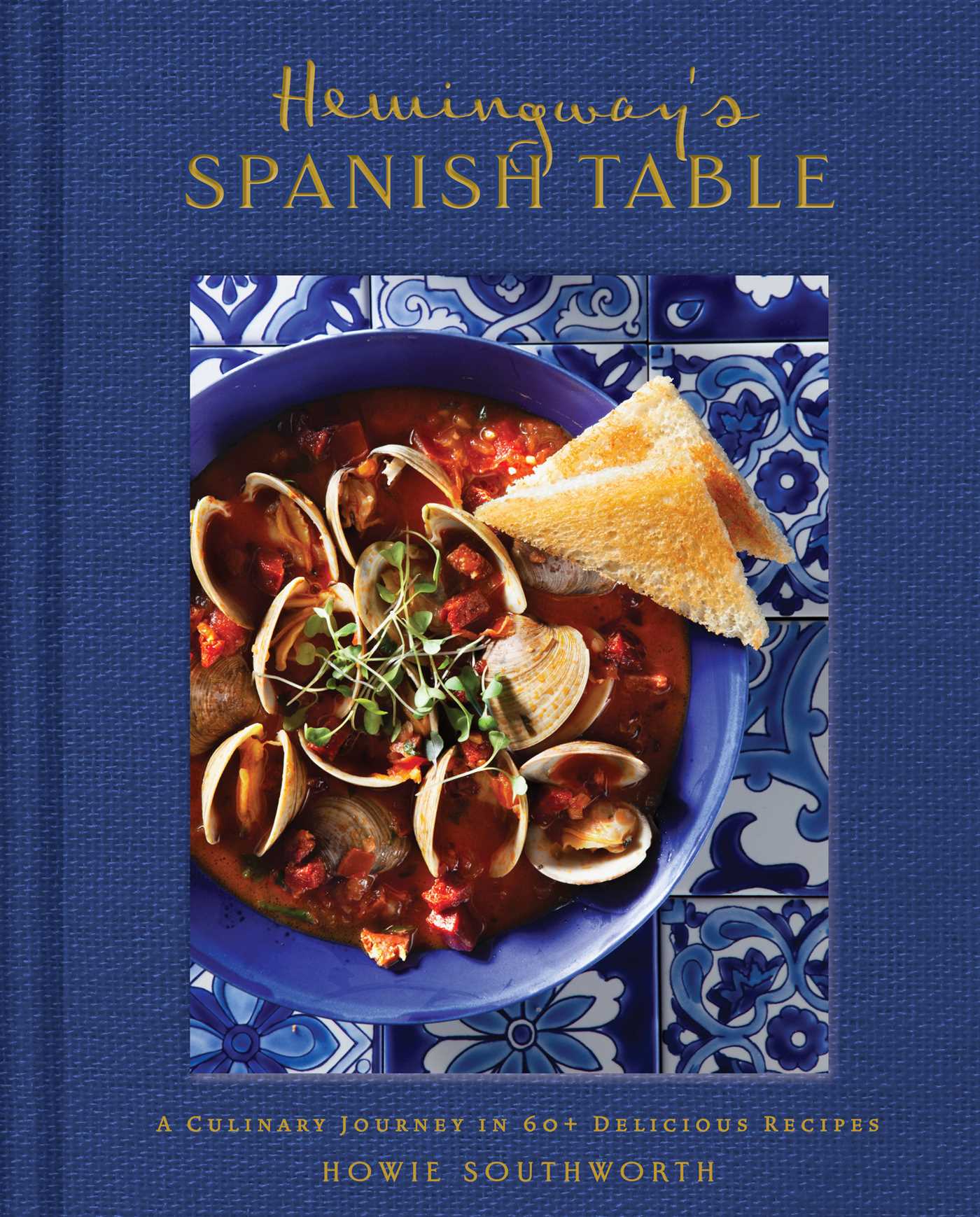
Mara: So the cookbook, “Hemingway’s Spanish Table: A Culinary Journey in 60+ Recipes,” published by Simon and Schuster, isn’t just a recipe collection — it’s a structured argument that Spain is the key to the man.
Pip: Southworth has a culinary arts diploma and eight prior cookbooks behind him, so he’s not just a literary tourist with a skillet.

Mara: The structure reflects that. Each recipe comes with an introduction tying it to a specific place or moment in Hemingway’s life, and the book weaves in Hemingway’s own writing throughout. One excerpt from “The Dangerous Summer” captures the tone well: “We got away for Sevilla in squally weather a little after noon next day and signed in at the old hotel Alfonso XIII with its comfortless grandeur and went to Casa Luis to eat on the way to the bullfight. It was a good meal and a very bad bullfight.”
Pip: Bad bullfight, good meal — that’s a usable life philosophy.
Mara: Andrew Zimmern called the book “an homage to Spain’s cuisine in a way that would have made Papa very proud,” and Michael Ruhlman described it as combining “great food, the country of Spain, travel, and the works of Ernest Hemingway.”

Pip: The recipes themselves range from Gambas al Ajillo — sizzling garlic shrimp served immediately in the pan with crusty bread — to a Chicken and Rabbit Paella built on saffron stock and bomba rice.

Mara: That paella introduction is worth noting. Southworth writes that paella is iconic, but points toward a much broader landscape: arróz caldoso, arróz negro, arróz con costra — “even this list is merely scratching the surface of a vast landscape.”
Pip: The post also traces the Michigan side of the Hemingway geography — Walloon Lake, Petoskey, the Perry Hotel, the Horton Bay General Store, which appears in “Up in Michigan” and likely inspired a store in “The Last Good Country.”
Mara: And the Park City Grill in Petoskey, which in Hemingway’s time offered billiards and boxing alongside the drinking and dining. The Perry Hotel, a three-story yellow-brick building that survived because brick doesn’t burn, is still operating.

Pip: A friend quoted in the piece describes people watching trains arrive at Pennsylvania Plaza — “they would see who was worthwhile seeing when they got off the train” — and the Hemingway family were among those arrivals.
Mara: That station likely fed directly into “The Torrents of Spring,” Hemingway’s story set in Petoskey. The geography and the recipes are doing the same work: anchoring the writing in specific, eatable, visitable places.
Pip: Food as biography — it’s a more honest method than most.
Mara: Spain, Michigan, Cuba — the appetite connects them. Next time, more places worth following someone’s footsteps into.


Share your thoughts. I'd love to hear from you.